


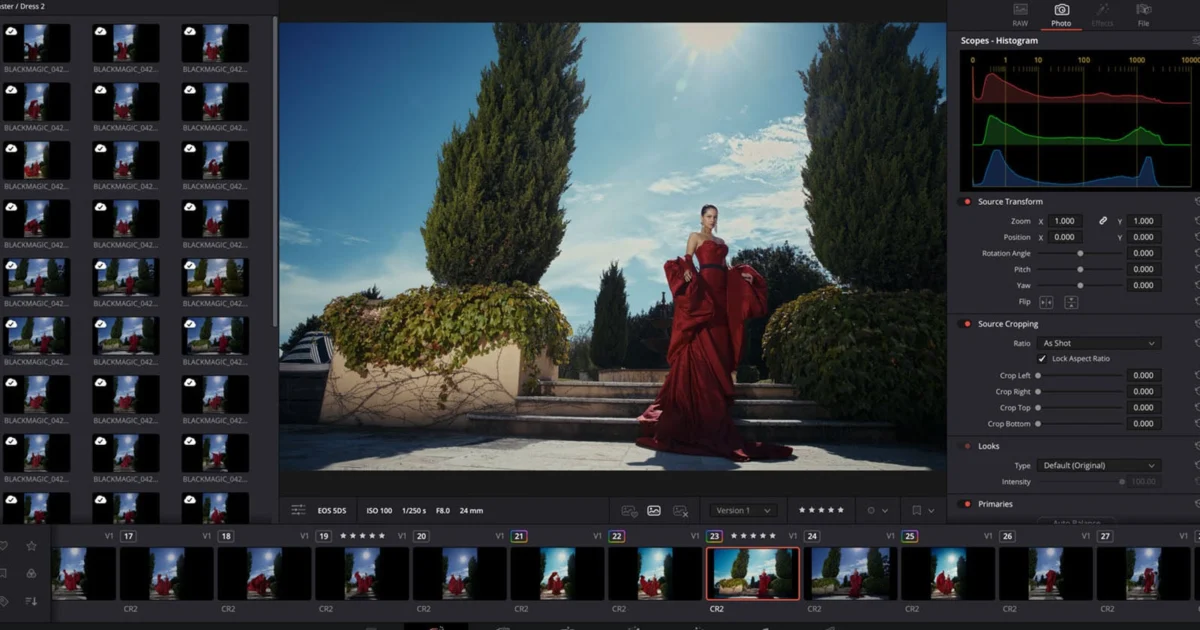
Blackmagic Design has officially unveiled DaVinci Resolve 21, marking one of the most significant architectural shifts in the history of the software. While the platform has long been established as the industry standard for color grading and a formidable competitor in the non-linear editing (NLE) market, this latest iteration introduces a dedicated Photo page, effectively transforming the video-centric application into a comprehensive, all-in-one suite for both moving and still imagery. This strategic expansion signals a direct challenge to established photography workflows, offering professional photographers and hybrid creators a node-based alternative to traditional layer-based image processing.
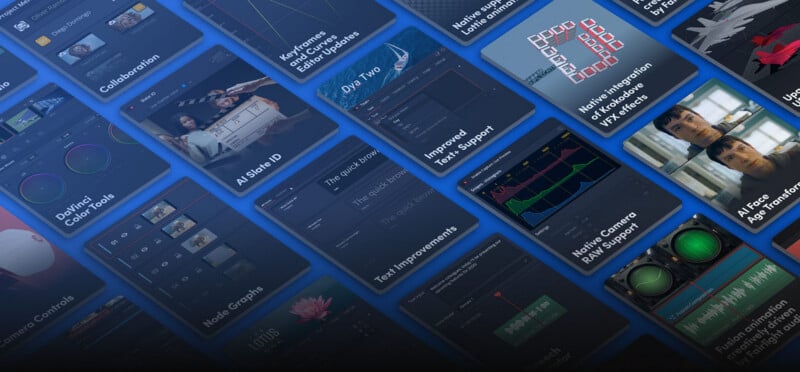
The update, currently available in public beta, integrates a suite of sophisticated artificial intelligence tools powered by the DaVinci Neural Engine. Beyond the headline-grabbing inclusion of still image editing, DaVinci Resolve 21 introduces advanced media management through AI-driven search, innovative focus manipulation tools, and specialized facial retouching features. These additions are designed to streamline the post-production pipeline, reducing the need for round-tripping between multiple software applications and providing a unified environment for visual storytelling.
The Integration of Professional Still Image Editing
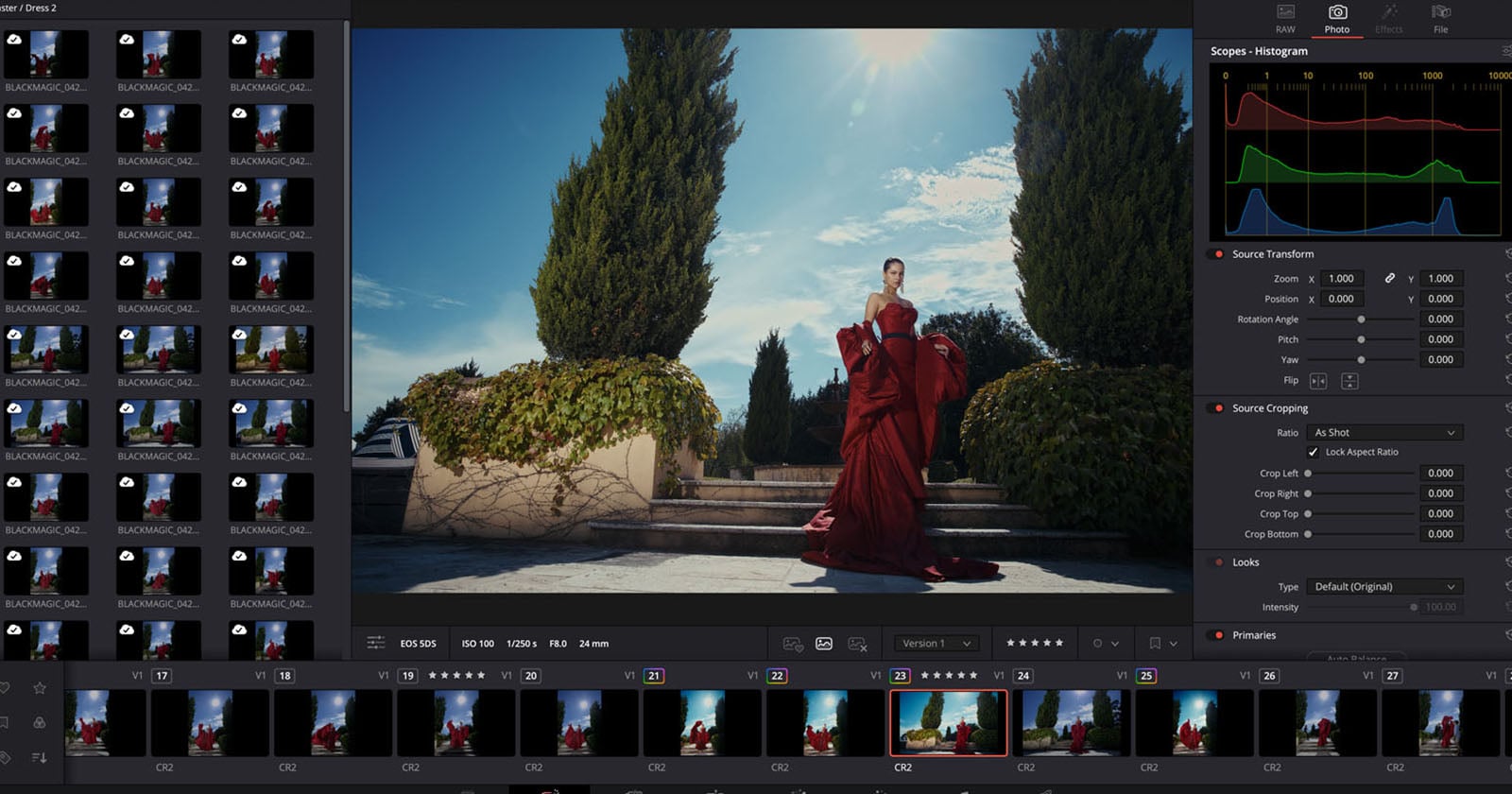
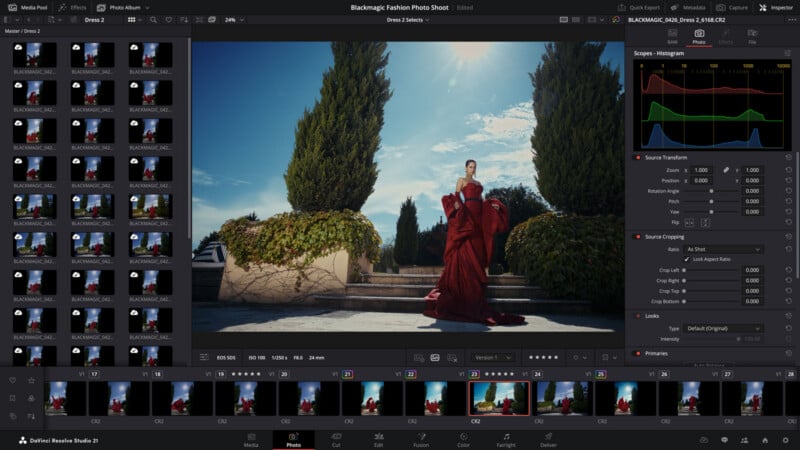
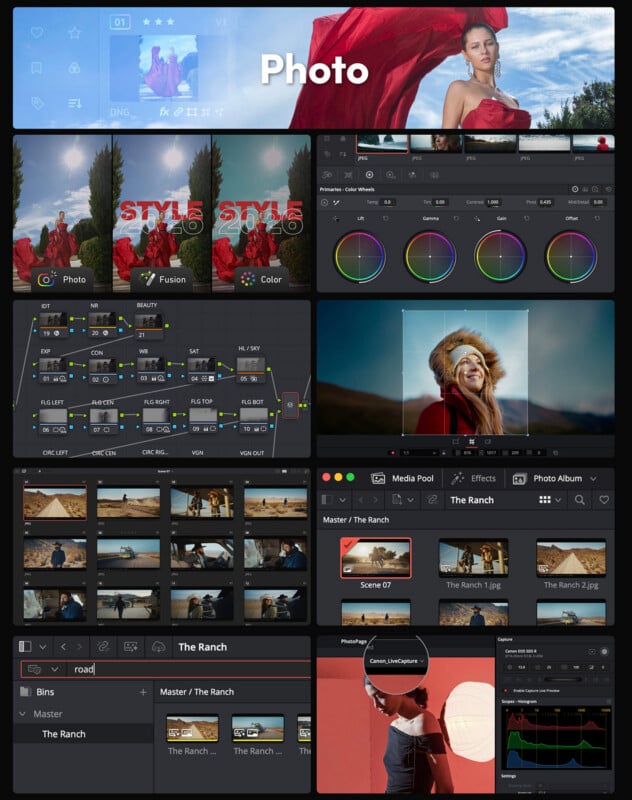
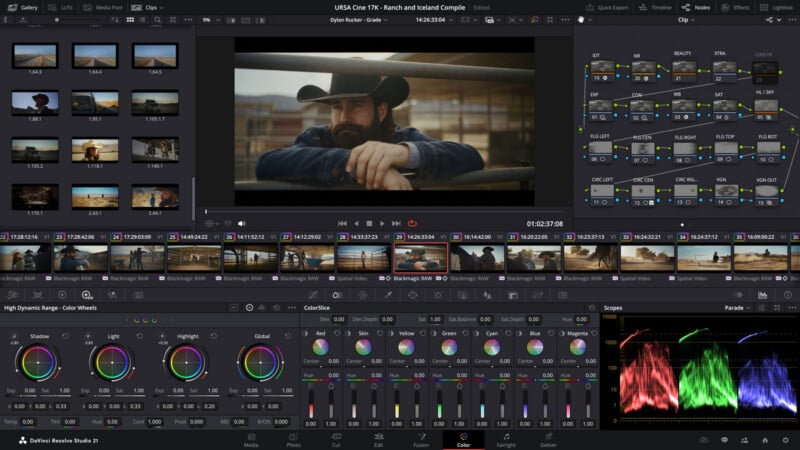
The centerpiece of the DaVinci Resolve 21 update is the brand-new Photo page. This addition allows photographers to leverage the same world-class color science and node-based workflow that Hollywood colorists have utilized for decades. Unlike traditional photo editors that rely on a linear stack of layers, Resolve’s node-based system enables users to build complex grades with greater flexibility. Nodes can be arranged in series or parallel, allowing for intricate corrections to specific parts of an image simultaneously without affecting the integrity of the overall grade.
The Photo page is not merely a cosmetic addition; it is a fully integrated environment that supports professional photography standards. Users can reframe and crop images at their original resolution and aspect ratio, ensuring that every adjustment preserves the full quality of the source file. The software provides native support for a wide range of RAW formats, allowing for non-destructive editing that maintains maximum dynamic range. Furthermore, the extensive library of Resolve FX and Open FX plugins, previously reserved for video, can now be applied to still images, alongside the platform’s robust Look-Up Table (LUT) support.
To facilitate a professional photography workflow, Blackmagic has included a LightBox view. This feature allows users to browse entire photo albums with ease, utilizing filters for edit status, star ratings, flags, and clip colors. Organization is a priority, with the ability to create albums based on specific metadata such as shoot days or camera models. Recognizing the industry’s reliance on existing ecosystems, DaVinci Resolve 21 also supports the direct import of Adobe Lightroom catalogs, easing the transition for photographers looking to consolidate their workflow.
Advanced AI-Driven Features and the DaVinci Neural Engine
Artificial intelligence continues to be a cornerstone of Blackmagic Design’s development strategy. In version 21, the DaVinci Neural Engine has been significantly upgraded to support several new features that automate tedious tasks and provide creative options previously thought impossible within an NLE.
One of the most notable additions is IntelliSearch. This AI-powered content search tool analyzes media to identify specific objects, keywords within dialogue, or even specific individuals across thousands of clips. For editors working on large-scale documentaries or feature films with hundreds of hours of footage, this tool represents a massive leap in efficiency, drastically reducing the time spent on manual logging and searching for specific takes.
The update also introduces AI CineFocus, a tool that provides editors with post-capture control over depth of field. By clicking on a specific area of a scene, users can simulate an aperture adjustment, shifting the focal range and creating a rack focus effect after the footage has been shot. This is complemented by the AI UltraSharpen tool, which is capable of upscaling low-resolution content—both video and still photos—while maintaining natural textures. It can also be used to salvage footage with minor focus errors, providing a safety net for production mishaps.
Facial Retouching and Cosmetic Enhancements
DaVinci Resolve 21 introduces highly specialized AI tools for cosmetic retouching, which are likely to find significant use in high-end commercial and fashion work. The AI Face Age Transformer allows editors to adjust the visible age of a subject, while the AI Face Reshaper provides tools to subtly alter facial features and shapes.
Furthermore, the AI Blemish Removal tool has been engineered to reduce skin imperfections such as acne, spots, and visible pores. Unlike traditional blurring techniques, this AI-driven approach is designed to retain the natural texture of the skin, preventing the "plastic" look often associated with digital retouching. While these tools offer powerful creative control, they also represent the increasing sophistication of digital manipulation in mainstream media production.
Tethering and Collaborative Workflows
For studio photographers, the inclusion of direct camera tethering is a major development. DaVinci Resolve 21 now supports live image capture from Sony and Canon cameras. When connected, the software allows for the remote adjustment of camera settings, including ISO, exposure, and white balance, directly from the interface. This integration bridges the gap between capture and post-production, allowing photographers to see their images within a professional color-graded environment the moment they are taken.
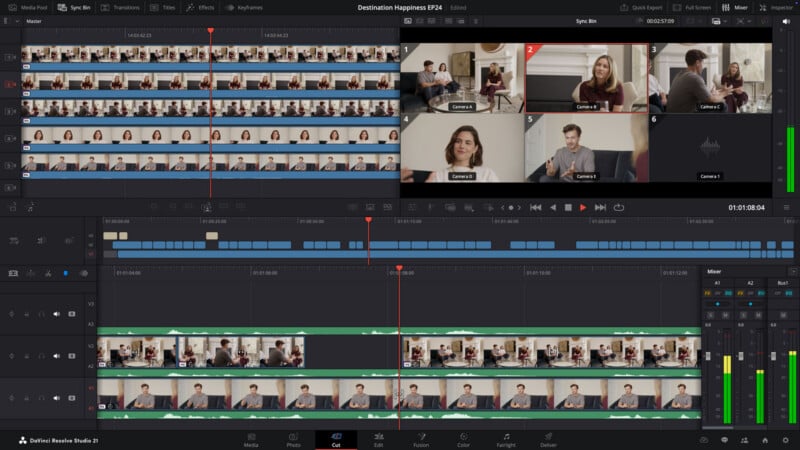
Blackmagic Design has also ensured that these new features are fully compatible with their multi-user collaboration tools. Through Blackmagic Cloud, teams of photographers, editors, and colorists can work on the same project simultaneously from different locations. This global collaboration model is further supported by the software’s ability to manage high-resolution files alongside lightweight proxies, ensuring smooth performance even over standard internet connections.
Chronology of Development and Market Context
The evolution of DaVinci Resolve from a high-end, hardware-dependent color grading system to a versatile software suite is one of the most remarkable transformations in the tech industry. Originally developed by da Vinci Systems and acquired by Blackmagic Design in 2009, the software was once a luxury item costing upwards of $100,000. Blackmagic disrupted the market by introducing a free version and a reasonably priced Studio version, democratizing professional-grade tools.
The jump to version 21 follows a consistent pattern of annual major updates, with version 18 focusing on cloud collaboration and version 19 (released in early 2024) introducing initial AI-masking features. The decision to leapfrog to version 21 with a dedicated Photo page suggests a strategic move to capture the "hybrid" market—professionals who are increasingly expected to deliver both high-quality video and photography.
Industry Analysis and Potential Implications
The introduction of photo editing into DaVinci Resolve is a direct shot across the bow of Adobe’s Creative Cloud dominance. For years, the industry standard has involved using Adobe Premiere Pro for video and Adobe Lightroom or Photoshop for photos. By integrating these capabilities into a single, non-subscription-based platform, Blackmagic is offering a compelling financial and workflow-based alternative.
Industry analysts suggest that this move could significantly impact the "prosumer" and professional markets. The $295 one-time fee for DaVinci Resolve Studio stands in stark contrast to the recurring monthly costs of subscription models. For independent creators and small production houses, the ability to handle an entire media campaign—from RAW photo processing to 8K video delivery—within a single application could result in substantial cost savings and simplified data management.
However, the transition may face hurdles. The node-based workflow, while powerful, has a steeper learning curve than the layer-based systems most photographers are accustomed to. Furthermore, while Sony and Canon tethering is a strong start, professional studio photographers using Phase One, Hasselblad, or Nikon will likely wait for expanded hardware support before fully committing to the platform.
Technical Specifications and Availability
DaVinci Resolve 21 remains a resource-intensive application, optimized for modern hardware. It leverages multi-GPU configurations and is highly optimized for Apple Silicon (M1, M2, and M3 chips) as well as the latest NVIDIA and AMD hardware. The DaVinci Neural Engine’s performance is directly tied to the capabilities of the user’s GPU, meaning that the new AI features will perform best on high-end workstations.
The public beta of DaVinci Resolve 21 is currently available for download on the Blackmagic Design website for macOS, Windows, and Linux. As per Blackmagic’s long-standing tradition, a feature-rich free version is available for those looking to explore the new tools. The full DaVinci Resolve Studio 21, which includes the complete suite of AI tools, stereoscopic 3D support, and advanced grain tools, remains priced at a one-time fee of $295. Existing Studio customers are expected to receive the update to version 21 for free, continuing Blackmagic’s policy of providing significant version upgrades at no additional cost to its user base.
As the industry moves toward more integrated media production, DaVinci Resolve 21 positions itself not just as a tool for filmmakers, but as a central hub for all digital visual arts. The success of the Photo page will ultimately depend on community adoption, but the technical foundation laid in this update suggests a bold new chapter for Blackmagic Design.

