


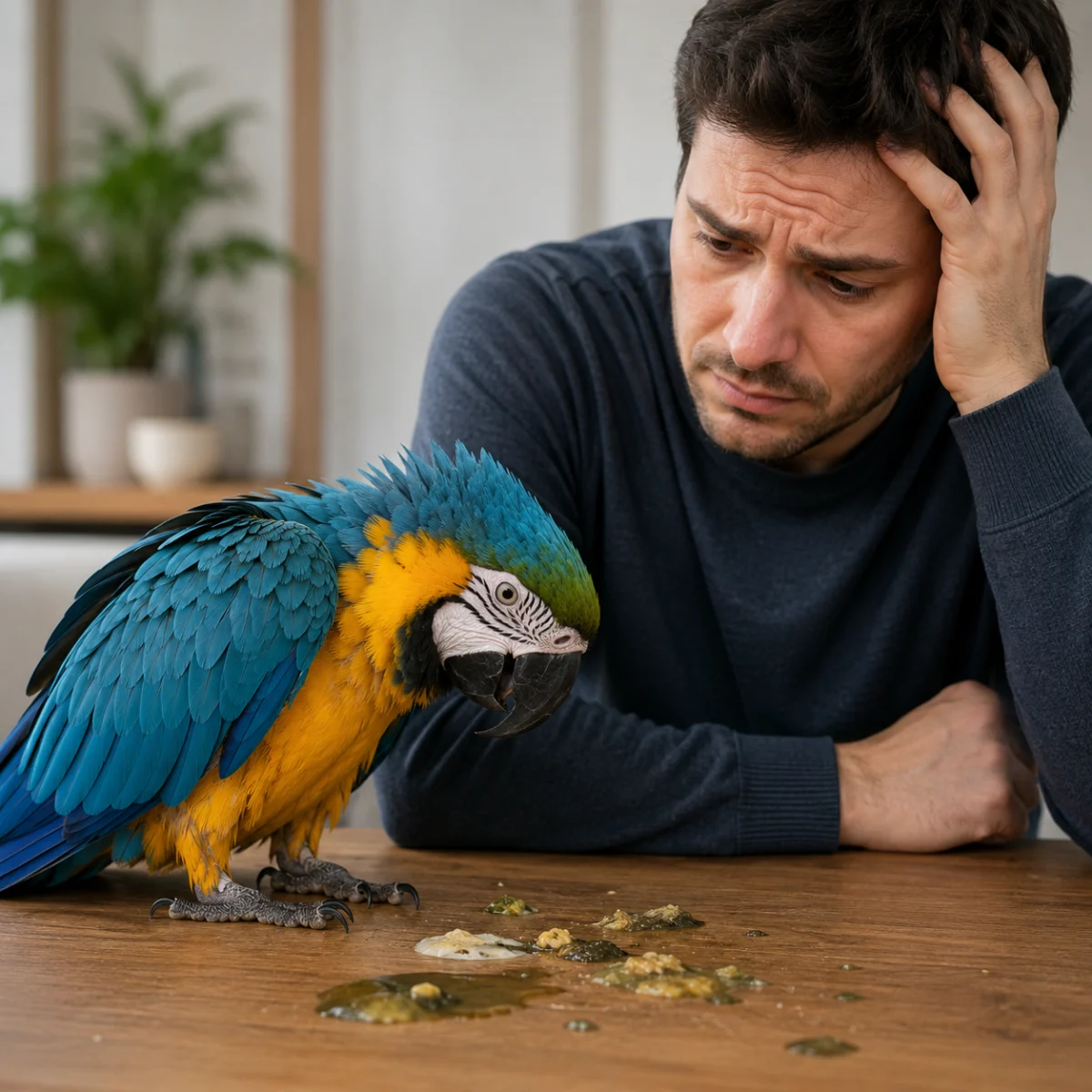
Pet birds, with their high metabolism and innate ability to mask illness, present unique challenges for their caretakers when it comes to health monitoring. Changes in droppings are often among the first and most crucial indicators of underlying health issues. This guide, drawing on the expertise of Diane Burroughs, LCSW, a licensed psychotherapist, ABA-trained behavior specialist, and founder of UnRuffledRx with over three decades of hands-on bird experience, aims to equip bird owners with the knowledge to discern normal variations from serious warning signs, facilitating timely and appropriate intervention. Published on May 25, 2026, this article emphasizes the critical need for proactive observation and swift action when a bird’s digestive health appears compromised.
For owners observing sudden alterations in their bird’s droppings—be they watery, green, loose, unusually smelly, or containing undigested food—understanding the significance of these changes is paramount. This information is intended to help differentiate between dietary shifts, environmental stress, and conditions necessitating immediate avian veterinary attention. However, it is crucial to state unequivocally that if a bird exhibits more severe symptoms such as being fluffed up, weak, refusing to eat, vomiting, sitting low on its perch, experiencing weight loss, passing blood, or consistently showing undigested seed in its droppings, these are not situations for home troubleshooting. Such signs unequivocally demand urgent consultation with an avian or exotics veterinarian.
The Unique Nature of Avian Excrement: Feces, Urates, and Urine
Unlike mammals, birds possess a cloaca, a single opening through which digestive, urinary, and reproductive waste is expelled. Consequently, a bird’s droppings are a composite of three distinct components: the fecal portion, the urates, and the liquid urine. The fecal matter is typically solid and coiled, varying in color from brown to green depending on diet. Urates, the solid white or off-white part, are the avian equivalent of urine, containing uric acid. The urine itself is the clear liquid surrounding these components. Understanding this tripartite structure is fundamental to accurately interpreting changes in droppings. An abnormal appearance in any of these components signals a potential health concern.
Decoding Watery Droppings: Polyuria Versus True Diarrhea
One of the most frequent concerns among bird owners is the observation of excessively watery droppings. The primary question often posed is, "Is this just watery poop from food, or does my bird have diarrhea?" The distinction is vital.
Watery droppings, medically termed polyuria, refer to an increase in the liquid urine portion, resulting in a larger wet patch around a normally formed fecal component and urates. This can often be attributed to less concerning factors such as:
- Dietary Influences: Increased consumption of fruits, watery vegetables (e.g., lettuce, cucumber), or fresh greens can naturally increase water intake and output.
- Increased Water Consumption: A bird might drink more water due to warmer temperatures, excitement, or mild stress.
- Stress: Acute stress can sometimes temporarily alter gut motility and water absorption, leading to polyuria.
Conversely, true diarrhea involves an abnormal, unformed, or liquid fecal component itself. The formed portion of the dropping is either absent, mushy, or completely liquid. This condition is significantly more concerning and suggests an underlying issue affecting the digestive tract’s ability to absorb water and nutrients. When evaluating watery droppings, owners should first observe the consistency of the fecal component. If it remains well-formed, even with excess liquid, polyuria is more likely. However, if the fecal portion is loose, malformed, or entirely liquid, true diarrhea is indicated. Monitoring the bird’s appetite, posture, and energy levels in conjunction with the droppings is crucial for accurate assessment.
The Grave Concern of Undigested Food in Droppings
The presence of recognizable undigested food—such as whole seeds, pellets, or identifiable food pieces—in a bird’s droppings is a serious symptom that warrants immediate attention. The avian digestive system is designed for efficient and thorough breakdown of food. After ingestion, food passes through the crop (for storage and softening), the proventriculus (the glandular stomach where digestive enzymes are added), and the ventriculus or gizzard (the muscular stomach for mechanical grinding). When food exits the body in an undigested state, it indicates a fundamental failure in this complex process.
Owners typically notice the passage of whole seeds or large fragments of pellets. This symptom should never be dismissed or masked with supplements. It can point to a range of severe conditions, including:
- Poor Grinding Efficiency: Issues with the gizzard’s function.
- Gut Disease or Infection: Bacterial, fungal, or parasitic infections that impair digestion.
- Malabsorption Syndromes: Conditions where the intestines cannot properly absorb nutrients.
- Pancreatic Problems: Insufficient production of digestive enzymes.
- Proventricular Dilatation Disease (PDD): A neurological disease affecting the nerves of the digestive tract, leading to a paralysis of the proventriculus and gizzard, preventing proper food breakdown. This is a progressive and often fatal disease.
The presence of undigested food, especially when accompanied by weight loss, vomiting, weakness, neurological changes, or a bird that eats continuously but loses condition, is a critical sign demanding prompt avian veterinary examination. Delay can have severe and irreversible consequences.
Color as a Crucial Indicator: Interpreting Avian Dropping Hues
The color of a bird’s droppings offers further diagnostic clues, though it should always be interpreted in conjunction with consistency and the bird’s overall health status. Color alone is rarely sufficient for a definitive diagnosis.
| What you see | Possible meaning | What to do |
|---|---|---|
| Green after greens | Diet pigment (e.g., spinach, kale) | Monitor if bird acts normal; likely benign. |
| Dark green with low appetite | Not enough food passing through (anorexia), illness concern | Call a vet promptly; could indicate liver disease or other systemic illness. |
| Yellow urates | Liver disease, systemic infection, dehydration, metabolic concern | Call a vet; urgent investigation needed. |
| Black or tarry stool (Melena) | Possible digested blood from upper gastrointestinal bleed | Urgent veterinary care immediately; potentially life-threatening internal bleeding. |
| Red in droppings | Food pigment (e.g., beets, berries) or fresh blood | Check recent foods; if unsure or persists after diet change, vet examination is necessary for fresh blood. |
| Grey/Clay-like feces | Pancreatic insufficiency or maldigestion | Consult an avian vet; may require enzyme supplementation or further diagnostics. |
| Excessive white/chalky urates | Dehydration, kidney problems | Monitor water intake; if persistent, consult a vet. |
Any sudden and unexplained change in dropping color, particularly if coupled with behavioral alterations, should prompt veterinary consultation. The darker green of anorexia, for instance, occurs because bile pigments are concentrated when less food moves through the digestive tract. Yellow urates can indicate liver dysfunction, chlamydiosis, or severe dehydration. Black, tarry droppings (melena) are particularly alarming, signifying digested blood from the upper gastrointestinal tract, often due to severe ulcers or internal bleeding, requiring immediate emergency care.
Distinguishing Regurgitation from Vomiting: A Critical Difference
Regurgitation and vomiting, while both involving the expulsion of stomach contents, signify vastly different underlying processes in birds. Misinterpreting these can lead to dangerous delays in treatment.
Regurgitation often looks controlled:
- It is typically a voluntary, controlled action, often accompanied by head-bobbing and neck stretching.
- The bird usually expels undigested or partially digested food from its crop, not the stomach.
- It is often a social or reproductive behavior, such as feeding a mate, offspring, or even a favored human companion or toy.
- The bird appears otherwise healthy and active before and after the act.
- The expelled food is usually clean and deposited deliberately.
Vomiting often looks messy:
- Vomiting is an involuntary, forceful, and often messy expulsion of contents from the proventriculus or ventriculus (stomach).
- It can appear projectile, shaking the bird’s head violently, and splattering food onto surrounding surfaces, feathers, or the cage bars.
- The bird often appears unwell, lethargic, fluffed up, or exhibits other signs of illness before and after vomiting.
- Vomiting is a significant sign of illness, potentially indicating infections (bacterial, viral, fungal), toxins (heavy metals, pesticides), foreign body obstruction, organ disease (liver, kidney), or systemic illness.
- Food expelled during vomiting may be more digested or contain bile.
A hormonal bird engaging in regurgitation for reproductive reasons is exhibiting normal behavior. In contrast, a sick bird vomiting indicates a serious medical problem involving the crop, stomach, liver, kidneys, or the presence of toxins, infections, or foreign material. Messy, forceful vomiting should never be confused with normal bonding behavior and necessitates immediate veterinary intervention.
Common Etiologies of Avian Digestive Distress
Digestive symptoms, while sometimes stemming from minor dietary changes, frequently serve as the initial visible manifestation of serious underlying diseases. Understanding the common causes is key to prevention and rapid response.
- Dietary Changes or Watery Foods: Abrupt changes in diet, introduction of new fruits or vegetables with high water content, or increased drinking can alter the liquid portion of droppings, leading to polyuria. While often benign, careful observation is warranted.
- Spoiled Food or Dirty Dishes: Avian digestive systems are sensitive to microbial contaminants. Wet chop, soft foods, sprouts, and water left in dishes for too long can quickly become breeding grounds for harmful bacteria and fungi. Digestive upset following exposure to potentially spoiled food or unclean dishes demands prompt attention.
- Bacterial, Fungal, Viral, or Parasitic Disease: Infections are a leading cause of avian digestive problems.
- Bacterial: Salmonella, E. coli, Clostridium, or Campylobacter can cause severe diarrhea, appetite loss, weight loss, and lethargy.
- Fungal: Candida (yeast infections) is common, especially in young birds or those on antibiotics, leading to crop stasis or vomiting. Aspergillus is a serious respiratory and systemic fungal infection that can also impact the digestive tract.
- Viral: Viruses like Polyomavirus, Psittacine Beak and Feather Disease (PBFD), or Pacheco’s disease can have profound digestive manifestations. Proventricular Dilatation Disease (PDD) is also viral in origin.
- Parasitic: Internal parasites such as Giardia, Coccidia, roundworms, and tapeworms can cause chronic diarrhea, weight loss, and poor feather condition.
- Toxins or Metal Exposure: Birds are highly susceptible to toxins due to their small size and efficient respiratory systems. Exposure to lead (e.g., from old paint, costume jewelry, stained glass), zinc (e.g., from galvanized cages, clips, some toys), pesticides, unsafe household plants, certain medications, or household chemicals can trigger acute symptoms including vomiting, abnormal droppings, weakness, and severe neurological signs.
- Foreign Material or Obstruction: Birds are naturally curious and often chew on objects in their environment. Ingesting non-food items such as rope fibers, bedding material, toy parts, wood pieces, or other small objects can irritate or, more dangerously, obstruct the digestive tract. Obstruction can lead to severe discomfort, inability to pass food, vomiting, and potentially fatal consequences.
- Proventricular Disease or Malabsorption Syndromes: Conditions like Proventricular Dilatation Disease (PDD), often referred to as Macaw Wasting Disease, are neurological disorders affecting the digestive system, leading to maldigestion and malabsorption. Symptoms include undigested food in droppings, progressive weight loss despite a good appetite, vomiting, weakness, and neurological signs. Other malabsorption issues can stem from chronic inflammation or damage to the intestinal lining.
Immediate Steps for Concerned Bird Owners
When digestive symptoms emerge, the goal is to gather useful information without delaying critical care if the bird appears sick.
- Observe and Document: Carefully note all changes in droppings (color, consistency, volume, frequency). Photograph the droppings for your vet. Document the bird’s overall behavior: appetite, water intake, activity level, posture, vocalizations, and any signs of lethargy, fluffing, or weakness.
- Isolate if Multi-Bird Household: If you have multiple birds, isolate the affected bird immediately to prevent potential spread of infectious agents.
- Ensure Warmth and Quiet: A sick bird benefits from a warm, quiet environment to minimize stress and conserve energy. A brooder or hospital cage with a supplemental heat source (e.g., ceramic heat emitter, heat lamp positioned safely) can be beneficial, maintaining temperatures around 85-90°F (29-32°C), but ensure the bird can move away from the heat if it becomes too warm.
- Clean Cage Thoroughly: Remove all old food, change cage liners, and clean dishes with a pet-safe disinfectant. This prevents further exposure to potential pathogens and allows for easier monitoring of new droppings.
- Review Diet and Environment: Consider any recent changes in diet, new toys, exposure to household cleaners, or contact with other animals or people. This information is invaluable for your veterinarian.
- Prepare for Vet Visit: If veterinary care is deemed necessary, be prepared to bring the bird in its own cage or a small, secure carrier. If possible and safe, collect a fresh dropping sample (within 1-2 hours) on wax paper or a non-absorbent surface. Do not contaminate it with litter.
The Role of Probiotics in Avian Gut Health
Probiotics are beneficial microorganisms that, when administered in adequate amounts, confer a health benefit on the host, primarily by supporting a balanced gut flora. They may be useful in certain situations:
- After Antibiotic Treatment: Antibiotics can deplete beneficial gut bacteria, and probiotics can help restore balance.
- During Stress: Periods of stress can disrupt gut flora, and probiotics may offer support.
- Dietary Disruptions: Minor diet changes might be buffered by probiotic supplementation.
However, it is crucial to understand that probiotics are not a cure-all or a substitute for veterinary diagnosis and treatment. They cannot fix issues stemming from toxins, foreign body obstruction, parasites, severe proventricular disease, liver disease, active vomiting, or significant weight loss. Their best use is as a supportive measure for gut health, not as a diagnostic tool or a delay tactic for veterinary care when a bird is visibly ill. Administering probiotics to a bird with a serious underlying condition can delay crucial treatment and worsen the prognosis.
When to Seek Professional Avian Veterinary Care
The overarching rule for avian health is simple: abnormal droppings alone may be a clue, but abnormal droppings coupled with a bird acting sick is a veterinary emergency. Bird owners must be acutely aware of "red flag" symptoms that signal the need for immediate professional intervention.
Digestive symptoms escalate in seriousness when accompanied by behavioral changes, indicating a systemic illness rather than a minor upset. Consult an avian veterinarian immediately if you observe:
- Persistent Lethargy or Weakness: The bird is less active, sleeps more, or struggles to perch.
- Fluffed-up Appearance: A bird constantly fluffed, even when warm, is trying to conserve energy and is likely ill.
- Significant Weight Loss: Often noticed as a prominent keel bone, indicating the bird is not absorbing nutrients or not eating enough.
- Vomiting: Forceful, messy expulsion of food, especially if repeated.
- Persistent Undigested Food: Consistent presence of whole seeds or food particles in droppings.
- Blood in Droppings: Any sign of fresh red blood or black, tarry droppings (digested blood).
- Difficulty Breathing: Open-mouth breathing, tail bobbing, or labored breaths.
- Neurological Changes: Tremors, seizures, imbalance, or paralysis.
- Lack of Appetite or Water Intake: Refusal to eat or drink for more than a few hours.
- Sitting Low or Huddled: The bird is not perching normally, sitting on the cage floor, or huddling in a corner.
These signs indicate a critical state where early diagnosis and treatment are paramount. Avian veterinarians possess specialized knowledge of bird physiology and diseases, offering diagnostic tools such as fecal analysis, blood tests, radiographs, and endoscopy that are essential for accurate identification of the problem.
The Broader Implications of Avian Health Monitoring
Effective monitoring of a bird’s digestive health is not merely about reacting to illness; it is a cornerstone of responsible bird ownership and preventative care. Birds are prey animals, instinctively hiding signs of weakness until their condition is severe. This evolutionary trait makes early detection challenging but even more critical. Delays in seeking professional care can transform a treatable condition into a life-threatening emergency, leading to prolonged suffering for the bird and significant emotional and financial strain for the owner.
Regular health check-ups with an avian veterinarian, consistent daily observation, and maintaining a clean, stimulating environment with a balanced diet are essential preventative measures. Understanding the nuances of avian droppings, as highlighted by experts like Diane Burroughs, empowers owners to act as their bird’s primary healthcare advocate, recognizing subtle cues that could signal a deeper problem. This proactive approach not only safeguards the bird’s well-being but also strengthens the unique bond shared between bird and owner.
Further Reading:
- Merck Veterinary Manual. Digestive Disorders of Pet Birds.
- Merck Veterinary Manual. Differential Diagnoses for Regurgitation in Pet Birds.
- Harrison & Lightfoot. Clinical Avian Medicine: Gastroenterology.
- VCA Animal Hospitals. Proventricular Dilatation Disease in Birds.

