


Bringing home a new pair of rats marks the beginning of an exciting and rewarding journey for any pet enthusiast. While the initial excitement is palpable, it’s also common for new owners to be inundated with questions and uncertainties about their new companions’ behavior and care. This guide aims to demystify the crucial first days, weeks, and months of rat ownership, providing a structured approach to building a strong bond and ensuring the well-being of your new furry friends.
The Crucial First Homecoming: Establishing a Secure Foundation
The moment you bring your new rats home is a significant transition for them. They are leaving a familiar environment, potentially their littermates and the only home they’ve ever known, to enter a completely new world filled with unfamiliar sights, sounds, and smells. It is paramount to approach this transition with patience and understanding, prioritizing their comfort and sense of security above all else.
Understanding Initial Anxiety: It is entirely normal for newly acquired rats to exhibit signs of apprehension. This can manifest as hiding, darting away from sudden movements, or a general wariness of their surroundings and new human caretakers. This behavior is not a reflection of their personality or a sign of aggression, but rather a natural instinct for survival. In the wild, unfamiliar environments and potential threats necessitate caution.
The Cage as a Sanctuary: The first destination for your new rats should be their prepared cage. This space, already equipped with food, water, bedding, and enrichment items, serves as their initial safe haven. Introducing them directly into this familiar setup, even if it’s new to them, allows them to begin establishing a sense of territory and control.
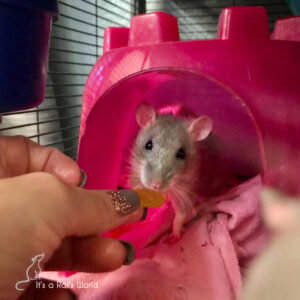
Gradual Introduction and Positive Association: While the urge to immediately interact, cuddle, and shower your rats with affection is strong, it is crucial to avoid overwhelming them. Allow them time to explore their new cage at their own pace. You can remain present, speaking in a calm, gentle tone, and perhaps offering a small, palatable treat. This passive presence helps them associate your scent and voice with safety and positive experiences. Introducing them to essential amenities like their food dish, water source, and litter box within this secure environment can also help them acclimate more quickly.

Beyond the Cage: The Art of Gradual Engagement
Once your rats have had some time to explore their cage and begin to settle in, the next phase involves carefully expanding their comfort zone and initiating interaction. The duration and intensity of this phase depend heavily on the individual rats’ temperaments and the stress levels they may have experienced during transport.
Assessing Travel Stress: If your rats were acquired locally and the travel time was minimal, they might be ready for more direct interaction sooner. However, if they endured a lengthy journey, providing an additional 30 to 60 minutes for them to decompress within their cage is a prudent measure. This allows them to regulate their stress responses and feel more secure before engaging with their new environment outside the cage.
Following Their Lead: The key principle at this stage is to follow your rats’ cues. Some rats will readily venture out of their cage, eager to explore, while others may remain hesitant. Forcing interaction can be counterproductive and instill further fear. Instead, create opportunities for positive engagement that allow them to initiate contact. This might involve sitting near their cage with the door open, offering treats through the bars, or gently placing a hand inside the cage without attempting to grab them.
Understanding Rat Behavior: What to Expect in the First Month
The initial days and weeks with new rats are a period of significant learning and adjustment for both the pets and their owners. Understanding the typical behavioral patterns can help alleviate anxiety and foster a more effective bonding process.
Variability in Personalities: It is essential to recognize that each rat possesses a unique personality. Some rats are naturally bold and curious, quickly adapting to new surroundings and readily forming bonds with their human companions. Others may be more reserved, requiring more time and patience to build trust. It is common for rats to exhibit a blend of caution and bravery, gradually warming up to their owners as they feel more secure.
The Importance of Proactive Interaction: Contrary to what some may believe, a hands-off approach for an extended period is detrimental to building a trusting relationship. Rats, like all social animals, thrive on interaction and positive reinforcement. If your rats are fearful, hiding, or attempting to escape your grasp, it is crucial to remember that their instinct to retreat is a survival mechanism. Your role is to actively demonstrate that you are a source of safety and positive experiences. Consistent, gentle interaction from Day 1 is vital. This includes daily opportunities for them to leave their cage, be held, and receive affection.

Addressing Fear and Nervousness: If your rats are exhibiting signs of fear, such as hiding in the corners of their cage, fleeing from your approach, or struggling when you attempt to hold them, it is important not to be discouraged. These behaviors can be overcome with consistent effort and understanding. Resources such as "Helping A Scared Pet Rat" and "Honoring Your Rat’s Personal Space" (as referenced in the original content) can provide invaluable strategies for building confidence and trust with timid rats.
The Myth of Biting: A common misconception among new rat owners is that rats are prone to biting. While any animal can bite when feeling threatened or cornered, rats are not inherently aggressive. Fear is often the primary driver of biting behavior. By avoiding situations that provoke fear and instead focusing on positive reinforcement and gentle handling, the likelihood of biting can be significantly reduced. Resources like "Do Pet Rats Bite?" can offer further clarification and boost confidence in handling potentially fearful rats.
Quirks and Considerations: Navigating Unique Rat Behaviors
Beyond general behavioral patterns, rats exhibit certain quirks that new owners may find surprising. Understanding these traits can prevent misunderstandings and ensure a harmonious living environment.
The Fascination with Sock-Covered Feet: A peculiar but common behavior among rats is their fondness for nipping at sock-covered feet. This is generally not an aggressive act but rather an exploratory or playful behavior. It is important to note that this nibbling is usually superficial and rarely breaks the skin. Recognizing this as a quirk rather than an attack can prevent unnecessary alarm and foster a more relaxed approach to interacting with your rats.
Sensitivity to Chemical Fumes: Some rats may react negatively to strong chemical smells, such as those from nail polish remover. They might nip at fingers or toes in proximity to these substances, not out of malice, but due to their poor eyesight and sensitivity to the fumes, which can be disturbing. It is advisable to avoid using such products when your rats are nearby to prevent any distress or negative interactions.
Essential Care Practices: Ensuring Health and Well-being
Consistent and proper care is fundamental to the health, happiness, and longevity of your pet rats. This includes diligent cage maintenance, a balanced diet, and appropriate veterinary care.
Cage Cleaning: A Non-Negotiable Task
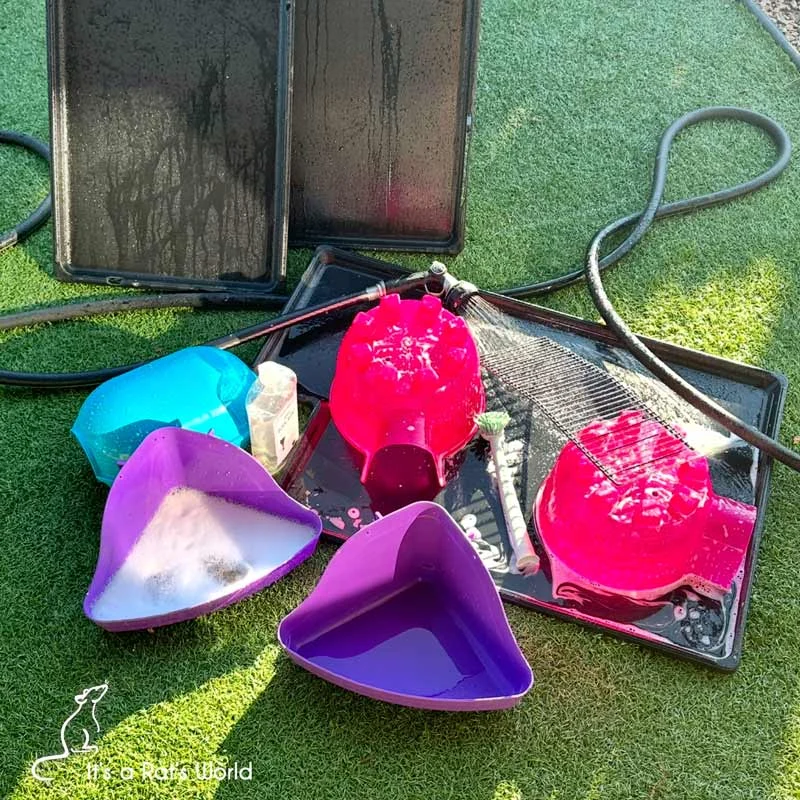
Maintaining a clean living environment is paramount for preventing odor buildup, controlling waste, and promoting the overall health of your rats.
- Daily Spot Cleaning: Implementing daily spot cleaning, which involves removing soiled bedding and waste, is the most effective strategy for managing smell and preventing extensive messes. Even a few times a week can make a significant difference.
- Frequency of Full Cleanings: The frequency of complete cage cleanings will vary based on several factors, including the number of rats, their litter box usage, their individual habits, and even their sex, as males tend to mark more frequently. Comprehensive guidance on establishing a cleaning schedule can be found in resources dedicated to keeping rat habitats clean.
- Optimal Cage Placement: The location of your rats’ cage also plays a role in their comfort and the overall ambiance of your home. Articles on "Rats and Home Ambience" and "Rats and The Air" can offer insights into selecting the most suitable environment.
Nutrition: Fueling a Healthy Lifestyle
Rats have rapid metabolisms and benefit from a diet that supports their energy needs and overall health.
- Scheduled Feedings: Dividing their main staple diet into two daily meals (breakfast and dinner) can help regulate their intake. While rats are grazers, some are prone to overeating, and scheduled feedings can encourage more controlled consumption.
- Incorporating Fruits and Vegetables: Fresh fruits and vegetables can be incorporated into their meals or offered as healthy snacks throughout the day. A varied diet is key to ensuring they receive a broad spectrum of nutrients.
- Expert Guidance: For in-depth dietary recommendations, consulting established resources like the Rat Guide’s articles on nutrition and sample daily menus is highly recommended. These resources provide detailed information on appropriate food choices and portion sizes.
Veterinary Care: A Proactive Approach
Ensuring your rats receive prompt and appropriate veterinary attention is crucial for their long-term health.
- Assessing the Need for Immediate Care: If your rats were acquired from a reputable rescue organization that adheres to quarantine protocols and provides pre-adoption medical care, an immediate vet visit may not be necessary. However, if they originated from less reputable sources, such as pet stores, unknown breeders, or individuals unable to provide adequate care, a veterinary check-up is advisable.
- Recognizing Respiratory Issues: Stress can compromise a rat’s immune system, potentially leading to respiratory flare-ups. Symptoms such as sneezing, noisy breathing, wheezing, or crackling sounds within the first few weeks of adoption warrant prompt veterinary attention.
- Long-Term Planning: It is wise to begin setting aside funds for future veterinary needs, as rats can be prone to certain health conditions that may require ongoing treatment.
Building Lasting Bonds: From Tentative Interactions to Deep Affection
The ultimate goal of bringing pet rats into your home is to foster a strong, loving bond. This requires consistent effort, patience, and a willingness to learn your rats’ unique communication styles.
Gentle Handling Techniques: As you move from observing your rats to physically interacting with them, it’s natural to feel a bit unsure about how to handle their small, delicate bodies and sharp nails. Resources like "How To Pet Your Rats" can guide you through the proper techniques for gentle stroking and comfortable holding, ensuring their safety and your confidence.
Creating a Rat-Friendly Play Environment: Beyond cage time, providing supervised out-of-cage playtime is essential for their physical and mental stimulation, as well as for strengthening your bond. Creating dedicated play areas, such as "rat playgrounds" or designated safe zones within your home, allows for extended periods of interaction. Utilizing furniture in a safe manner, as suggested in articles about play areas, can facilitate hours of cherished moments together.

Understanding Rat Communication: Rats communicate in a variety of ways, from subtle body language to vocalizations. Learning to interpret these signals is key to understanding their needs and emotions. As you spend more time with your rats, you will become more adept at recognizing their individual communication patterns, fostering a deeper connection.
In conclusion, the journey of welcoming pet rats into your life is a continuous learning process. By approaching their initial days with patience, understanding their behavioral needs, and committing to consistent, positive care, you will lay the foundation for a deep and rewarding companionship. Embrace the adventure, spoil your new companions, and enjoy the unique joy that these intelligent and affectionate creatures bring.

