


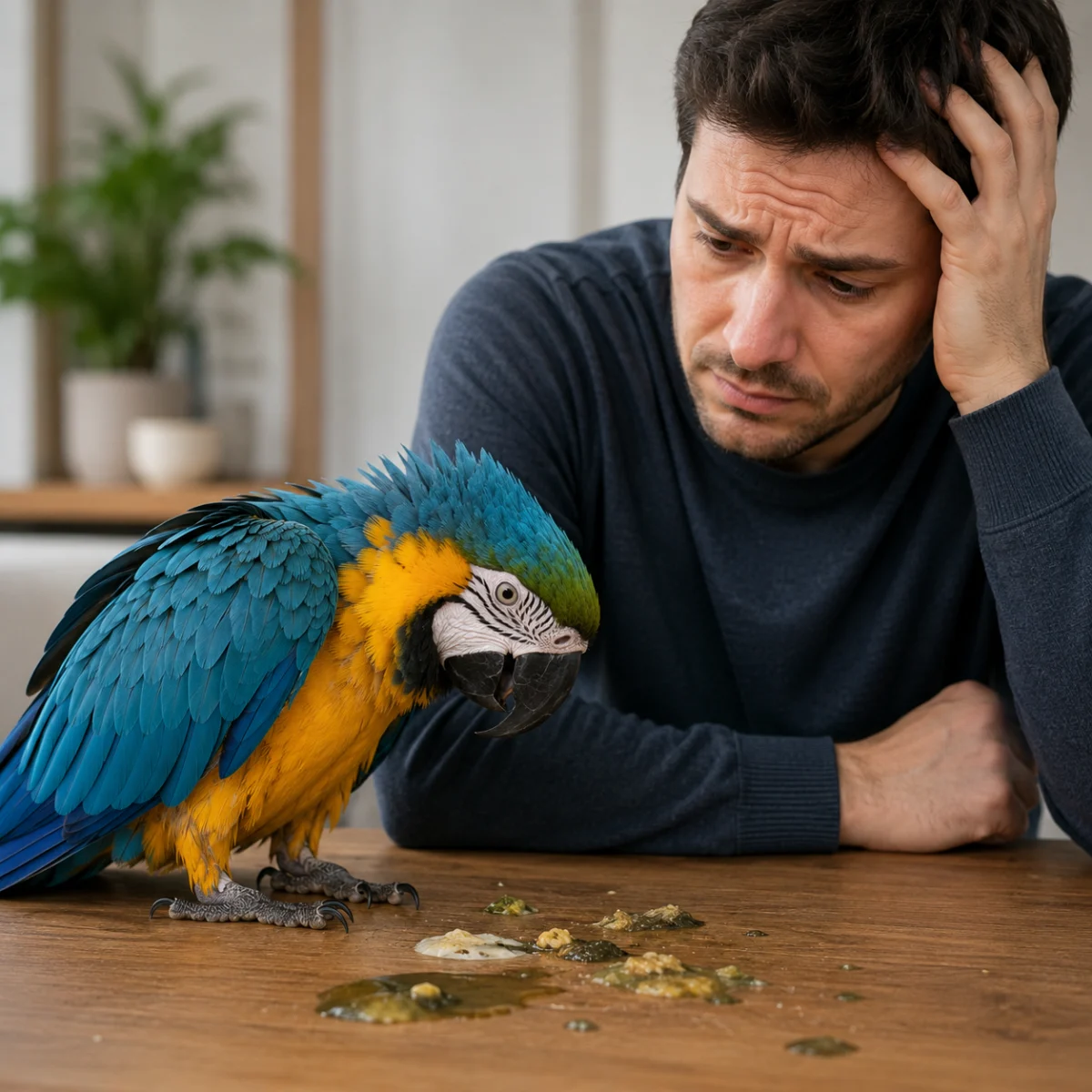
Understanding the nuances of a bird’s digestive health is paramount for responsible pet ownership, as subtle changes in droppings or behavior can often be the earliest indicators of underlying illness. Unlike mammals, birds possess a unique digestive system where feces, urine, and urates are expelled simultaneously, making the interpretation of their droppings a specialized skill. This guide aims to provide bird owners with a detailed understanding of common avian digestive issues, distinguishing between benign variations and critical signs requiring immediate veterinary intervention.
The Unique Avian Digestive System and Normal Droppings
A bird’s digestive tract is remarkably efficient, designed for rapid processing of food to maintain a lightweight body for flight. Food travels from the beak to the esophagus, often passing into a crop for storage and softening. From there, it enters the proventriculus (true stomach) for chemical digestion, then the gizzard for mechanical grinding. Nutrient absorption occurs in the small intestine, followed by the large intestine, and finally, waste is expelled through the cloaca.
Normal bird droppings typically consist of three distinct components:
- Feces: The solid, usually coiled or cylindrical part, varying in color from dark green to brown or black, depending on diet.
- Urates: The white, pasty, crystalline portion, representing excreted uric acid, the avian equivalent of urine.
- Urine: The clear liquid component, often surrounding the feces and urates.
Variations in any of these components can signal digestive distress. Early recognition of these changes, combined with an assessment of the bird’s overall demeanor, can be life-saving.
Decoding Dropping Abnormalities: Watery Poop vs. Diarrhea
One of the most frequent concerns for bird owners is the appearance of watery droppings. It is crucial to differentiate between increased liquid (polyuria) and true diarrhea, where the fecal component itself is unformed and watery.
- Polyuria (Increased Urine): This condition manifests as an excess clear liquid surrounding the formed fecal portion and urates. It can be a benign response to dietary changes, such as increased intake of fruits, watery vegetables, or greens, which naturally contain higher moisture content. Stress, excitement, or even increased water consumption can also temporarily lead to polyuria. In these instances, the fecal component remains well-formed. Owners should monitor if the bird’s appetite, energy levels, and posture remain normal. If the bird is otherwise active and eating well, a dietary adjustment or temporary stressor is often the cause.
- True Diarrhea: This is a more concerning sign, characterized by a fecal portion that is loose, unformed, and often watery, rather than just being surrounded by excess liquid. True diarrhea indicates that the digestive system is not absorbing water or nutrients properly, or that gut motility is excessively rapid. This can be caused by infections (bacterial, viral, fungal, parasitic), inflammation, or malabsorption issues. The distinction is critical: while polyuria often resolves with minor adjustments, true diarrhea warrants closer scrutiny and often veterinary intervention.
The Significance of Undigested Food in Droppings
The presence of recognizable food particles, such as whole seeds, pellets, or pieces of vegetables, in a bird’s droppings is a serious concern that should prompt immediate veterinary attention. The avian digestive process is designed to thoroughly break down food into absorbable nutrients. When undigested food appears, it signals a failure at some stage of this complex process.
Common observations by owners include:
- Whole or partially digested seeds appearing in the feces.
- Visible pieces of fruits, vegetables, or pellets that seem to have passed through unchanged.
- A general sense that the bird is eating but not thriving, potentially accompanied by weight loss.
Why this matters profoundly:
- Maldigestion: Issues with the proventriculus or gizzard can prevent proper breakdown of food. Diseases like Proventricular Dilatation Disease (PDD), also known as Macaw Wasting Disease, specifically target the nerves supplying these organs, leading to impaired motility and digestion.
- Malabsorption: Problems in the intestines due to inflammation, infection, or other diseases can hinder the absorption of nutrients, causing food to pass through undigested.
- Pancreatic Insufficiency: The pancreas produces enzymes essential for digestion. A malfunctioning pancreas can lead to maldigestion.
- Infections: Bacterial, fungal, or parasitic infections can damage the intestinal lining, impairing both digestion and absorption.
- Foreign Material/Obstruction: While less common for undigested food directly, blockages can disrupt the normal flow and processing of ingesta.
If undigested food is observed, especially when coupled with other signs like weight loss, vomiting, lethargy, or neurological changes, it represents a veterinary emergency. Delaying care can lead to rapid deterioration of the bird’s condition due to malnutrition and progression of the underlying disease.
Color Clues: Interpreting Abnormal Dropping Hues
The color of a bird’s droppings can offer vital clues, but it must always be interpreted in conjunction with recent diet and the bird’s overall health. Color changes alone are often less concerning than color changes accompanied by behavioral shifts.
- Green Droppings:
- Dietary Green: A common and benign cause is a diet rich in green leafy vegetables, spinach, or certain types of pellets containing green dyes. If the bird is otherwise active and healthy, this is usually normal.
- Dark Green/Black-Green with Low Appetite: This is highly concerning. It can indicate anorexia or reduced food intake, where bile pigments (normally diluted by food passing through) become concentrated. It’s often a sign of illness and requires veterinary consultation.
- Yellow Urates: The white urates should be pristine. A yellow tinge can point to liver disease, bacterial infections, dehydration, or other metabolic disturbances. This is a significant indicator that warrants a prompt veterinary assessment.
- Black or Tarry Stool (Melena): This typically indicates the presence of digested blood originating from the upper digestive tract (proventriculus, gizzard, or upper small intestine). The blood is digested, turning it dark and tarry. This is an urgent veterinary emergency, as it signifies significant internal bleeding.
- Red in Droppings:
- Dietary Red: Recent consumption of red fruits (cherries, berries), vegetables (beets), or colored pellets can temporarily tint droppings red.
- Bright Red Blood: Frank, undigested blood in the droppings is an emergency, indicating bleeding in the lower digestive tract (lower intestine, cloaca). Causes can include severe inflammation, trauma, tumors, or clotting disorders.
- Clay-Colored or Grey Droppings: Can sometimes indicate issues with bile production or flow, potentially related to liver or pancreatic problems.
Distinguishing Regurgitation from Vomiting
Regurgitation and vomiting, while both involving expulsion of stomach contents, arise from different physiological mechanisms and carry vastly different implications for a bird’s health.
- Regurgitation: This is often a voluntary or semi-voluntary action, usually a natural and healthy behavior. It typically looks controlled and purposeful.
- Behavioral Context: Often occurs during courtship rituals, where a bird feeds its mate or offspring. Pet birds may regurgitate to their human companions or favorite toys as a sign of affection or bonding.
- Appearance: The bird stretches its neck, bobs its head, and expels undigested or partially digested food from the crop. The expelled material is usually warm and relatively intact, and the bird appears otherwise normal and healthy immediately afterward.
- Cleanliness: The process is often neat, with the bird aiming the food at a specific recipient.
- Vomiting: This is an involuntary, often forceful expulsion of contents from the proventriculus or gizzard, indicative of illness.
- Behavioral Context: The bird usually appears unwell, often fluffed up, lethargic, weak, and may shake its head or wipe its beak excessively.
- Appearance: The expelled material is often digested or partially digested, mixed with mucus, and may be watery or foamy. It can be sprayed in multiple directions.
- Cleanliness: Vomiting is typically messy, often adhering to feathers around the face or chest, or splattered within the cage.
- Underlying Causes: Vomiting can be triggered by infections (bacterial, viral, fungal, parasitic), toxins (heavy metals, spoiled food), organ disease (liver, kidney), foreign body obstruction, inflammation, or certain medications.
Treating messy, involuntary vomiting as a normal bonding behavior can delay critical veterinary care. Any bird exhibiting signs of true vomiting requires immediate attention from an avian veterinarian.
Common Etiologies of Avian Digestive Problems
Digestive symptoms are often the first visible manifestations of a wide range of health issues in birds. Understanding the common causes is key to prevention and appropriate response.
-
Dietary Imbalances or Changes:
- Sudden Dietary Shifts: Abrupt changes to a bird’s diet, especially introducing new foods or increasing watery items like fruits and greens, can temporarily alter droppings.
- Poor Quality Diet: Diets primarily composed of seeds are notoriously deficient in essential nutrients and can lead to long-term digestive and organ problems.
- Spoiled or Contaminated Food: Wet chop, soft foods, or sprouts left out too long can quickly harbor harmful bacteria or fungi, leading to acute digestive upset. Dirty water dishes are also a common source of microbial contamination.
-
Infectious Diseases:
- Bacterial Infections: Common culprits include E. coli, Salmonella, Clostridium, and Pseudomonas. These can cause enteritis, leading to diarrhea, vomiting, appetite loss, and weight loss.
- Fungal Infections: Candida albicans (yeast infection) is common, particularly in the crop, and can cause regurgitation, vomiting, and digestive upset.
- Viral Infections: Viruses like Avian Polyomavirus, Pacheco’s disease, or Proventricular Dilatation Disease (PDD) can severely impact the digestive system. PDD, for instance, causes inflammation of nerve ganglia in the digestive tract, leading to maldigestion.
- Parasitic Infections: Giardia, Coccidia, and various intestinal worms can irritate the gut lining, causing diarrhea, weight loss, and poor nutrient absorption.
-
Toxic Exposures:
- Heavy Metals: Lead and zinc poisoning (from galvanized cages, old paint, costume jewelry, toys) are common in pet birds. Symptoms often include vomiting, abnormal droppings (often greenish), neurological signs, and weakness.
- Pesticides and Household Chemicals: Exposure to cleaning products, aerosols, or garden chemicals can lead to acute digestive distress, neurological symptoms, and collapse.
- Unsafe Plants: Many common houseplants are toxic to birds and can cause gastrointestinal irritation if ingested.
- Medications: Overdosing or adverse reactions to certain medications can also manifest as digestive issues.
-
Foreign Body Ingestion or Obstruction:
- Birds are curious and prone to chewing. Ingesting indigestible materials like rope fibers (from toys), bedding, small toy parts, or wood pieces can irritate the digestive tract or cause a partial or complete obstruction. Symptoms include vomiting, regurgitation, anorexia, straining, and lethargy.
-
Organ-Specific Diseases:
- Proventricular Dilatation Disease (PDD): As mentioned, this neuropathic disease primarily affects the proventriculus and gizzard, leading to severe maldigestion, weight loss despite a good appetite, and often neurological signs.
- Liver Disease: The liver plays a crucial role in metabolism and digestion. Liver disease can manifest as yellow urates, poor appetite, weight loss, and general malaise.
- Kidney Disease: Can lead to increased urine output (polyuria) and dehydration.
The Critical Role of Early Intervention
Birds are masters at masking illness, a survival instinct honed in the wild to avoid appearing vulnerable to predators. By the time a bird overtly displays symptoms like lethargy, fluffed feathers, or persistent digestive issues, the underlying condition may be advanced. This makes early detection of subtle changes in droppings and behavior absolutely vital. Prompt veterinary intervention significantly improves the prognosis for many avian diseases. Delaying care can lead to rapid decline, making treatment more challenging and less effective.
Practical Steps for Bird Owners: What You Can Do Right Now
When you observe changes in your bird’s droppings or behavior, the immediate goal is to gather information without delaying professional care if the bird appears sick.
-
Observe Thoroughly:
- Droppings: Note the exact appearance (color, consistency of fecal part, amount of urine/urates), frequency, and location within the cage.
- Appetite and Water Intake: Is the bird eating and drinking normally? Any changes in quantity or preference?
- Behavior and Energy Levels: Is the bird active, vocal, and interacting as usual? Or is it quiet, fluffed up, lethargic, sitting low on the perch, or sleeping more?
- Posture and Appearance: Any fluffed feathers, drooping wings, squinting eyes, or changes in balance?
- Vomiting vs. Regurgitation: Carefully distinguish between these two.
-
Document: Take clear photographs of the abnormal droppings. If possible, collect a fresh sample in a clean, dry container. Keep a log of observations, including the date and time of changes, what the bird has eaten recently, and any new stressors.
-
Review Diet and Environment:
- Dietary Check: Recall any recent changes in food, new treats, or increased intake of watery items. Ensure the diet is balanced and appropriate for the species.
- Food Freshness: Discard any spoiled or old soft foods, sprouts, or chop. Clean all food and water dishes thoroughly with soap and water daily.
- Environmental Stressors: Identify any recent changes in the home environment that could cause stress (new pets, new people, cage relocation, loud noises).
-
Isolate (If Multiple Birds): If you have multiple birds, and one is showing signs of illness, it is prudent to isolate the sick bird to prevent potential spread of infectious agents.
What to Bring to the Vet:
When scheduling an avian veterinary appointment, be prepared with:
- Fresh Dropping Samples: Collect within 24 hours, if possible.
- Photos/Videos: Clear images of droppings and any abnormal behaviors (e.g., vomiting, lethargy).
- Detailed History: A log of symptoms, their onset, duration, diet, environment, and any medications given.
- Current Diet Information: Brand of pellets, types of seeds, fruits, vegetables, and supplements offered.
- Previous Medical Records: If visiting a new vet.
The Role of Probiotics in Avian Health
Probiotics, beneficial microorganisms intended to support gut health, can play a supportive role in avian care, particularly in certain circumstances. They work by introducing or promoting a healthy balance of gut flora.
- Best Use Cases: Probiotics may be beneficial after a course of antibiotics (which can deplete beneficial bacteria), during periods of stress, or following dietary disruptions. They can help re-establish a healthy microbial environment in the gut, potentially aiding digestion and immune function.
- Limitations: It is crucial to understand that probiotics are not a cure-all. They are not a substitute for veterinary diagnosis and treatment for serious conditions like infections, organ disease, toxicities, or obstructions. They cannot fix structural problems or severe pathological processes.
- Caution: Administering probiotics should not delay professional veterinary care when a bird is visibly sick. Using them as a first-line treatment for a seriously ill bird can waste precious time and worsen the prognosis. Always consult an avian vet before starting any new supplement regimen, especially when symptoms are present.
When to Stop Troubleshooting and Call a Vet
The "plain rule" for avian health is straightforward: abnormal droppings alone may be a clue, but abnormal droppings plus a bird acting sick is a veterinary emergency. Digestive symptoms become significantly more serious when accompanied by behavioral changes.
Immediate Veterinary Consultation is Required If You Observe:
- Persistent Lethargy or Weakness: Bird is quiet, inactive, or struggles to perch.
- Fluffed Feathers: A bird constantly fluffed up, even when not sleeping, is often trying to conserve body heat due to illness.
- Loss of Appetite (Anorexia): Refusal to eat or significantly reduced food intake.
- Persistent Vomiting or Regurgitation: Especially if messy or forceful.
- Weight Loss: Noticeable loss of muscle mass, or a decrease in monitored weight.
- Undigested Food in Droppings: A consistent presence of recognizable food particles.
- Changes in Posture: Sitting low on the perch, hunched over, or unable to maintain balance.
- Blood in Droppings: Any bright red blood or black, tarry stools.
- Difficulty Breathing: Open-mouthed breathing, tail bobbing, or labored breaths.
- Neurological Signs: Tremors, seizures, head tilt, or loss of coordination.
- Sudden Change in Vocalization or Behavior: Unusual quietness, aggression, or self-mutilation.
These signs indicate a bird whose condition is likely deteriorating and requires urgent professional assessment and treatment. Avian veterinarians possess specialized knowledge and diagnostic tools (fecal exams, blood tests, radiographs, endoscopy) to accurately diagnose and treat these complex cases.
Preventative Measures and Ongoing Care
Maintaining optimal digestive health in birds is an ongoing commitment centered on a few key principles:
- Balanced Diet: Provide a high-quality, species-appropriate diet, typically consisting of a pelleted base supplemented with fresh vegetables, some fruits, and occasional seeds. Avoid all-seed diets.
- Impeccable Hygiene: Daily cleaning of food and water dishes, regular cage cleaning, and a clean environment are crucial to minimize exposure to pathogens.
- Fresh Water: Always provide fresh, clean water, changed at least once daily.
- Stress Reduction: Minimize environmental stressors. Provide a consistent routine, adequate sleep, and a stimulating environment with appropriate toys and enrichment.
- Regular Veterinary Check-ups: Annual wellness exams with an avian vet can help detect subtle issues before they become emergencies.
- Quarantine New Birds: Always quarantine new birds for a minimum of 30-45 days to prevent the introduction of diseases to existing flocks.
Expert Consensus and Future Outlook
Leading avian veterinarians universally emphasize the critical importance of early detection and intervention in managing avian digestive issues. The unique physiology of birds, coupled with their instinct to hide illness, makes vigilance on the part of the owner paramount. Advances in avian diagnostics and therapeutics continue to improve the prognosis for many conditions that were once considered fatal. However, the most significant factor in a bird’s recovery remains the owner’s ability to recognize the subtle warning signs and seek timely, specialized veterinary care. By understanding the intricacies of avian digestive health and acting decisively when symptoms arise, bird owners can contribute significantly to the longevity and well-being of their cherished companions.

