


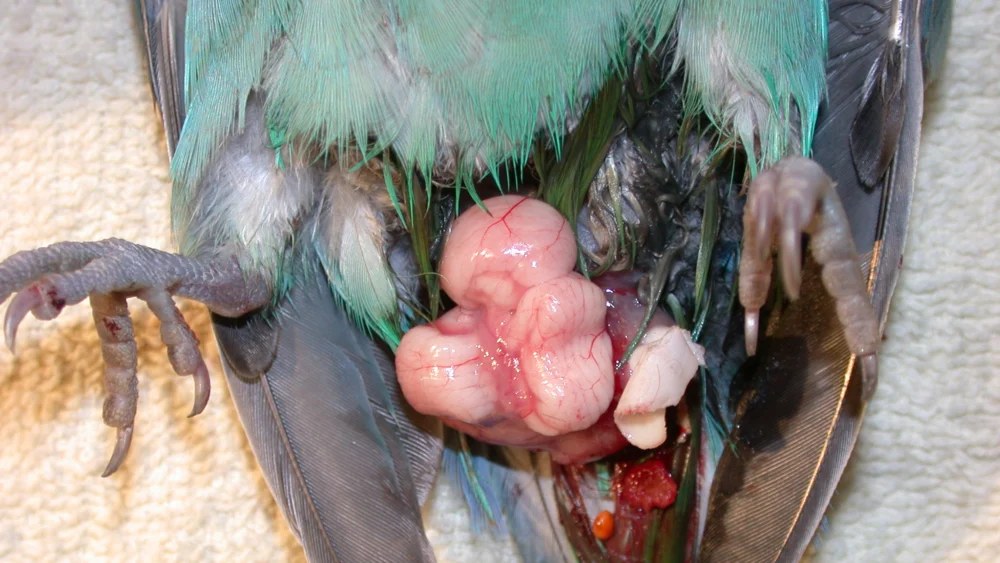
The highly anticipated veterinary continuing education session titled Reproductive Disease in Female Psittacine Birds, originally scheduled to be presented by the esteemed Don Harris, DVM, has been officially postponed. Organizers at LafeberVet announced the decision this week, citing health concerns as the primary driver for the schedule adjustment. The webinar, which serves as a critical resource for avian practitioners worldwide, has been moved to Wednesday, December 9, 2026.
This postponement shifts the timeline for one of the most significant professional development events in the 2026 avian medicine calendar. The session is now slated to take place at 2:00 pm EST (New York time, UTC -05:00). Due to the rescheduling, the registration process has been temporarily paused. Prospective attendees and veterinary professionals are advised that registration portals will remain closed through the summer and early autumn, with a planned reopening in late October 2026.
The Critical Nature of Avian Reproductive Health
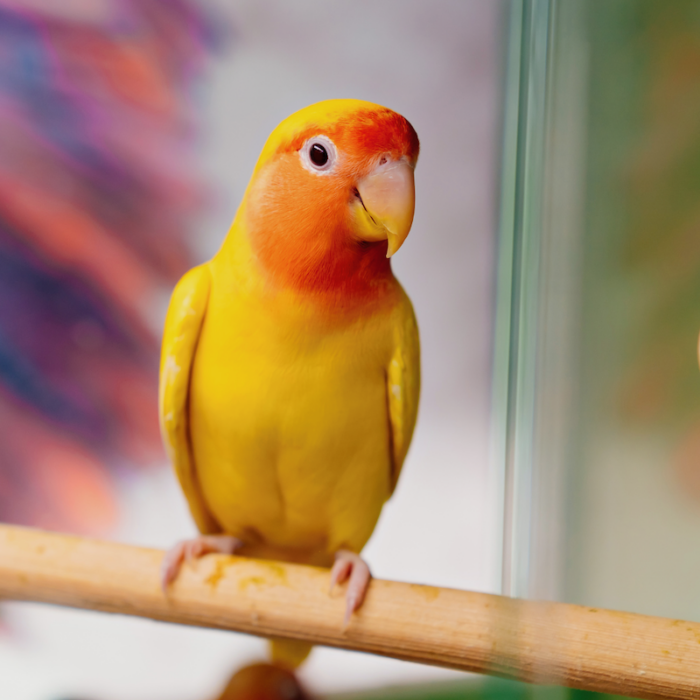
The webinar’s focus on reproductive disease in female psittacine birds—a group that includes parrots, macaws, cockatoos, and parakeets—addresses a cornerstone of avian veterinary practice. Reproductive pathologies are among the most frequent reasons for emergency veterinary visits for female birds. While the reproductive system of birds is highly efficient for the purpose of propagation in the wild, the conditions of captivity often lead to hormonal imbalances and physiological stressors that manifest as life-threatening diseases.
In his abstract for the presentation, Dr. Harris notes that while reproductive disease can take on multiple forms—often occurring simultaneously—the condition most frequently encountered by practitioners is dystocia, commonly known as egg binding. This condition occurs when a female bird is unable to expel an egg from her reproductive tract. If left untreated, dystocia can lead to metabolic exhaustion, pressure necrosis of the oviduct, or acute renal failure due to the proximity of the egg to the bird’s kidneys and major blood vessels.
The complexity of these cases requires a nuanced understanding of avian anatomy. Unlike mammals, birds possess a single functional ovary and oviduct, typically on the left side. The process of egg formation is a resource-heavy physiological event, requiring significant mobilization of calcium from the bones. When captive birds are fed inadequate diets or are stimulated to lay eggs excessively due to environmental factors (such as prolonged artificial light or perceived mates), their bodies often fail to meet the physical demands of egg production, leading to the very crises Dr. Harris intends to discuss.
A Focus on Dystocia: Clinical Perspectives
The core of the upcoming webinar will revolve around Dr. Harris’s 45 years of clinical experience in managing egg binding. Dystocia is not a singular disease but rather a clinical sign of various underlying issues, including hypocalcemia (low blood calcium), obesity, sedentary lifestyle, or anatomical abnormalities of the oviduct.
Dr. Harris emphasizes that there is no "one-size-fits-all" approach to resolving these cases. His presentation is expected to detail a variety of safe and effective methods for stabilizing and treating affected birds. These methods range from conservative medical management—such as the administration of parenteral calcium, oxytocin, or prostaglandin gels—to more invasive manual expressions or surgical interventions like ovidoviocentesis (the aspiration of egg contents to collapse the shell).
The webinar aims to provide practitioners with a toolkit of options, acknowledging that while some methods are highly effective, no single intervention is without limitations or risks. The objective is to equip veterinarians with the diagnostic skills to determine when a bird can be managed with heat and humidity versus when emergency surgery is the only path to survival.
Profile of the Presenter: Dr. Don Harris
The postponement of the webinar is particularly notable given the stature of the presenter. Dr. Don Harris is a foundational figure in the field of exotic animal medicine. As the owner of the Avian & Exotic Animal Medical Center in Miami, Florida—the city’s first facility dedicated exclusively to non-traditional pets—he has been at the forefront of avian care since the mid-1980s.
A graduate of the Louisiana State University School of Veterinary Medicine, Dr. Harris initially worked in mixed animal practice before narrowing his focus to birds and exotic species in 1990. His career has been defined by leadership and a commitment to the advancement of veterinary standards. He has served as the President of several major organizations, including the South Florida Veterinary Medical Association and the Association of Avian Veterinarians (AAV).
Furthermore, Dr. Harris held the presidency of the North American Veterinary Community (NAVC) and was a key organizer for the North American Veterinary Conference, which is recognized as the largest veterinary gathering in the world. His influence extends into the realm of wildlife and zoo medicine, serving as a consulting veterinarian for prestigious institutions such as the Georgia Aquarium Research Center, Miami MetroZoo (now Zoo Miami), and Jungle Island. His role on the Advisory Board of Abaxis Veterinary Diagnostics further highlights his involvement in the technological and diagnostic side of the profession.
Chronology of the Postponement
The decision to move the webinar follows a series of logistical updates from LafeberVet. The original timeline for the presentation was tied to the spring 2026 academic and professional cycle, as evidenced by the April 2026 citation dates associated with the course materials.
The timeline for the rescheduled event is as follows:
- Late April 2026: Initial announcement of the webinar and opening of early interest.
- May 2026: Official notification of postponement due to health concerns regarding the presenter.
- May – October 2026: Registration remains paused; the educational platform undergoes maintenance and updates.
- Late October 2026: Registration is scheduled to reopen for the December date.
- December 9, 2026: The live webinar broadcast and Q&A session.
This delay, while necessary for the well-being of the presenter, allows for a longer period of clinical data collection and the potential inclusion of more recent case studies into the final presentation.
Continuing Education and Professional Impact
For veterinary professionals, this webinar represents more than just a lecture; it is a vital component of their professional licensing requirements. The program has been approved for 1.0 credit hour of Registry of Approved Continuing Education (RACE). This accreditation, overseen by the American Association of Veterinary State Boards (AAVSB), ensures that the content meets rigorous educational standards.
In many jurisdictions, veterinarians and veterinary technicians are required to complete a specific number of RACE-approved hours annually or biennially to maintain their license to practice. The postponement means that practitioners who were counting on this credit for their mid-year totals will need to adjust their educational planning. However, the high demand for Dr. Harris’s expertise suggests that the December session will see significant attendance.
The broader implications of this webinar involve the standardization of avian emergency care. Because birds are "prey species," they instinctively hide signs of illness until they are in a state of advanced physiological collapse. By educating the global veterinary community on the early warning signs of reproductive distress and the most effective stabilization techniques, Dr. Harris’s teachings directly contribute to higher survival rates for pet birds.
Implications for Avian Practice
The shift of the webinar to late 2026 comes at a time when avian medicine is seeing a surge in interest. As more households adopt birds as companions, the pressure on general practitioners to handle "exotic" emergencies has increased. Many veterinarians who primarily treat cats and dogs find reproductive emergencies in birds to be among the most daunting cases in their clinics.
The delay provides an opportunity for practitioners to review foundational avian anatomy in anticipation of the December session. Experts in the field suggest that the "wait and see" approach often used in mammalian medicine is frequently fatal in avian reproductive cases. The upcoming session is expected to reinforce the need for "aggressive" yet "safe" intervention strategies—a philosophy Dr. Harris has championed throughout his 45-year tenure.
LafeberVet has stated that they remain committed to providing high-quality, accessible education despite the delay. The organization’s decision to pause registration ensures that the eventual attendee list is accurate and that all participants receive the necessary technical links and preparatory materials closer to the new date.
As the veterinary community looks toward the end of 2026, the "Reproductive Disease in Female Psittacine Birds" webinar stands as a landmark event. It represents the intersection of decades of clinical wisdom and the modern need for specialized continuing education in an ever-evolving medical landscape. Practitioners are encouraged to monitor official channels in late October for the resumption of registration.

