


For many pet owners, the journey of animal companionship is often marked by a steep learning curve, and rat ownership is no exception. The author, a self-proclaimed perfectionist with over 30 years of experience with rats, recounts her own early missteps, highlighting the critical importance of accurate information and dedicated care. This article delves into ten prevalent errors in rat husbandry, offering expert advice and practical solutions to ensure these intelligent and social creatures thrive.
The Evolution of Rat Care: From Misinformation to Modern Standards
The landscape of pet care advice has dramatically shifted over the decades. In the 1990s, when the author first welcomed rats into her home, readily available and accurate information on their specific needs was scarce. This scarcity often led to well-intentioned owners inadvertently providing suboptimal living conditions, incorrect diets, and inappropriate social environments for their pets. The consequences of these early mistakes, such as the use of toxic bedding or housing single rats, can have significant negative impacts on a rat’s physical and psychological well-being.
The modern era, with its interconnected digital world, offers an unprecedented volume of information. However, this accessibility also presents a new challenge: navigating a sea of data, much of which can be outdated, inaccurate, or outright misleading. Pet stores, while improving, can still sometimes offer questionable products or advice. This underscores the paramount importance of critical evaluation and reliance on credible sources for any pet owner, particularly those caring for less common pets like rats, whose specific needs are often misunderstood.
Identifying and Rectifying Common Rat Care Misconceptions
1. Relying on Unverified Information Sources

The digital age has democratized information sharing, but it has also become a breeding ground for misinformation. Many online sources, from blogs to social media influencers, may perpetuate outdated or incorrect advice about rat care. These individuals might be repeating information they themselves received without critical assessment, leading to a cycle of misinformation.
A crucial step for any rat owner is to develop a discerning eye for reliable sources. Key indicators of credibility include the longevity of the source’s experience with rats, their transparency about their own care practices, and whether they cite veterinary professionals or established research. Websites that provide links to scientific studies or are endorsed by reputable veterinary organizations, such as the Rat Guide (ratguide.com), are invaluable resources. For instance, The Rat Guide is a well-respected online compendium of information compiled by experienced rat owners and veterinarians, offering comprehensive details on health, nutrition, and behavior.
Furthermore, it is important to recognize that artificial intelligence, while a powerful tool, is not a substitute for expert veterinary advice or established scientific knowledge in animal husbandry. AI models can sometimes misinterpret nuances or draw from inaccurate datasets, leading to potentially harmful recommendations. Owners should always cross-reference AI-generated information with established, reputable sources. The author’s own extensive experience, spanning over 30 years of direct care and two decades of dedicated research and writing, coupled with consultations with numerous veterinarians and rescue professionals, highlights the depth of knowledge required to provide optimal care.
2. Inadequate Housing and Essential Supplies
The physical environment in which a rat lives is fundamental to its health and happiness. Common oversights include choosing cages that lack adequate ventilation, are too small for the number of rats housed, or have inappropriate bar spacing that could lead to escapes or injuries. A general guideline for cage size suggests a minimum of 2 cubic feet per rat, though larger is always better, allowing for more elaborate enrichment. Cage calculators, such as those provided by the Midlands Rat Club, can assist owners in determining appropriate dimensions.

Critically, wire floors are a significant concern. Rats are not meant to walk, sleep, or play on exposed wire. This can lead to painful conditions like bumblefoot (pododermatitis), which is an inflammation and infection of the foot pads, and can create unsanitary living conditions. Owners should ensure that any wire flooring is completely covered with solid platforms, bedding, or fleece liners.
Beyond the cage itself, bedding choices are vital. While pine and cedar shavings were once common, they are now known to be toxic to small animals due to their aromatic oils, which can cause respiratory problems. Safe alternatives include paper-based bedding, aspen shavings, or fleece liners. For litter boxes, crushed walnut shells are often recommended, but it is imperative to freeze them for 24-48 hours to kill potential parasites before use, as the author learned firsthand with a mite infestation.
Cage placement is another often-overlooked aspect. Rats are sensitive to drafts, extreme temperatures, and loud noises. Placing their cage in a quiet, stable environment away from direct sunlight and air vents is crucial.
3. Insufficient Cage Cleaning Frequency
A clean living environment is non-negotiable for rat health. Rats are susceptible to respiratory ailments, and prolonged exposure to ammonia from urine and feces can severely aggravate their sensitive respiratory tracts, leading to infections and other health issues. The buildup of waste can also cause eye irritation, unpleasant odors, and a generally unhygienic living space.
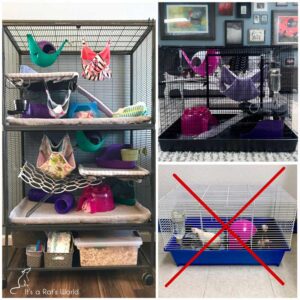
A comprehensive cleaning routine typically involves spot-cleaning daily to remove soiled bedding and waste, with a more thorough deep clean of the entire cage, including washing accessories, occurring weekly or bi-weekly, depending on the number of rats and cage size. Maintaining a consistent cleaning schedule is as vital as providing adequate housing.
4. Suboptimal Feeding Practices and Diet
Dietary mistakes are among the most common and detrimental errors made by rat owners. Not all commercially available rat foods are created equal. Many mixes, particularly those with a high proportion of seeds and corn, are nutritionally unbalanced and can lead to obesity or deficiencies. High-quality commercial rat blocks or pellets formulated to provide a complete and balanced diet are generally recommended as a staple. These should comprise about 80-90% of a rat’s diet.
The issue of overfeeding and providing "junk food" is also prevalent. While it’s tempting to share human food with beloved pets, rats have specific nutritional needs, and fatty, salty, sugary, or processed human foods are detrimental to their health. Regular consumption of such items can lead to weight gain, diabetes, heart problems, and other health issues. Even healthy treats like fruits and vegetables should be offered in moderation. For example, while a small piece of apple is beneficial, a whole apple daily would be excessive. The author emphasizes that even a tiny portion of a fry or a lick of ice cream should be a very rare indulgence.
For those seeking detailed dietary guidance, resources like The Rat Guide offer comprehensive information on staple diets, appropriate treats, and foods to avoid. They even provide specific information on formulated foods like Lafeber’s rat pellets, designed to meet the species’ nutritional requirements.

5. Lack of Exercise and Mental Stimulation
Rats are intelligent, active, and curious creatures. Confining them to a cage without adequate opportunities for physical activity and mental engagement can lead to boredom, obesity, stress, and behavioral problems such as destructive chewing or increased aggression.
Providing daily opportunities for supervised free-ranging in a rat-proofed environment is essential. This allows them to explore, climb, and burn energy. Enrichment within the cage is equally important. This can include a variety of toys, tunnels, climbing structures, and foraging opportunities. Puzzle toys, hiding treats in different locations, and providing different textures and materials for exploration can all contribute to a mentally stimulating environment. An article dedicated to "Daily Exercise for Rats" can offer a wealth of ideas to keep these energetic pets engaged.
6. Improper Handling: The Danger of Tail Grabbing
A common, though dangerous, mistake is picking up a rat by its tail. While the tail may seem like a convenient handle, it is a vital and sensitive appendage for rats. It plays a crucial role in thermoregulation, balance, sensory perception, and communication. Moreover, the tail is an extension of their spine, and forceful grabbing or pulling can cause serious injury, including fractures, nerve damage, or even degloving (where the skin is torn away from the tail bone).

Rat owners should always handle their pets by supporting their body from underneath, gently scooping them up with both hands. If a rat is reluctant to come out of hiding, patience and enticing treats are far better than any forceful method. Understanding the multifaceted importance of a rat’s tail can help owners avoid this potentially harmful practice.
7. Financial Preparedness for Pet Ownership
The financial commitment of owning any pet, including rats, is often underestimated. While rats themselves may be relatively inexpensive to purchase, the ongoing costs of quality food, bedding, toys, and, most significantly, veterinary care, can accumulate rapidly. Veterinary costs, in particular, have seen a significant rise in recent years, with some reports indicating an increase of over 60% in pet healthcare expenses since 2014.
Rats are prone to certain health issues, including respiratory infections, tumors, and age-related conditions, which often necessitate veterinary intervention. Emergency vet visits, diagnostic tests, and ongoing treatments can be costly. The author herself has had to temporarily step back from rat ownership due to the financial strain of veterinary bills.
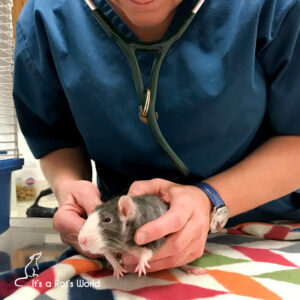
Therefore, prospective owners should mentally and financially prepare for these expenses. Starting a dedicated savings account for pet care is highly recommended. It is also prudent to research and identify a veterinarian experienced in treating exotic animals, ideally with specific knowledge of rat health, before an emergency arises.
8. Rushing into Free-Ranging
While free-ranging offers significant benefits for rats, allowing them to explore outside their cage without proper preparation can be fraught with danger for both the rat and the home. Homes can contain numerous hazards, including electrical cords, toxic plants, small objects that can be ingested, and areas where rats can become trapped. Furthermore, rats can cause damage to furniture, carpets, and wiring, potentially leading to loss of security deposits in rental properties.
Before allowing rats free-range time, owners must thoroughly rat-proof the designated area, removing all potential dangers and hazards. This involves covering electrical outlets, securing wires, removing toxic substances, and ensuring there are no escape routes or hiding places where a rat could get lost or injured. Dedicated articles on "Free-Ranging Pet Rats" can provide detailed checklists and safety guidelines.
9. Neglecting the Needs of Senior Rats
As rats age, their physical capabilities and health needs change. A failure to recognize and adapt to these changes can negatively impact their quality of life and lead to preventable suffering. Senior rats (typically over two years old) may experience reduced mobility, vision impairment, hearing loss, and a weakened immune system.

Adjustments to the living environment are crucial. Ramps and platforms may need to be made more accessible with lower heights and non-slip surfaces. Food and water dishes should be easily reachable. Water bottles may need to be lowered. Soft bedding and easy-access hammocks are beneficial for comfort. Owners must also be vigilant for signs of illness, such as changes in appetite, weight loss, or signs of pain, and seek veterinary care promptly. Senior rats may benefit from pain medication or antibiotics to manage age-related conditions and improve their comfort. An article on "Senior Rats: What To Expect And How To Care For Them" can offer comprehensive guidance for this life stage.
10. Lack of Full Commitment to Daily Care
Perhaps the most overarching mistake is a lack of consistent, daily commitment to a rat’s well-being. Owning rats is not a passive endeavor; it requires active engagement and a genuine dedication to their physical and emotional needs. This means more than just providing food and water; it involves daily interaction, playtime, and attention.
Rats are social animals that form strong bonds with their owners. Daily routines for feeding, cleaning, and quality time help establish trust and security. The author fondly recalls her rats’ anticipation of meals and evening cuddles, highlighting the reciprocal nature of this bond. Neglecting this daily engagement can lead to rats feeling isolated or overlooked, impacting their overall happiness. Being a responsible rat owner means consistently prioritizing their needs and integrating them as valued members of the family, fostering a deep and rewarding relationship.
Ultimately, providing optimal care for rats involves continuous learning, critical evaluation of information, and a deep commitment to their welfare. By understanding and avoiding these common pitfalls, owners can ensure their rat companions lead healthy, happy, and fulfilling lives.

