


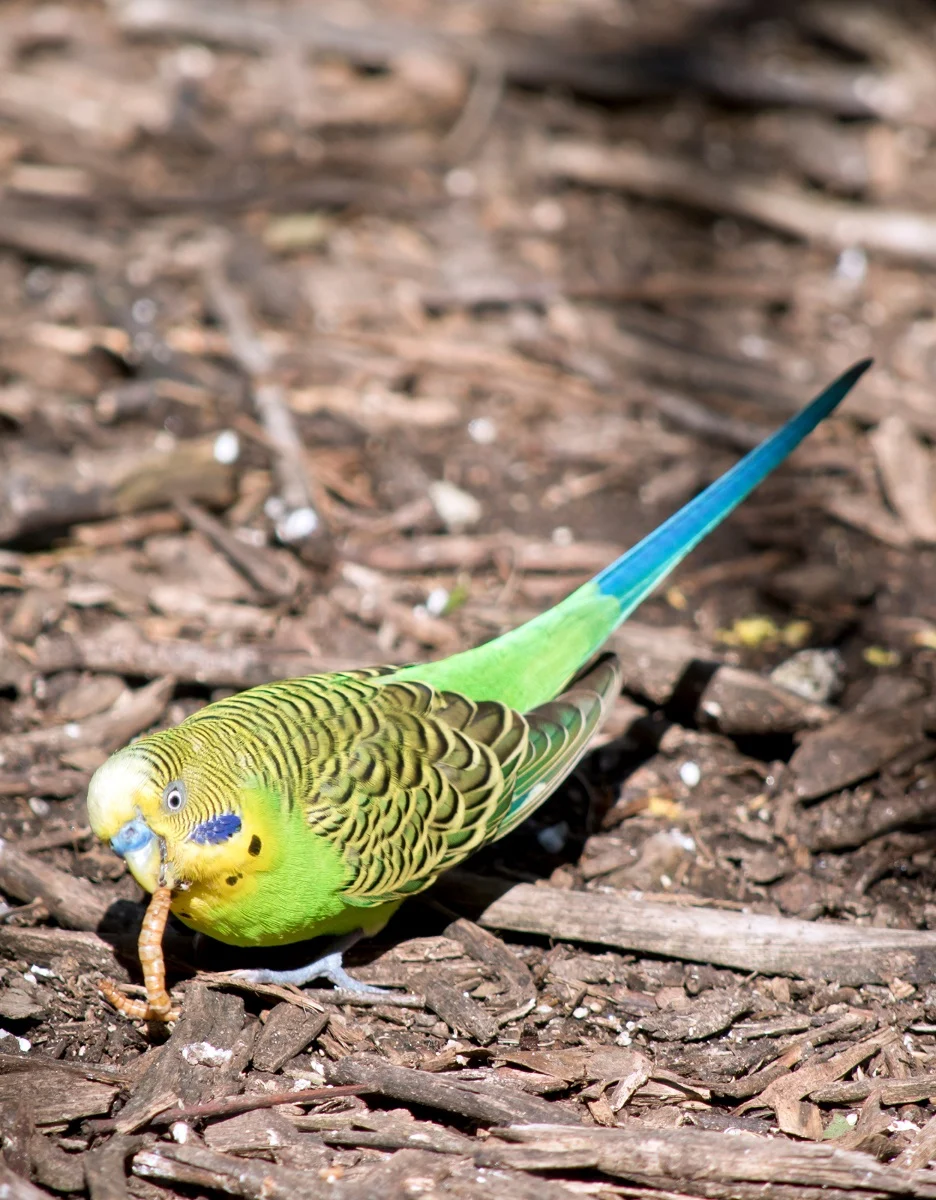
Ensuring a diverse and balanced diet is paramount for the health and longevity of budgerigar parakeets, yet discerning which human foods are beneficial and which pose risks can be a significant challenge for pet owners. While commercial budgie seed mixes form a foundational component, relying solely on them often leads to nutritional deficiencies, necessitating the integration of fresh, varied foods. Understanding the dietary needs of these vibrant birds, originally from the arid regions of Australia, helps owners create a diet that mimics their natural foraging behaviors and provides essential nutrients beyond mere sustenance. This article delves into an extensive list of household items, distinguishing between 19 safe options that can enrich a budgie’s diet and 9 dangerous substances that must be strictly avoided, providing crucial insights for optimal avian care.
The Budgie’s Natural Diet and the Imperative of Variety
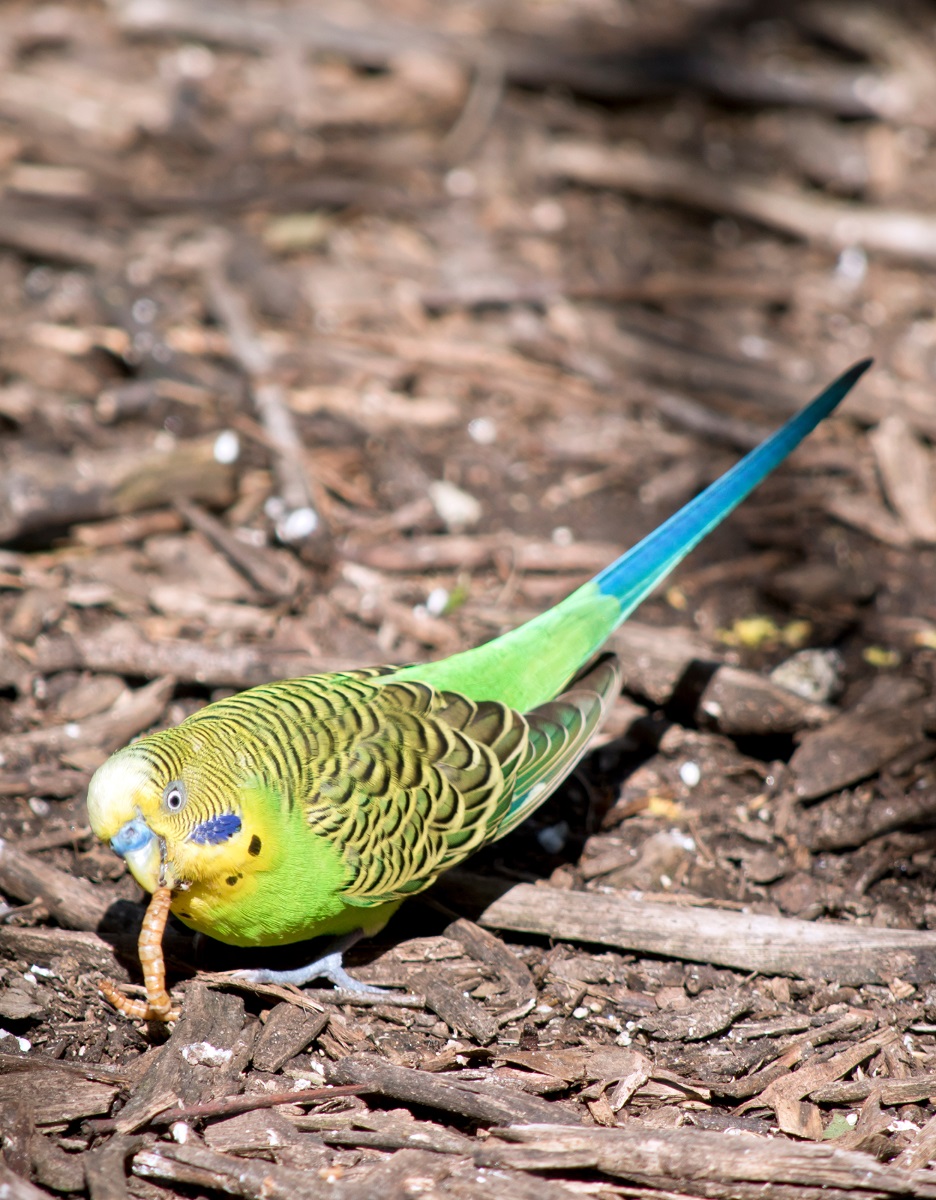
In their native Australian habitat, wild budgerigars ( Melopsittacus undulatus) are opportunistic feeders, primarily consuming grass seeds, native plant matter, and occasionally small insects. Their diet is naturally diverse, reflecting the seasonal availability of various resources. This inherent need for variety is often overlooked in captivity, where many pet budgies are fed an exclusive diet of commercial seed mixes. While seeds are a natural food source, most commercial mixes are high in fat and deficient in essential vitamins, minerals, and amino acids, leading to a range of health issues such as obesity, fatty liver disease, kidney problems, and vitamin A deficiency.
Veterinary professionals and avian nutritionists consistently advocate for a pelleted diet as the primary food source (approximately 60-70%), supplemented with a wide array of fresh vegetables (20-25%), a small amount of fruit (5%), and occasional healthy seeds and nuts. The integration of human-grade foods, when carefully selected, can significantly contribute to this diversified approach, offering both nutritional benefits and vital mental enrichment through novel tastes and textures. The key principle is moderation and ensuring that any shared food item is presented in its purest, unprocessed form, free from added salts, sugars, fats, or artificial preservatives.
General Dietary Principles for Budgie Owners
Before introducing any new food, several universal guidelines must be adhered to. Firstly, always wash fresh produce thoroughly to remove pesticides or contaminants. Secondly, all offerings should be free of salt, sugar, artificial sweeteners (especially xylitol, which is highly toxic), and excessive fats. Processed foods designed for human consumption, such as chips, cookies, and fast food, are unequivocally unsuitable for budgies due to their high content of these detrimental ingredients. Finally, new foods should be introduced gradually and in small quantities to monitor for any adverse reactions and to encourage acceptance. Fresh water must always be available and changed daily.
Safe Culinary Delights from Your Kitchen: 19 Approved Foods
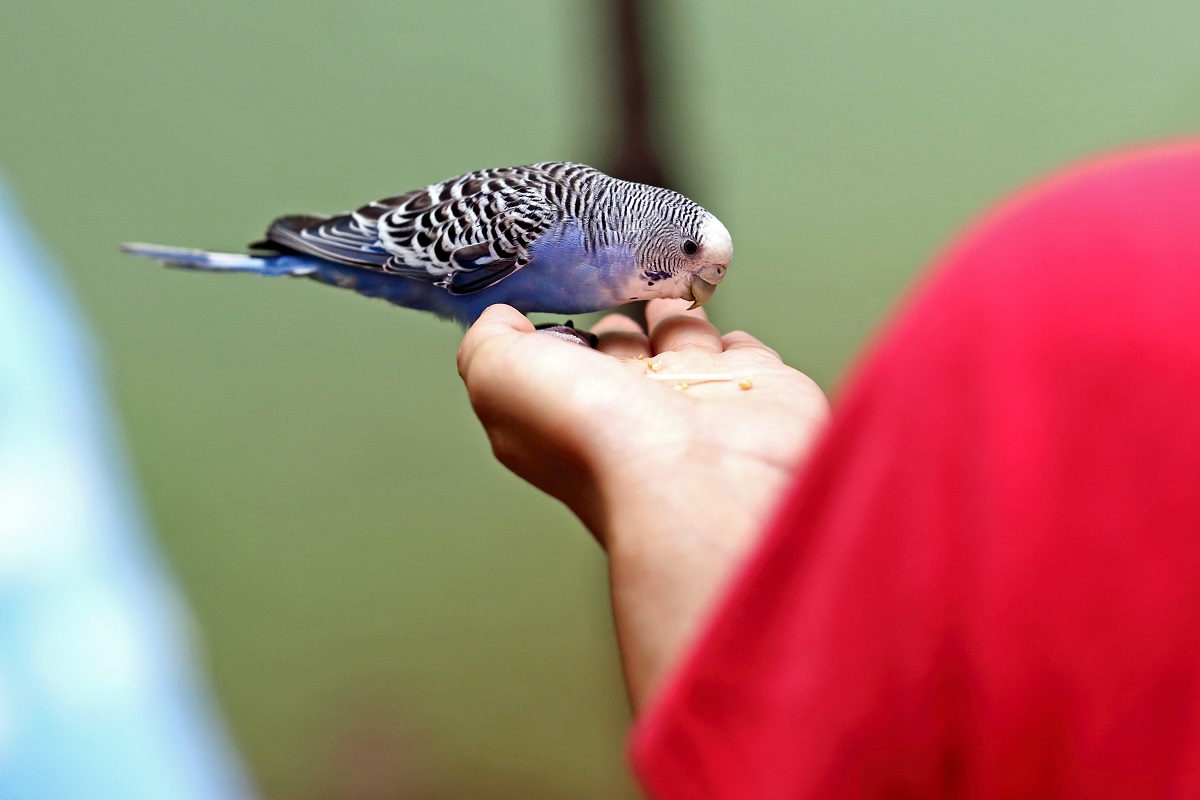
Many common household items, when prepared correctly, can offer valuable nutrients and enjoyment for your budgie.
-
Bread (Whole-Wheat, Unsweetened): While not a nutritional powerhouse, small pieces of plain, whole-wheat bread without added sugar, salt, or excessive fat can be offered occasionally. It serves as a treat rather than a dietary staple. Avoid white bread or brioche, which are typically high in refined sugars and fats. Any seeds on top, such as sesame or poppy, are also acceptable.
-
Sunflower Seeds (Unsalted): These are often a budgie’s favorite, but their high-fat content necessitates strict moderation. Unsalted, raw, or roasted sunflower seeds can be excellent training treats. They should never be a significant part of the daily diet or included in regular seed mixes due to the risk of obesity.
-
Peanut Butter (Natural, Unsalted): Natural peanut butter, made solely from peanuts with no added sugar, hydrogenated oils, or excessive salt, is acceptable in very small quantities. Like sunflower seeds, it’s high in fat. It can be a useful tool for enrichment, smeared thinly on new toys or perches to encourage exploration and reduce neophobia.
-
Boiled Eggs (Plain): A fantastic source of protein, especially beneficial for laying hens or budgies recovering from illness. Plain boiled eggs, mashed or chopped, can be offered a few times a week. Scrambled eggs are also acceptable, provided they are cooked without oil, butter, or salt.
-
Chia Seeds: These tiny seeds are highly nutritious, packed with Omega-3 fatty acids, fiber, and antioxidants. Budgies can enjoy dry chia seeds sprinkled on their food or as part of a seed mix. While chia seed pudding (water-soaked) is safe, it’s not strictly necessary, and dry seeds offer good foraging texture.
-
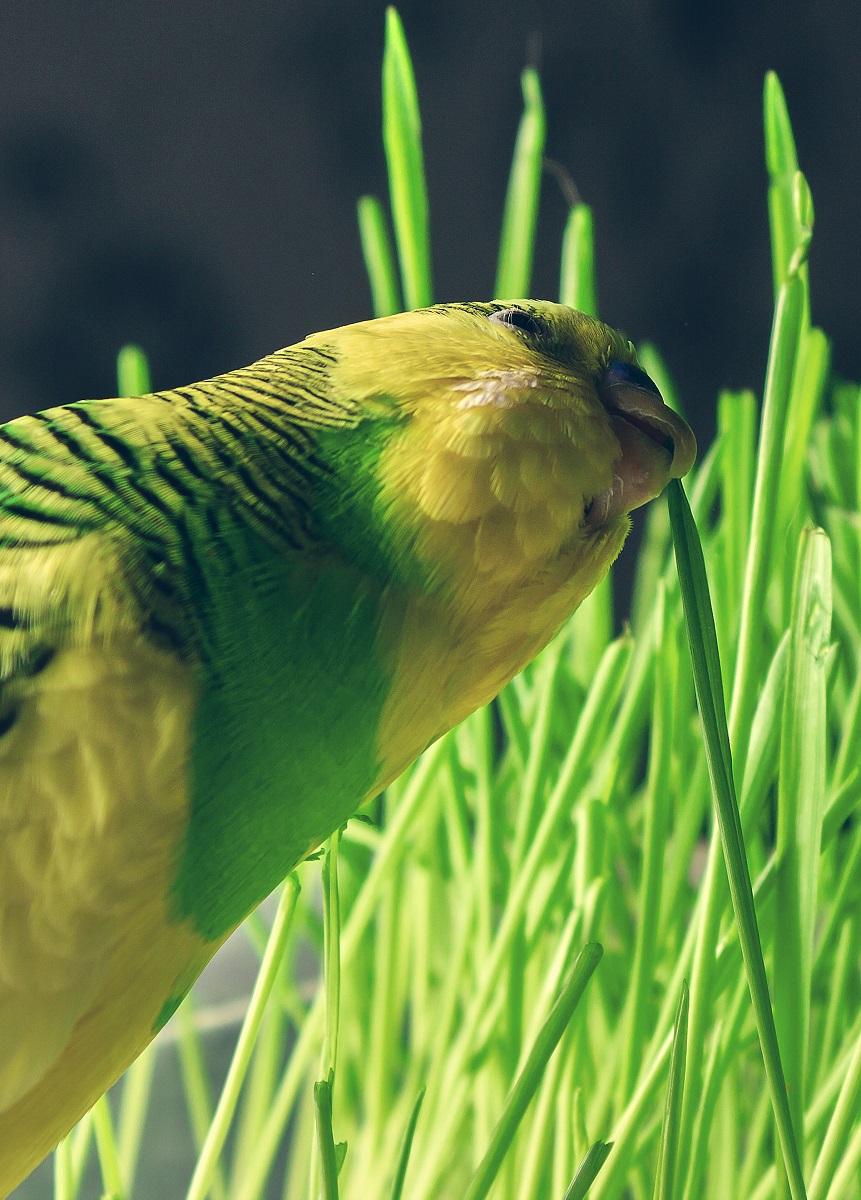
Wheatgrass (Sprouted): An excellent source of vitamins, minerals, and chlorophyll, wheatgrass can be a daily dietary component and a great form of enrichment. Both the seeds and the sprouted blades are suitable. It is recommended to sprout wheatgrass through a mesh or on a substrate that prevents the budgie from ingesting soil, which can harbor unhealthy bacteria or mold.
-
Cashews (Unsalted): Like other nuts, cashews are high in fat and should be offered sparingly. Only unsalted, raw or roasted cashews are safe. A tiny piece, perhaps a quarter of a single cashew, crushed, is sufficient as an occasional treat.
-
Cheerios (Plain, Unsweetened): Original, plain Cheerios, made primarily from whole-grain oats and corn starch, can be offered in very small amounts (half a cheerio) as an infrequent treat. They do contain some sugar and salt, so they are not a daily item. Avoid flavored or sugary varieties.
-
Pumpkin Seeds (Unsalted): Similar to sunflower seeds, unsalted pumpkin seeds are a favorite but high in fat. They can be offered whole (allowing for natural cracking behavior) or shelled, in small quantities, as an occasional treat. Monitor your budgie to ensure they can manage the shell; larger seeds may require a little help.
-
Almonds (Unsalted): Unsalted, raw, or roasted almonds are safe but, like other nuts, should be given in very small pieces due to their fat content. A quarter of an almond, finely chopped, is an appropriate serving. Sprouting raw almonds can enhance their nutritional value and digestibility.
-
Chicken (Plain, Cooked): A lean protein source, plain cooked chicken breast or thigh, unseasoned and without oil, can be offered in small shreds. While not a dietary necessity for most budgies, it can be beneficial for birds needing extra protein, such as breeding females or those recovering from illness.
-
Dried Fruit (Unsweetened, Preservative-Free): Only dried fruits that are completely free of added sugars, sulfites, or other preservatives are safe. Even then, dried fruit is very concentrated in natural sugars, so it should be offered sparingly and in small pieces. Dehydrating fruits at home is the safest way to ensure purity.
-
Hemp Seeds: These are commonly found in commercial bird seed mixes and are highly beneficial. Hemp seeds are rich in Omega-3 and Omega-6 fatty acids, along with various vitamins and minerals. Ensure they are human-grade and free of psychoactive compounds.
-
Pasta (Plain, Cooked or Dry): Plain, unsalted pasta, made from flour, eggs, and water, can be given cooked or dry. Cooked pasta should be offered without sauce, oil, or salt. Dry pasta pieces can also serve as excellent edible toys, providing enrichment as budgies enjoy shredding and manipulating them. Whole-wheat or lentil-based pastas are preferable for added nutrition.
-
Pine Nuts (Unsalted): These small, high-fat nuts are safe in tiny, unsalted portions. Adhere to the same rules as for other nuts: small amounts, no salt, and as an occasional treat.
-
Peanuts (Human-Grade, Unsalted): Peanuts have historically been a subject of debate due to concerns about Aspergillus mold (which causes aspergillosis). However, high-quality, human-grade, unsalted peanuts, properly stored, are generally considered safe in small amounts. Offering them in the shell with a small opening can provide excellent foraging enrichment.
-
Popcorn (Plain, Air-Popped): Plain, air-popped popcorn, without butter, salt, or sugar, is a safe and often enjoyed treat. Its texture can be engaging for budgies, and it can be incorporated into homemade edible toys. Corn itself is also safe for budgies.
-
Quinoa (Cooked or Uncooked): A highly nutritious pseudocereal, quinoa is part of the Amaranth family, whose seeds are suitable for small birds. It can be offered cooked (plain, unseasoned) or uncooked, providing a range of healthy micronutrients. White, red, and black varieties are all acceptable.
-
Rolled Oats (Plain): Rolled oats (and steel-cut oats) are a wholesome addition to a budgie’s diet. They can be offered dry, sprinkled over food, or soaked in water. Plain oatmeal made with unsweetened almond or oat milk is also permissible, though care must be taken to ensure it doesn’t dry and stick to their beak.
The Danger Zone: 9 Explicitly Unsafe Foods for Budgies
While many human foods are unsuitable due to their high content of unhealthy additives, some are outright toxic and must be completely avoided. Ingestion of these items warrants immediate veterinary attention.
-
Avocado: This is one of the most well-known toxic foods for parrots. Avocado contains Persin, a fungicidal toxin that can cause respiratory distress, weakness, and sudden death in budgies and most other avian species. Due to their small size, budgies are particularly susceptible to even small amounts.
-
Chocolate: Chocolate contains theobromine and caffeine, both of which are highly toxic to birds. Ingestion can lead to hyperactivity, tremors, seizures, heart arrhythmias, and even death. All forms of chocolate, including cocoa powder, dark chocolate, milk chocolate, and white chocolate, are dangerous.
-
Honey: While seemingly natural, honey (and corn syrup) can contain Clostridium botulinum bacteria, which produce toxins that cause botulism, a potentially fatal paralytic disease. This is why honey is not recommended for infants or very young children, and the same caution applies to budgies. Furthermore, its high sugar content makes it unsuitable.
-
Chips (Potato/Corn): Highly processed potato and corn chips are laden with excessive salt, unhealthy fats, artificial flavorings, and preservatives. These ingredients are extremely detrimental to a budgie’s delicate system, leading to kidney disease, liver issues, and obesity.
-
Aloe Vera (Leaves): Although the clear gel within an Aloe vera leaf is often used for its purported health benefits, the outer green leaf contains aloin, a yellowish compound that has a strong laxative effect. Ingesting aloin can cause severe gastrointestinal upset and dehydration in budgies.
-
Ice Cream: Budgies, like most birds, are lactose intolerant. Dairy products can cause digestive upset, diarrhea, and discomfort. Beyond lactose, ice cream is also very high in sugar and unhealthy fats, making it entirely inappropriate for avian consumption.
-
Cheese: While some harder cheeses have lower lactose levels due to the aging process, they are still too high in fat and sodium for budgies. Soft cheeses are particularly problematic due to their higher lactose content. Offering cheese is unnecessary and carries risks without any significant nutritional benefit for birds.
-
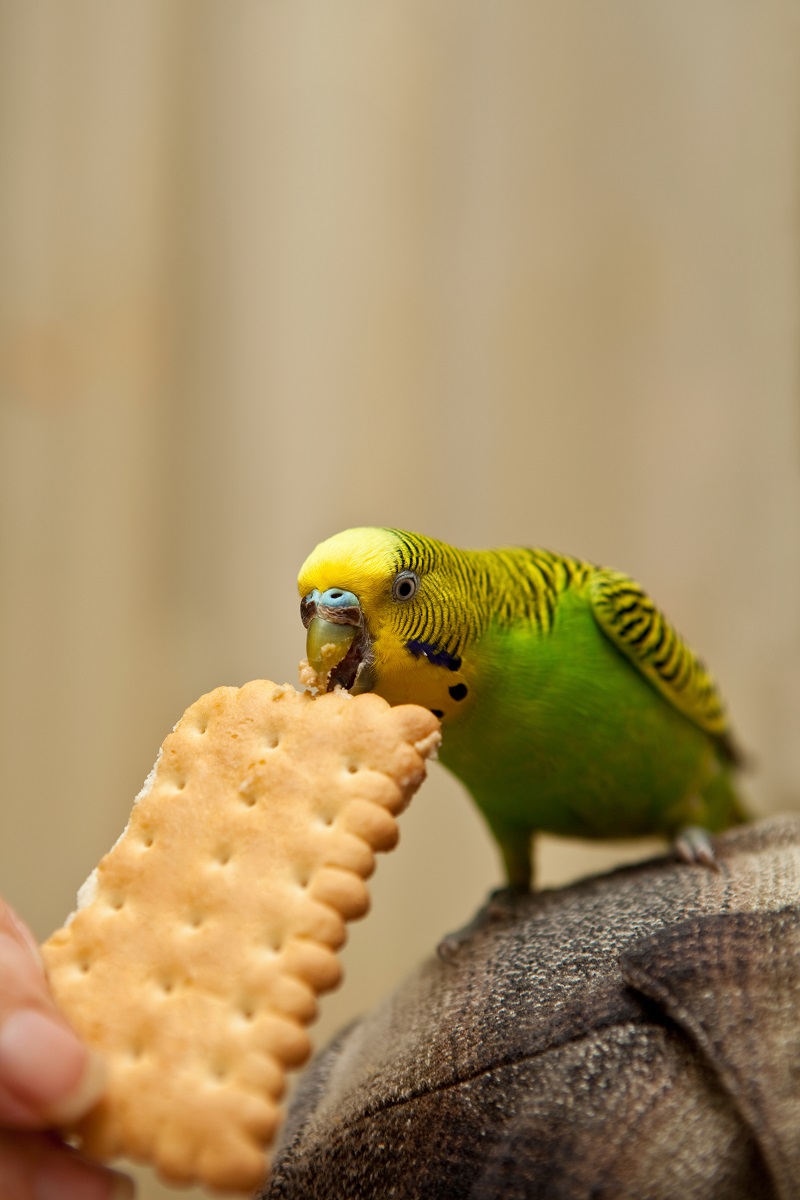
Crackers (Savory): Most savory crackers are made with refined flours, vegetable oils, and significant amounts of salt. While not immediately toxic, their nutritional profile is poor, and regular consumption can contribute to health problems like kidney strain and obesity. They offer no beneficial vitamins or minerals.
-
Biscuits (Cookies/Scones): Whether referring to sweet cookies (UK usage) or leavened savory bread rolls (US usage), both are generally unsuitable. Cookies are typically high in sugar, unhealthy fats, and often contain chocolate or other toxic ingredients. Savory biscuits usually contain high levels of fat and salt. Even a few crumbs can be detrimental over time.
Other Toxic Substances to Avoid:
A comprehensive list of highly toxic items extends beyond these nine. Owners must be vigilant about preventing access to:
- Alcohol: Extremely toxic and can cause severe organ damage and death.
- Caffeine: Found in coffee, tea, and energy drinks, caffeine is a stimulant that can cause cardiac issues and neurological damage.
- Onions and Garlic: Both contain sulfur compounds that can cause hemolytic anemia in birds, damaging red blood cells.
- Apple Seeds: Contain amygdalin, which metabolizes into cyanide in the digestive system. While the flesh of apples is safe, the seeds are not.
- Xylitol: A common artificial sweetener found in many sugar-free products (gum, candies, some peanut butters) that is highly toxic to birds, causing hypoglycemia and liver failure.
Recognizing and Preventing Dietary Problems
A budgie on an improper diet may exhibit various symptoms, including dull feathers, lethargy, overgrown beak or nails, respiratory issues, foot problems, or behavioral changes like excessive plucking or aggression. Obesity is a common issue, identifiable by a prominent keel bone covered by excess fat or difficulty flying.
To prevent these problems, owners should strive for a diverse diet centered around high-quality pellets, fresh vegetables, and controlled portions of safe human foods. Regular veterinary check-ups with an avian veterinarian are crucial for monitoring health and addressing any dietary deficiencies or excesses. Enrichment, such as foraging toys and opportunities to explore different food textures, also plays a vital role in a budgie’s overall well-being, encouraging natural behaviors and preventing boredom-induced issues like feather plucking or destructive chewing.
Conclusion
Providing a nutritionally sound and varied diet is one of the most significant responsibilities of a budgie owner. By understanding the specific needs of these intelligent birds and being informed about which human foods are safe and which are dangerous, owners can significantly enhance their budgie’s quality of life and promote a long, healthy existence. The transition from a seed-only diet to a more balanced one, incorporating fresh produce and approved human foods, requires patience and consistency, but the rewards in terms of a vibrant, healthy, and engaged companion are immeasurable. When in doubt about any food item, consulting with an avian veterinarian remains the safest course of action.

