


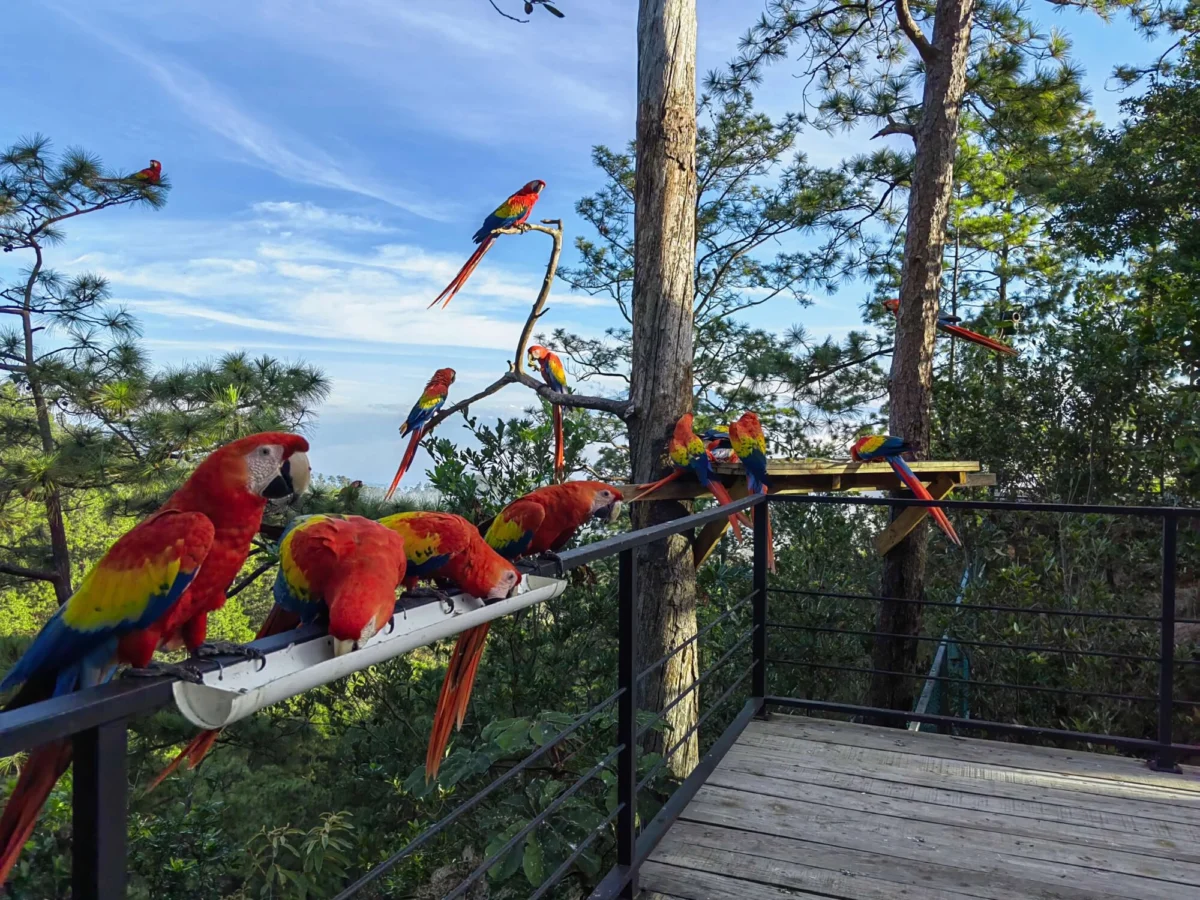
In 2018, a striking tableau of crimson, gold, and cerulean momentarily graced the skies above Esquipulas, a Guatemalan municipality nestled close to the Honduran border. This vibrant apparition was a scarlet macaw (Ara macao), a magnificent avian ambassador almost certainly venturing from the acclaimed reintroduction programs thriving just across the frontier in Copán Ruinas, Honduras. For the local family fortunate enough to witness its fleeting passage, it was a moment of profound wonder. Yet, for the broader village, its presence was perceived less as a natural marvel and more as an opportunity; residents quickly moved to capture the wild bird, intending to domesticate it. Fortunately, the macaw evaded capture, disappearing back into the vastness of the Central American sky, never to return to that specific location.
This singular, fraught encounter served as a pivotal catalyst, crystallizing a profound realization within the nascent conservation community: while ecological processes and wildlife movements inherently disregard human-drawn political boundaries, the very survival of species often hinges precariously on the human response encountered at these arbitrary lines. Today, a fervent, predominantly volunteer-driven initiative is actively unfolding across strategic locations in Guatemala. Its overarching mission is to cultivate an environment where these iconic birds, when they inevitably traverse the international border, are met not with the threat of cages or slingshots, but with the embrace of informed, protective communities.
The Resurgence in Honduras: A Conservation Beacon
Just a mere 15-minute journey from the Guatemalan border lies Copán Ruinas, Honduras, a region celebrated not only for its ancient Mayan ruins but also as the operational base for Macaw Mountain Bird Park and Nature Reserve. This renowned facility, in close partnership with its dedicated non-governmental organization, PRO ALAS (an organization committed to the protection of birds), has spearheaded an extraordinarily successful reproduction, rehabilitation, and release program for scarlet macaws. Established with a vision to restore the macaw population to its historical range, Macaw Mountain has, over several decades, meticulously nurtured and reintroduced well over 150 wild macaws back into the verdant skies of Honduras. Their methodology involves a comprehensive approach, including captive breeding of rescued birds, rehabilitation of injured or confiscated individuals, and a carefully managed soft-release process that allows birds to acclimate to the wild environment before full autonomy. This pioneering work has transformed Copán into a vibrant sanctuary, where large flocks of free-flying macaws are a common and cherished sight, drawing ecotourists and researchers alike.
The scarlet macaw, recognized by the International Union for Conservation of Nature (IUCN) as ‘Least Concern’ globally, nevertheless faces significant regional threats, having been extirpated from vast portions of its historical range across Central and South America. In Honduras, decades of habitat destruction and relentless poaching for the illegal pet trade had pushed the species to the brink of local extinction. Macaw Mountain’s efforts, which began in the early 2000s, have not only reversed this trend but have also cultivated a deep sense of local pride and stewardship, cementing the macaw as a national symbol of Honduras. Their success is a testament to sustained effort in breeding, veterinary care, and extensive environmental education campaigns that have engaged thousands of local Honduran citizens, transforming perceptions and fostering a protective ethos.
The Border Risk: A Perilous Crossing
However, the very success of the Honduran reintroduction program has inadvertently created a new, complex challenge. As the population of free-flying macaws flourishes and expands, an increasing number of these magnificent birds naturally extend their foraging ranges, venturing beyond the perceived safety of Honduran territory and crossing into neighboring Guatemala. Scarlet macaws are highly intelligent and mobile birds, capable of flying significant distances in search of food, mates, or new territories. Their typical habitat includes large tracts of tropical evergreen forest, and as re-established populations grow, dispersal into adjacent suitable habitats is a natural biological imperative.
On the Guatemalan side of the border, the situation remains starkly different. Here, the macaws encounter communities largely unacquainted with their ecological value or their protected status. Anecdotal accounts and local observations frequently describe children throwing stones at the birds, while adults, driven by economic necessity or cultural practices, attempt to capture them, often for the lucrative and illicit pet trade. The striking beauty, vibrant plumage, and intelligence of scarlet macaws make them highly desirable in the black market, where a single bird can fetch hundreds, if not thousands, of dollars. This demand fuels a cruel industry that decimate wild populations through unsustainable capture methods, often involving the destruction of nests and the killing of parent birds. The lack of awareness regarding the macaws’ protected status and the severe penalties for poaching exacerbates the vulnerability of these birds once they cross the border.
To truly secure the future of these macaws, the unparalleled success of Copán’s long-standing environmental education program, which has cultivated a protective ethos among Honduran communities, urgently needs to be replicated and adapted for the Guatemalan context. The biological reality that macaws do not recognize political boundaries necessitates a transnational conservation strategy, extending the protective umbrella across the border to create a continuous, safe ecological corridor.
A Grassroots Response: Christian Chinchilla and One Earth Conservation
Responding to this pressing urgency, a young, driven Guatemalan biologist named Christian Chinchilla emerged as a pivotal figure. Recognizing the immediate threat and the critical need for intervention, Chinchilla aligned himself with the Parrot Conservation Corps, a specialized division of One Earth Conservation (OEC). OEC, an international non-profit organization, is dedicated to empowering local communities worldwide to protect parrots and their habitats through training, education, and direct conservation action. Their philosophy emphasizes local leadership and sustainable, community-driven solutions. Armed with the invaluable specialized training acquired through OEC’s comprehensive courses and a modest, yet crucial, seed grant, Chinchilla embarked on a formidable mission. This grassroots initiative, operating almost entirely on the dedication of volunteer hours, was launched by Christian and his girlfriend, with the specific aim of transforming community mindsets in the vulnerable border village of Caparjá, Guatemala.
The initial phase of their ambitious project, commencing in late 2023, involved a strategic and culturally sensitive approach. Before engaging directly with a single child, the team meticulously established a foundation of deep community respect and collaboration. They forged a crucial partnership with Plan Trifinio, a tri-national government development agency established by Guatemala, Honduras, and El Salvador in 1987 to promote sustainable development, regional integration, and natural resource management in the border region. They also secured the essential endorsement of the Municipality of Camotán, the local administrative authority. This foundational work culminated in a critical field trip: Christian and his team arranged for influential local village leaders and primary school teachers from Caparjá to journey directly to Macaw Mountain in Honduras. This immersive experience allowed key community stakeholders to witness the sheer beauty, the vibrant ecological significance, and the palpable success of the Honduran macaw project firsthand. This direct exposure was instrumental in building trust, demonstrating the tangible benefits of conservation, and securing local buy-in. "Seeing the macaws flying free and the pride the Honduran people have for them was a revelation for our leaders," Chinchilla reportedly stated, "It showed them that protecting these birds is not just about nature, but about our own community’s future and identity."
Cultivating Guardians: Apples, Coloring Books, and Local Pride
With the invaluable blessing and active participation of the community leadership, Christian and his team then systematically brought the project directly into the classrooms of Caparjá. Their educational methodology was designed to be highly interactive, culturally relevant, and deeply engaging for young minds. Utilizing vibrant coloring books featuring macaws, distributing fresh apples as incentives, and employing captivating storytelling, they began to unravel the mysteries and wonders of these magnificent birds. The children were taught about the macaws’ life cycle, their unique behaviors, their critical role in the ecosystem as seed dispersers, and the threats they faced. Crucially, they were educated about the illegal pet trade and the importance of reporting any attempts to capture or harm the birds. The curriculum also included lessons on the economic potential of ecotourism and the intrinsic value of preserving biodiversity for future generations.
The response from the children was nothing short of electric. This was not merely an abstract lesson in biology from a textbook; these were lessons about the very birds they had seen, or might soon see, soaring majestically over their own homes and villages. The educational sessions resonated deeply, fostering a sense of immediate connection and responsibility. Teachers reported a noticeable shift in student attitudes, with many children expressing a newfound desire to protect the macaws. One local teacher from Caparjá remarked, "Before, macaws were just birds. Now, for the children, they are symbols of our land, something to be proud of and protected. They talk about them constantly." Through these simple yet profound interactions, the project began to achieve its transformative goal: converting potential threats, born of ignorance or desperation, into future guardians, armed with knowledge and a burgeoning sense of local pride for these feathered treasures.
Reclaiming a Mayan Legacy: A Cultural Resurgence
This conservation work extends far beyond mere ecological preservation; it is profoundly interwoven with the rich cultural identity and historical legacy of the region. The border area, encompassing both sides of the Guatemala-Honduras frontier, is the ancestral homeland of the indigenous Chorti Maya population. The Chorti have inhabited this geographical expanse for millennia, long before modern political boundaries were conceived, maintaining deep connections to the land and its biodiversity. Their traditional knowledge systems often encompass a holistic understanding of their environment, recognizing the interconnectedness of all living things.
Just a short distance across the border, at the world-renowned Copán Ruins archaeological site – a monumental testament built by the direct ancestors of the modern Chorti – ancient stone glyphs, towering stelae, and intricate sculptures are replete with vivid depictions of macaws. For centuries, these resplendent birds were revered symbols in Mayan cosmology, representing the sun’s fiery energy, the expansive blue of the sky, and the very essence of the spirit world. They were considered sacred intermediaries between the human and divine realms, their feathers used in ceremonial regalia, and their images adorning temples and royal tombs, underscoring their profound spiritual and social significance. Historical records indicate that macaws were even traded as far north as present-day Arizona, highlighting their widespread cultural importance in pre-Columbian societies.
By educating Chorti children in Guatemala about the macaws, this project transcends the boundaries of conventional science education. It is actively facilitating a powerful process of cultural reconnection, helping a community rediscover and reclaim a living, breathing, and flying piece of their own profound history and spiritual heritage. The macaws are not just wildlife; they are living symbols of a glorious past, and their protection is an act of cultural affirmation and resilience. This integration of ecological and cultural education strengthens the conservation message, making it deeply personal and meaningful for the communities involved, fostering a sense of custodianship that is rooted in ancestral wisdom.
Navigating Fading Funds and Rising Hopes: The Path Ahead
Despite the undeniable success and enthusiastic reception of the initial school visits in Caparjá, the project, like many grassroots initiatives, encountered a familiar and frustrating hurdle: the initial seed funding provided by One Earth Conservation eventually ran its course by early 2024. In the immediate aftermath, the entire campaign found itself sustained purely by the extraordinary dedication and unwavering commitment of Christian Chinchilla and his girlfriend, who continued to volunteer their time and limited personal resources to maintain community momentum and prevent the nascent protective spirit from faltering. This period underscored the precarious nature of small-scale conservation efforts, highlighting the critical need for consistent, reliable financial support to sustain crucial educational outreach.
However, their relentless hard work and the tangible positive impact of their efforts did not go unnoticed. The project’s innovative, border-bridging vision and its potential for significant regional impact began to attract attention from the highest echelons of government. Through the proactive advocacy of Plan Trifinio, which recognized the project’s alignment with its mandate for sustainable development and regional cooperation, the Vice President of Guatemala, Dr. Karin Herrera, was personally apprised of the initiative. Demonstrating a keen interest in environmental conservation and cross-border collaboration, Dr. Herrera undertook a significant official visit to Macaw Mountain in Honduras in May 2024. There, she witnessed firsthand the impressive success of the Honduran reintroduction program and engaged directly with the project team. Reportedly delighted and deeply impressed by the collaborative spirit and the compelling results, she publicly promised government support for the Guatemalan conservation efforts. Vice President Herrera reportedly emphasized the importance of regional collaboration for biodiversity protection and sustainable development. The team, buoyed by this high-level endorsement, now holds optimistic expectations that this crucial government funding will materialize in the coming months, providing the stable foundation needed to significantly scale their operations.
Broader Implications and a Vision for a Safe Corridor
The implications of this burgeoning cross-border conservation effort are multifaceted and far-reaching. Ecologically, establishing a safe corridor for scarlet macaws in Guatemala is vital for the long-term genetic health and resilience of the Honduran population. As an umbrella species, the protection of macaws often leads to the protection of their extensive tropical rainforest habitats, benefiting countless other species within these biodiverse ecosystems. Macaws play a crucial role in seed dispersal, contributing to forest regeneration and maintaining the health of the very environment they inhabit. Their re-establishment signifies a healthier, more balanced ecosystem.
Socio-economically, the success of this project could pave the way for sustainable ecotourism opportunities in Guatemalan border communities, mirroring the economic benefits seen in Copán. By transforming macaws from potential targets for poaching into symbols of local pride and conservation success, communities can find new, ethical avenues for economic development, reducing reliance on unsustainable practices that harm biodiversity. Education empowers local populations, fostering a sense of ownership and responsibility for their natural heritage, potentially leading to community-led initiatives for forest protection and sustainable resource management.
Politically, the collaboration between Guatemalan grassroots efforts, Honduran conservationists, and international NGOs, backed by the Guatemalan government and Plan Trifinio, sets a powerful precedent for regional environmental cooperation. It demonstrates that shared ecological challenges can foster diplomatic bridges and collective action, transcending national interests for the greater good of biodiversity. Such transboundary conservation initiatives are increasingly recognized as essential for addressing global environmental crises effectively.
The long-term vision extends beyond mere education. Once the promised government funding is secured, the team plans to strategically pivot these larger institutional resources toward comprehensive habitat protection initiatives. This includes establishing protected areas or community-managed conservation zones, implementing robust nesting monitoring programs to safeguard vulnerable chicks from natural predators and human interference, and launching community-led reforestation efforts. These initiatives will focus on restoring degraded forest patches with native tree species, ensuring that a robust and continuous habitat corridor is established for the macaws, providing them with ample food sources, nesting sites, and refuge from human disturbance. This integrated approach—combining education, community empowerment, and direct habitat intervention—is crucial for creating a truly sustainable future for the scarlet macaw in this vital transboundary region

