


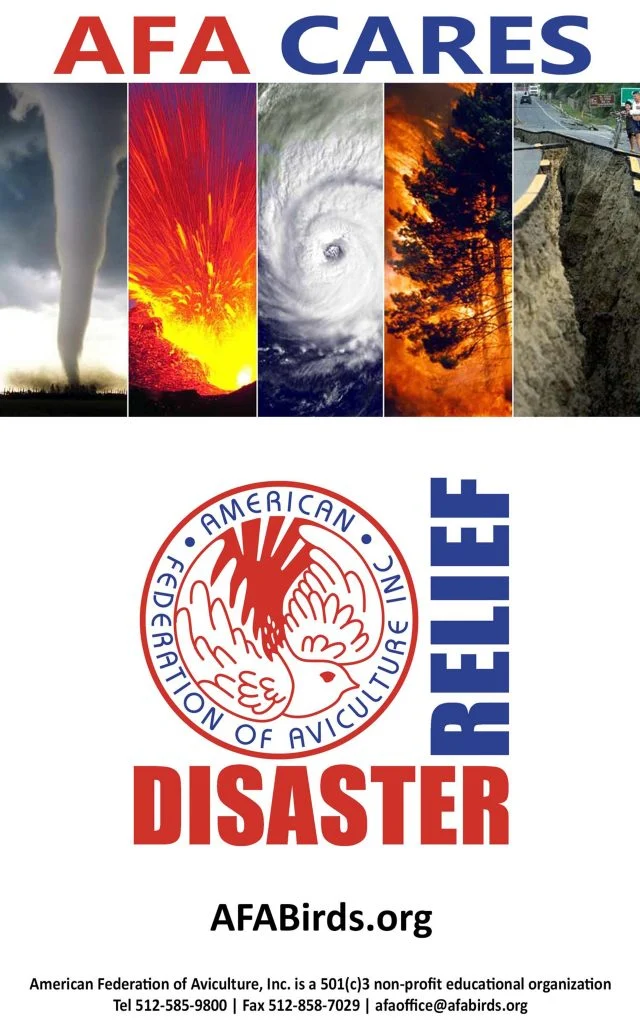
The American Federation of Aviculture (AFA) has formalized a sophisticated Disaster Relief Team network designed to address the unique vulnerabilities of avian populations during large-scale emergencies. This specialized response infrastructure is comprised of Regional Directors and local coordinators strategically positioned throughout the United States to ensure rapid mobilization when natural or man-made disasters strike. By maintaining a presence across various geographic zones, the AFA facilitates a localized monitoring system that tracks weather patterns and environmental threats in real-time, allowing for a proactive rather than reactive approach to animal welfare. In the event of a crisis, the organization serves as a central hub, connecting bird owners in distress with experienced volunteers and resources necessary for the safe extraction, relocation, and care of exotic and domestic birds.
The Critical Necessity of Avian-Specific Disaster Planning
Aviculture faces distinct challenges during disasters that are often overlooked in general pet rescue protocols. Unlike mammals, birds possess highly sensitive respiratory systems that make them particularly vulnerable to smoke, airborne toxins, and rapid temperature fluctuations. Furthermore, the logistical complexity of transporting large numbers of birds—many of which may be untame or part of sensitive breeding pairs—requires a level of expertise and equipment that standard emergency services may not possess. Former CalFire Chief Mary Ellen LePage emphasizes that whether an individual is facing the immediate threat of a California wildfire, a Gulf Coast hurricane, or a Midwestern tornado, the success of a rescue operation is determined weeks or months before the event occurs.
The evolution of animal disaster response in the United States reached a turning point following the 2005 Atlantic hurricane season. The passage of the Pets Evacuation and Transportation Standards (PETS) Act in 2006 mandated that local and state emergency management authorities include pets and service animals in their evacuation plans. However, avian owners often find that public shelters remain ill-equipped to handle birds, highlighting the importance of the AFA’s private network of breeders, veterinarians, and enthusiasts who provide specialized support.
Phase I: Pre-Disaster Preparedness and Resource Allocation
Effective disaster management begins with the "Plan! Plan! Plan!" mantra advocated by emergency management professionals. For bird owners, this involves the assembly of a specialized "Go-Bag" and a secondary housing strategy.
Equipment and Housing Logistics
The primary requirement for avian evacuation is the availability of transport-ready housing. Experts recommend storing pre-assembled or collapsible carriers in easily accessible locations, such as garages or near primary aviaries. If storage space is limited, hanging carriers from ceilings or using stackable units can optimize the area. These carriers must be fully equipped with secure perches and spill-proof water dishes. For owners with large collections, keying all cage locks to a single master key is a critical time-saving measure that can prevent catastrophic delays during a fast-moving evacuation.

Identification and Documentation
Proving ownership and maintaining medical records is a vital component of the recovery phase. Every bird should be identifiable via leg bands or microchips. In the chaos of a mass evacuation, birds may become separated from their owners or relocated to multiple temporary facilities. Maintaining duplicate records—including photographs, DNA sexing certificates, and veterinary history—in a digital cloud-based format or a waterproof physical container ensures that owners can reclaim their birds and that rescuers have access to vital health information.
Geographic Contingency Planning
A robust plan identifies at least three potential relocation sites outside the immediate threat zone. These may include the properties of fellow aviculturists, specialized boarding facilities, or even commercial spaces like warehouses or barns that have been pre-vetted for safety. Establishing these relationships in advance is essential, as local facilities often reach capacity within hours of an emergency declaration.
Phase II: The Chronology of an Emergency Evacuation
The window for a successful evacuation is often narrow. Understanding the timeline of a disaster allows owners to make informed decisions about when to stay and when to leave.
- The Warning Phase: During this period, owners should monitor National Weather Service updates or local emergency alerts. This is the time to stage vehicles, pack perishable food, and ensure all birds are moved into their transport carriers.
- The Decision Point: The choice to evacuate is often the most difficult. In cases of approaching wildfires or hurricanes, the "When in doubt, get out" rule applies. Delaying departure can lead to gridlocked roads, lack of fuel, and the risk of being turned back by law enforcement.
- The Transit Phase: Transportation vehicles must be inspected for proper ventilation. If rental trucks are used, owners must ensure the cargo area is climate-controlled or at least ventilated to prevent heatstroke or carbon dioxide buildup.
- The Shelter-in-Place Scenario: If evacuation is impossible, owners must be prepared for total self-sufficiency. This requires a minimum of two weeks’ supply of food and water, a backup generator for climate control, and a detailed map of the property’s GPS coordinates to assist rescuers if landmarks are destroyed.
Phase III: Technical Rescue and the Incident Command System
For those acting as rescuers, the operational environment is governed by strict legal and safety protocols. Large-scale disasters in the U.S. are managed under the Occupational Safety and Health Administration (OSHA) Incident Command System (ICS). This standardized hierarchy ensures that all responding agencies—from FEMA to local fire departments—operate under a single chain of command.
Gaining Legal Access
Rescuers often encounter roadblocks and restricted zones. To gain entry, AFA disaster relief volunteers are encouraged to carry official identification, such as AFA-branded magnetic vehicle signs, t-shirts, and credentials. If denied entry by police, the protocol is to request contact with the Incident Commander (IC) or their representative to demonstrate that the rescue operation is a legitimate animal welfare effort. However, the AFA maintains a strict policy that no volunteer should risk their life or violate safety mandates to enter a high-risk area.
Specialized Extraction Techniques
Rescuing birds requires a different skill set than rescuing domestic mammals. Volunteers must be trained in the use of bird nets, towels, and protective gloves. In many cases, rescuers may need to use power tools or chainsaws to access aviaries damaged by fallen trees or structural collapses. A critical instruction for rescuers is the preservation of pairs; maintaining the bond between breeding pairs is essential for the long-term psychological health of the birds and the viability of the aviculturist’s collection.
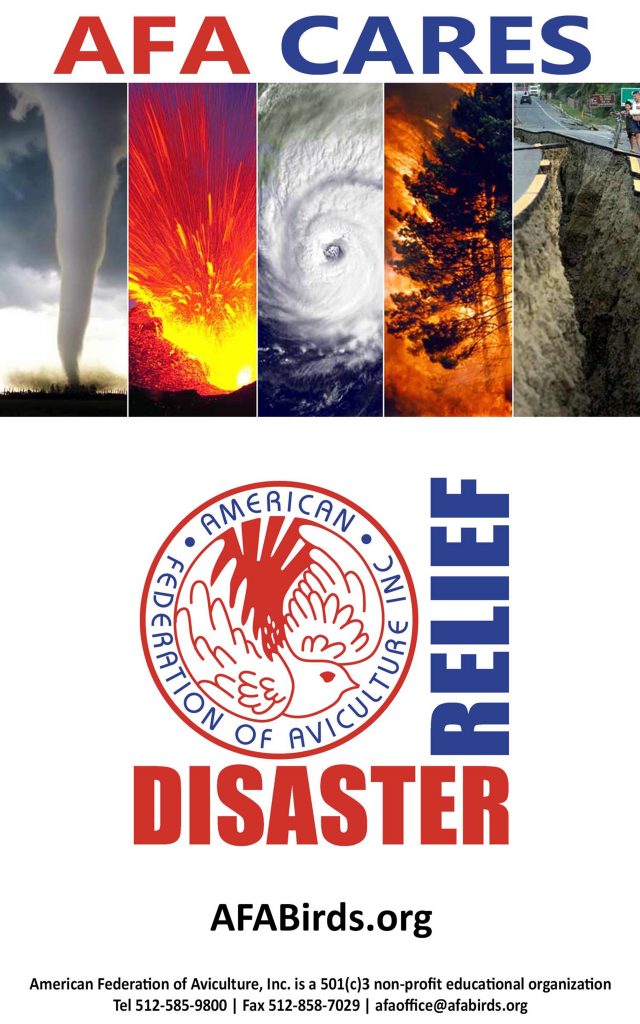
Data and Analysis: The Impact of Disaster on Avian Populations
Statistical data from past events, such as the California wildfires and Florida hurricanes, indicates that the leading cause of avian mortality in disasters is not direct physical trauma, but the secondary effects of stress and environmental degradation. Smoke inhalation can cause irreversible lung damage in parrots, while the loss of power can lead to lethal temperature spikes in indoor bird rooms.
A brief analysis of the economic implications reveals that a single lost breeding collection can represent decades of genetic work and hundreds of thousands of dollars in value. For many aviculturists, these birds are not just pets but a livelihood and a contribution to the global gene pool of endangered species. This elevates the work of the AFA Disaster Relief Team from a simple animal rescue mission to a vital effort in conservation and economic preservation.
Official Responses and Community Support
The American Federation of Aviculture continues to refine its response strategies based on feedback from former emergency officials like Mary Ellen LePage. The organization’s official stance emphasizes that "your safety comes first," but it provides a robust support system for those who choose to assist. By coordinating with local bird clubs and veterinary clinics, the AFA ensures that rescued birds are not just moved, but are provided with appropriate diets and medical screenings upon arrival at safe havens.
Owners and volunteers are encouraged to maintain open lines of communication with the AFA main business office. In the aftermath of a disaster, the focus shifts to reunification. Detailed logs of where each bird was found and where it was transported are essential for returning animals to their rightful owners.
Broader Implications for the Avian Community
The work of the AFA Disaster Relief Team highlights a broader trend in emergency management: the move toward specialized, community-led response teams. As climate volatility increases the frequency of extreme weather events, the burden on government agencies grows. Specialized groups like the AFA fill a critical gap, ensuring that the unique needs of the avian community are met without diverting essential resources from human-centric rescue efforts.
In conclusion, the survival of birds in a disaster is a direct function of the preparation undertaken during times of calm. Through the structured guidance of the AFA and the implementation of rigorous planning, identification, and rescue protocols, the avicultural community can significantly mitigate the loss of life and the trauma associated with the nation’s most devastating emergencies. For assistance or to join the relief efforts, the AFA remains reachable through its national headquarters, serving as a beacon of support for bird owners across the country.

