


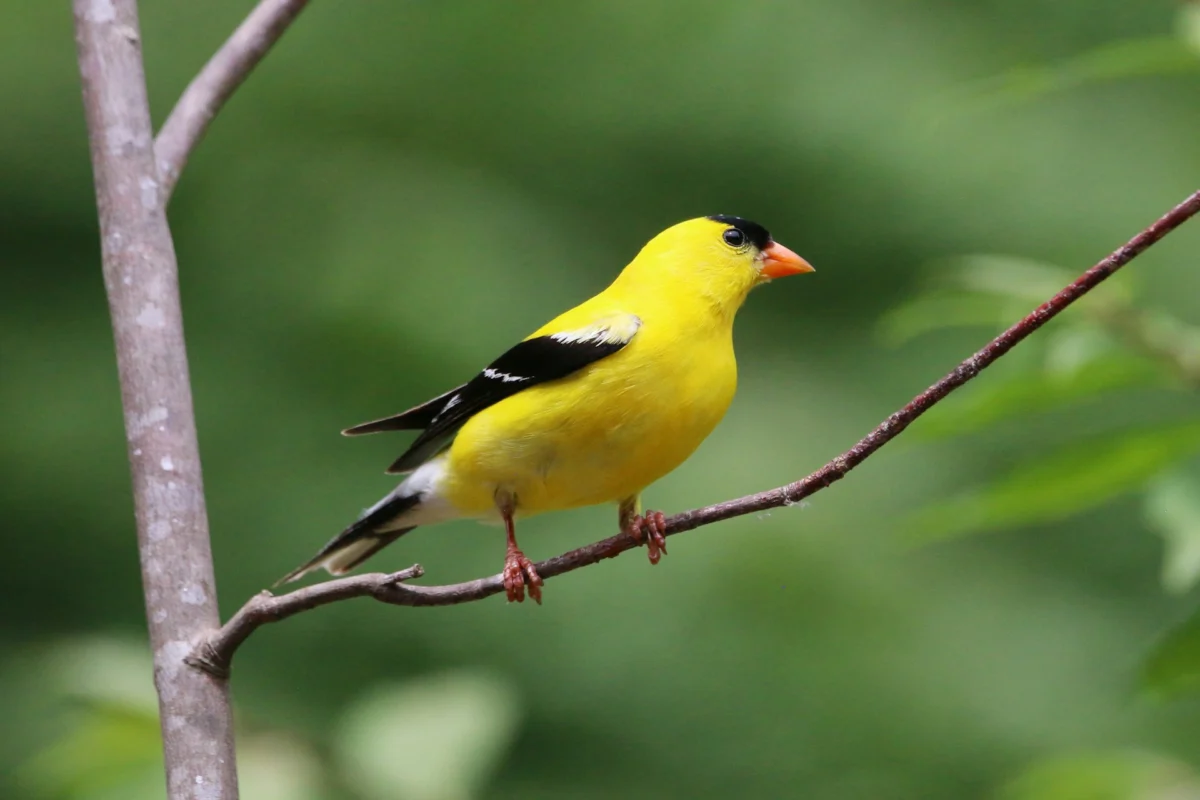
The American Goldfinch, with its striking iridescent yellow plumage and distinctive black markings, is a beloved sight for bird enthusiasts across North America. Their cheerful chirps can add a vibrant soundscape to any yard, and the desire to attract these delightful songbirds, especially during the starkness of winter, is a common aspiration for many. This guide delves into the essential strategies for creating a welcoming habitat for Goldfinches, ensuring their presence throughout the colder months and answering common questions about their behavior and biology.
Understanding the American Goldfinch: A Year-Round Resident
For residents in the northeastern United States, the American Goldfinch (Spinus tristis) offers the unique advantage of being a year-round resident. This means that efforts to attract them during winter are not about drawing migratory birds, but rather about making your existing local population feel secure and well-provisioned. Unlike many bird species that undertake long-distance migrations to escape the harshest winter conditions, American Goldfinches, particularly those in more temperate zones, adapt to the cold by altering their foraging habits and seeking out reliable food sources. This year-round presence is a key factor in understanding how to successfully invite them into your garden space when the landscape is blanketed in snow.
Five Essential Steps to Cultivate a Goldfinch Haven
Creating an inviting environment for Goldfinches in winter requires a multi-faceted approach, focusing on their dietary needs, habitat preferences, and overall safety. By implementing the following five key strategies, you can significantly increase the likelihood of these vibrant birds frequenting your backyard:
Step 1: The Art of Seed Selection
Goldfinches are primarily granivores, meaning their diet consists almost exclusively of seeds. This dietary specificity makes them relatively easy to attract compared to insectivorous birds, but it also emphasizes the importance of providing the right kinds of seeds.
Sunflower Seeds: The undisputed favorite for many Goldfinches, black oil sunflower seeds are a staple that should form the base of your feeding efforts. Their high oil content provides essential energy, crucial for surviving cold temperatures.
Thistle (Nyjer) Seed: This tiny, oil-rich seed is another highly prized food source for Goldfinches. Its small size often necessitates specialized feeders, such as thistle socks or feeders with small ports, which can also help deter larger, less desirable bird species. The unique feeding method – birds hanging from the sock and extracting seeds from the fabric – adds an engaging visual element for observers.
Seed Quality and Maintenance: It is paramount to ensure the seeds you offer are fresh and dry. Winter’s increased humidity can lead to damp, moldy seeds, rendering them unappealing and potentially harmful to birds. Regularly inspect feeders and discard any old or spoiled seed. A good rule of thumb is to replenish seed every three to four weeks, or more frequently if it shows signs of spoilage. Maintaining dry conditions within feeders is also crucial, which leads to the next important consideration: the type of feeder.
Beyond Seeds: While seeds are their primary food, Goldfinches will also supplement their diet by consuming the bark of young twigs and fresh tree buds during winter. Providing native plants that offer these natural food sources can further enhance your yard’s appeal.
Step 2: Choosing the Optimal Bird Feeder
The type of bird feeder you select plays a critical role in attracting Goldfinches and ensuring they can access their food effectively and safely.

Specialized Goldfinch Feeders: Feeders specifically designed for Goldfinches are often smaller in size and feature perches or openings that are ideally suited for their body size. This design can act as a natural deterrent to larger bird species, such as jays or grackles, ensuring that the Goldfinches have ample food without competition. This specialized design mimics the way they naturally forage, making your yard feel more like a familiar and comfortable habitat.
Mesh and Tube Feeders: Both mesh and tube feeders are excellent choices for offering thistle seed and other small seeds. Their construction often allows for good air circulation, helping to keep the seeds dry and preventing the buildup of moisture. Mesh feeders, in particular, allow birds to cling to the outside, providing a natural foraging experience.
Feeder Placement: The placement of feeders is also important. Position them in a location that offers some protection from prevailing winds and is visible from a window, allowing you to observe your visitors without disturbing them. Ideally, feeders should be placed near natural cover, such as shrubs or trees, where birds can retreat if they feel threatened.
Step 3: Cultivating a Natural Buffet with Native Vegetation
Supplementing commercial birdseed with natural food sources through native plantings can significantly enhance your yard’s attractiveness to Goldfinches and other native wildlife.
Seed-Producing Plants:
- Sunflowers: As mentioned, sunflowers are a Goldfinch favorite. Planting a variety of sunflowers provides a consistent source of their preferred seeds.
- Asters and Coneflowers: These native wildflowers produce abundant seeds that are highly sought after by Goldfinches and other small songbirds. Their prolonged blooming period also provides valuable nectar for pollinators in warmer months.
- Wild Thistle: This plant is a magnet for Goldfinches, especially in early autumn, but they will continue to seek out its seeds throughout the winter. Their ability to extract the thin seeds with remarkable precision is a testament to their specialized foraging skills.
Nesting Material and Shelter:
- Cattails, Dandelions, and Milkweed: Beyond food, Goldfinches utilize various plants for nesting material. The fluffy seeds of cattails, dandelions, and milkweed provide soft, insulating material essential for building their cup-shaped nests. While these are most critical during the breeding season, having them available can contribute to a more complete habitat.
Plants to Avoid: It’s equally important to be aware of plants that could pose a risk. Burdock, with its numerous burrs, can entangle and injure Goldfinches, so it’s advisable to avoid planting it in areas frequented by birds.
Step 4: Establishing a Secure and Welcoming Environment
Beyond food and flora, creating a sense of safety and security is paramount for encouraging Goldfinches to visit and linger.
Minimizing Competition and Predation: Goldfinches can be somewhat timid, particularly around larger bird species. While they coexist well with smaller birds like chickadees and sparrows, they may be intimidated by larger, more assertive birds such as Blue Jays. To mitigate this, consider offering a variety of feeders designed for different bird sizes. Smaller feeders with tiny perches can effectively reserve food sources for smaller birds.
Water Sources: A reliable water source is crucial year-round. Even in winter, birds need water for drinking and bathing. While open water sources can freeze, heated birdbaths or regular replenishment of fresh water can make a significant difference. The ability to bathe is essential for maintaining plumage health, which is vital for insulation during cold weather.

Step 5: The Appeal of Warm Water
The provision of warm water in winter is a nuanced but highly effective strategy for attracting Goldfinches and other birds. While it may seem like an extra step, its importance cannot be overstated.
Hygiene and Thermoregulation: Birds rely on water not only for hydration but also for preening and maintaining their feathers. Clean plumage is essential for insulation, and the ability to bathe in winter, even when ambient temperatures are low, is critical for their well-being. Freezing water sources can render these essential activities impossible.
Heated Birdbaths: Investing in a heated birdbath is an excellent way to provide a consistent, unfrozen water source throughout the winter. These devices maintain a temperature above freezing, allowing birds to drink and bathe safely.
Regular Water Changes: If a heated birdbath is not feasible, regularly emptying and refilling a standard birdbath with fresh, lukewarm water can also attract birds. While this water will eventually freeze, the temporary availability can be a lifesaver for thirsty birds. The sight and sound of moving water, even if it’s a small trickle from a dripper, can also draw their attention.
Addressing Common Questions About Goldfinches
Understanding Goldfinch behavior and biology can further enhance your efforts to attract and appreciate them.
Do Goldfinches Migrate in Winter?
The migration patterns of American Goldfinches are geographically dependent. Those residing in the northeastern United States are typically year-round residents. However, Goldfinches in more northern or western regions of the continent may undertake partial migrations, moving south to find more favorable conditions and food availability during the winter months. Some populations may travel as far south as Mexico, while others might simply shift their range to areas with less severe weather. In summer, some Goldfinches may travel north into mid-Canada to enjoy cooler temperatures. This variation in migratory behavior means that understanding your local Goldfinch population is key to successful year-round attraction.
Goldfinch Appearance: Summer vs. Winter
The American Goldfinch undergoes a significant seasonal molt, resulting in distinct visual differences between breeding and non-breeding plumage.
Males in Summer: During the spring and summer breeding season, the male American Goldfinch is a brilliant, almost luminous yellow, often with a distinctive black cap on its forehead. This vibrant coloration plays a role in courtship displays and territorial defense.
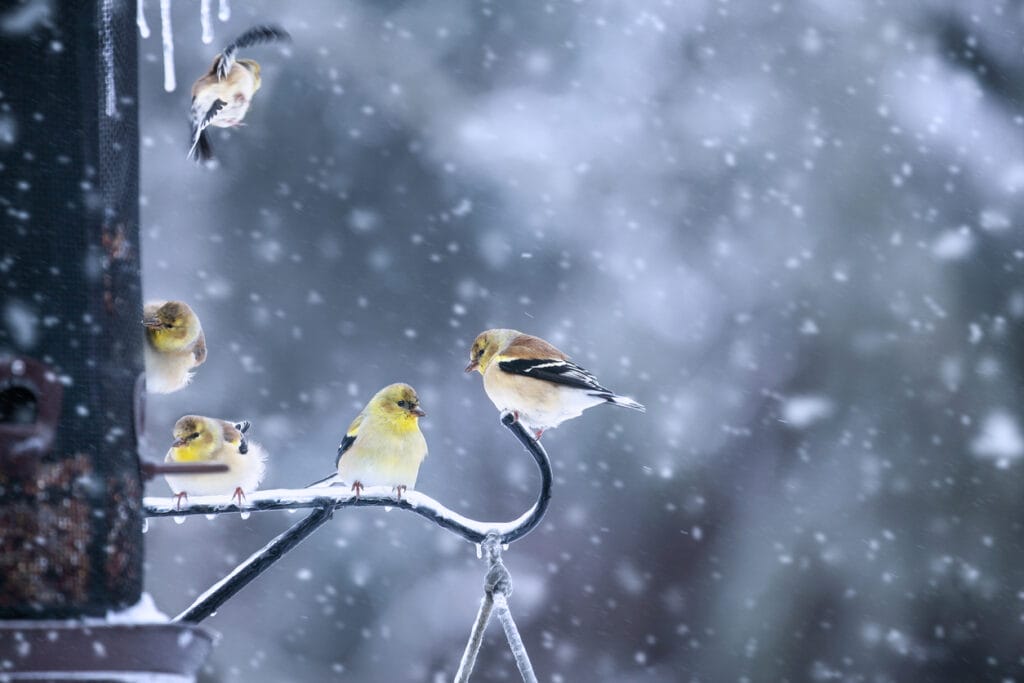
Males and Females in Winter: As autumn approaches and winter sets in, both male and female Goldfinches molt into a more subdued, brownish-gray or olive-yellow plumage. The male’s black cap often disappears or becomes less prominent. This duller coloration provides better camouflage against the winter landscape and is less conspicuous. While it can be challenging to distinguish between males and females in their winter plumage, the subtle variations in color and pattern often remain.
Juveniles: Young Goldfinches, or juveniles, typically have a duller, earthier coloring that resembles the winter plumage of adults, with hints of yellow that become more pronounced as they mature.
Expected Goldfinch Behavior
Goldfinches are known for their generally nervous disposition, often exhibiting caution around humans and larger birds. However, their attraction to reliable food sources can overcome some of this apprehension. They are typically comfortable foraging in mixed flocks of birds of similar size, demonstrating a social behavior that can lead to large groups visiting feeders.
Flocking Behavior: During non-breeding periods, it is common for American Goldfinches to form large flocks. These cohesive groups can descend upon a well-stocked feeder, creating a spectacle of fluttering yellow. While these flocking events are typical throughout the year, they are less common during the late-summer breeding season when individuals are more focused on nesting and raising young.
The Sound of a Goldfinch Song
The vocalizations of the American Goldfinch are as distinctive as their appearance. Their song is often described as a cheerful, bubbly series of chirps and trills, frequently delivered in a rapid, almost staccato rhythm. It can sound somewhat like a short, musical phrase repeated with variations.
Contact Calls and Alarm Notes: Beyond their melodic song, Goldfinches also employ various calls. When approaching a new food source or a potential danger, they may emit nervous tweets or chip-like calls. This cautious behavior, where they might hover near a feeder before committing to landing, is a common observation. In flight, they often utter a distinctive "po-ta-to-chip" call, which can be heard before the flock is visible, signaling their approach.
Conclusion: A Rewarding Endeavor
Attracting American Goldfinches to your backyard, especially during the winter months, is a rewarding endeavor that requires a thoughtful approach. By providing a consistent supply of their preferred seeds, offering specialized feeders, cultivating native plants, ensuring a safe environment, and offering a crucial water source, you can transform your yard into a vibrant sanctuary for these delightful birds. Their year-round presence in many regions makes them a constant source of joy and a testament to the biodiversity that can be fostered through mindful habitat creation. The effort invested is invariably repaid with the cheerful presence and melodic songs of these captivating finches, enriching the natural world around us even when the temperatures drop.
Frequently Asked Questions
Q1: What is the difference between a yellow finch and a goldfinch?
There is no species officially named "yellow finch" in the United States. The term might sometimes be used informally to refer to a brightly colored yellow bird. However, the most common yellow bird people might associate with this description is the Yellow Warbler, a small, round bird that is entirely yellow with some reddish streaks on its breast. The American Goldfinch, while also bright yellow, is distinguished by the male’s prominent black cap and black markings on its wings.
Q2: What is the lifespan of a goldfinch bird?
In the wild, the American Goldfinch typically has a lifespan of approximately 3 to 6 years. However, with optimal conditions and protection from predators and harsh environmental factors, some individuals may live longer.
Q3: Are goldfinches always gold?
No, American Goldfinches are not always a brilliant gold color. This vibrant yellow hue is characteristic of the breeding males during the spring and summer months, when they are actively seeking mates and establishing territories. During the non-breeding season (fall and winter), both males and females, as well as juveniles, adopt a duller, more subdued coloration, often appearing as a yellowish-brown or olive-green. This seasonal change in plumage is known as a molt.

