


In the rural stretches of southeastern Virginia, a collaborative effort between a local resident and animal welfare fieldworkers has resulted in the successful rescue and rehabilitation of two kittens, highlighting the persistent challenges of domestic animal overpopulation in the region. The kittens, now identified as Kevin and Callahan, were recovered from a property where a well-intentioned resident had become overwhelmed by a growing population of free-roaming cats. This case serves as a microcosm of a broader public health and animal welfare issue affecting rural communities across the United States, where access to affordable veterinary care and spay-neuter services remains limited.
Initial Intervention and Fieldwork Logistics
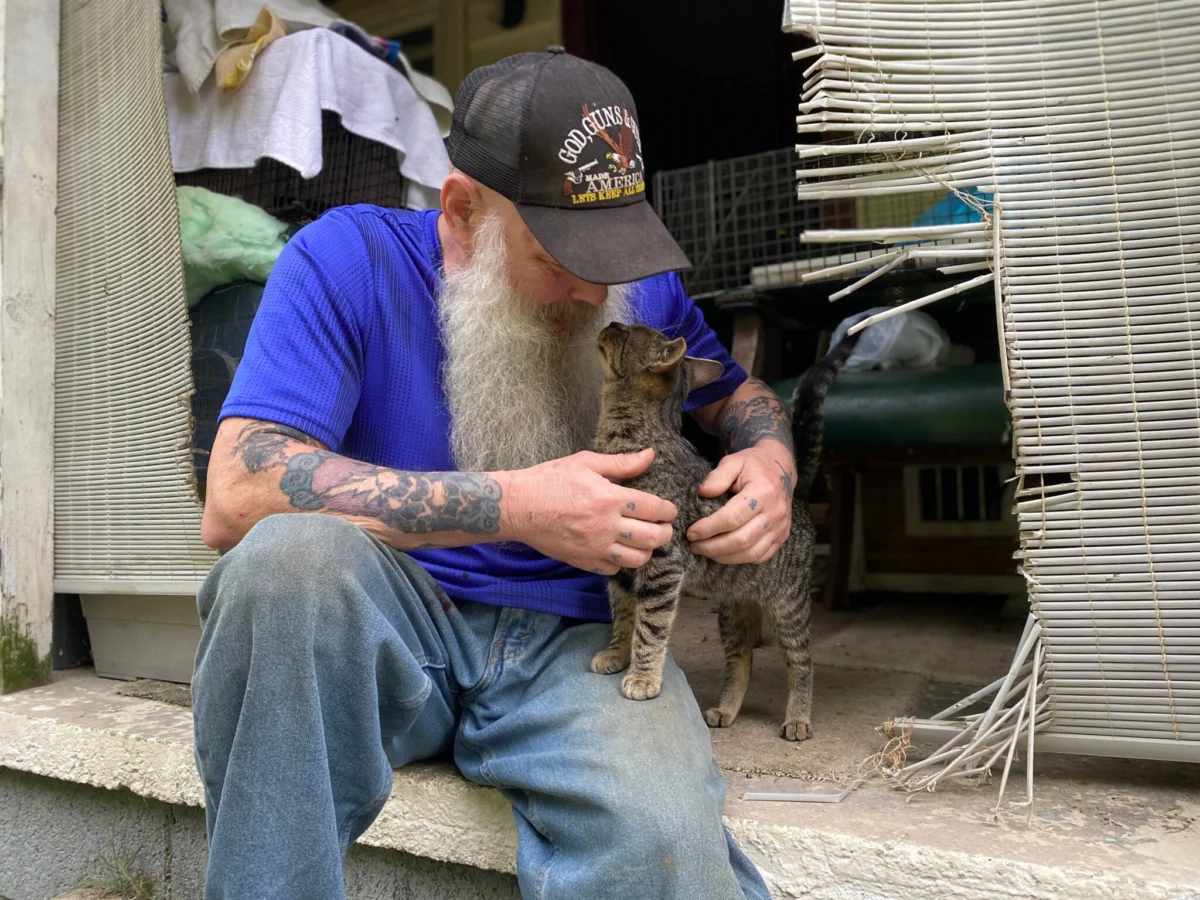
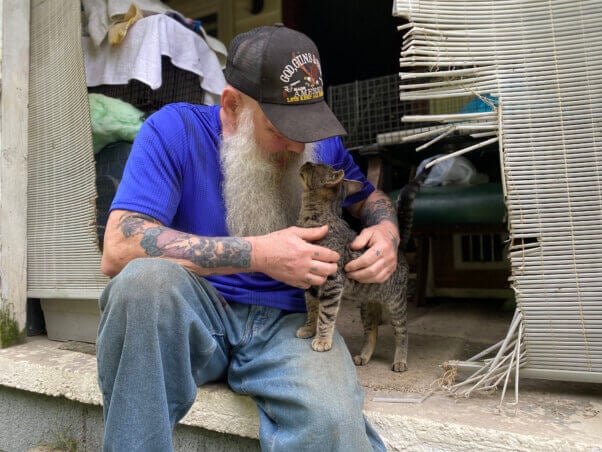
The rescue operation began when fieldworkers from People for the Ethical Treatment of Animals (PETA) Community Animal Project (CAP) conducted a routine outreach visit in a rural area of southeastern Virginia. During this visit, they encountered a male resident who had been providing food for a colony of free-roaming cats on his property. While the resident’s actions were motivated by compassion, the lack of sterilization had led to a rapid increase in the feline population, a phenomenon often referred to as "community cat saturation."
According to field reports, the resident had reached a point of being overwhelmed by the sheer number of animals requiring care. The CAP team, which operates primarily in the Hampton Roads area of Virginia and surrounding rural counties, established a rapport with the guardian to implement a long-term management strategy. This strategy focused on the "Trap-Neuter-Return-Monitor" (TNRM) philosophy, supplemented by direct intervention for animals requiring immediate medical attention.
The CAP fieldworkers initially transported several adult cats to PETA’s mobile clinics. These clinics are designed to provide high-volume, low-cost spay and neuter surgeries in underserved areas. In addition to sterilization, the animals received vaccinations and treatments for common parasites, which are prevalent in outdoor populations.
The Medical Crisis: Kevin and Callahan
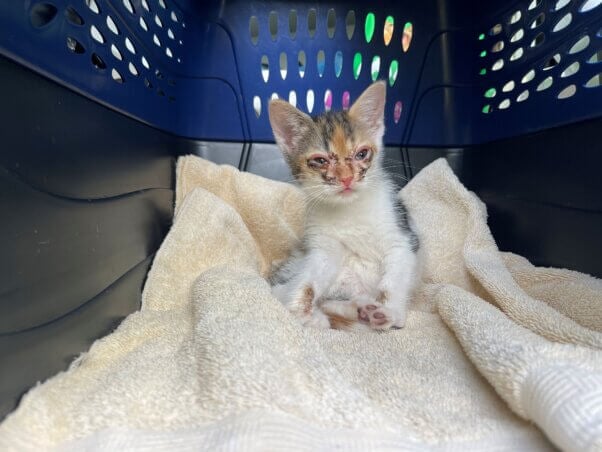
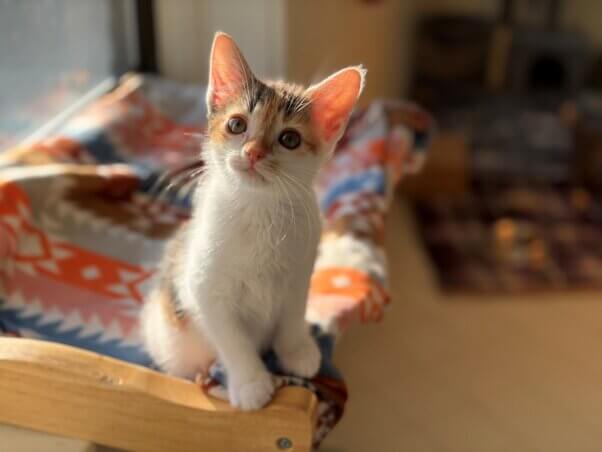
During the ongoing efforts to stabilize the colony, the guardian alerted PETA staff to the deteriorating health of two specific kittens. The first, a six-week-old calico female named Callahan, was suffering from a severe Upper Respiratory Infection (URI). Clinical observations noted that her eyes were heavily congested with discharge, putting her at risk of permanent ocular damage or total blindness if left untreated.
Upper Respiratory Infections in kittens are frequently caused by feline herpesvirus-1 (FHV-1) or feline calicivirus (FCV). In outdoor environments, these infections can be exacerbated by secondary bacterial infections, leading to pneumonia or severe dehydration. Given the kitten’s age and the severity of her symptoms, the guardian opted to relinquish custody to PETA to ensure she received the intensive veterinary care required for survival.
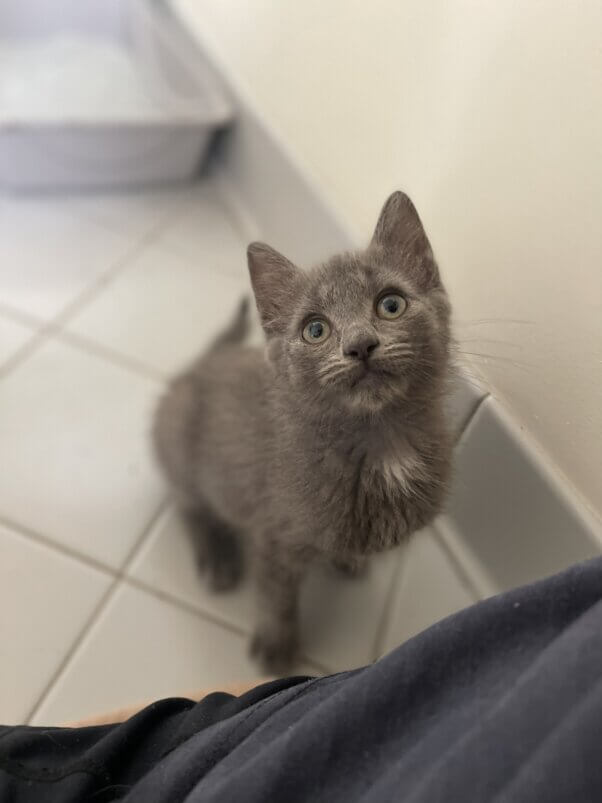
Only 48 hours after Callahan was taken into care, the guardian utilized the CAP emergency pager system to report a second kitten in distress. This kitten, a seven-week-old solid-gray male named Kevin, exhibited similar respiratory distress. Fieldworkers described his breathing as labored and audible, a sign of advanced congestion. Like Callahan, Kevin was surrendered to the organization for immediate medical intervention.
Rehabilitation and Foster Care Chronology
Upon intake, both kittens were placed under a strict medical regimen. This included the administration of broad-spectrum antibiotics to combat secondary infections, antiviral medications, and topical ophthalmic ointments to clear their vision. Nutritional support was also a priority, as kittens with URIs often lose their sense of smell, leading to a refusal to eat.
Following their initial stabilization at the shelter, Kevin and Callahan were moved into a specialized foster home. Foster care is a critical component of the rehabilitation process, as it removes vulnerable animals from the stressful environment of a high-volume shelter and places them in a controlled setting where their health can be monitored 24/7.
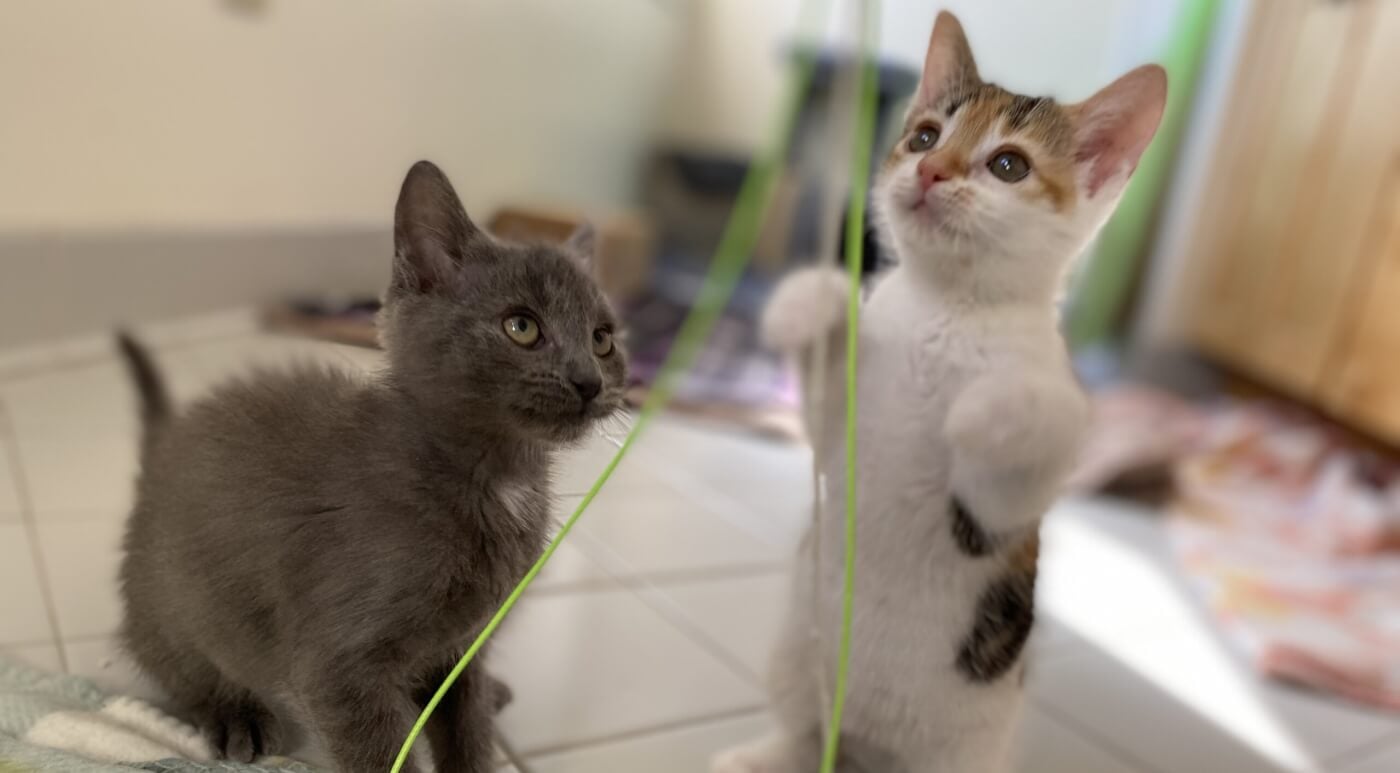
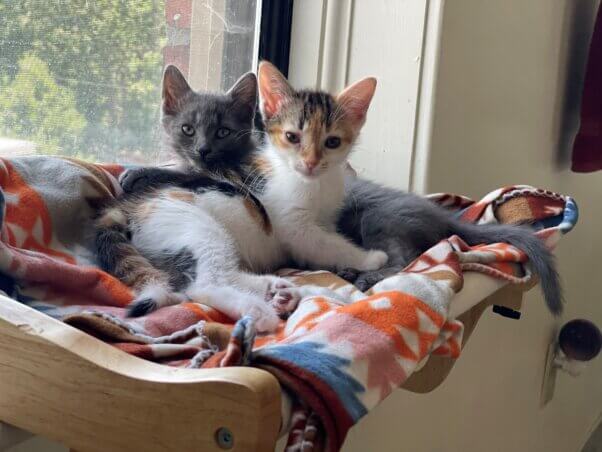
An interesting development occurred during the fostering phase: despite being from the same general property, it was unclear if the two kittens were from the same litter. However, once paired together in foster care, they formed a strong social bond. Behavioral experts note that "bonded pairs" of kittens often recover faster from illness due to the reduction in cortisol levels associated with social companionship and play.
By the time the kittens reached eight weeks of age, both had successfully cleared their infections. They have since been cleared for sterilization and vaccination, the final steps before being made available for permanent adoption.
Data and Regional Context: The Virginia Overpopulation Crisis
The situation in southeastern Virginia is reflective of statewide trends regarding animal homelessness. According to data from the Virginia Department of Agriculture and Consumer Services (VDACS), Virginia shelters take in tens of thousands of cats annually. In 2023, the data indicated that while adoption rates are rising, the influx of kittens during "kitten season" (typically spring through autumn) continues to strain municipal and private resources.
Rural areas are particularly susceptible to these surges. In many southeastern Virginia counties, there is a significant distance between residential areas and the nearest full-service veterinary clinic. Furthermore, the socioeconomic status of these regions often means that the cost of private spay/neuter surgeries—which can range from $200 to $500—is prohibitive for residents who are trying to help stray animals.
PETA’s Community Animal Project was established to fill this gap. In the last fiscal year, the program reported providing services to over 25,000 animals in the Hampton Roads area. These services include not only sterilization but also the provision of sturdy doghouses, straw bedding, and emergency veterinary care for residents who would otherwise have no recourse.
Analysis of Implications: Collaboration Over Confrontation
A significant takeaway from the rescue of Kevin and Callahan is the efficacy of a collaborative approach between animal rights organizations and rural residents. The original guardian of the kittens did not fit the stereotypical profile of an animal welfare advocate, yet his willingness to seek help was the determining factor in the kittens’ survival.
"This case demonstrates that the barrier to proper animal care in rural communities is often not a lack of compassion, but a lack of resources," stated a representative from the Community Animal Project in a brief internal assessment. By providing a non-judgmental point of contact, welfare organizations can prevent animal hoarding situations before they escalate into legal or public health crises.
Furthermore, the transition of Kevin and Callahan from sickly, outdoor-dwelling kittens to healthy, indoor-ready pets highlights the importance of early intervention. The cost of treating a severe URI and rehabilitating a kitten is significantly higher than the cost of a preemptive spay/neuter surgery for the parent cat. This underscores the economic argument for subsidized sterilization programs as a means of reducing the financial burden on local shelters and taxpayers.
Current Status and Adoption Outlook
As of the current reporting period, Kevin and Callahan have been designated as a bonded pair for adoption purposes. PETA’s adoption department has indicated that they are seeking a single household capable of accommodating both kittens to preserve their social bond.
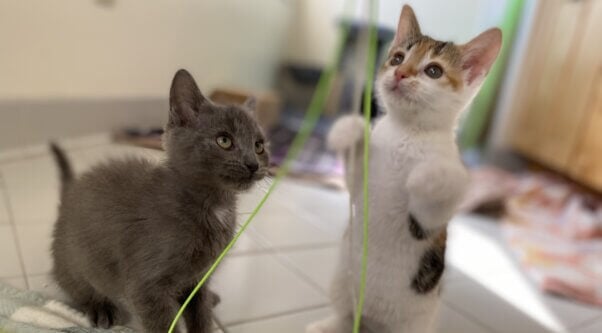
The kittens have undergone a full behavioral assessment and are described as highly socialized and energetic. They have transitioned from a diet of specialized recovery food to standard high-quality kitten kibble and are meeting all developmental milestones for their age group.
The organization plans to facilitate their transport to a "forever home" once a suitable applicant has been vetted. This process includes an application review, a reference check, and an interview to ensure the prospective adopters understand the long-term commitment of cat ownership, which can span 15 to 20 years.
Conclusion: A Milestone for Regional Welfare
The story of Kevin and Callahan concludes a chapter of intensive fieldwork in rural Virginia, but the broader mission of the Community Animal Project continues. The successful recovery of these two animals serves as a reminder of the ongoing need for mobile veterinary services and community outreach.
As "Cat World Domination Day" approaches—a lighthearted social media event mentioned by the staff—the reality for many cats in rural Virginia remains a struggle for survival. However, through the continued efforts of fieldworkers and the cooperation of local residents, the trajectory for animals like Kevin and Callahan is shifting from one of neglect to one of stability and care. The case remains a prominent example of how targeted intervention can mitigate the effects of the overpopulation crisis, one animal at a time.

