


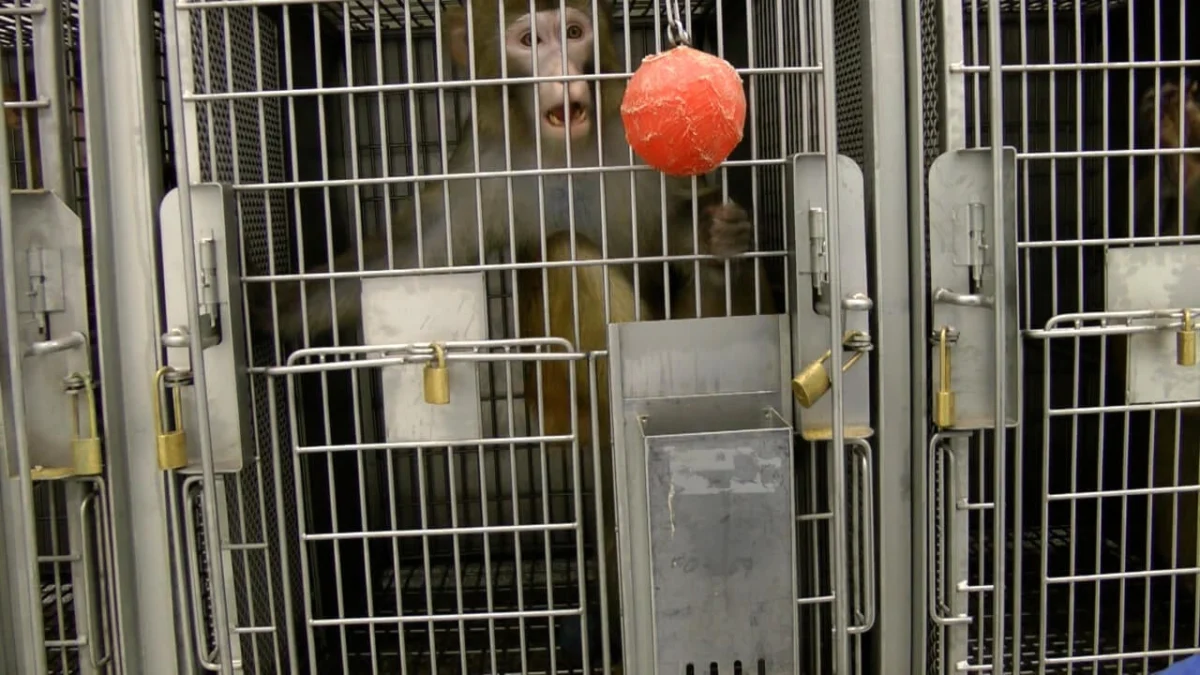
The University of Washington’s National Primate Research Center (WaNPRC) is once again under intense public and regulatory scrutiny following reports of significant procedural errors in high-stakes maternal-fetal experiments. At the center of the controversy is Dr. Kristina Adams Waldorf, the center’s associate director for research and a prominent figure in obstetric and gynecological studies. Recent disclosures from internal university meetings and public records requests have highlighted a series of alleged blunders involving the misadministration of experimental substances, leading to the loss of millions of dollars in federal grant money and the termination of dozens of non-human primates without viable scientific results.
The allegations, brought to light by advocacy groups and internal observers, suggest a pattern of "procedural drift" within the laboratory. These incidents have sparked a broader debate regarding the efficacy of primate-based research models, the rigor of institutional oversight, and the ethical implications of animal experimentation when basic scientific protocols—such as dosage verification and drug labeling—are reportedly ignored.
The Scope of Maternal-Fetal Research at WaNPRC
Dr. Kristina Adams Waldorf has built an extensive career focusing on the impact of viral and bacterial infections on pregnancy. Over the past decade, her research has been heavily supported by the National Institutes of Health (NIH), with funding totaling approximately $26 million. The primary objective of these studies is to understand how pathogens like the Zika virus, Group B Streptococcus, and various strains of influenza cross the placental barrier to affect fetal development, particularly brain health.
The methodology for these experiments typically involves infecting pregnant pigtail macaques at various stages of gestation. Researchers then monitor the progression of the infection before performing cesarean sections to extract fetal tissues, specifically brain and organ samples, for analysis. While the scientific community often views these models as critical for developing vaccines and treatments for human neonatal health, the high cost—both financial and ethical—places a significant burden of proof on the researchers to maintain impeccable standards of accuracy.
Chronology of Reported Experimental Failures
The current controversy stems from two primary incidents that suggest a breakdown in laboratory management and oversight.
The 2024 Swine Flu Study Error
In November 2024, reports surfaced regarding a long-term study led by Dr. Waldorf involving the swine flu virus. The experiment, which had been ongoing for two years, was designed to test the efficacy of specific therapeutic interventions in pregnant primates. However, it was discovered that the laboratory had been administering the incorrect drug to the subjects for the duration of the study.
The error went undetected by laboratory staff, internal auditors, and the attending veterinary team for 24 months. Consequently, the data collected from the 10 macaques involved in the study were deemed scientifically unusable. The failure resulted in the loss of nearly $4 million in federal funding and the unnecessary euthanasia of the animals involved, as the experimental parameters had been fundamentally compromised.
The May 2026 Dosing Incident
The second major incident occurred more recently and was discussed during a May 21, 2026, meeting of the University of Washington’s Institutional Animal Care and Use Committee (IACUC). During this session, it was revealed that Dr. Waldorf’s team had injected pregnant monkeys with an incorrect dosage of a lab-created protein. This protein was intended to simulate an immune response to study its effects on fetal development.
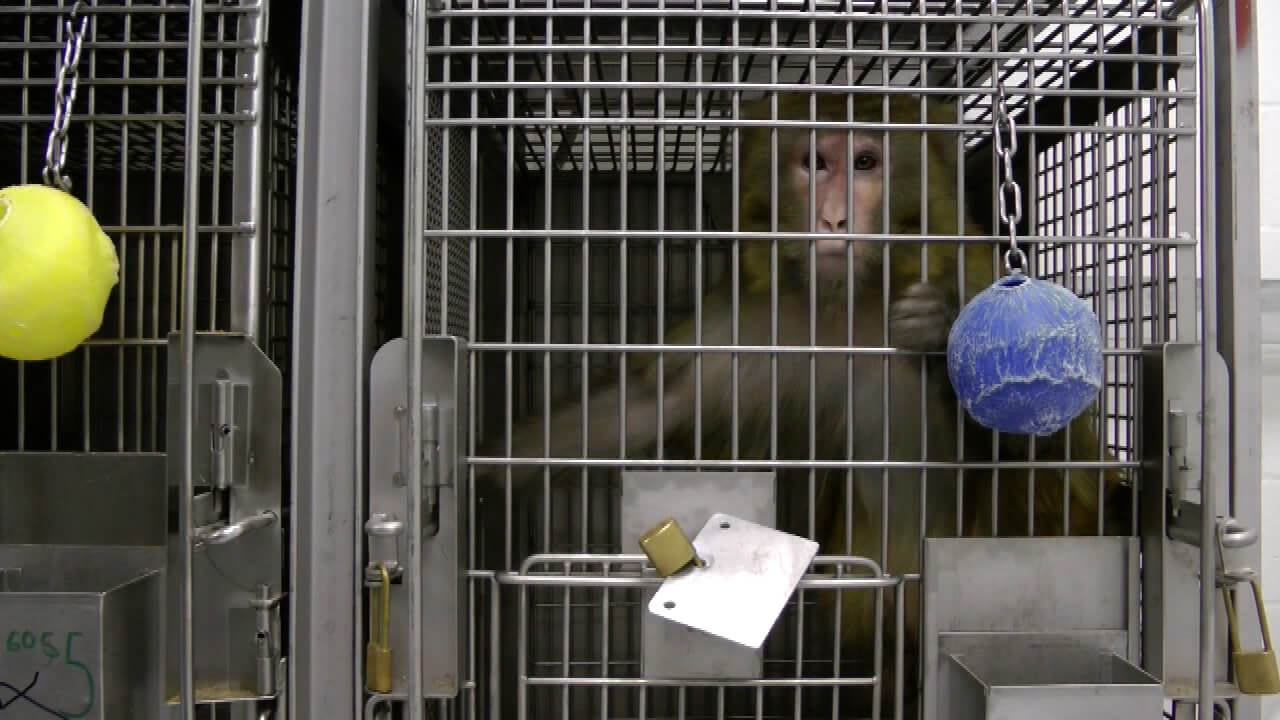
Despite the error, the university’s animal care committee and the attending veterinarian reportedly downplayed the severity of the mistake. They argued that because the experiment was "terminal"—meaning the animals were scheduled to be euthanized regardless of the error—no "additional" suffering was caused. Furthermore, the committee suggested that Dr. Waldorf could "account" for the incorrect dosage during the final data analysis phase. Critics, however, argue that such a fundamental error in basic chemistry and protocol undermines the validity of the entire study and reflects a lack of basic scientific rigor.
Institutional Oversight and Regulatory Complaints
The University of Washington’s IACUC serves as the primary internal regulatory body responsible for ensuring that all animal research complies with federal laws, including the Animal Welfare Act. The committee is tasked with approving experimental protocols, inspecting facilities, and investigating reports of non-compliance.
However, the handling of the Waldorf incidents has raised questions about the independence and effectiveness of the IACUC. Following the disclosure of the May 2026 dosing error, People for the Ethical Treatment of Animals (PETA) filed a formal complaint with the University of Washington’s Board of Regents and the NIH. The advocacy group is now calling for a comprehensive investigation by the Office of Laboratory Animal Welfare (OLAW), the federal arm of the NIH responsible for enforcing compliance in animal laboratories.
PETA’s complaint alleges that the WaNPRC has fostered a culture of "accountability avoidance," where high-ranking researchers are shielded from the consequences of professional incompetence. They point to the fact that despite the $4 million loss in 2024, no immediate suspensions or significant disciplinary actions were taken against Dr. Waldorf’s laboratory.
Data and Financial Implications
The financial stakes of primate research are considerable. The WaNPRC receives tens of millions of dollars annually from the NIH to maintain its facilities and fund its research staff. When experiments fail due to procedural errors, the loss extends beyond the immediate grant money; it represents a waste of taxpayer resources and a setback for the specific medical fields the research aims to advance.
According to NIH RePORTER data, Dr. Waldorf’s projects have consistently ranked among the highest-funded at the university. Between 2016 and 2026, her lab received funding for multiple high-profile projects, including:
- Zika Virus Pathogenesis: Investigating the mechanisms of microcephaly and fetal brain injury.
- Influenza in Pregnancy: Studying the maternal immune response and its impact on neonatal outcomes.
- Antibiotic Efficacy: Testing treatments for intrauterine infections.
The failure of a $4 million study represents roughly 15% of the total funding allocated to her lab over the last decade. In the competitive world of federal grants, such a failure rate in private sector R&D would typically result in the immediate termination of a project and a freeze on future funding.
Broader Context: Challenges at the WaNPRC
The issues surrounding Dr. Waldorf are not isolated incidents within the WaNPRC. The center has faced a series of controversies over the past decade, ranging from animal escapes and facility maintenance issues to the hiring of controversial researchers.
In recent years, the center has been criticized for its recruitment of Michele Basso, a researcher whose previous work at other institutions had been the subject of animal welfare investigations. These recurring themes of administrative friction and regulatory non-compliance have led some members of the public and the scientific community to question whether the WaNPRC is capable of self-regulation.
Furthermore, the center’s geographic location and aging infrastructure have posed logistical challenges. Internal documents have previously highlighted issues with lead-contaminated water and inadequate housing for the primate colonies, adding another layer of complexity to the welfare concerns raised by activists.
The Scientific Debate: Primate Models vs. Alternatives
The controversy at the University of Washington feeds into a larger global debate about the future of biomedical research. Proponents of primate research argue that non-human primates (NHPs) are the only models that sufficiently mimic human physiology, particularly in complex areas like maternal-fetal medicine and neurobiology. They contend that vaccines for Ebola, COVID-19, and the development of life-saving prenatal interventions would be impossible without NHP studies.
Conversely, a growing movement within the scientific community is advocating for the "Research Modernization Deal." This strategy focuses on transitioning away from animal models in favor of human-relevant methods, such as:
- Organ-on-a-chip technology: Microchips lined with living human cells that mimic the functions of human organs.
- Advanced 3D Bioprinting: Creating human tissue structures to test drug toxicity and efficacy.
- In-silico modeling: Using high-powered computer simulations to predict biological responses.
Critics of the WaNPRC argue that the repeated failures in primate labs demonstrate that these models are not only ethically problematic but also prone to human error that can render years of work useless. They suggest that if $26 million had been invested in human-based alternative technologies, the field of maternal-fetal medicine might have seen more reliable and translatable breakthroughs.
Conclusion and Potential Implications
As the NIH and OLAW consider the formal complaints filed against Dr. Waldorf and the University of Washington, the outcome could have significant implications for the future of the WaNPRC. If the federal government finds that the university failed to maintain adequate oversight, it could result in fines, the suspension of grant funding, or a mandate for structural changes within the research center’s leadership.
For Dr. Waldorf, the scrutiny marks a pivotal moment in her career. As a leader within the institution, her ability to maintain scientific integrity is paramount. The reports of two years of incorrect drug administration and subsequent dosing errors present a challenge to the credibility of her lab’s output.
The situation at the University of Washington serves as a case study in the complexities of modern scientific research. It highlights the tension between the pursuit of medical advancement and the necessity for rigorous, error-free execution of protocols. As the public demands greater transparency in how their tax dollars are used, the pressure on institutions like the WaNPRC to prove their value—and their competence—will only continue to grow. For now, the scientific community and the public await the findings of the federal oversight bodies to determine if the "rare instances" cited by the university are, in fact, part of a more systemic failure.

