


When pet bird owners observe their feathered companions meticulously attending to their plumage, it is often a comforting sign of good health and natural behavior. However, a subtle shift in this routine can quickly become a cause for concern, signaling the onset of feather plucking – a complex and often distressing condition where birds excessively damage or remove their own feathers. This abnormal behavior, distinct from natural molting or preening, can escalate rapidly, leading to significant health issues, discomfort, and even self-mutilation if not addressed promptly and appropriately. Early detection and understanding the underlying drivers are paramount to mitigating its progression and fostering a healthier outcome for affected birds.
Distinguishing Normal Feather Care from Destructive Behavior
The initial challenge for many bird owners lies in differentiating between normal avian behaviors and the early signs of plucking. Birds naturally engage in two primary feather-related activities: molting and preening.
Molting: This is a physiological process where birds naturally shed old or damaged feathers to make way for new growth. It typically occurs seasonally, with feathers falling out a few at a time in a symmetrical pattern across the body. The appearance of pin feathers – new feathers emerging encased in a waxy sheath – is a characteristic sign of molting. During this period, birds may appear slightly disheveled, and an increase in loose feathers on the cage floor is expected. This process is essential for maintaining flight efficiency, insulation, and overall feather health.
Preening: Preening is a daily grooming ritual where birds use their beaks and tongues to clean, smooth, and realign their feathers. They distribute preen oil (secreted from the uropygial gland near the tail base) to waterproof and condition their plumage. A healthy preening bird moves calmly and methodically, attending to different body parts, ensuring each feather lies flat and smooth. This behavior is crucial for feather maintenance and often serves as a social bonding activity among flock members.
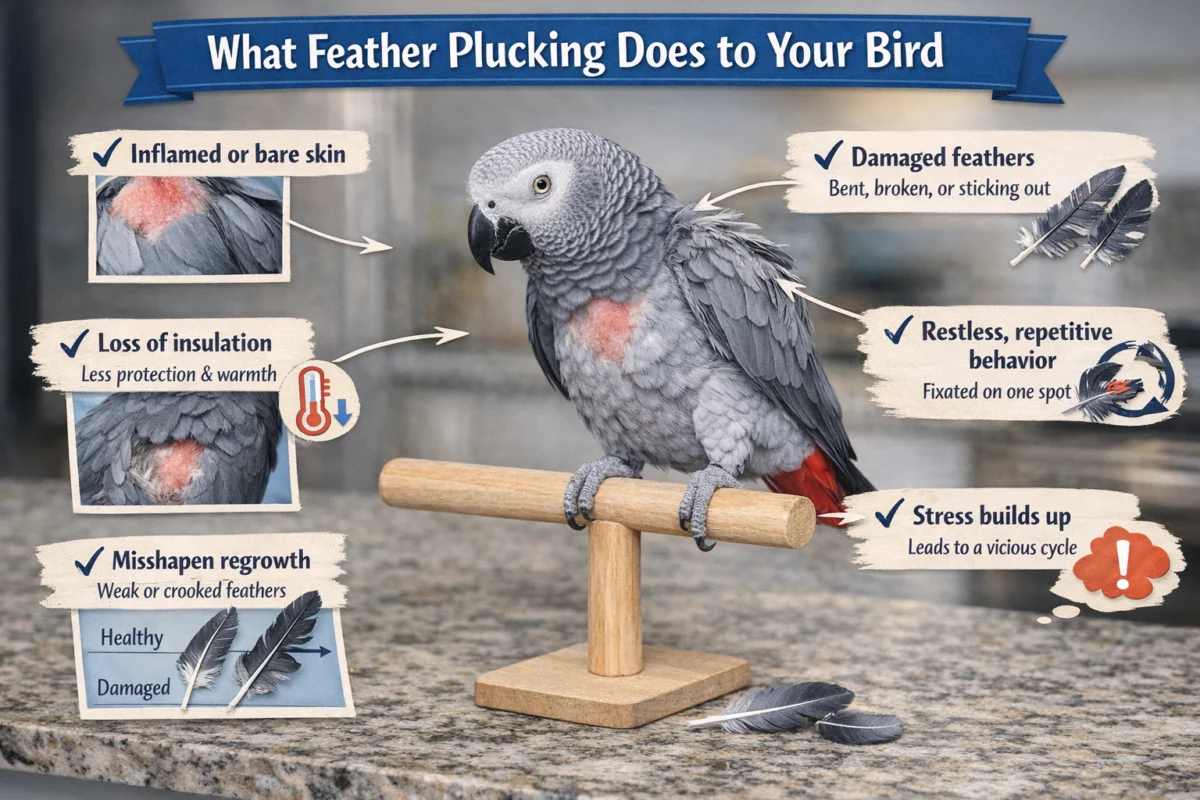
Feather Plucking: In stark contrast, feather plucking is an abnormal, often obsessive behavior characterized by a bird intensely fixating on specific areas of its body, digging, chewing, snapping, or pulling at its feathers repeatedly. Unlike molting, the feathers are damaged rather than naturally shed, often appearing broken, ragged, or completely absent in localized patches. The behavior is typically non-symmetrical, leading to bald spots or thin plumage, particularly on the chest, legs, and under the wings – areas the bird can reach. The destructive nature of plucking can rapidly escalate from damaging feathers to injuring the underlying skin, a condition known as self-mutilation. This involves aggressive pecking, tearing, or chewing at the skin, creating open wounds, infections, and significant pain, requiring immediate veterinary intervention.
The Multifaceted Origins of Avian Feather Plucking
Feather plucking rarely arises spontaneously; it is almost always a symptom of an underlying physical or psychological distress. Veterinary research and avian behavioral studies indicate that plucking can stem from a complex interplay of medical, environmental, nutritional, and psychological factors. It is estimated that up to 10-15% of captive parrots, particularly species like African Greys, Cockatoos, and Macaws, may exhibit some form of feather destructive behavior, highlighting its prevalence and the challenges associated with captive avian welfare.
1. Medical Causes: These are often the first factors an avian veterinarian will investigate.
- Dermatological Issues: Skin infections (bacterial, fungal, parasitic), allergies (food or environmental), dry skin, or skin tumors can cause intense itching and discomfort, prompting the bird to pluck to alleviate irritation.
- Internal Organ Disease: Liver disease, kidney disease, or other metabolic disorders can manifest as poor feather quality, discomfort, or systemic itching.
- Nutritional Deficiencies: A diet lacking essential vitamins (especially Vitamin A), minerals, amino acids, or fatty acids can lead to brittle feathers, poor skin health, and a compromised immune system, making the bird more susceptible to plucking. Seed-only diets are particularly notorious for contributing to these deficiencies.
- Hormonal Imbalances: Reproductive hormones, especially in sexually mature birds, can trigger excessive preening or plucking, often linked to nesting behaviors or chronic egg laying.
- Pain: Underlying pain from arthritis, injury, or internal conditions can cause a bird to pluck at the affected area.
- Toxic Exposure: Ingestion or exposure to environmental toxins (e.g., heavy metals like lead or zinc, certain household chemicals) can lead to systemic illness and skin irritation.
2. Environmental Factors: The captive environment plays a crucial role in a bird’s well-being.
- Low Humidity: Many parrot species originate from tropical or subtropical climates. Dry indoor air can lead to dry, itchy skin and brittle feathers, encouraging plucking.
- Lack of Sunlight/UVB: Natural sunlight or full-spectrum UVB lighting is vital for Vitamin D synthesis, which in turn impacts calcium absorption and overall health. Its absence can contribute to nutritional deficiencies and bone health issues, potentially leading to plucking.
- Poor Cage Hygiene: Unsanitary conditions can foster bacterial or fungal growth, leading to skin infections.
- Inadequate Cage Size/Setup: A cage that is too small, lacks appropriate perches, or is poorly arranged can cause stress, frustration, and physical discomfort.
- Exposure to Irritants: Dust, smoke, chemical fumes, or strong fragrances can irritate a bird’s respiratory system and skin.
3. Behavioral and Psychological Factors: These are often the most challenging to diagnose and address.
- Boredom and Lack of Enrichment: Highly intelligent and social birds require constant mental stimulation. Without sufficient toys, foraging opportunities, and interaction, they can become bored, frustrated, and resort to plucking as an outlet for pent-up energy or anxiety.
- Stress and Anxiety: Changes in routine, new pets, household conflict, loneliness, perceived threats, or a lack of predictable social interaction can induce chronic stress. Birds may self-soothe by plucking.
- Social Isolation: Parrots are flock animals. A bird kept alone without sufficient human interaction or another avian companion can suffer from severe loneliness and develop neurotic behaviors, including plucking.
- Over-bonding with Owner: An overly dependent relationship can lead to extreme separation anxiety, triggering plucking when the owner is absent.
- Learned Behavior: Once plucking becomes a habit, even if the initial cause is resolved, the behavior can persist due to the release of endorphins, which can make plucking feel rewarding.
- Sleep Deprivation: Birds require 10-12 hours of uninterrupted sleep in a dark, quiet environment. Insufficient rest can lead to stress and behavioral issues.
Recognizing the Signs: A Chronology of Progression
The progression of feather plucking often follows a timeline, from subtle cues to overt damage. Owners should remain vigilant for:
- Initial Stage (Weeks 1-4): Increased attention to specific feather areas, prolonged preening sessions, minor feather damage (e.g., chewed feather tips, ruffled appearance), a slight increase in broken feathers on the cage floor. The bird may appear to be "over-preening."
- Established Stage (Months 1-6): Noticeable thinning of plumage in accessible areas (chest, legs, inner wings), patches of dull or discolored feathers, the presence of skin irritation or redness beneath the sparse feathers. The behavior becomes more frequent and difficult to interrupt.
- Chronic Stage (Beyond 6 Months): Significant feather loss, leading to bald patches; visible skin irritation, inflammation, or scabbing. The bird may pick at its skin, developing sores or open wounds (self-mutilation). The behavior is often compulsive and deeply ingrained.
Quick Self-Check for Owners:

- Are feathers appearing broken or chewed, rather than smoothly shed?
- Is your bird focusing intensely on one specific area for extended periods?
- Are there bald spots or thinning plumage in areas the bird can reach (not typically the head or neck)?
- Does the skin beneath the feathers appear red, irritated, or damaged?
- Has there been a recent change in diet, environment, or household routine?
The Progressive Impact on Avian Health
The consequences of feather plucking extend far beyond cosmetic damage. The sustained destruction of feathers and skin has severe implications for a bird’s physical and psychological well-being.
- Compromised Thermoregulation: Feathers provide vital insulation. Their loss impairs the bird’s ability to maintain body temperature, making it susceptible to chilling or overheating.
- Loss of Physical Protection: Feathers act as a protective barrier against minor injuries and environmental elements. Exposed skin is vulnerable to scrapes, bruising, and sunburn.
- Skin Irritation and Infection: Constant picking and chewing irritate the skin, leading to inflammation, redness, and open wounds. These lesions are prime entry points for bacterial, fungal, or yeast infections, which can become systemic.
- Damaged Follicles and Poor Regrowth: Persistent trauma to feather follicles can result in permanently damaged or deformed new feather growth. Feathers may grow back weak, bent, misaligned, or not at all.
- Chronic Pain and Discomfort: Inflamed skin, open wounds, and damaged follicles cause ongoing pain and discomfort, further perpetuating the plucking cycle as the bird attempts to alleviate the irritation.
- Increased Stress and Anxiety: The physical discomfort, coupled with the underlying cause of plucking, creates a vicious cycle of stress. The bird’s overall quality of life diminishes significantly.
- Behavioral Entrenchment: The behavior can become deeply ingrained and compulsive. As Dr. Jane Doe, an avian veterinarian specializing in behavioral medicine, notes, "Once feather plucking becomes a chronic habit, it’s not just about addressing the initial trigger. The bird’s brain has rewired itself to find a perverse sense of relief or even pleasure from the act, making reversal a long and arduous journey."
Immediate Steps for Concerned Owners
If feather plucking is suspected, prompt action is crucial.
- Schedule an Avian Veterinary Appointment: This is the most critical first step. A qualified avian veterinarian can perform a thorough physical examination, diagnostic tests (blood work, skin cultures, feather biopsies), and rule out medical causes. They can also provide guidance on pain management or anti-inflammatory treatments if skin irritation is present.
- Document Observations: Keep a detailed log of when the plucking occurs, which areas are affected, any associated behaviors, changes in diet or environment, and the bird’s overall demeanor. This information is invaluable for the vet.
- Assess the Environment: Review the bird’s cage, diet, and daily routine. Ensure the cage is adequately sized, clean, and provides a variety of perches and toys. Check for potential environmental irritants.
- Increase Humidity: Consider using a humidifier near the cage or offering regular supervised showers/mists.
- Provide Enrichment: Immediately introduce new, stimulating toys, foraging opportunities, and safe chew items to divert attention.
Long-Term Intervention Strategies: A Holistic Approach
Addressing feather plucking requires a comprehensive, multi-pronged strategy tailored to the individual bird’s needs, often developed in consultation with an avian veterinarian and/or a certified avian behaviorist. There is no "magic bullet"; success typically hinges on a combination of changes.
1. Medical Management:
- Treating underlying medical conditions (e.g., antibiotics for infections, antiparasitics, allergy medications).
- Dietary supplementation for deficiencies (e.g., Vitamin A, Omega-3 fatty acids).
- Pain management for skin irritation or underlying discomfort.
- Hormonal therapy in some cases of reproductively driven plucking.
- In severe cases of self-mutilation, Elizabethan collars or protective garments may be temporarily necessary to prevent further injury while treatments take effect.
2. Nutritional Optimization:
- Transitioning from a seed-based diet to a high-quality pelleted diet (80% of daily intake) supplemented with fresh vegetables, fruits, and small amounts of healthy grains.
- Ensuring adequate intake of essential fatty acids (e.g., from flaxseed, chia seeds, palm oil) for skin and feather health.
- Providing clean, fresh water daily.
3. Environmental Enrichment:
- Foraging Opportunities: Hide food in toys, shreddable materials, or puzzle feeders to mimic natural foraging behaviors, keeping the bird mentally engaged for hours.
- Variety of Toys: Rotate different types of toys regularly (chewable, shreddable, puzzle, climbing) to prevent boredom.
- Safe Chew Items: Offer natural branches (e.g., untreated apple, willow), untreated wood blocks, and other safe chew toys.
- Space and Freedom: Provide the largest cage possible and offer supervised out-of-cage time in a bird-safe environment daily.
- Appropriate Lighting: Ensure access to natural daylight and consider full-spectrum UVA/UVB lighting for indoor birds.
- Humidity: Maintain adequate humidity levels, especially for species from tropical regions.
4. Behavioral Modification:
- Increase Social Interaction: Spend quality time with your bird daily, engaging in positive reinforcement training, talking, and gentle petting (only in appropriate, non-sexual areas).
- Reduce Stressors: Identify and minimize sources of stress, such as loud noises, sudden changes, or perceived threats. Provide a consistent routine.
- Adequate Sleep: Ensure 10-12 hours of uninterrupted sleep in a quiet, dark room.
- Training and Positive Reinforcement: Teach your bird new tricks or behaviors to provide mental stimulation and build a stronger bond. Reward calm, non-plucking behavior.
- Discourage Negative Attention: Avoid inadvertently reinforcing plucking by giving attention (even negative attention) when the bird plucks. Instead, redirect attention to positive activities.
- Avian Behaviorist Consultation: For complex cases, a certified avian behaviorist can help identify specific triggers and develop a customized behavior modification plan. John Smith, a renowned avian behavior consultant, emphasizes, "Behavioral intervention requires patience and consistency. It’s about changing the bird’s internal state and external environment simultaneously, often taking months to see significant progress."
When This Becomes Urgent
Certain signs indicate that a bird’s condition has escalated to an urgent level, requiring immediate veterinary attention:
- Bleeding Wounds: Any active bleeding from plucked skin or feather follicles.
- Open Sores or Deep Lesions: Wounds that appear infected, swollen, or are causing obvious pain.
- Lethargy or Loss of Appetite: These can indicate systemic infection or severe discomfort.
- Rapid Deterioration: A sudden and significant increase in plucking or self-mutilation.
- Changes in Droppings: Abnormal droppings can signal internal illness.
At this point, the bird is not just coping; it is struggling with significant physical and psychological distress.
The Path to Recovery and Prevention
Most birds do not randomly pluck; they are reacting to an internal or external imbalance. Once the underlying drivers are identified and consistently addressed, the pattern can begin to change. Recovery is often a slow process, requiring immense patience and dedication from the owner. Feathers take time to regrow, and behavioral habits take time to break.
The broader implications of feather plucking underscore the responsibilities of avian pet ownership. These intelligent and sensitive creatures thrive in complex environments that mimic their natural habitats. When confined, their welfare is entirely dependent on human custodianship. Feather plucking serves as a stark reminder that pet birds require far more than just food and water; they need rich environments, species-appropriate diets, extensive social interaction, mental stimulation, and proactive veterinary care. Organizations like Parrot Sanctuary frequently highlight that many birds surrendered to rescue centers exhibit feather destructive behaviors, often due to a lifetime of unmet needs. By understanding and addressing the root causes of plucking, owners not only alleviate their bird’s suffering but also contribute to a higher standard of avian welfare in captivity, ensuring a healthier, happier life for these remarkable companions. The earlier intervention begins, the greater the likelihood of a successful turnaround and a return to a fully feathered, thriving bird.

