


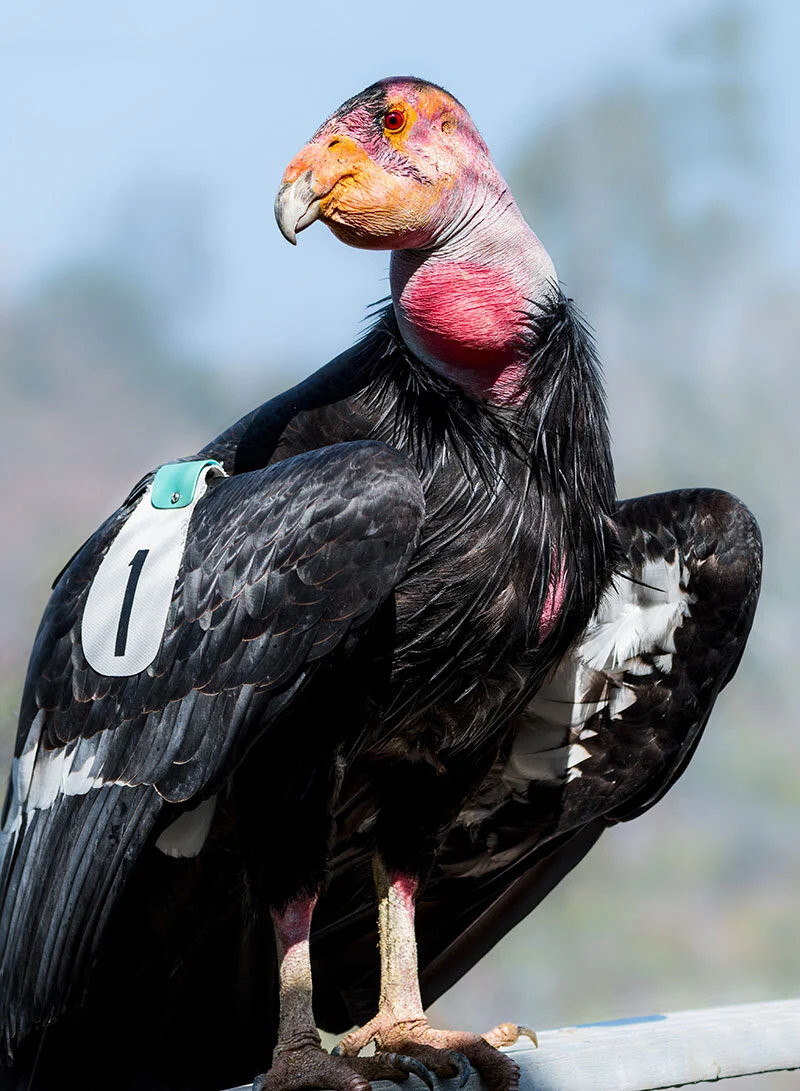
Topa Topa, a venerable male California condor, recently marked his 60th year under the care of the Los Angeles Zoo, an institution where he has transformed from a frail fledgling into a cornerstone of one of the world’s most ambitious and successful conservation programs. His extraordinary longevity and significant contributions underscore the dedication of countless individuals and organizations committed to reversing the catastrophic decline of North America’s largest land bird. This milestone is not merely a celebration of an individual animal’s life but a powerful testament to the impact of intensive conservation efforts and the vital role of zoological institutions in safeguarding biodiversity.
Topa Topa’s journey began in the rugged landscapes of Southern California in 1963. At just one year old, the young condor was discovered in a severely weakened and malnourished state, weighing a mere 17 pounds – a critically low weight for a bird that can eventually reach up to 26 pounds with a wingspan of 10 feet. His discovery by wildlife biologists was a stark reminder of the precarious existence of the dwindling California condor population, which was already facing a multitude of threats. Following his rescue, Topa Topa underwent a period of intensive rehabilitation, receiving specialized care designed to restore his strength and health. After 10 days of dedicated medical attention, the hope was that he could be successfully reintegrated into his natural habitat.
However, the complexities of condor behavior and the dire state of the wild population soon presented an insurmountable challenge. Despite careful monitoring after his release, it became apparent that Topa Topa lacked essential foraging skills—abilities typically acquired through prolonged tutelage from adult condors. With virtually no adult birds remaining in the wild to guide him, his chances of independent survival were critically low. The decision was made to recover the young condor, and he was brought back into human care, becoming a permanent resident of the Los Angeles Zoo. This pivotal moment marked a significant precedent: Topa Topa became the first California condor ever to live under the protective world of a zoological institution, laying the groundwork for what would become a global paradigm in species recovery.
The Precipice of Extinction: A Species in Crisis
Topa Topa’s arrival at the Los Angeles Zoo occurred during a dark chapter for the California condor. Throughout the 20th century, the species had suffered a catastrophic decline, primarily due to human-induced factors. Habitat loss and degradation, poaching, lead poisoning from ammunition fragments in carrion, and the widespread use of pesticides like DDT (which caused eggshell thinning and reproductive failure) decimated their numbers. By the early 1980s, the situation had become alarmingly critical. In 1982, the wild population plummeted to a mere 22 individuals, pushing the species to the absolute brink of extinction. Conservationists, scientists, and government agencies faced a grim reality: without drastic intervention, the California condor would vanish forever.
The urgency of the situation led to an unprecedented decision in 1987. With the wild population continuing to dwindle and facing insurmountable threats, a controversial but ultimately life-saving recovery plan was launched: all remaining wild California condors would be captured and brought into protected settings. This audacious strategy, known as the California Condor Recovery Program, aimed to establish a robust captive breeding population from which future generations could eventually be reintroduced into the wild. The last wild condor was captured on Easter Sunday, 1987, bringing the total world population to a staggering low of just 27 birds, all of whom were now under human care. This collection of 27 individuals, housed at the Los Angeles Zoo and the San Diego Zoo Safari Park, represented the species’ last hope.
Forging a Path to Recovery: The Birth of a Breeding Program
The establishment of the captive breeding program was fraught with challenges. Scientists and zookeepers had to learn the intricacies of condor biology, reproduction, and social behavior, often through trial and error. The goal was not just to breed birds but to produce offspring that could eventually thrive in the wild, necessitating careful management of genetics, behavior, and health. Techniques such as "double-clutching" (removing the first egg to encourage the parents to lay a second, thereby maximizing reproductive output) and "puppet-rearing" (using condor-like puppets to feed and interact with chicks, minimizing human imprinting) were developed and refined.
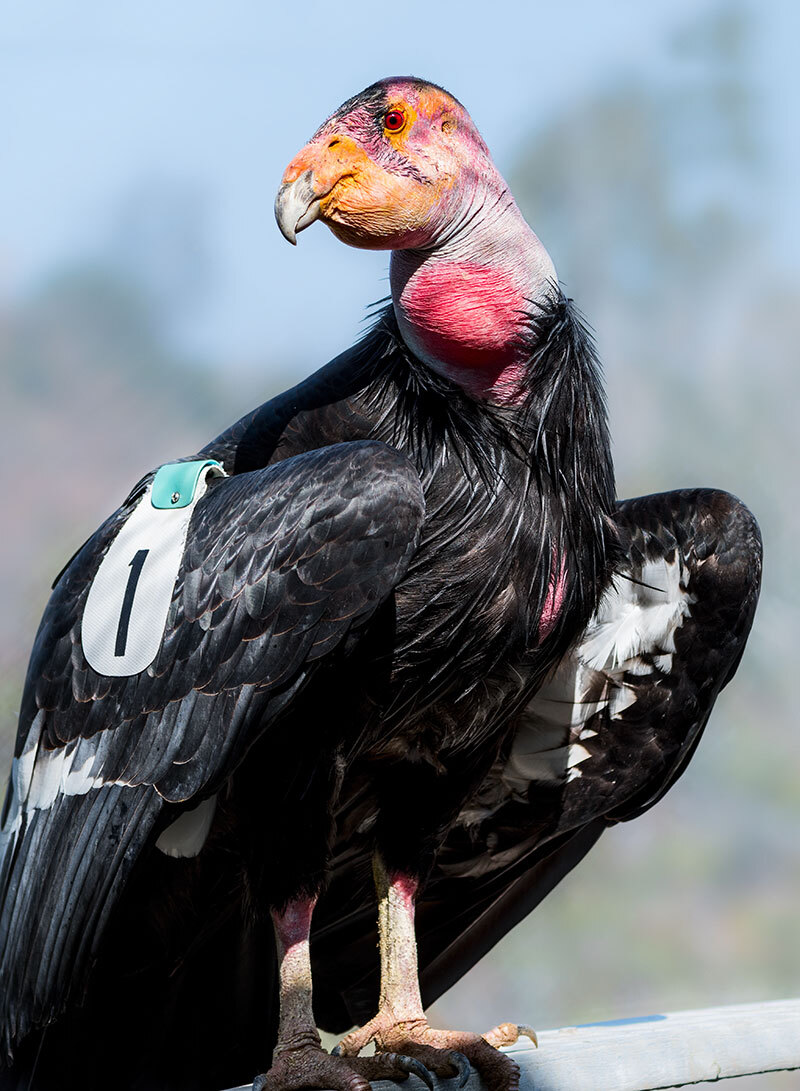
Topa Topa, having been an early and permanent resident, became an invaluable subject for observation and a critical genetic contributor to this nascent program. His existence provided researchers with a unique opportunity to study condor behavior up close, informing the very protocols that would guide the species’ recovery. He was, in essence, a living library of condor knowledge, a silent teacher for the humans striving to save his kind.
Topa Topa’s Enduring Breeding Legacy
While Topa Topa’s initial release attempt failed, his permanent residency at the L.A. Zoo proved to be an unexpected blessing. He became a vital educational ambassador, offering the public a tangible connection to the condor’s plight and its majestic beauty. More significantly, he transitioned into a crucial breeding male within the recovery program. In 1993, a momentous year, Topa Topa successfully helped raise his first two chicks. This achievement marked a significant step forward, demonstrating his ability to contribute to the genetic diversity and numerical growth of the captive population.
Over the subsequent decades, Topa Topa continued to be a prolific breeder and a skilled foster parent. His calm temperament and experienced parenting skills made him an ideal candidate to foster chicks, often those whose biological parents were less experienced or whose eggs required artificial incubation. This role was central to the program’s success, as a key goal was to ensure chicks developed natural condor behaviors, avoiding dependence on human care. The zoo meticulously prepared Topa Topa for this demanding role, understanding that the quality of parental care was paramount for producing viable candidates for reintroduction. He ultimately became central to the effort, contributing directly and indirectly to the addition of more than 300 birds to the recovery program. Today, an astonishing 100 birds in the program are his direct descendants, and 94 of these magnificent creatures are currently soaring free in the wild, a living testament to his profound impact.
Dr. Jake Owens, Director of Conservation at the Los Angeles Zoo, might comment on Topa Topa’s significance: "Topa Topa is more than just an animal; he is a living symbol of hope and perseverance. His longevity and consistent contributions to the breeding program have been absolutely critical. He’s played an unparalleled role in ensuring the genetic health and numerical growth of the condor population, directly impacting hundreds of birds now flying over California and beyond. His story encapsulates the dedication required for true conservation success."
The Broader Program’s Successes and Reintroduction
The collective efforts of the California Condor Recovery Program, involving the L.A. Zoo, San Diego Zoo Safari Park, Oregon Zoo, The Peregrine Fund, the U.S. Fish and Wildlife Service, and state wildlife agencies, began to yield remarkable results. As the captive population grew, the focus shifted to reintroducing condors back into their ancestral territories. The first releases occurred in 1992 in California, followed by releases in Arizona in 1996, and Baja California, Mexico, in 2002. These reintroduction sites were carefully selected to provide suitable habitat and minimize human-wildlife conflict.
The program’s success has been nothing short of extraordinary. From a perilous low of 27 individuals in 1987, the global California condor population has rebounded dramatically to over 607 birds as of recent counts. This includes both captive individuals and a thriving wild population distributed across California, Arizona, Utah, and Baja California. This increase represents one of the most significant conservation victories in North American history, demonstrating that with focused effort, dedicated resources, and scientific ingenuity, species on the verge of extinction can be brought back.
Ongoing Challenges and Future Implications
Despite this extraordinary rise in numbers, the California condor is still listed by the International Union for Conservation of Nature (IUCN) as Critically Endangered. The battle for their long-term survival is far from over, and significant challenges persist.
The most pressing threat remains lead poisoning. Condors, as scavengers, feed on carrion, including animals shot by hunters. Even small fragments of lead ammunition ingested can cause severe illness, neurological damage, and death. Efforts to mitigate this involve promoting the use of non-lead ammunition among hunters and establishing "lead-free zones." However, voluntary programs have faced resistance, and the enforcement of lead ammunition bans remains a complex issue.
Other threats include microtrash ingestion, where condors mistakenly feed small plastic or glass fragments to their chicks, leading to impaction and starvation. Collisions with wind turbines, electrocution from power lines, and habitat degradation also pose ongoing risks. The genetic diversity of the current population, though carefully managed, remains a concern, stemming from the small initial gene pool of 27 individuals.
Dr. Freya Hansen, a lead biologist with the U.S. Fish and Wildlife Service, might emphasize these ongoing challenges: "While we celebrate milestones like Topa Topa’s 60 years and the incredible population rebound, we cannot become complacent. The condor’s future is still fragile. Lead poisoning remains a daily threat to wild condors, and we must continue to innovate and collaborate to address this and other challenges. The program is a testament to what’s possible, but also a reminder of the vigilance required for sustained conservation."
The California Condor Recovery Program serves as a global blueprint for endangered species conservation. It highlights the critical importance of:
- Captive Breeding: Zoos and specialized facilities provide a crucial safety net and a source population for reintroduction.
- Interagency Collaboration: Success depends on the coordinated efforts of government agencies, NGOs, and academic institutions.
- Scientific Research: Understanding species biology, threats, and effective mitigation strategies is paramount.
- Public Engagement: Educating the public about conservation issues and garnering support is essential for long-term success.
A Legacy Soaring High
Topa Topa’s 60th year at the Los Angeles Zoo is a profound moment in conservation history. It is difficult to reconcile the image of a weakened, 17-pound fledgling rescued from the wild with the majestic force he has become for his species. He has witnessed the near-annihilation of his kind and played an instrumental role in its miraculous resurgence. His life story is a powerful narrative of resilience, adaptation, and the enduring power of collaborative conservation.
As visitors gaze upon Topa Topa at the L.A. Zoo, they are not just seeing an ancient bird; they are observing a living legend, a tangible link to a pivotal chapter in conservation. His existence reminds us that every individual, regardless of species, can play a role in shaping a better future. The California condor’s journey from the precipice of extinction to a thriving, though still vulnerable, population is a beacon of hope, and Topa Topa stands as an essential, awe-inspiring symbol of that hard-won victory. His legacy will continue to inspire conservationists and wildlife enthusiasts for generations to come, reminding us that with unwavering commitment, even the most daunting conservation challenges can be overcome.

