


The second annual Race to Save Birds Challenge, a global initiative by BirdLife International, has successfully concluded, surpassing its ambitious fundraising target and contributing to a record-breaking number of bird species observed worldwide. The event, which took place on May 9th, coinciding with World Migratory Bird Day and Global Big Day, mobilized birdwatchers and conservation advocates across the globe to translate their passion for avian life into tangible conservation action. Preliminary reports indicate that the challenge raised over £13,000 and documented an astonishing 8,023 different bird species.
This year’s challenge built upon the success of its inaugural event, transforming a day dedicated to observing migratory and local bird populations into a powerful fundraising and data-gathering opportunity. Participants were encouraged to not only document the avian diversity they encountered but also to solicit donations that directly support BirdLife’s critical scientific research, policy advocacy, and on-the-ground conservation efforts. These activities are essential for the survival of countless bird species facing mounting threats from habitat loss, climate change, and human-induced pressures.
A significant personal contribution came from BirdLife International’s CEO, Martin Harper, who spearheaded his own fundraising campaign for the challenge. Harper’s efforts alone garnered over £5,000 and accounted for the observation of 77 distinct bird species, underscoring the impact of individual leadership in driving collective action.

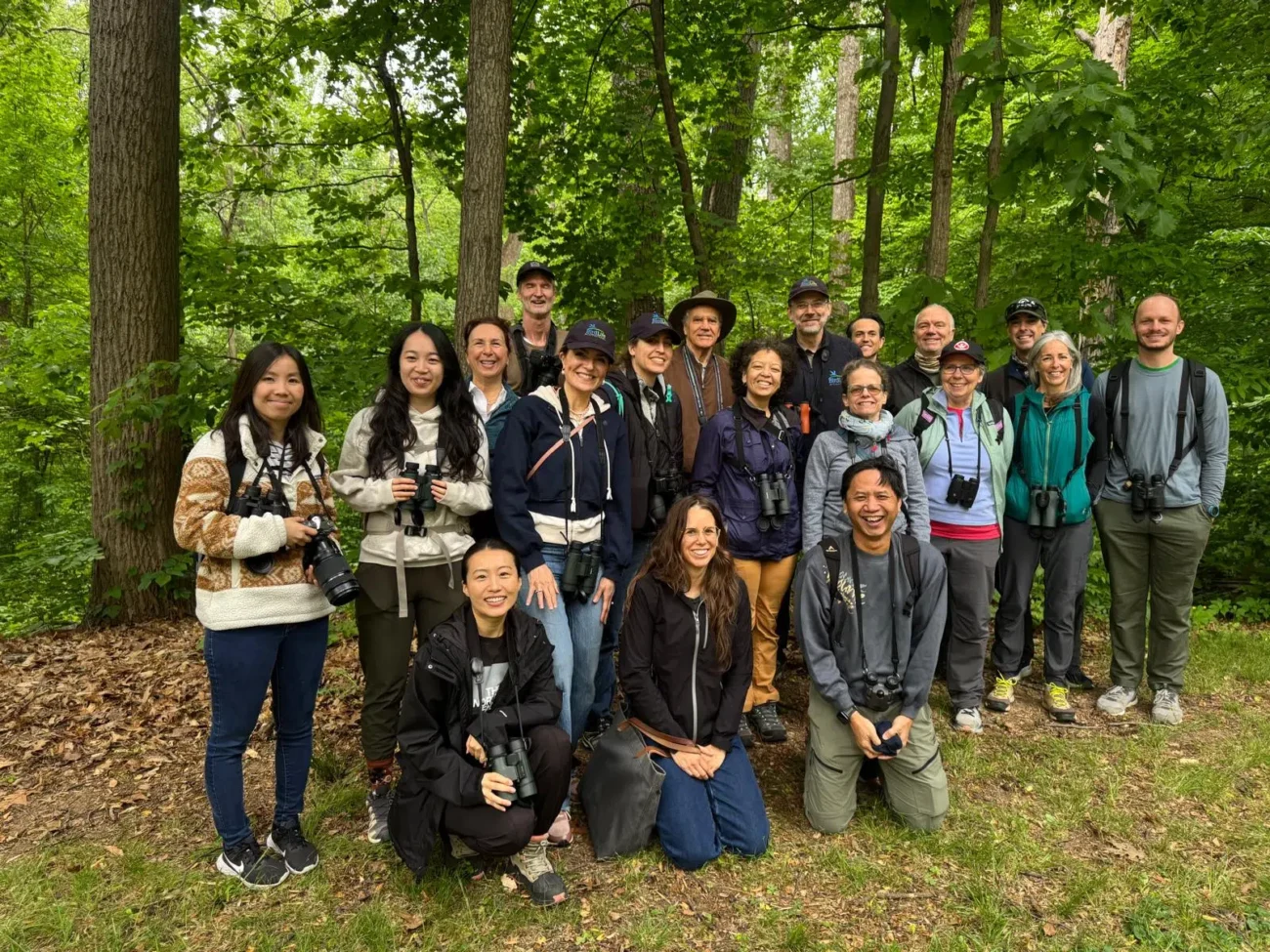
The Race to Save Birds Challenge embraced a multi-faceted approach to engagement, including five professionally guided bird walks held in key international locations: New York City, Washington D.C., Cambridge, London, and Singapore. These walks provided BirdLife staff and supporters with a structured opportunity to connect with nature, hone their bird identification skills, and collectively contribute to the event’s species count. These organized outings served as focal points for community engagement and raised awareness about the importance of local bird populations and their habitats.
Inspiring the Next Generation of Conservationists
A particularly heartwarming and impactful aspect of this year’s challenge emerged from Gau, Fiji’s largest island. In a testament to the event’s global reach and its ability to foster a sense of planetary stewardship, 39 children aged eight to thirteen participated for the first time. This initiative was spearheaded by NatureFiji-MareqetiViti (NFMV), a local BirdLife partner, with crucial support from BirdLife International. This engagement was part of the third "Reconnecting with Our Heritage" Eco Camp, an educational program designed to immerse young people in their natural environment.
Equipped with binoculars and a burgeoning understanding of ornithology, these young participants ventured into the field. Their keen observations led to the successful identification of several endemic species, including the majestic Fiji Goshawk and the striking Fiji Woodswallow. For these young islanders, the experience was transformative. It provided a powerful, firsthand realization that their efforts, even from their "little beautiful island of Gau," contribute meaningfully to global conservation endeavors. Each reported sighting adds a valuable piece of data to a growing mosaic of information that informs conservationists worldwide, enabling BirdLife International and its extensive network of partners to make evidence-based decisions crucial for the flourishing of birds and their ecosystems.
E.J. Mcadams, Chief Development Officer at BirdLife International, emphasized the profound impact of every contribution. "Every contribution – from sightings to funds raised – equips our scientists and conservationists around the world with the resources needed to turn the tide of bird population decline," Mcadams stated. "And, with over half of the world’s birds needing our help, this is the race we really need to win. Thank you to everyone who took part, and I hope you can mark the next Race to Save Birds Challenge in your diaries." This sentiment highlights the critical juncture at which many bird populations currently stand and the urgent need for sustained global support.

Background and Chronology of the Challenge
The Race to Save Birds Challenge was conceptualized as a dynamic and engaging way to leverage the global passion for birdwatching into tangible conservation outcomes. BirdLife International, a global partnership of conservation organizations, recognized the untapped potential of citizen science and fundraising activities that directly link observable actions to impactful results.
The event’s strategic timing on May 9th, coinciding with World Migratory Bird Day and Global Big Day, was deliberate. World Migratory Bird Day, celebrated twice a year, raises awareness of the importance of migratory birds and the need for international cooperation in their conservation. Global Big Day, a more recent phenomenon, encourages birdwatchers worldwide to count as many bird species as possible in a 24-hour period, creating an unprecedented snapshot of global avian diversity. By integrating the Race to Save Birds Challenge into these established events, BirdLife aimed to amplify its message and maximize participation.
The challenge itself unfolds over a period where many migratory species are actively moving between their breeding and non-breeding grounds, making it a prime time for observation. Participants are encouraged to register, set up personal fundraising pages, and then spend the designated day birdwatching. They are instructed to record their sightings and the number of species observed, with each species count potentially contributing to a collective goal. Simultaneously, the funds raised by participants are directed towards BirdLife’s conservation initiatives, which encompass a wide range of activities. These include habitat restoration, anti-poaching efforts, policy advocacy for stronger environmental regulations, and scientific research into bird populations and their ecological roles.
The initial fundraising target of over £13,000 represents a significant investment in these vital conservation programs. For context, conservation projects can vary widely in cost, with habitat protection and restoration in critical bird areas often requiring substantial financial commitment. For instance, establishing and managing a new protected area can cost tens of thousands to hundreds of thousands of pounds annually, depending on its size and the specific conservation interventions required. Similarly, research into declining populations or the impact of climate change on migratory patterns necessitates funding for field studies, data analysis, and dissemination of findings. The funds raised through the Race to Save Birds Challenge are therefore directly channeled into these critical operational needs.

Supporting Data and Global Impact
The cumulative data gathered from the 8,023 bird species documented during the challenge offers invaluable insights into avian distribution, population trends, and the health of various ecosystems. This citizen-science data complements the more intensive research conducted by professional ornithologists and conservation biologists. By pooling observations from diverse geographic locations and habitats, scientists can identify patterns that might otherwise be missed. For example, an increase in sightings of a particular species in an urban park might indicate successful adaptation to human-modified environments, while a decline in a wetland species could signal the urgent need for habitat protection or restoration in that region.
The success in raising over £13,000 signifies a tangible injection of resources into BirdLife’s operational budget. This financial support enables the organization to continue its work on multiple fronts. This includes:
- Habitat Protection and Restoration: Funds can be allocated to purchasing land for conservation, restoring degraded habitats, and implementing sustainable land management practices in areas vital for bird survival.
- Scientific Research: Support for long-term monitoring programs, genetic studies, and research into the impacts of environmental stressors on bird populations.
- Policy and Advocacy: Funding efforts to influence national and international policies that protect birds and their habitats, such as advocating for stronger climate change mitigation measures or regulations against illegal wildlife trade.
- Community Engagement and Education: Supporting programs like the Eco Camp in Fiji, which aim to foster a new generation of conservationists and raise public awareness about the importance of biodiversity.
The involvement of 39 children in Fiji is a particularly powerful indicator of the challenge’s educational and inspirational impact. This program directly addresses the need to engage younger generations in conservation, ensuring a future pipeline of informed and passionate advocates for environmental protection. The act of identifying local species like the Fiji Goshawk not only builds their knowledge but also fosters a deep connection to their natural heritage, a crucial element in motivating long-term commitment to conservation.
Official Responses and Broader Implications
The success of the Race to Save Birds Challenge has been met with enthusiasm from BirdLife International and its partners. The organization views the event as a vital component of its broader strategy to address the global biodiversity crisis.

Martin Harper, CEO of BirdLife International, has consistently highlighted the interconnectedness of bird health and overall environmental well-being. In his concluding remarks, he stated, "You don’t need to be an expert to care about birds. When we notice the wildlife around us, we start to understand the condition of the places we all rely on. Birds give us both a warning and an opportunity. They show us where nature needs urgent action, and where there is still hope." This perspective underscores the dual role of birds as indicators of environmental health and as potent symbols of nature’s resilience and beauty, capable of inspiring widespread public engagement.
The implications of this year’s challenge extend beyond immediate fundraising and data collection. It reinforces the efficacy of citizen science as a powerful tool for conservation. By empowering ordinary individuals to contribute to scientific understanding and conservation efforts, BirdLife is democratizing environmental action. This approach not only generates vast amounts of valuable data but also cultivates a broader sense of ownership and responsibility for the natural world among the public.
Furthermore, the challenge’s global reach, from major cities to remote islands like Gau, demonstrates the universal appeal of birds and the shared responsibility for their protection. The event fosters a sense of global community united by a common purpose, transcending geographical and cultural boundaries. This collective action is particularly significant given that over half of the world’s bird species are estimated to be facing some form of threat. The "race we really need to win," as articulated by E.J. Mcadams, is the race against extinction, a race that requires sustained and collaborative efforts from individuals, organizations, and governments worldwide.
The Race to Save Birds Challenge is not merely an annual event; it is an ongoing invitation to engage with nature and contribute to its preservation. BirdLife International encourages individuals to participate in future iterations, emphasizing that "This challenge isn’t about speed or endurance, but about care." By participating, individuals contribute vital data and raise funds that fuel conservation initiatives, ultimately helping birds and nature to thrive. The integration of this challenge with World Migratory Bird Day and Global Big Day ensures its continued prominence and impact in the years to come, solidifying its role as a key platform for advancing avian conservation on a global scale. The visual and auditory nature of birdwatching, combined with the tangible impact of fundraising, creates a compelling and rewarding experience for participants, fostering a deeper appreciation for the natural world and a commitment to its long-term stewardship.

