


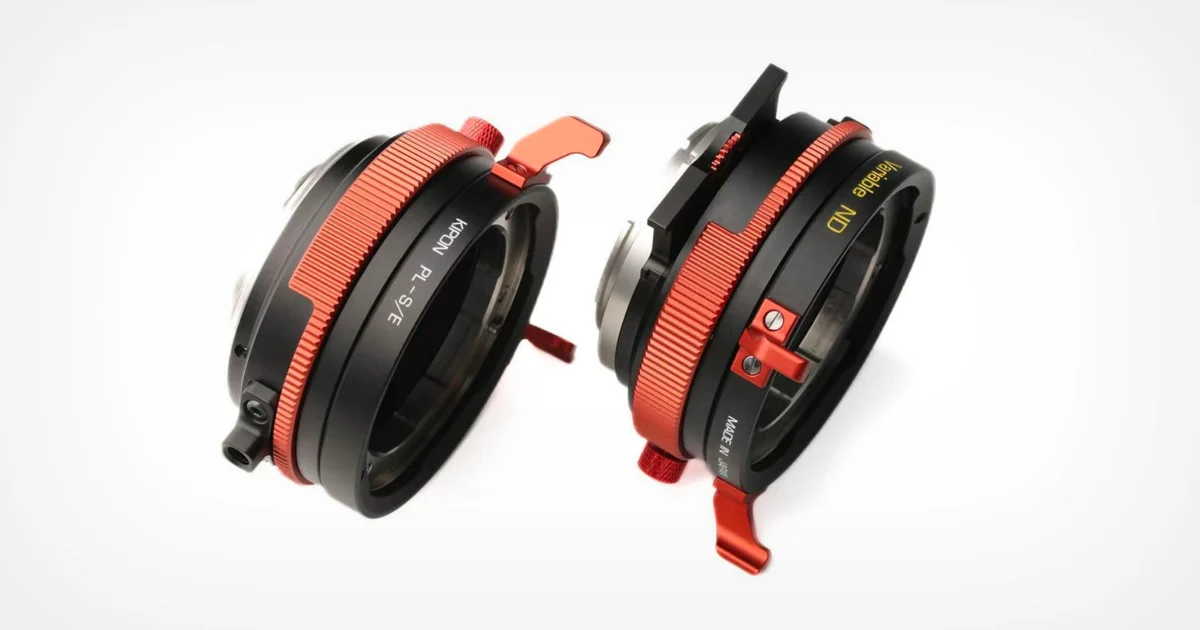
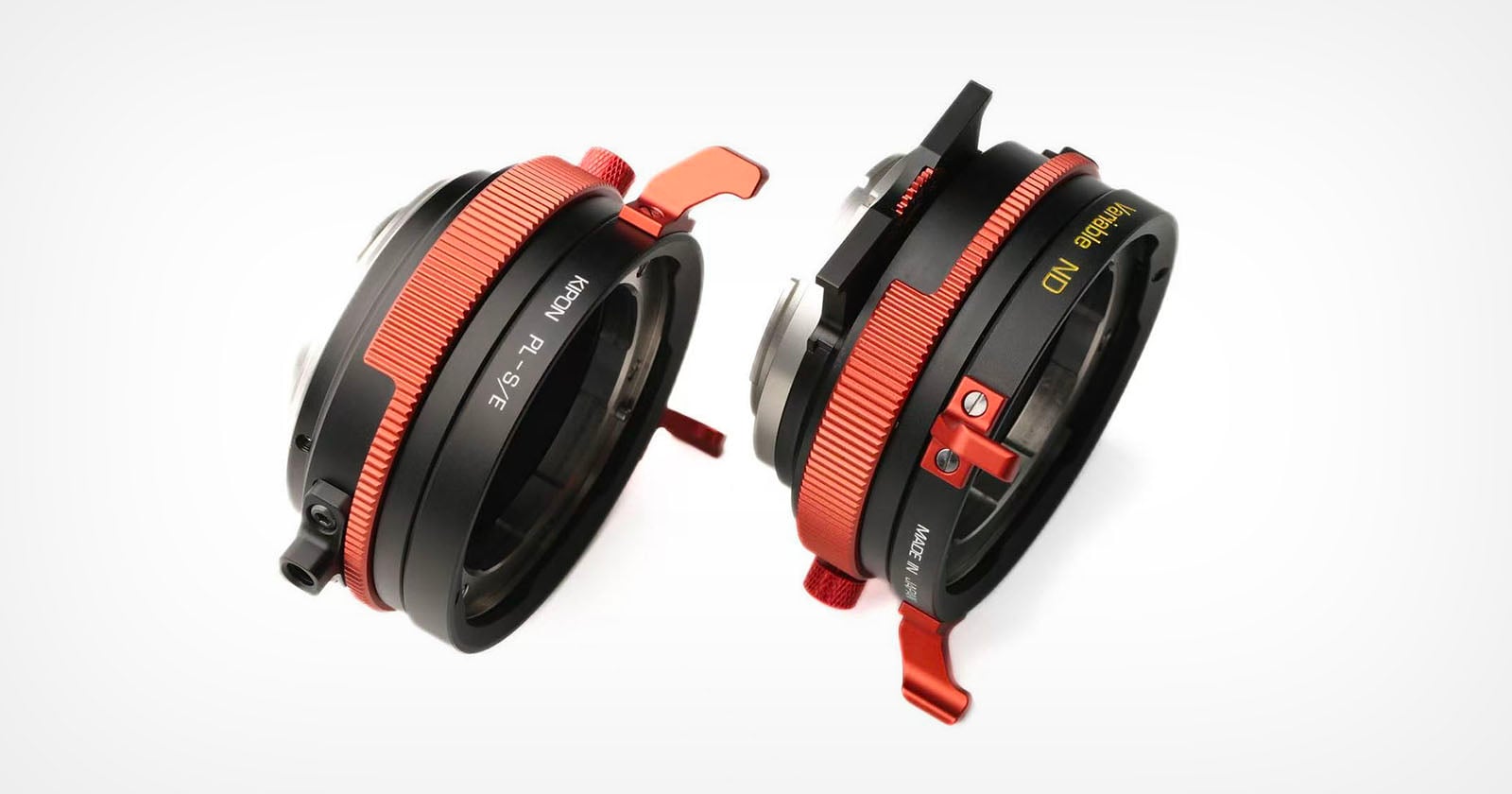
Kipon, a prominent manufacturer in the photographic and cinematographic accessory market, has officially announced the release of its new Variable Neutral Density (VND) PL-mount adapter, specifically designed for Sony E-mount and Nikon Z-mount mirrorless camera systems. This product marks a significant milestone for the company, as it is marketed as the world’s first professional-grade PL mount adapter to feature an integrated variable ND filter system. In a strategic shift for the brand, Kipon has moved the design and assembly processes for this specific product line to Japan, signaling a commitment to high-precision engineering and premium build quality intended for the rigorous demands of professional film sets.
The adapter serves a dual purpose for cinematographers: it allows the mounting of industry-standard ARRI PL-mount cinema lenses onto modern mirrorless bodies while simultaneously providing a built-in filtration solution. This integration eliminates the need for external matte boxes or front-mounted screw-on filters, which can often be cumbersome and time-consuming to swap during fast-paced productions. The built-in filter offers a range of 1.5 to 7 stops of light reduction, adjusted via a precision-engineered geared dial on the side of the adapter.
Technical Specifications and Optical Engineering
The Kipon Variable ND PL adapter is engineered with a focus on optical neutrality and mechanical compatibility. The core of the device is its high-quality variable ND filter, which is produced in Japan using advanced coating technologies to minimize color shifts and maintain sharpness across the entire density range. This is a critical factor for professional color grading, as lower-quality variable ND filters are often prone to the "X-pattern" cross-polarization effect or significant magenta/green tints.
A standout feature of the adapter is its "deep recessed" design. In the world of cinema lenses, many vintage and modern PL-mount optics feature rear elements that protrude significantly beyond the mounting flange. Standard adapters often lack the internal clearance to accommodate these lenses, risking damage to either the lens or the camera’s sensor. Kipon’s engineering team has placed the drop-in filter slot as far back toward the camera sensor as possible, creating a cavernous internal space that ensures compatibility with a wider array of cinema glass.
Furthermore, the adapter incorporates a multi-start threaded mechanism. This allows for ultra-precise adjustments of the flange focal distance. In professional cinematography, "shimming" a lens or adapter is a standard practice to ensure that the lens’s distance markings remain accurate and that the lens can achieve infinity focus correctly. The inclusion of a user-adjustable mechanism simplifies this process, allowing technicians to calibrate the adapter to specific camera bodies in the field.
Strategic Manufacturing Shift to Japan
Historically, Kipon has been recognized as a Chinese manufacturer known for a vast catalog of lens adapters covering nearly every mount combination imaginable. However, for this professional-tier PL adapter, the company has pivoted its manufacturing strategy. The design, assembly, and quality control for this unit are being conducted in Japan.
This move is largely attributed to the collaborative nature of the product’s development. Kipon partnered with technical specialists and cinema industry experts from Sanwa Eizai and Crank, two major players in the Japanese cinema rental and production services market. By working directly with rental house technicians—the individuals responsible for maintaining and certifying gear for multi-million dollar productions—Kipon was able to refine the adapter’s ergonomics and durability.
The decision to manufacture the filters in Japan also addresses the high standards required for 8K and high-dynamic-range (HDR) cinematography. Japanese optical glass is globally renowned for its purity and consistency, and by sourcing the filters locally, Kipon aims to compete directly with high-end brands like Metabones, Vocas, and even native solutions from camera manufacturers.
The Evolution of Lens Adapters in the Mirrorless Era
The development of the Kipon Variable ND PL adapter is a response to a decade-long shift in the film industry. As mirrorless cameras like the Sony Alpha series and the Nikon Z9 have gained popularity for their compact form factors and high-end video capabilities, the need to adapt professional cinema glass has grown.
Chronology of Adapter Innovation:
- 2010–2014: Early mirrorless adoption saw "dumb" adapters—simple metal tubes that bridged the gap between different flange distances.
- 2015–2018: The rise of "smart" adapters, such as those from Metabones, introduced electronic communication for autofocus and aperture control for EF-mount lenses on Sony bodies.
- 2019–2022: Manufacturers began experimenting with internal filtration. Canon introduced the Drop-In Filter Mount Adapter EF-EOS R, which allowed ND and circular polarizing filters to be placed behind the lens.
- 2024: Kipon’s announcement represents the latest stage of this evolution, bringing professional PL-mount standards and integrated variable ND technology together in a single, high-precision tool.
The integration of ND filters into the adapter is particularly vital for mirrorless cameras, many of which lack the built-in mechanical ND systems found in dedicated cinema cameras like the Sony FX6 or ARRI ALEXA. For filmmakers using the Nikon Z8 or Sony A7S III, this adapter provides "cinema-body" functionality in a modular package.
Industry Reactions and Practical Applications
While official reviews are pending the mid-August release, early feedback from the development phase suggests a positive reception from the cinematography community. Technical specialists at Sanwa Eizai noted that the ability to use wide-angle PL lenses—which often have bulbous front elements that cannot accept traditional filters—with an internal ND system is a "game-changer" for handheld and gimbal work.
By placing the filter behind the lens, the adapter also protects the camera’s sensor from dust and debris during lens changes, a secondary but highly valued benefit for productions filming in harsh environments. The 1.5 to 7 stop range is specifically tailored for "wide-open" shooting in bright daylight, allowing cinematographers to maintain a shallow depth of field (e.g., f/1.4 or f/2.0) while adhering to the 180-degree shutter rule for natural motion blur.
The adapter is also compatible with Kipon’s existing Mamiya 645-PL 0.7x Optical Focal Reducer. This compatibility allows users to mount vintage Mamiya 645 medium-format lenses onto the PL adapter, effectively turning the mirrorless camera into a medium-format cinema system with the added benefit of variable ND filtration. This layering of technology highlights the modularity that Kipon is aiming for in the professional market.
Market Analysis and Broader Implications
The release of the Kipon Variable ND PL adapter at a retail price of $699 positions it as a premium tool, yet it remains significantly more affordable than some proprietary cinema accessories. By offering a 15% discount for early adopters, Kipon is aggressively targeting the independent filmmaker and "prosumer" markets, as well as boutique rental houses.
The broader implication of this product is the further blurring of the lines between "photography" cameras and "cinema" cameras. As adapters become more sophisticated, the hardware limitations of mirrorless bodies are being systematically removed. The inclusion of a geared dial for the ND filter suggests that Kipon is anticipating the use of follow-focus motors to remotely control exposure—a common requirement on drone or crane shots where the camera is inaccessible.
From a competitive standpoint, this puts pressure on other adapter manufacturers to innovate beyond simple mechanical connections. It also signals to camera manufacturers like Nikon and Sony that there is a significant demand for PL-mount support within their ecosystems, potentially influencing the design of future camera bodies or first-party accessories.
Pricing, Availability, and Logistics
Kipon has confirmed that the Variable ND PL adapter is currently available for pre-order through their official global website. The MSRP is set at $699, with a promotional pre-order price of $573. The company has announced that shipping for both the Sony E-mount and Nikon Z-mount versions is scheduled to commence in mid-August.
Following the initial direct-to-consumer launch, the product is expected to be stocked by major international photographic retailers, including B&H Photo, Adorama, and various regional distributors in Europe and Asia. The package includes the adapter, the drop-in variable ND filter, and protective caps.
As the industry moves toward more compact and versatile filming setups, tools like the Kipon Variable ND PL adapter represent the necessary infrastructure to support high-end optical glass on modern, high-resolution digital sensors. By combining Japanese manufacturing precision with a deep understanding of cinematographic workflow, Kipon has produced a tool that addresses both the artistic and technical needs of the modern filmmaker.

