


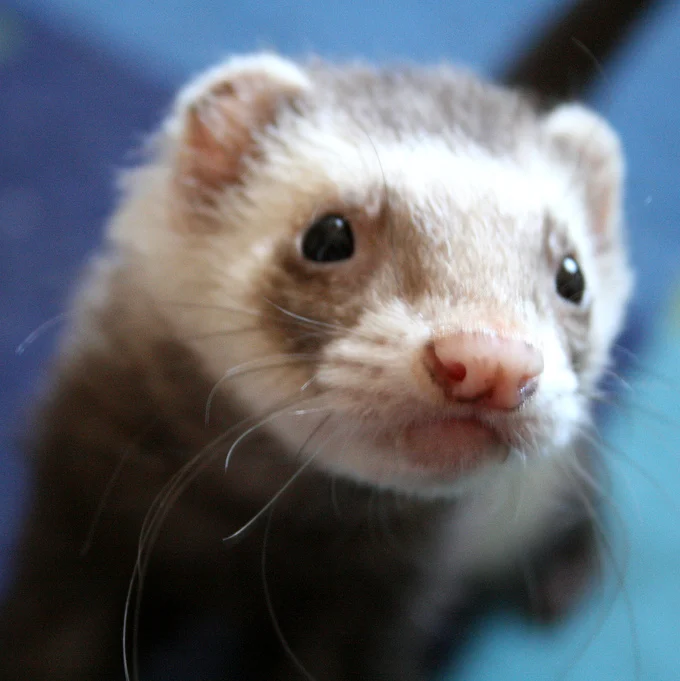
The sudden collapse of a domestic ferret (Mustela putorius furo) represents one of the most common and high-stakes emergencies encountered in exotic animal clinical practice. On March 18, 2026, Dr. Cathy Johnson-Delaney, a distinguished figure in the field of exotic animal medicine, presented a comprehensive webinar titled "The Collapsing Ferret," aimed at equipping veterinary professionals with the diagnostic tools and clinical insights necessary to navigate these critical events. Hosted by LafeberVet, the session was officially approved by the American Association of Veterinary State Boards (AAVSB) Registry of Approved Continuing Education (RACE) program, offering one hour of continuing education credit to veterinarians and veterinary technicians. The presentation addressed the multi-faceted nature of ferret collapse, emphasizing the interplay between metabolic dysfunction and cardiovascular failure in geriatric populations.
The Clinical Challenge of the Fainting Ferret
In veterinary medicine, the "collapsing ferret" is a diagnostic catch-all that covers a spectrum of clinical presentations, from transient syncopal episodes to profound, life-threatening coma. Because ferrets have a high metabolic rate and a unique predisposition to specific neoplastic and degenerative diseases, a collapse is rarely a benign event. Dr. Johnson-Delaney’s session highlighted that for the attending clinician, the primary challenge lies in the rapid differentiation between metabolic causes—most notably hypoglycemia—and cardiovascular causes, such as cardiomyopathy or arrhythmias.
The urgency of these cases is compounded by the ferret’s physiology. Unlike larger domestic animals, ferrets have a limited reserve for glucose and are highly sensitive to changes in cardiac output. When a ferret is presented in a state of collapse, the diagnostic window is often narrow. Practitioners must act with precision, utilizing a systematic approach that begins with immediate stabilization followed by a targeted diagnostic workup.
Primary Metabolic Drivers: The Role of Insulinoma
A central theme of the March 2026 webinar was the prevalence of insulinoma in the North American ferret population. Insulinoma, a functional tumor of the pancreatic beta cells, leads to the excessive and unregulated secretion of insulin. This results in profound hypoglycemia (low blood sugar), which is the most frequent cause of collapse in middle-aged to geriatric ferrets.
Data suggests that insulinoma affects a significant percentage of ferrets over the age of three. The clinical progression often begins with subtle signs—staring into space, "trancing," or hind-limb weakness—but can escalate rapidly to a full collapse or seizures. During the webinar, it was noted that the diagnostic threshold for hypoglycemia in ferrets is typically a fasting blood glucose level below 60 mg/dL, though symptomatic ferrets may present with levels significantly lower.
Dr. Johnson-Delaney emphasized the "whipple’s triad" as it applies to these patients: clinical signs of hypoglycemia, a low blood glucose concentration, and the resolution of signs following the administration of glucose. The webinar provided a detailed protocol for emergency management, including the cautious use of intravenous dextrose and the long-term management strategies involving dietary modification and pharmacological intervention with medications like prednisolone or diazoxide.
Cardiovascular Pathologies: Cardiomyopathy and Arrhythmias
While metabolic issues dominate the clinical landscape, the webinar also focused heavily on the aging ferret’s cardiovascular system. As ferrets enter their senior years (typically age four and older), the incidence of heart disease increases dramatically. Dilated cardiomyopathy (DCM) is the most frequently diagnosed cardiac condition in the species, characterized by the weakening of the heart muscle and the subsequent failure of the heart to pump blood effectively.
The collapse associated with cardiac disease is usually syncopal in nature—a temporary loss of consciousness caused by a drop in blood pressure or a lack of oxygen to the brain. Dr. Johnson-Delaney detailed how arrhythmias, or irregular heartbeats, often accompany these cardiac changes. Unlike the metabolic collapse, which may be gradual or preceded by nausea (manifesting as pawing at the mouth), a cardiac collapse is often sudden and may be triggered by exertion or stress.
The session underscored the importance of diagnostic imaging, particularly echocardiography and radiography, in identifying heart enlargement and pleural effusion. For many practitioners, the webinar served as a vital reminder that a ferret presenting for collapse requires a thorough auscultation to check for murmurs or gallop rhythms, which are hallmark signs of underlying structural heart disease.
A History of Advancements in Ferret Medicine
The presentation of this webinar reflects a broader timeline of advancement in exotic animal medicine. In the 1980s and 1990s, ferrets were often treated with protocols adapted from feline medicine, which frequently led to sub-optimal outcomes due to the ferret’s unique metabolic requirements. Over the last two decades, specialized research and the dedicated work of experts like Dr. Johnson-Delaney have established species-specific standards of care.
The inclusion of the AAVSB RACE approval for this session is indicative of the professionalization of exotic pet care. As ferrets have transitioned from "pocket pets" to valued family members, the demand for high-level specialized veterinary knowledge has surged. The 2026 webinar represents the latest iteration of this educational evolution, providing clinicians with evidence-based strategies that have been refined over decades of clinical observation and peer-reviewed research.
Diagnostic Protocols and Emergency Stabilization
A significant portion of the educational material focused on the "first fifteen minutes" of managing a collapsed ferret. Dr. Johnson-Delaney outlined a prioritized checklist for the veterinary team:
- Airway and Oxygenation: Ensuring the patient is breathing and providing supplemental oxygen if the collapse is suspected to be cardiac or respiratory in origin.
- Rapid Glucose Testing: Using a handheld glucometer to immediately rule in or rule out hypoglycemia. This is considered the single most important diagnostic step in a collapsing ferret.
- Thermal Support: Ferrets in collapse often suffer from hypothermia, which can further depress metabolic function and heart rate.
- Intravenous Access: Establishing a line for fluid therapy or emergency medications.
The webinar also touched on the interpretation of laboratory results. Beyond glucose, the role of electrolytes and kidney values was discussed, particularly in cases where the collapse might be secondary to renal failure or severe dehydration. By providing a structured approach, the training aims to reduce the "panic factor" that can occur when a small, fragile exotic patient arrives in a state of crisis.
Professional Standards and Continuing Education
The AAVSB RACE program plays a critical role in ensuring that veterinary continuing education meets rigorous standards of quality and relevance. For veterinarians and technicians, participating in RACE-approved sessions like "The Collapsing Ferret" is essential for license renewal and for maintaining clinical competency. The webinar’s structure—requiring a post-test with a passing grade—ensures that the information is not just presented but mastered by the participants.
The global reach of such programs is also noteworthy. While the primary presentation was in English, the availability of resources in French and Spanish (as indicated by the LafeberVet portal) highlights the international demand for this expertise. Ferret ownership is a global phenomenon, and the medical challenges faced by owners in North America are mirrored in Europe, Japan, and beyond.
Broader Implications for Veterinary Practice and Pet Owners
The implications of this training extend beyond the clinic walls. For the veterinary community, it reinforces the necessity of specialized knowledge in an era where pet owners are increasingly well-informed and expectant of high-level care. For ferret owners, the dissemination of this information means that more general practitioners will be equipped to handle emergencies that were once referred exclusively to specialized exotic centers.
Furthermore, the focus on geriatrics in the webinar reflects a positive trend: ferrets are living longer. With better nutrition and preventative care, it is not uncommon for ferrets to reach seven to nine years of age. However, this longevity brings a higher cumulative risk for the chronic diseases discussed by Dr. Johnson-Delaney. The "collapsing ferret" is often a geriatric ferret, and the webinar serves as a call to action for proactive senior wellness exams, including regular blood glucose monitoring and cardiac screening.
Analysis of Future Trends in Exotic Emergency Care
As we look toward the future of veterinary medicine, sessions like those provided by LafeberVet suggest a move toward more integrated diagnostic platforms. The enrichment of the clinical toolkit with point-of-care ultrasound (POCUS) and rapid-result laboratory testing is changing the way collapse is managed. Dr. Johnson-Delaney’s emphasis on these technologies suggests that the next decade of ferret medicine will be defined by even earlier detection of insulinoma and cardiomyopathy, potentially moving the needle from emergency response to long-term chronic disease management.
The webinar concluded with a look at the psychosocial aspect of treating these patients. The collapse of a pet is a traumatic event for the owner. By providing a clear, confident diagnostic path, veterinarians can offer not only medical care to the animal but also clarity and support to the client during a period of high stress.
In summary, "The Collapsing Ferret" webinar by Dr. Cathy Johnson-Delaney stands as a vital contribution to the field of exotic animal medicine. By synthesizing complex metabolic and cardiovascular data into actionable clinical protocols, the session provides a roadmap for saving lives and improving the quality of care for one of the world’s most unique companion animals. The high standards set by the AAVSB RACE approval ensure that this knowledge will be disseminated through a framework of professional excellence, benefiting the veterinary community and the patients they serve for years to come.

