


The American Federation of Aviculture (AFA) has long stood as a cornerstone in the avicultural community, championing the welfare of birds through dedicated advocacy, scientific research, and comprehensive public education. As the landscape of exotic animal care, conservation, and veterinary science continues to evolve rapidly, the demand for standardized, high-quality educational resources has never been more critical. To meet this challenge, the AFA has developed a robust suite of educational tools designed for everyone from the casual pet bird owner to the seasoned breeder, ornithology professional, and local bird club educator. At the forefront of these initiatives are the flagship online learning curriculum, the Fundamentals of Aviculture, and the flexible, downloadable Avian Biology Classroom (ABC). These programs represent a significant investment in the scientific understanding and ethical management of avian species, combining academic rigor with practical, everyday application.
The Evolution and Foundation of Modern Aviculture Education
Historically, aviculture relied heavily on anecdotal knowledge passed down through generations of hobbyists. While practical experience remains invaluable, the complexities of modern avian care demand an empirical, science-based approach. Recognizing this paradigm shift, the AFA conceptualized a structured educational framework that bridges the gap between amateur bird-keeping and formal zoological science.

The development of the AFA’s premier educational platform was not an isolated endeavor; it represents a collaborative milestone in the avicultural community. The creation and refinement of these programs were made possible by a generous grant from the Pet Care Trust, an organization dedicated to promoting public understanding of companion animals. Furthermore, vital institutional support, funding, and academic expertise were provided by the Schubot Exotic Bird Health Center, housed within the College of Veterinary Medicine at Texas A&M University. This partnership ensured that the curriculum is grounded in cutting-edge veterinary research, epidemiological data, and best practices in animal husbandry. By synthesizing decades of veterinary science and practical breeding insights into accessible modules, the AFA has successfully democratized advanced avian education.
Fundamentals of Aviculture Level I: Establishing the Core Baseline
The educational journey through the AFA campus begins with the Fundamentals of Aviculture Level I course. Structured as a comprehensive online learning experience, Level I is engineered to provide a rock-solid foundation in the emerging science of aviculture. The curriculum is meticulously divided into nine distinct chapters, ensuring that students are not overwhelmed while still receiving a thorough introduction to avian biology and care.
The syllabus spans a wide array of critical topics. Students begin by exploring avian anatomy and physiology, gaining a detailed understanding of how a bird’s respiratory, skeletal, and digestive systems function uniquely compared to mammals. From there, the course transitions into the study of avian behavior, helping owners and caretakers decode body language, vocalizations, and psychological needs to promote better mental well-being in captive birds.

Regulatory compliance and legal stewardship form another vital pillar of the Level I curriculum. Aviculturists must navigate a complex web of local, national, and international laws—such as the Convention on International Trade in Endangered Species of Wild Fauna and Flora (CITES) and the Migratory Bird Treaty Act—designed to protect wild populations. The AFA course ensures that practitioners remain fully informed of their legal responsibilities. Finally, the course addresses practical husbandry, offering evidence-based guidelines on designing proper housing enclosures, maintaining optimal environmental conditions, and implementing biosecurity measures to prevent common avian illnesses.
Fundamentals of Aviculture Level II: Advanced Studies and Intermediate Expertise
For those who have mastered the basics and wish to deepen their expertise, the AFA offers the Fundamentals of Aviculture Level II course. Designed as an intermediate-level deep dive, this curriculum expands significantly upon the foundational concepts introduced in Level I, moving deeper into the biological, genetic, and ecological sciences that govern successful aviculture.
Enrollment in Level II is contingent upon the successful completion of Level I, ensuring that all participants possess a uniform baseline of knowledge before tackling advanced subject matter. Priced at an introductory admission fee of $75 for current AFA members—with seamless options for non-members to purchase an annual membership during the registration process—the course is structured across 15 comprehensive chapters.

The scope of Level II reflects the multidisciplinary nature of modern aviculture. Chapters are dedicated to global conservation initiatives and scientific research, highlighting the vital role private aviculturists play in supporting sustainable captive-breeding programs that act as insurance populations for endangered species. The curriculum then delves into the nuances of avian reproduction, covering courtship behaviors, nesting requirements, breeding stimuli, and the delicate sciences of artificial incubation and hand-rearing.
Genetics represent a major focal point of the Level II syllabus. Students explore basic avian genetics, the inheritance of color mutations, and the study of hybrids, gaining analytical tools to understand phenotypic variations in captive flocks. Additionally, the course addresses specialized avian taxa through non-parrot studies, recognizing the diverse needs of softbills, waterfowl, and raptors. On the health and wellness front, Level II provides rigorous instruction in basic microbiology, the identification and management of infectious illnesses, avian first-aid protocols, and environmental enrichment strategies designed to combat boredom and stereotypic behaviors in captive birds.
The Avian Biology Classroom: Empowering Community Education
Recognizing that education must extend beyond individual online courses, the AFA developed the Avian Biology Classroom (ABC). This versatile educational initiative is tailored specifically for bird clubs, secondary and post-secondary teachers, and community educators who are dedicated to spreading scientific literacy regarding feathered species.
The ABC program is designed for maximum accessibility and flexibility. Instructors, club leaders, and enthusiasts can directly download comprehensive instructional packages featuring presentation materials in both Microsoft PowerPoint (PPT) and Portable Document Format (PDF). To ensure seamless compatibility and viewing, users are encouraged to utilize standard software readers, such as Adobe Acrobat Reader, allowing educators to project lessons in classrooms, club meetings, or virtual seminars.
Rather than presenting a monolithic block of information, the Avian Biology Classroom is modularly organized, allowing educators to curate their lesson plans according to the specific interests and educational levels of their audiences. The curriculum is divided into five core modules, each addressing a fundamental pillar of biological and ecological science through an avian lens.
Curriculum Breakdown of the Avian Biology Classroom Modules
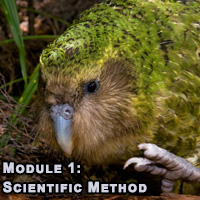
The first segment of the ABC curriculum, Module 1: Scientific Method, introduces students to the empirical processes that underpin all biological research. It trains participants in hypothesis generation, experimental design, data collection, and the critical evaluation of scientific literature, equipping bird keepers with the analytical skills needed to separate scientifically validated husbandry practices from internet myths.
Module 2: Characteristics of Life transitions into core biology, examining the defining features of living organisms. By exploring cellular structures, metabolism, homeostasis, and heredity within avian species, students develop a profound appreciation for the biological machinery that sustains bird life.
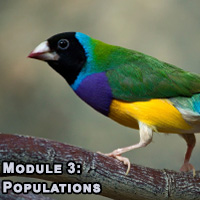
Moving from the individual organism to collective populations, Module 3: Populations explores ecological dynamics. This module covers population growth models, carrying capacity, resource competition, and demographic factors that influence both wild avian ecosystems and managed captive flocks.
Module 4: Mendelian Genetics builds upon the genetic concepts introduced in advanced aviculture, providing a clear, structured breakdown of inheritance patterns. Students learn how traits are passed down across generations, enabling breeders to make informed, ethical decisions regarding genetic diversity and health management within their aviaries.

Rounding out the series, Module 5: Ecological Terminology familiarizes learners with the specialized vocabulary of ecology and conservation science. This module explores ecosystems, trophic levels, habitat fragmentation, and niche dynamics, reinforcing the connection between captive aviculture and global environmental preservation.
Broader Impact and Implications for the Avian Community
The launch and continuous expansion of the AFA’s educational tools arrive at a crucial juncture for the avicultural community. As urban environments expand and natural habitats face unprecedented pressures from climate change and deforestation, the role of responsible aviculture in species preservation has grown increasingly vital.
By standardizing education through structured programs like the Fundamentals of Aviculture and the Avian Biology Classroom, the AFA is actively elevating the standard of care across the board. Well-educated bird owners are better equipped to prevent behavioral issues, recognize early signs of illness before they become critical, and provide environments that mimic natural behavioral needs. Furthermore, by fostering a deep understanding of genetics, microbiology, and conservation, these programs empower breeders to maintain healthy, genetically diverse populations that can support broader conservation goals.
Industry analysts and veterinary professionals have widely praised these initiatives for bridging the historical divide between academic researchers and grassroots hobbyists. Programs backed by reputable institutions such as Texas A&M University’s Schubot Exotic Bird Health Center ensure that the information disseminated is accurate, safe, and reflective of the latest scientific consensus.
As the AFA continues to open its virtual campus doors to new cohorts of students, the long-term outlook for captive avian welfare and conservation education remains exceptionally bright. Through continuous learning, rigorous scientific inquiry, and a steadfast commitment to community outreach, the American Federation of Aviculture is securing a healthier, more knowledgeable future for birds and the people who care for them.

