



The United States Food and Drug Administration (FDA) has officially authorized the use of bemotrizinol as an active ingredient in over-the-counter sunscreen products, marking the first time in over a quarter-century that a new UV filter has been permitted on the American market. While the decision has been hailed by dermatologists and public health advocates as a major victory for skin cancer prevention, it has also reignited a fierce debate regarding the necessity of animal testing in regulatory approvals. The approval comes after decades of use in international markets and years of advocacy by both industry leaders and animal welfare organizations, highlighting a complex intersection of public health needs, scientific innovation, and ethical considerations.
A Decades-Long Regulatory Stalemate
For nearly 30 years, the American sunscreen market has remained largely stagnant in terms of active ingredient innovation. While the European Union, the United Kingdom, and Australia have approved nearly 30 different UV filters, the United States has been limited to approximately 16 ingredients, many of which were approved in the 1970s and 1980s. The last time the FDA added a new over-the-counter sunscreen ingredient was in the late 1990s.
The primary reason for this discrepancy lies in how sunscreens are classified. In most other parts of the world, sunscreens are categorized as cosmetics. However, in the United States, the FDA classifies them as over-the-counter (OTC) drugs. This classification subjects sunscreen ingredients to a much more rigorous approval process, requiring manufacturers to prove that the chemicals are "Generally Recognized as Safe and Effective" (GRASE). This process involves extensive clinical trials, including Maximum Usage Trials (MUrT) to determine the extent of systemic absorption into the bloodstream.
Bemotrizinol, known commercially as Tinosorb S, has been a staple in international sun care since 2000. It is a broad-spectrum UV absorber, meaning it provides protection against both UVA rays—which cause premature aging and long-term skin damage—and UVB rays, which are primarily responsible for sunburns. Despite its long-standing safety record abroad, the FDA required additional data to satisfy its drug-safety standards, leading to a regulatory process that spanned more than two decades.

The Human and Ethical Cost of Redundant Testing
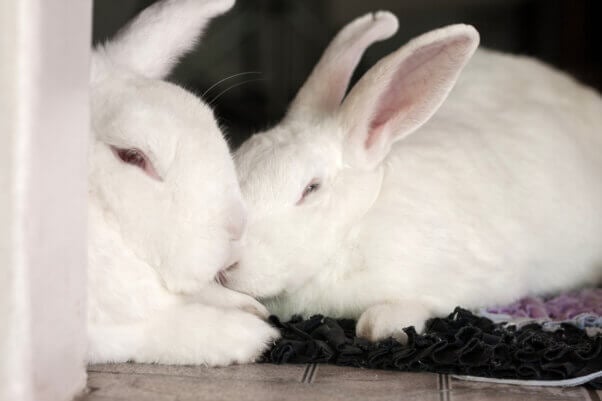
The path to approval for bemotrizinol was paved with extensive animal testing, a requirement that has drawn sharp criticism from animal rights organizations such as People for the Ethical Treatment of Animals (PETA). According to scientists and advocates, the FDA’s insistence on new animal data was redundant, given that the ingredient had been safely utilized by millions of people globally for over 20 years.
Critics argue that the FDA’s reliance on animal models for sunscreen safety is an outdated practice that ignores modern scientific capabilities. The testing required for bemotrizinol involved years of toxicity studies on various animal species to monitor for potential reproductive issues, carcinogenicity, and systemic effects. These studies often result in the deaths of thousands of animals, even when existing human epidemiological data from other countries suggest no adverse effects.
The delay in approval also carried a public health cost. Skin cancer is the most common form of cancer in the United States, with approximately 9,500 people diagnosed every day. The lack of modern, more effective UV filters like bemotrizinol has arguably left American consumers with fewer options for high-performance protection. Bemotrizinol is particularly valued because it is photostable, meaning it does not break down quickly when exposed to sunlight, unlike some older ingredients like avobenzone.
Chronology of the Sunscreen Innovation Crisis
The journey to the 2026 approval of bemotrizinol can be traced through several key legislative and regulatory milestones:
- 1996-1999: The FDA approves the last set of new sunscreen ingredients, including ecamsule (though its use remained limited).
- 2000: Bemotrizinol is introduced to the European market and quickly becomes a preferred filter due to its stability and broad-spectrum coverage.
- 2002-2010: Multiple manufacturers submit Time and Extent Applications (TEAs) to the FDA for ingredients used safely overseas, including bemotrizinol.
- 2014: Congress passes the Sunscreen Innovation Act (SIA) in an attempt to speed up the FDA’s review process for new filters. However, the FDA continues to demand more safety data, leading to little change in the market.
- 2019: The FDA issues a proposed rule requiring additional safety data for 12 of the 16 currently marketed ingredients, asserting that only zinc oxide and titanium dioxide are definitively GRASE.
- 2020: The Coronavirus Aid, Relief, and Economic Security (CARES) Act is signed into law, which includes provisions to reform the OTC monograph process, giving the FDA more flexibility and resources to update sunscreen regulations.
- 2021-2025: Increased collaboration between PETA scientists, the FDA, and industry leaders focuses on New Approach Methodologies (NAMs) to replace animal testing.
- June 16, 2026: The FDA officially grants approval for bemotrizinol, citing a combination of traditional data and modern safety assessments.
The Rise of Non-Animal Testing Methodologies
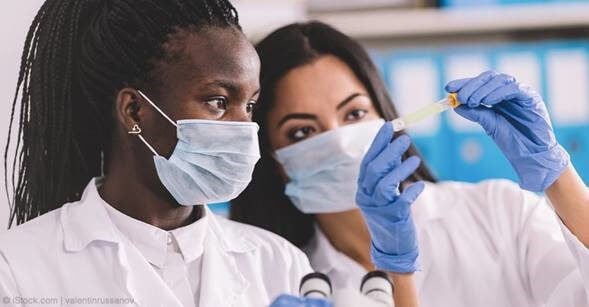
The approval of bemotrizinol serves as a catalyst for a broader shift toward New Approach Methodologies (NAMs) in regulatory science. PETA scientists have been at the forefront of this transition, working alongside regulators and sunscreen manufacturers to demonstrate that cell-based assays and computer modeling can provide more human-relevant data than traditional animal tests.
These non-animal methods include:
- In Silico Modeling: Using advanced computer algorithms to predict how a chemical will interact with human biology based on its molecular structure.
- In Vitro Skin Models: Utilizing lab-grown human skin cells (reconstructed human epidermis) to test for absorption and irritation without harming living beings.
- High-Throughput Screening: Rapidly testing chemicals in cell cultures to identify potential toxicity at the cellular level.
Congress has also stepped in to mandate change. Recent legislation has explicitly called on the FDA to accept non-animal test methods for sunscreens, reflecting a growing bipartisan consensus that regulatory science must modernize. The argument is twofold: non-animal methods are more ethical, and they are often more accurate in predicting human responses than animal models, which can vary significantly from human physiology.
Industry and Scientific Reactions
The reaction from the scientific community has been largely positive, though tempered by the memory of the long delay. Dermatologists emphasize that the inclusion of bemotrizinol will allow for more elegant and effective sunscreen formulations. Older filters often require high concentrations to be effective, which can lead to greasy textures or white casts that discourage regular use. Bemotrizinol is effective at lower concentrations and blends easily into various formulations.
Industry leaders, including major chemical manufacturers like BASF and DSM-Firmenich, have expressed relief. For these companies, the U.S. market has long been a "regulatory island," forcing them to create different formulations for America than they do for the rest of the world. The alignment of U.S. standards with international norms is expected to streamline production and foster further innovation.
However, animal welfare advocates remain cautious. While they celebrate the approval, they emphasize that the "decades of redundancy" must never be repeated. They urge the FDA to treat the bemotrizinol case as a cautionary tale of how outdated requirements can hinder progress.
Implications for the Future of Public Health
The entry of bemotrizinol into the U.S. market is expected to have a ripple effect on the sun care industry. Analysts predict a surge in new product launches as brands integrate the ingredient into their portfolios. This could lead to a significant improvement in the quality of sun protection available to the American public, potentially impacting long-term skin cancer rates.
Furthermore, this decision sets a precedent for other pending sunscreen ingredients. Filters such as bisoctrizole (Tinosorb M) and ecamsule (Mexoryl SX) have also faced long regulatory hurdles. The framework established during the bemotrizinol approval—specifically the integration of international data and non-animal testing—could provide a roadmap for these ingredients to finally reach American shelves.
As the FDA moves forward, the focus will likely remain on balancing the need for absolute safety with the urgency of providing modern protective tools. The success of bemotrizinol suggests that the agency is becoming more receptive to alternative data sources, a shift that could redefine the landscape of American pharmaceutical and cosmetic regulation for years to come. By embracing animal-free science, the FDA not only honors ethical commitments but also ensures that American consumers are no longer left behind in the global effort to combat skin cancer.

