


The U.S. Department of Agriculture (USDA) has released a comprehensive inspection report detailing a series of alarming animal welfare failures at the Houston Interactive Aquarium & Animal Preserve. The findings, which stem from an inspection conducted in the spring of 2026 and finalized in June, document instances of near-fatal negligence, physical trauma resulting from improper handling, and a persistent lack of adequate veterinary oversight. These revelations add to a growing list of grievances against the facility, which has now amassed 37 citations for alleged violations of the federal Animal Welfare Act (AWA) in less than five years.
The most harrowing account in the federal report involves a near-fatal incident with an armadillo. According to the USDA inspectors, external contractors performing work at the facility left a water line running unattended inside the armadillo’s enclosure. The oversight resulted in the habitat flooding, forcing the small mammal to swim for an undetermined but significant period of time to avoid drowning. By the time staff discovered the situation, the armadillo was found unresponsive and in a state of advanced physical distress.
Medical records cited in the report indicate that the animal was cold to the touch, exhibiting abnormal breathing patterns, and its skin had turned a distinct shade of purple—a sign of severe oxygen deprivation or hypothermia. The armadillo was rushed to an emergency veterinarian, where life-saving measures were successfully implemented. While the animal survived, the USDA identified the incident as a critical failure in facility management and contractor oversight, highlighting a lack of basic safety protocols that nearly cost the animal its life.
Trauma and Negligence in Avian Enclosures
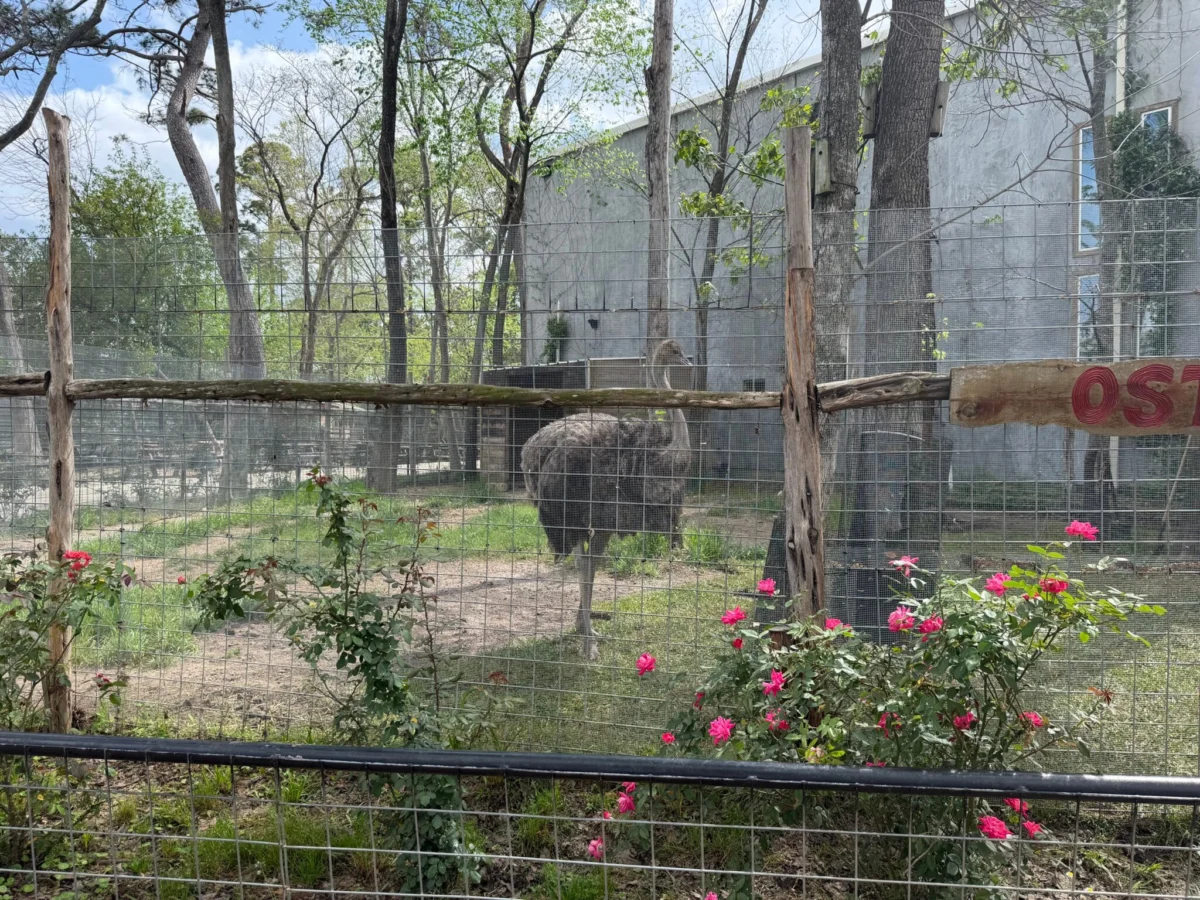
The USDA report further details an incident involving an ostrich and an emu, two large flightless birds that require significant space and careful social management. The inspection found that facility staff had moved an emu into an enclosure with an ostrich without first conducting a mandatory compatibility assessment. This failure to evaluate the temperament and safety of the cohabitation led to immediate conflict and distress.
Terrified by the presence of the other bird, the ostrich attempted to flee the enclosure, crashing into a perimeter fence. The impact resulted in a four-inch-long laceration on the bird’s chest. The situation escalated when contractors attempted to corral the injured and agitated bird using cattle panels—heavy metal gates typically used for livestock. During this process, the ostrich kicked the panels, sustaining two additional wounds to her foot.
The report notes that the injuries were so severe that the ostrich was unable to bear any weight on her leg. Despite the visible trauma and the bird’s obvious inability to walk, facility employees reportedly failed to contact a veterinarian for an evaluation. It was only after a federal inspector explicitly questioned whether medical professional intervention had been sought that the facility finally reached out to a veterinarian. This delay in care constitutes a direct violation of AWA standards, which require timely and adequate veterinary attention for all animals under a facility’s care.
Chronic Lack of Enrichment and Behavioral Distress
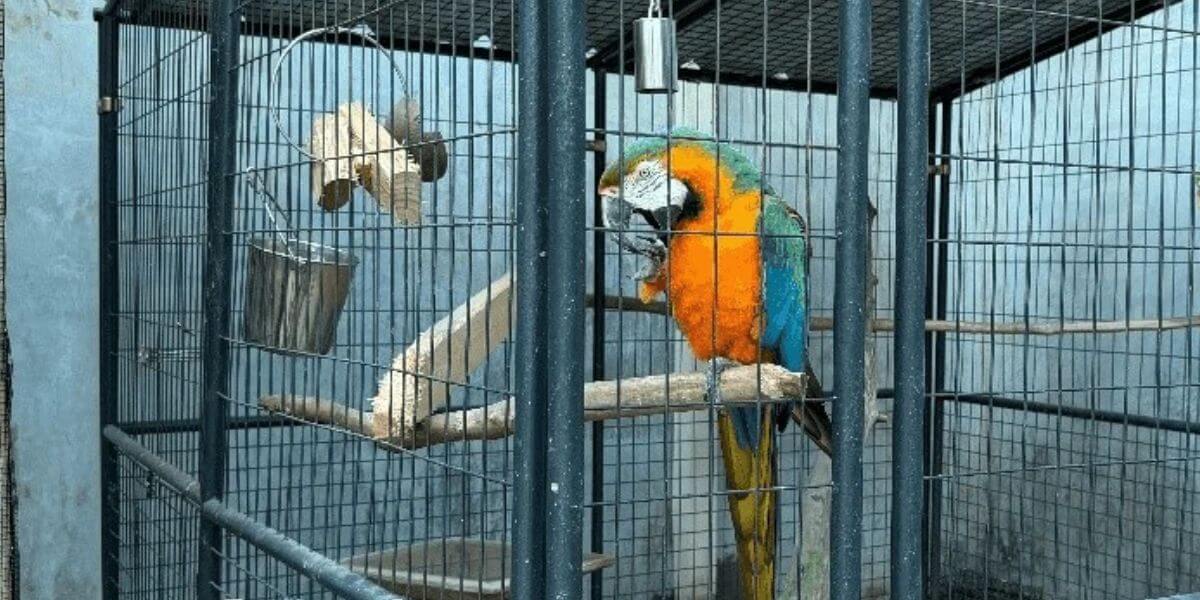
Beyond acute physical injuries, the USDA inspection highlighted chronic issues regarding the psychological well-being of the animals at the Houston Interactive Aquarium. One of the most prominent examples cited was that of a solitary macaw. The bird was found housed in a barren cage that lacked any form of enrichment, such as toys, foraging opportunities, or social interaction, which are essential for the highly intelligent and social species.
The inspector documented the macaw exhibiting "stereotypic behavior"—repetitive, purposeless actions often seen in captive animals suffering from extreme boredom, frustration, or psychological distress. In parrots, this often manifests as feather plucking, constant pacing, or head bobbing. The report emphasized that the lack of environmental stimulation for the macaw was a significant deviation from accepted husbandry practices.
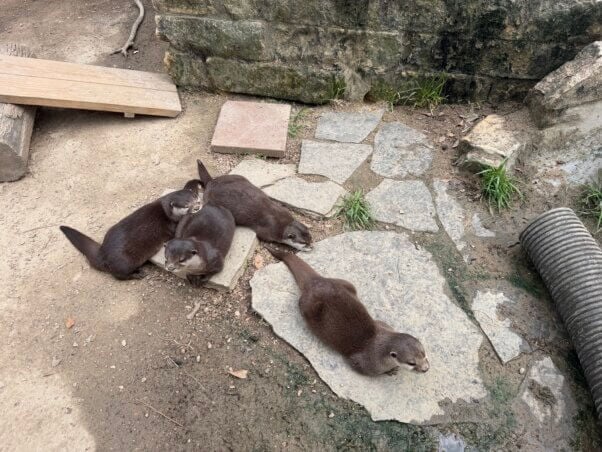
Similar concerns were raised regarding the facility’s otters. The inspection noted that at least two otters exhibited patches of hair loss on their tails, a condition that can be caused by stress, poor water quality, or nutritional deficiencies. The report suggested that the enclosures provided for these semi-aquatic mammals did not meet the necessary standards for maintaining their physical health and coat condition.
A History of Escapes and Critical Citations
The 2026 report is part of a much larger pattern of regulatory non-compliance at the Houston Interactive Aquarium. Since its opening, the facility has been a frequent subject of USDA scrutiny. In 2024, the preserve received two critical citations following a mass escape of birds. According to federal records, a tear in the mesh of an outdoor enclosure allowed 40 parakeets and one Eclectus parrot to fly away.
Despite the scale of the escape, the facility was unable to recover any of the birds. The USDA noted that the failure to maintain the structural integrity of the enclosures not only endangered the captive birds, which are ill-equipped to survive in the wild or in an urban Texas environment, but also posed a potential risk to the local ecosystem. The repetitive nature of these maintenance failures suggests a systemic issue with facility upkeep and animal containment.
The Controversy of the Interactive Business Model
The Houston Interactive Aquarium operates on a "hands-on" business model, encouraging visitors to feed, touch, and take photos with a variety of exotic species. While marketed as an educational and immersive experience, animal welfare advocates and federal regulators have frequently pointed out the inherent risks this model poses to the animals involved.
The USDA report touched upon the stress caused by constant human interaction, particularly for nocturnal species. The facility houses sloths, which are naturally inactive and sleep during the day. However, the interactive nature of the preserve subjects these animals to a constant stream of noisy crowds and physical handling by visitors during their natural sleep cycles. Experts argue that disrupting these biological rhythms can lead to long-term health issues and suppressed immune systems in wildlife.
Furthermore, the "interactive" element often places animals in high-traffic areas where they are exposed to bacteria and physical mishandling by untrained members of the public. The USDA has previously cited various "interactive" facilities for failing to provide adequate barriers between animals and the public, leading to both animal injuries and safety risks for visitors.
Legal and Regulatory Implications
The 37 citations accumulated by the Houston Interactive Aquarium & Animal Preserve place it among the most frequently cited facilities in the region. Under the Animal Welfare Act, the USDA has the authority to issue warnings, levy financial penalties, and, in extreme cases, suspend or revoke the licenses of facilities that fail to correct repeated violations.
While the facility has reportedly taken steps to address some of the specific concerns raised in previous years, the June 2026 report indicates that many of the core issues—such as inadequate veterinary care, poor enclosure maintenance, and lack of enrichment—remain unresolved. Legal experts suggest that the "critical" nature of the recent citations regarding the armadillo and the ostrich could lead to increased fines or more stringent oversight from the Animal and Plant Health Inspection Service (APHIS).
Industry analysts note that the rise of "roadside zoos" and shopping mall aquariums has created a regulatory challenge for the USDA. These facilities often operate with high turnover of both staff and animals, making consistent husbandry difficult to maintain. The Houston facility’s history reflects a broader trend within this specific niche of the entertainment industry, where profit margins often conflict with the high cost of specialized exotic animal care.
Public and Advocacy Reactions
The release of the USDA report has prompted sharp criticism from animal rights organizations, most notably PETA (People for the Ethical Treatment of Animals). In a statement following the report’s publication, PETA described the facility as a "house of horrors" and urged the public to boycott the establishment. The organization argued that the documented injuries to the ostrich and the near-drowning of the armadillo are evidence that the facility is fundamentally incapable of providing a safe environment for animals.
Advocates are calling for the relocation of the animals to accredited sanctuaries where they can live in environments that prioritize their biological and psychological needs rather than human entertainment. They point out that accredited institutions, such as those recognized by the Association of Zoos and Aquariums (AZA), must adhere to much higher standards of care, including rigorous requirements for enrichment, veterinary staffing, and habitat design.
As of the date of the report’s release, the Houston Interactive Aquarium & Animal Preserve has not issued a formal public rebuttal to the specific findings of the June 2026 inspection. Historically, such facilities often attribute citations to "clerical errors" or "temporary maintenance issues," though the volume and severity of the citations in this instance suggest a more deep-seated operational failure.
Conclusion and Future Outlook
The findings within the latest USDA inspection report serve as a stark reminder of the complexities and responsibilities involved in the care of exotic wildlife. For the Houston Interactive Aquarium & Animal Preserve, the path forward remains uncertain. With 37 citations in less than five years, the facility is under intense pressure from federal regulators and the public alike to overhaul its operations.
The documented suffering of the armadillo, the ostrich, and the macaw highlights the urgent need for a shift in how captive animals are managed in interactive settings. Whether through increased federal enforcement, legislative changes to the Animal Welfare Act, or a shift in public demand for more ethical animal experiences, the situation at the Houston preserve has become a focal point in the national debate over animal captivity and entertainment. For now, the animals remain in the facility, while the USDA continues to monitor whether the required "corrective actions" are being implemented or if the preserve will face further legal consequences.

