


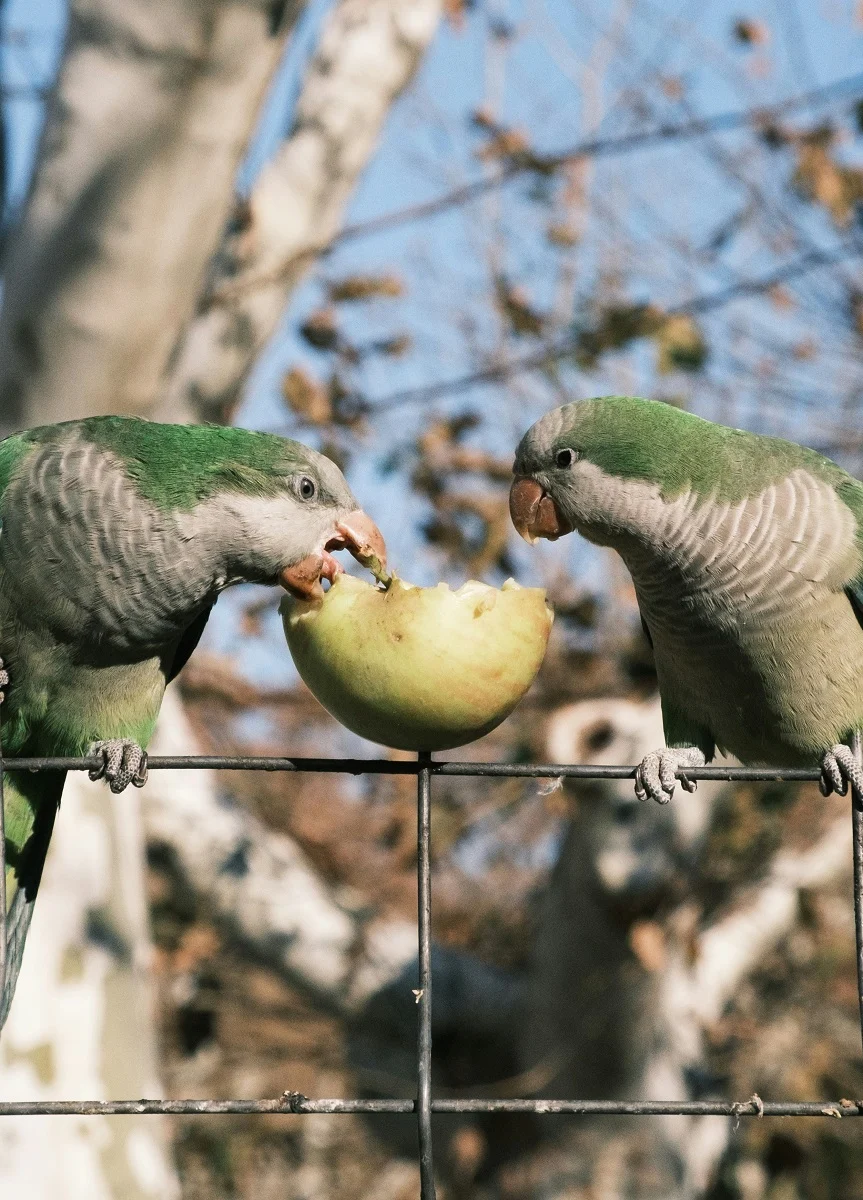
The Myiopsitta monachus, widely recognized as the Quaker parrot or Monk parakeet, represents a fascinating duality in the avian world: a beloved companion animal for many and a significant invasive species in others. Native to South America, these highly intelligent and social parrots possess a vibrant personality that, while endearing to owners, also contributes to their remarkable adaptability and potential for ecological disruption when introduced to non-native environments. This comprehensive overview delves into their natural history, biological characteristics, the complexities of their presence as an invasive species, and the considerations for their responsible care as pets.
Natural History and Origins: The South American Native
The Quaker parrot’s natural habitat spans a significant portion of South America, primarily encompassing southern Brazil, eastern Bolivia, most of Paraguay and Argentina, and all of Uruguay. This lowland species thrives in elevations up to approximately 3,300 feet (1,000 meters), preferring a mosaic of wooded and sparsely wooded areas. Their preferred landscapes include palm forests, savannas, and increasingly, urban parks and agricultural lands, demonstrating an inherent adaptability that would later contribute to their global spread.
In their native range, Myiopsitta monachus is classified by the IUCN Red List as a species of "Least Concern." This designation reflects their robust populations, which, paradoxically, may be benefiting from human activities. For instance, the expansion of eucalyptus plantations for paper pulp provides abundant nesting sites, while agricultural development, particularly maize cultivation, offers a readily available food source. This opportunistic feeding behavior has, however, also led to them being considered agricultural pests in some areas, with flocks known to decimate crops. This contrasts sharply with their close relative, M. luchsi, also known as the Cliff parakeet, which is confined to a much smaller range in Bolivia and faces "Near Threatened" status due to habitat loss.
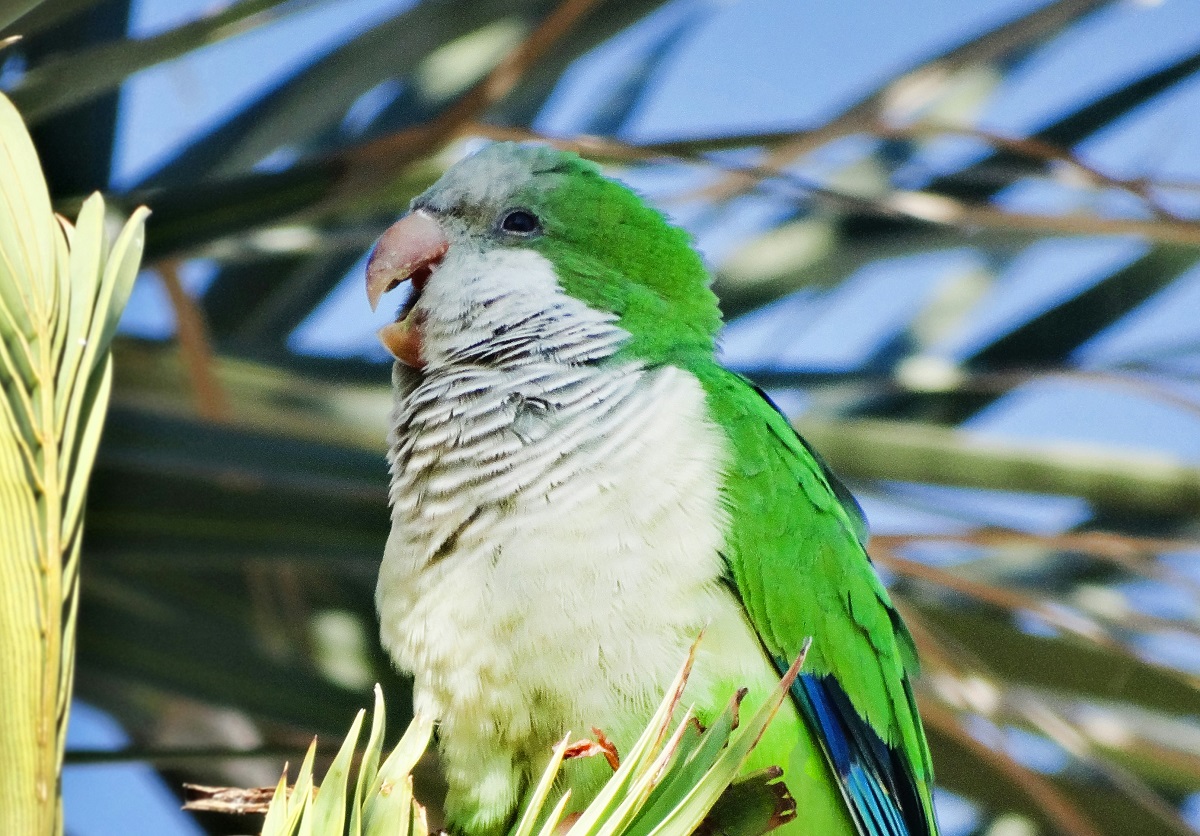
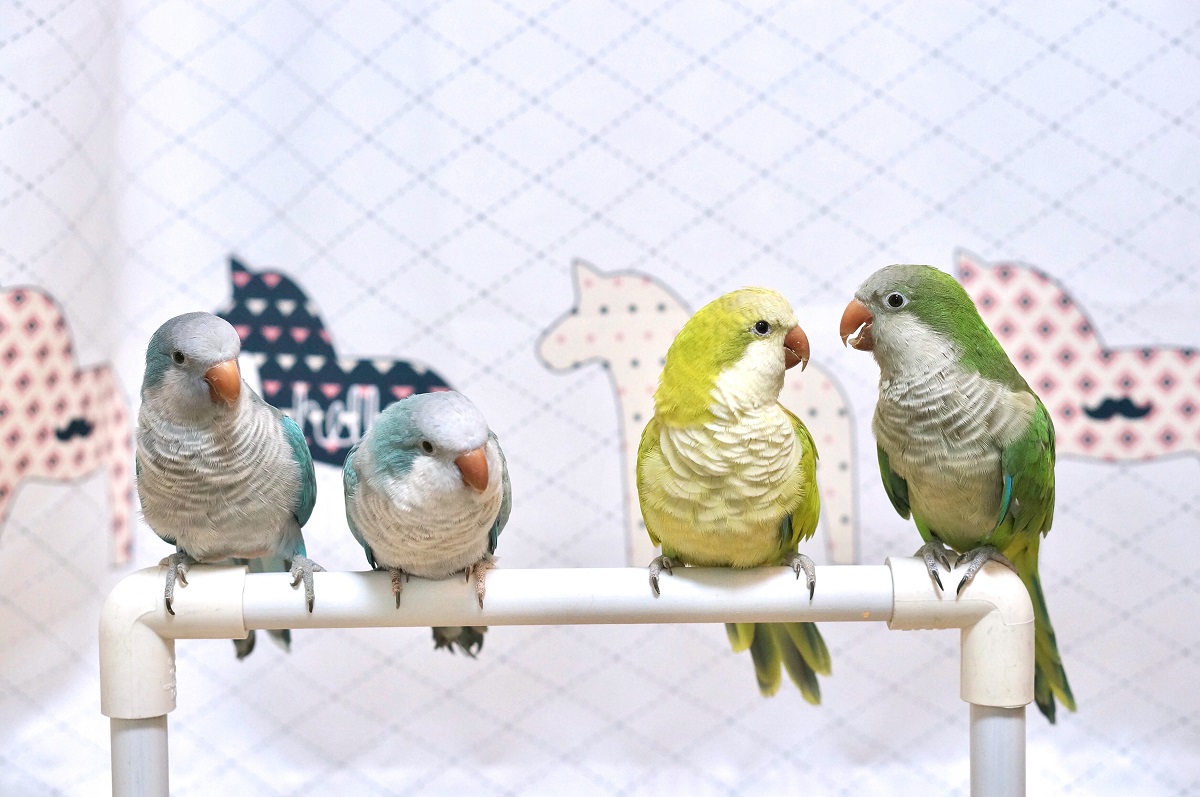
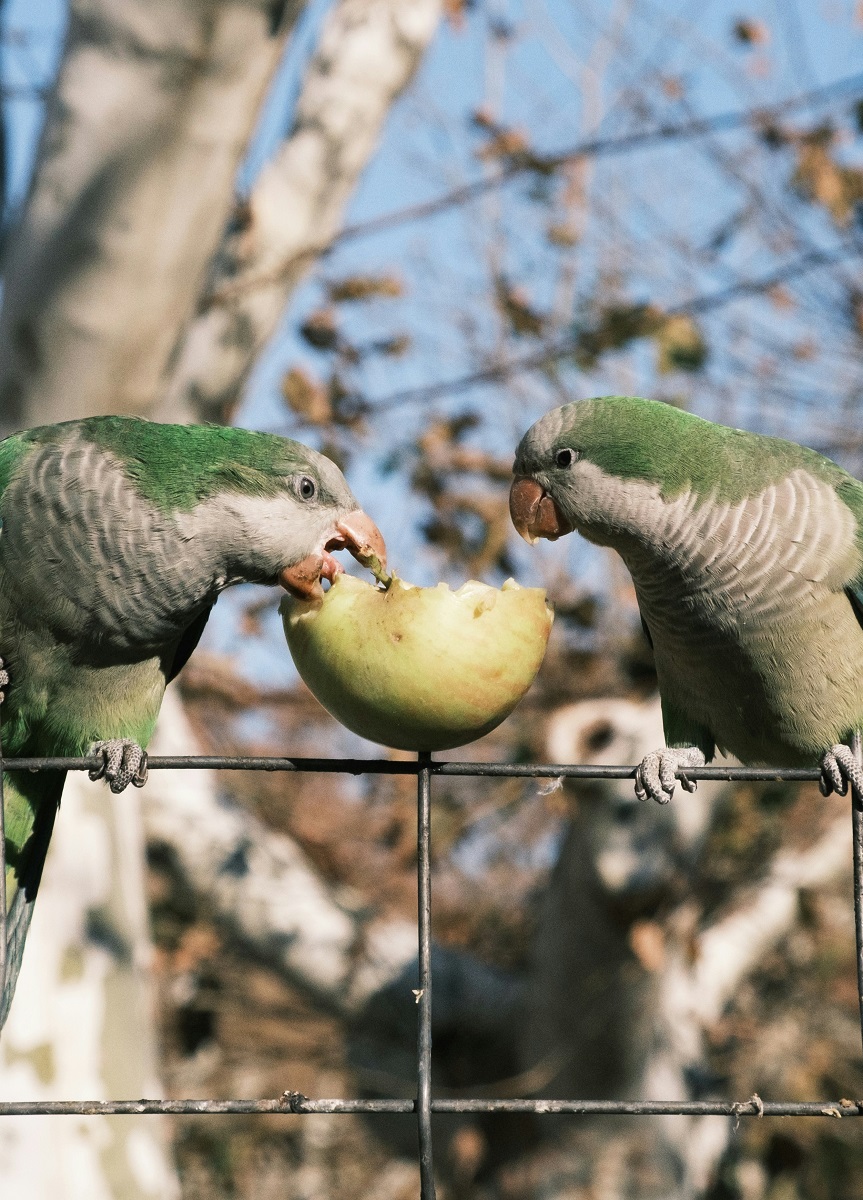
Physically, the Quaker parrot is a relatively small parrot species, typically reaching lengths of up to 13 inches (33 cm) and weighing around 140 grams (5 ounces). Wild birds are distinguished by their mossy green backs, a contrasting gray front, vibrant blue flight feathers, a long tail, and a distinctive skin-colored beak. While female Quakers are marginally smaller than males, this difference is almost imperceptible visually, often necessitating DNA testing for accurate sex determination. Through selective breeding in captivity, a diverse array of color mutations has emerged, offering pets in shades beyond green, including blue, yellow, gray, and white, among others.
The Rise of an Invasive Species: Ecological and Economic Impacts
Beyond their native South American territories, Quaker parrots have achieved notoriety as one of the most successful and impactful invasive avian species globally. Their journey from pet trade to feral populations is a well-documented phenomenon, occurring in numerous countries across North America, Europe, and Asia. These self-sustaining populations are primarily established through escaped or intentionally released pet birds, which then rapidly colonize new environments.
In the United States, for example, significant feral populations exist in states like Florida, Texas, New York, Illinois, and California. European cities such as Madrid and Valencia in Spain, as well as parts of the UK, also host thriving wild colonies. The adaptability that serves them well in their native range proves problematic elsewhere. Their unique ability to construct large, communal stick nests, often weighing hundreds of pounds, poses a particular threat. These robust structures are frequently built on utility poles, power transformers, and other infrastructure, leading to power outages, fire hazards, and substantial economic costs for removal and repair. Estimates suggest that utility companies in the U.S. alone spend millions of dollars annually managing these nests.
Ecologically, the presence of invasive Quaker parrots can wreak havoc on local ecosystems. They compete aggressively with native bird species for food resources and nesting sites, particularly cavity-nesting birds. Their diet, largely consisting of seeds, fruits, and agricultural crops, can deplete food sources for indigenous wildlife and cause significant damage to farms, echoing their pest status in their native South America. There are also concerns about their potential to transmit diseases to native avian populations, although research in this area is ongoing.
Consequently, the legal status of Quaker parrots varies dramatically across regions. In some U.S. states and countries, their ownership, sale, or breeding is outright illegal, or heavily restricted, due to their invasive potential. States like California, Georgia, Hawaii, Kentucky, New Jersey, Pennsylvania, Rhode Island, Tennessee, and Wyoming have enacted strict regulations, often prohibiting ownership or requiring permits. These legislative measures reflect a growing awareness of the severe ecological and economic consequences associated with uncontrolled invasive species. Efforts to manage feral populations often involve trapping, relocation, or, in some cases, culling, leading to complex ethical debates among conservationists, animal welfare advocates, and the public.
Quaker Parrots as Companion Animals: Care, Temperament, and Vocalization
Despite their complex ecological role, Quaker parrots remain highly popular pets, cherished for their vibrant personalities, intelligence, and capacity for interaction. For the right owner, they can indeed make delightful and engaging companions, living up to 30 years with proper care. However, their intelligence and social needs demand a significant commitment, underscoring the importance of informed ownership.
Dietary Requirements: A cornerstone of a Quaker parrot’s longevity and well-being is a meticulously planned diet. Unlike traditional misconceptions, a seed-heavy diet is detrimental, often leading to malnutrition and associated health issues such as fatty liver disease. Modern avian veterinarians advocate for a diet primarily composed of high-quality formulated pellets, which provide a balanced nutritional foundation. This should be supplemented daily with a wide variety of fresh vegetables (e.g., leafy greens, carrots, bell peppers, broccoli) and fruits (e.g., apples, berries, melon, grapes). Small amounts of healthy grains, cooked legumes, and occasional protein sources can also be offered. Access to a mineral block for essential trace elements and, crucially, multiple sources of fresh water, is vital. Owners must also be aware of foods toxic to parrots, such as avocado, chocolate, and caffeine.
Housing and Environment: While Quakers are not the largest parrots, they require ample space for physical activity and mental stimulation. A minimum cage size of 30 inches (76 cm) wide is generally recommended, though larger is always preferable, especially if the bird will not have several hours of supervised out-of-cage time daily. Cage length is often considered more critical than height, as parrots primarily utilize the upper sections of their enclosures. The cage should be equipped with a variety of natural wood perches of varying diameters to promote foot health, along with stainless steel food and water bowls that are easy to clean.
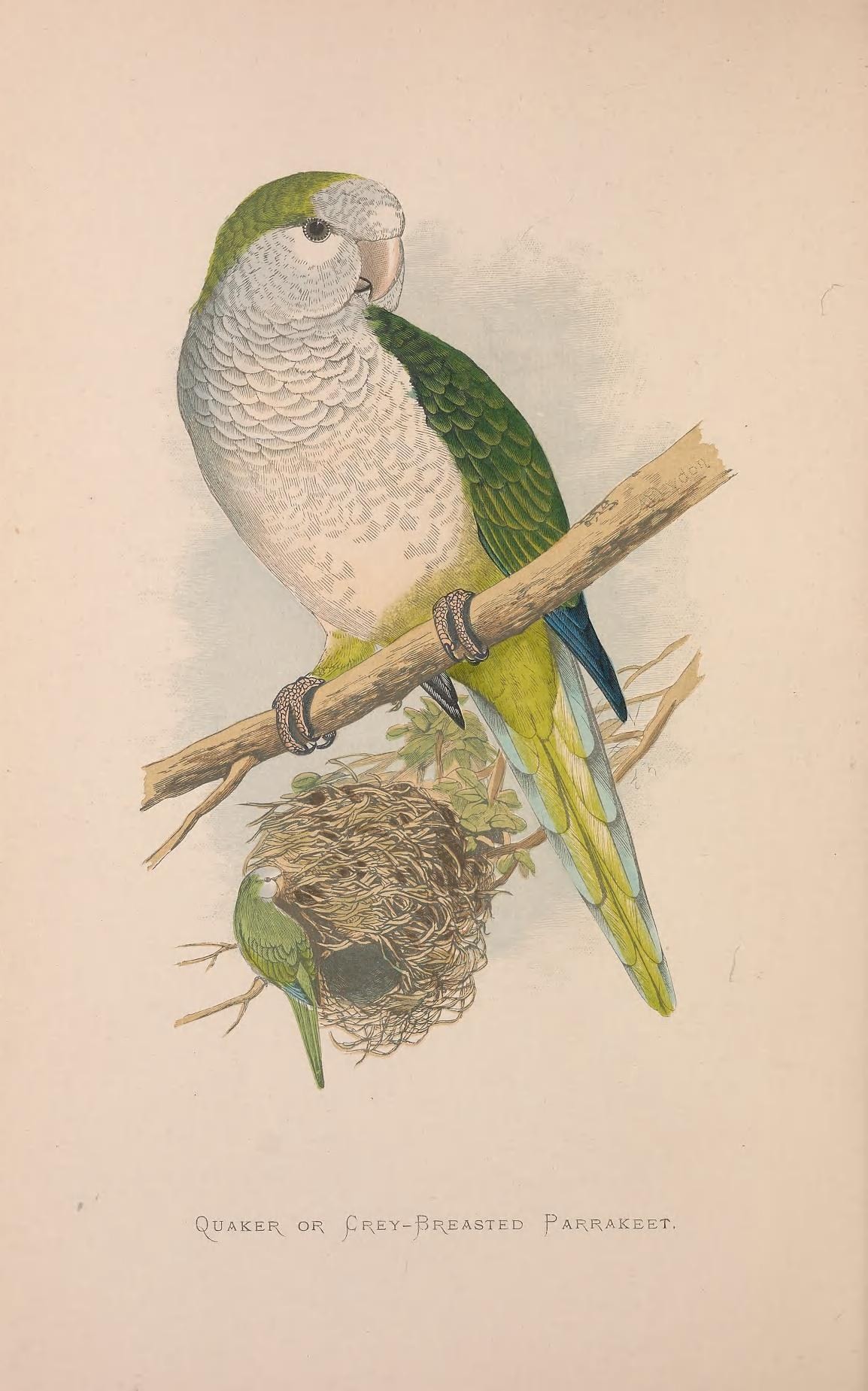
A defining characteristic of Quaker parrots is their strong nest-building instinct. Even in captivity, they will meticulously gather and stack small, elongated items—sticks, pens, paper—to construct intricate structures, often in a chosen corner of their cage. While fascinating to observe, this nesting behavior can trigger hormonal changes, potentially leading to increased territoriality or aggression. Managing this instinct without completely suppressing it requires careful observation and environmental adjustments. Enrichment through a diverse array of parrot-safe toys, climbing opportunities, and foraging devices is paramount to prevent boredom, stress, and behavioral issues like feather plucking. Providing a "parrot play gym" outside the cage offers a dedicated and safe space for exercise and interaction. Any room where a Quaker parrot roams must be thoroughly "bird-proofed," eliminating hazards such as open toilets, hot stoves, toxic plants, or unguarded ceiling fans.
Temperament and Socialization: Quaker parrots are renowned for their confident, boisterous, and playful personalities. A well-socialized Quaker can be a joy, displaying clownish antics and a zest for life. They are highly social creatures and, if accustomed to human interaction from a young age, can form deep bonds with their owners, often enjoying cuddles and physical affection. However, their intense social nature can also manifest as strong attachment to a single person, potentially leading to territoriality or aggression towards other family members. Owners must commit to consistent socialization with all household members to mitigate this. They can also be highly territorial about their cage, sometimes making routine tasks like cleaning or refilling food challenging. Positive reinforcement training methods are crucial for managing their strong will and ensuring a harmonious coexistence.
Vocalization and Talking Ability: Quakers are not silent birds. While generally ranked as having a low to moderate noise level compared to some larger parrot species, their flock calls can be quite sharp and grating. They produce a steady stream of whistles, chirps, and can be impressive mimics of human speech and household sounds. Their voices tend to be squeaky, but they often possess a strong motivation to learn, acquiring extensive vocabularies. For owners interested in teaching their Quaker to talk, consistent repetition and positive reinforcement are key. A happy and content Quaker parrot may emit a soft "purring" sound or grind their beak, signals of their comfort and well-being. Potential owners are strongly advised to experience a Quaker parrot’s typical vocalizations firsthand, perhaps by visiting a breeder or observing online recordings, to ensure their household can accommodate the noise level.
Responsible Ownership and Broader Implications
The decision to welcome a Quaker parrot into one’s home carries significant responsibilities. Given their long lifespan, potential for complex behaviors, and specific care requirements, prospective owners must be prepared for a multi-decade commitment. This includes ensuring access to specialized avian veterinary care, understanding the intricacies of their diet and environmental needs, and dedicating substantial time to their social and intellectual enrichment. Adopting from a rescue organization rather than purchasing from a breeder can be a responsible choice, offering a second chance to birds in need.
The dual narrative of the Quaker parrot – a cherished companion and an ecological threat – underscores a broader theme in human-animal interactions. The pet trade, while bringing joy to many, has inadvertently facilitated the establishment of numerous invasive species worldwide, disrupting biodiversity and incurring substantial costs. Managing this challenge requires a multi-faceted approach: stricter regulations on the import and sale of potentially invasive species, public education campaigns on responsible pet ownership (including preventing escapes and understanding legal restrictions), and humane strategies for managing existing feral populations.
In conclusion, Myiopsitta monachus is a species of remarkable resilience and charm. Their intelligence, social complexity, and adaptability have allowed them to thrive in diverse environments, both natural and man-made. While they can bring immense joy and companionship to dedicated owners, their status as a global invasive species demands a cautious and informed approach to their presence, emphasizing responsible pet ownership and a keen awareness of their ecological footprint. Understanding the Quaker parrot means appreciating not only their vibrant personality but also the intricate balance between human desires and environmental stewardship.

