


The U.S. Department of Agriculture (USDA) has released a comprehensive inspection report detailing a series of alarming animal welfare failures at the Houston Interactive Aquarium & Animal Preserve. The document, which follows a string of historical non-compliance issues at the facility, outlines instances of near-fatal negligence, physical trauma resulting from improper animal handling, and chronic psychological distress among the captive species. These findings have reignited a national conversation regarding the safety and ethical implications of "interactive" animal exhibits, which prioritize close-up human contact over the biological and behavioral needs of the animals.
Critical Incidents and Immediate Health Risks
The most harrowing account in the USDA report involves a near-death experience for an armadillo housed at the preserve. According to federal investigators, contractors working on the premises left a water line running within the armadillo’s enclosure. The resulting flood forced the small mammal to swim for an indeterminate but clearly extended period of time in an effort to stay afloat. By the time facility staff discovered the situation, the armadillo was found unresponsive and in a state of severe physiological shock.
Medical records cited in the report indicate the animal was hypothermic, with skin that had turned a distinct shade of purple—a sign of cyanosis or lack of oxygen—and was exhibiting abnormal, labored breathing. While the animal was eventually stabilized after being rushed to an external veterinarian, the incident highlighted a catastrophic failure in facility oversight and subcontractor management.
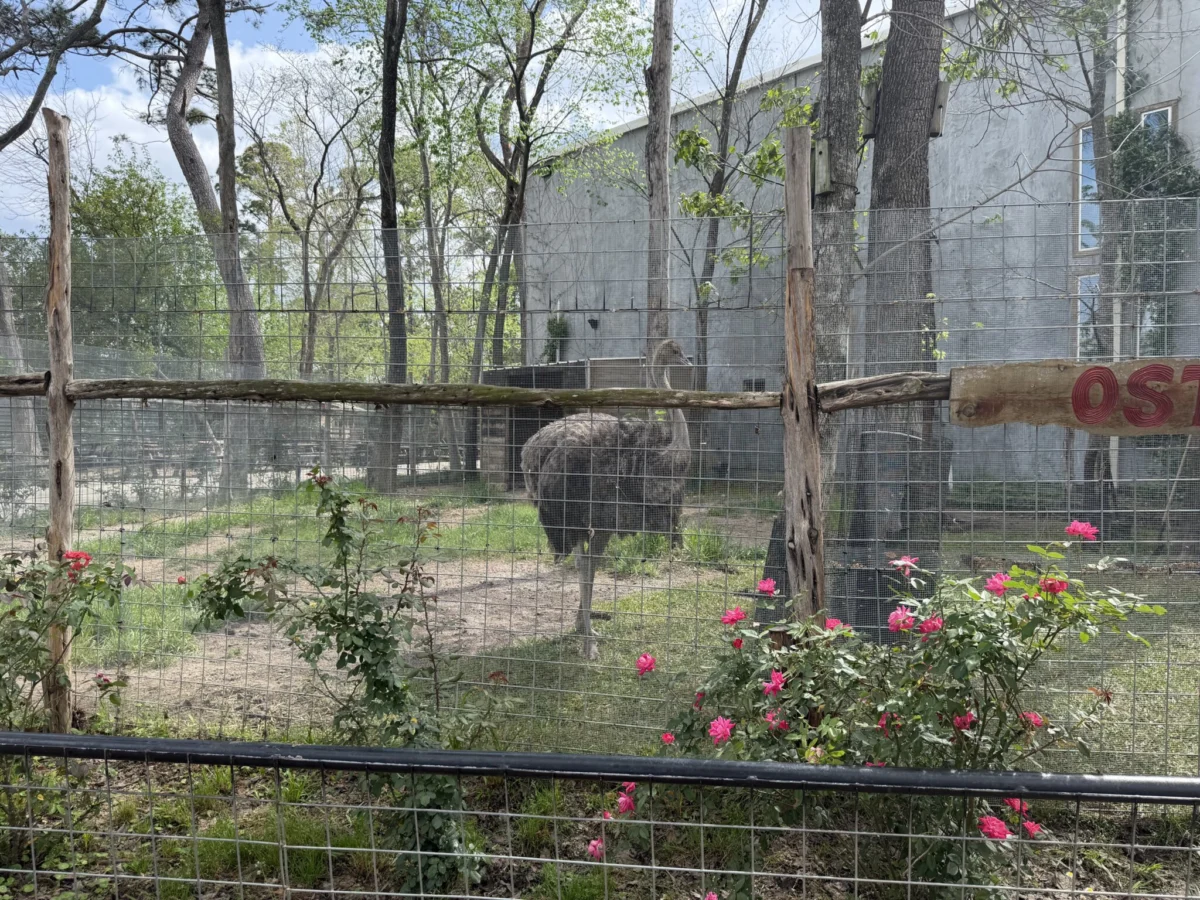
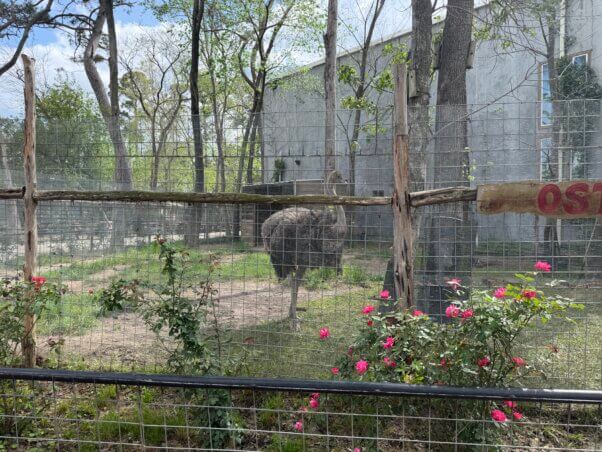
In a separate but equally distressing event, the report details the injury of an ostrich. Facility management reportedly attempted to house an emu and an ostrich in the same enclosure without conducting a preliminary compatibility assessment. Ostriches are known to be highly sensitive and flighty birds; the stress of the forced cohabitation caused the ostrich to panic. In an attempt to flee the enclosure, the bird crashed into a perimeter fence, sustaining a four-inch laceration on her chest.
The situation was further exacerbated when contractors attempted to corral the injured and terrified bird using cattle panels. During this struggle, the ostrich kicked the panels, resulting in two additional wounds on her feet. The severity of the injuries was such that the bird was unable to bear any weight on one of her legs. Despite the visible distress and the physical nature of the wounds, USDA inspectors noted that facility employees failed to contact a veterinarian until they were prompted to do so by the federal inspector on-site.
Chronic Neglect and Behavioral Abnormalities
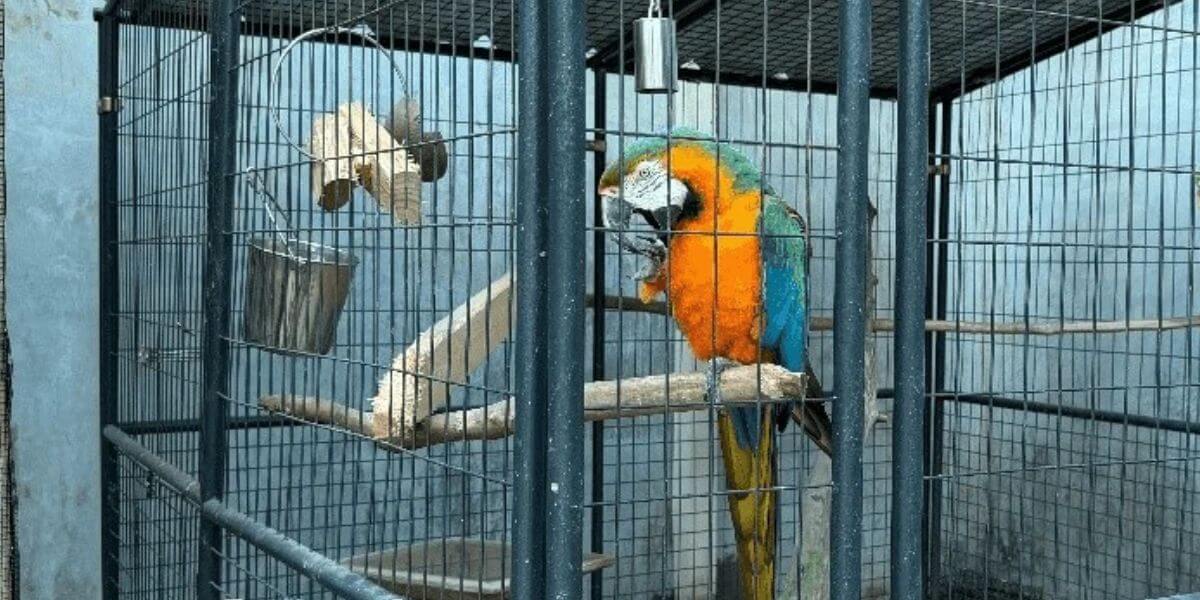
Beyond acute injuries, the USDA report shed light on the substandard living conditions and psychological toll of captivity at the Houston facility. Inspectors documented a macaw held in a solitary, barren cage. Parrots and macaws are highly social and intelligent birds that require significant cognitive stimulation to remain healthy. In this instance, the bird was found without any form of enrichment and was exhibiting "stereotypic behavior"—repetitive, purposeless movements that serve as a hallmark of profound psychological suffering in captive wildlife.
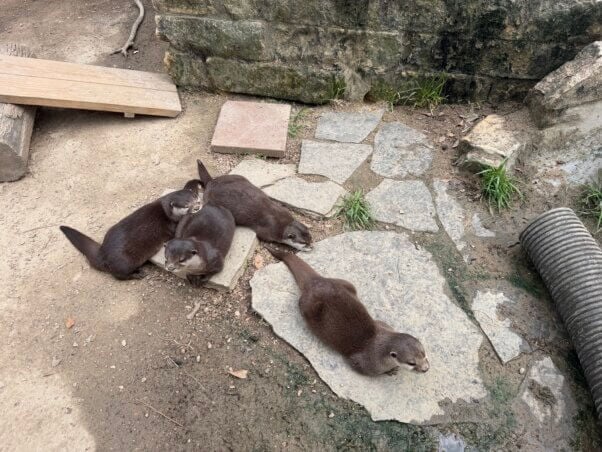
Similar concerns were raised regarding the facility’s otters. Investigators observed multiple otters suffering from patches of hair loss on their tails. While hair loss can be attributed to various factors, including stress, poor water quality, or nutritional deficiencies, it often serves as a primary indicator that an animal’s basic biological needs are not being met by its environment.
The report also touched upon the inherent conflict between the facility’s business model and the welfare of its inhabitants. As an "interactive" aquarium, the preserve encourages hands-on encounters between visitors and animals. For nocturnal species like sloths, this model is particularly disruptive. The constant noise of crowds and the physical handling by guests interfere with natural sleep-wake cycles, leading to chronic stress and potential long-term health complications.
A History of Regulatory Non-Compliance
The recent USDA findings are not isolated incidents but rather part of a documented pattern of violations at the Houston Interactive Aquarium & Animal Preserve. Over the past five years, the facility has been cited at least 37 times for alleged violations of the federal Animal Welfare Act (AWA). This frequency of citations is significantly higher than that of facilities accredited by the Association of Zoos and Aquariums (AZA), which maintain rigorous standards for animal care and habitat design.
Among the most serious of these prior infractions were two critical citations issued in 2024. These citations followed a major breach in security where a tear in the mesh of an avian enclosure allowed 40 parakeets and an Eclectus parrot to escape. The birds were never recovered. This incident raised concerns not only for the welfare of the escaped captive-bred birds, which are ill-equipped to survive in the wild, but also for the local ecosystem, as the introduction of non-native species can disrupt indigenous wildlife populations.
The recurring nature of these violations suggests a systemic failure in the facility’s operational protocols. Under the Animal Welfare Act, facilities that exhibit animals to the public are required to provide adequate housing, nutrition, and veterinary care. Repeated citations can lead to formal warnings, fines, and in extreme cases, the suspension or revocation of the facility’s USDA license.
Implications for the "Roadside Zoo" Industry
The Houston Interactive Aquarium & Animal Preserve is often categorized by animal welfare advocates as a "roadside zoo"—a term used to describe for-profit ventures that offer animal interactions without the educational or conservation rigor of accredited institutions. These facilities frequently operate in shopping malls or converted commercial spaces, environments that are often unsuitable for the complex needs of exotic wildlife.
The business model of such preserves relies heavily on the "Instagrammable" moment—allowing guests to hold, pet, or feed animals that would otherwise have no contact with humans. However, veterinary experts argue that these interactions are rarely beneficial for the animals. The "pay-to-play" structure often results in animals being viewed as commodities rather than sentient beings, leading to the types of oversight and neglect documented in the USDA’s June 2026 report.
Furthermore, the lack of professional expertise often found in these facilities can lead to dangerous situations for both animals and the public. The failure to assess animal compatibility, as seen in the ostrich and emu incident, or the failure to monitor water lines in the armadillo enclosure, points to a lack of trained zoological staff capable of anticipating and preventing common risks.
Responses and Advocacy
In the wake of the report’s release, animal rights organizations, including PETA, have intensified their calls for the public to boycott the facility. Advocacy groups argue that as long as these operations remain profitable, the cycle of neglect and exploitation will continue. They emphasize that "interaction" is a euphemism for stress and that true conservation and education are best found in accredited sanctuaries or through observing animals in their natural habitats.
While the Houston Interactive Aquarium & Animal Preserve has not issued a comprehensive public rebuttal to the specific findings of the June 2026 report, similar facilities typically defend their operations by highlighting their role in providing "accessible" animal education to urban populations. However, critics point out that an education based on observing stressed, injured, or bored animals provides a distorted and harmful view of the natural world.
Conclusion and Outlook
The USDA’s damning report serves as a critical piece of evidence in the ongoing debate over the regulation of private animal preserves in the United States. For the animals at the Houston Interactive Aquarium & Animal Preserve, the documented incidents of drowning, physical trauma, and psychological despair represent a failure of the systems meant to protect them.
As federal authorities continue to monitor the facility, the 37 citations accumulated over the last half-decade remain a permanent mark on its record. The findings underscore the necessity for stricter enforcement of the Animal Welfare Act and a potential reevaluation of the laws governing interactive animal exhibits. For now, the report stands as a stark reminder of the hidden costs of human entertainment when it comes at the expense of animal life and dignity. The fate of the armadillo, the ostrich, and the solitary macaw now rests on whether regulatory bodies will take decisive action to ensure such negligence does not recur.

