


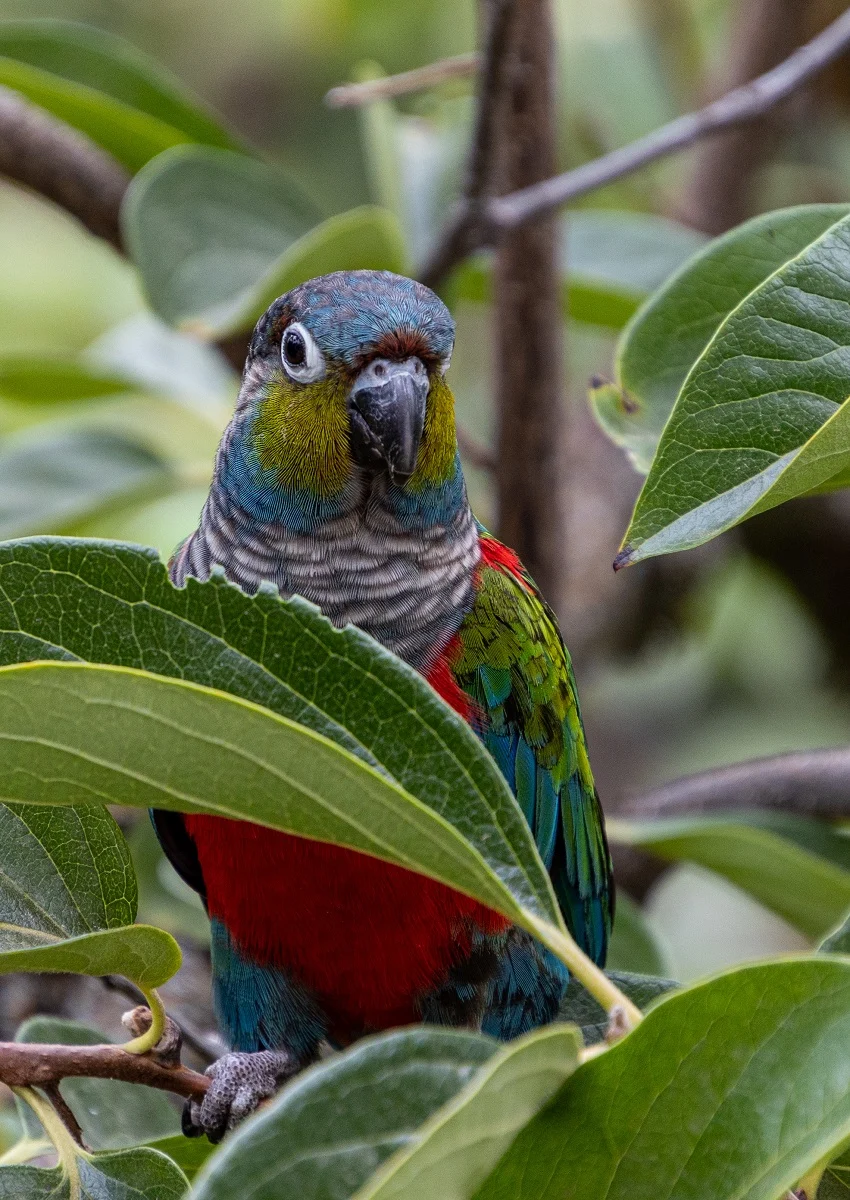
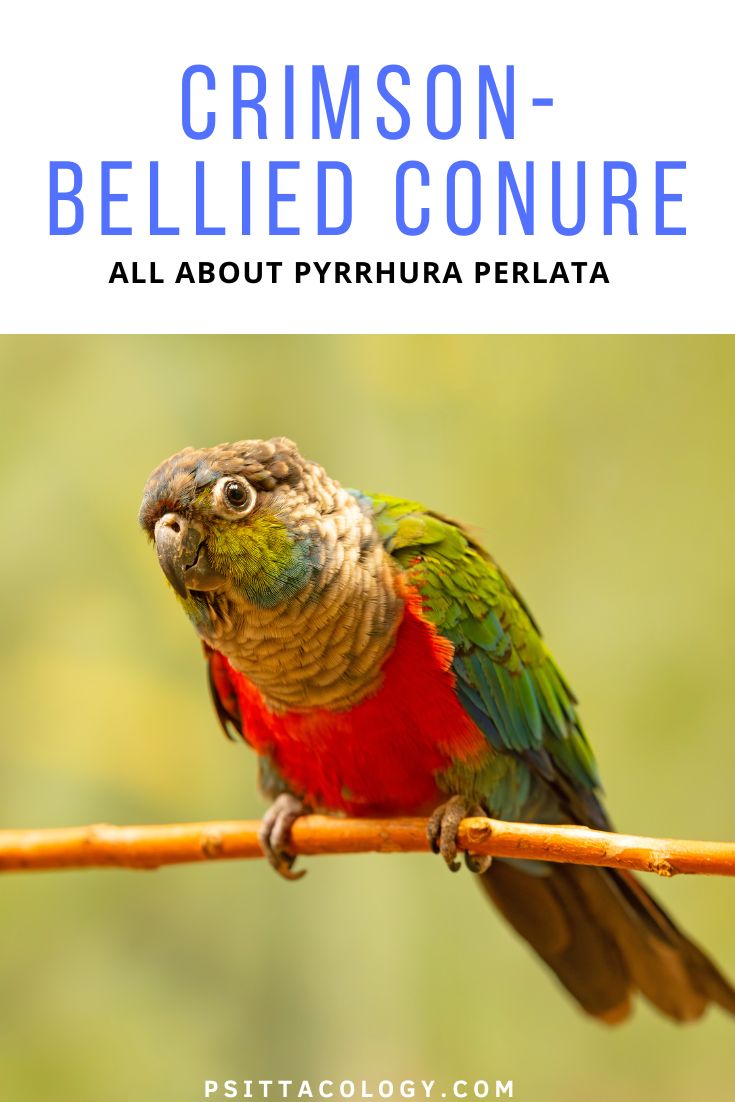
The Crimson-bellied Conure, a captivating avian species known scientifically as Pyrrhura perlata, stands out in the world of parrots with its striking coloration and engaging personality. Often described as clownish yet friendly, this small parrot has garnered attention from both ornithologists studying its wild populations in the Amazon and enthusiasts considering it as a companion animal. Understanding the intricate details of its natural history, ecological role, and specific requirements for captive care is paramount for ensuring its welfare, whether in the lush rainforests of South America or a carefully managed home environment.
Taxonomy and Distinctive Appearance
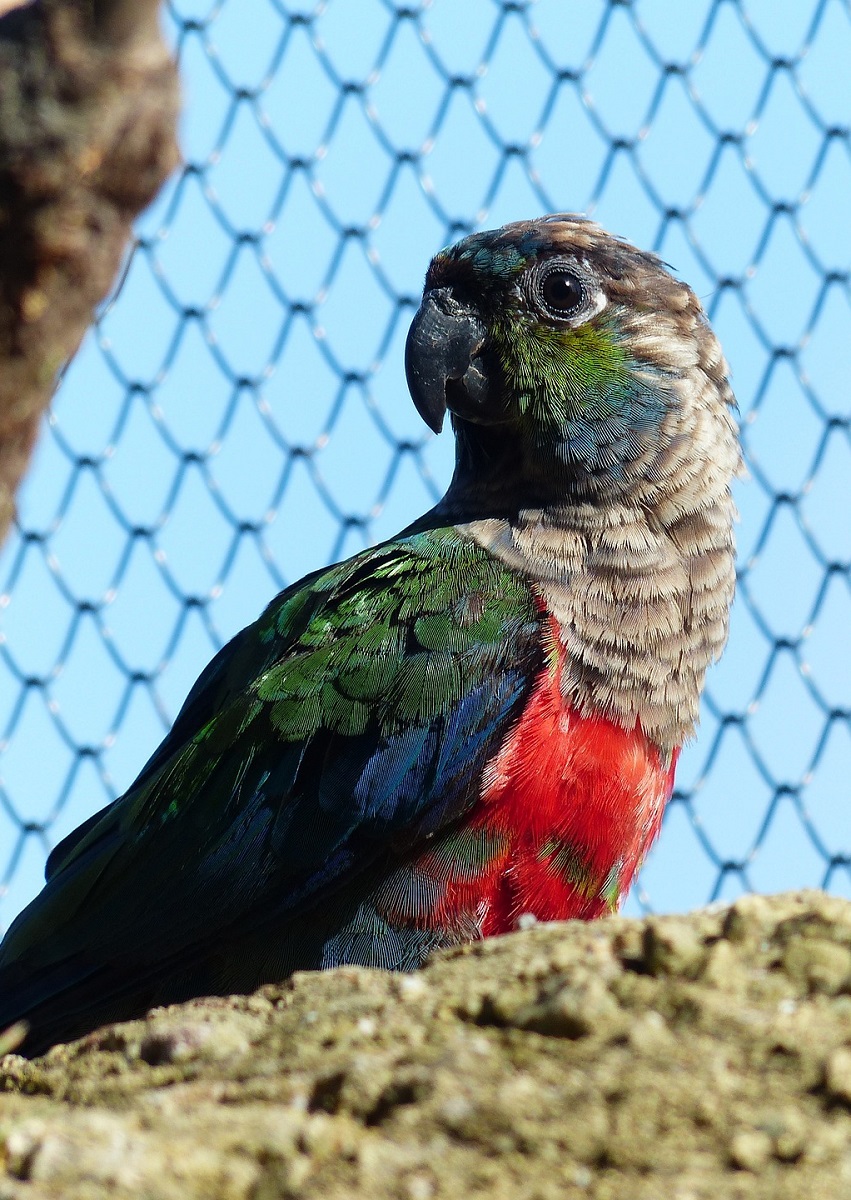
Pyrrhura perlata, commonly referred to as the Crimson-bellied Conure or Crimson-bellied Parakeet, belongs to the genus Pyrrhura, a group of small to medium-sized parakeets native to South and Central America. Within the broader family Psittacidae, these conures are distinguished by their compact build, relatively long tails, and often intricate plumage patterns. The Crimson-bellied Conure itself is renowned for its vivid palette, living up to its name with a brilliantly colored crimson belly that serves as its most distinguishing feature.
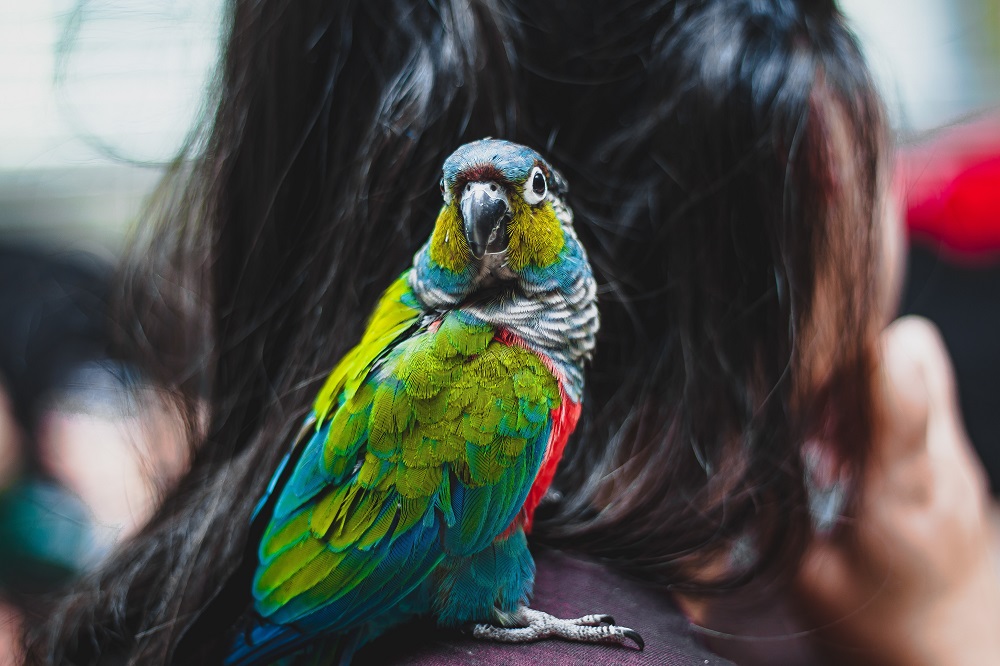
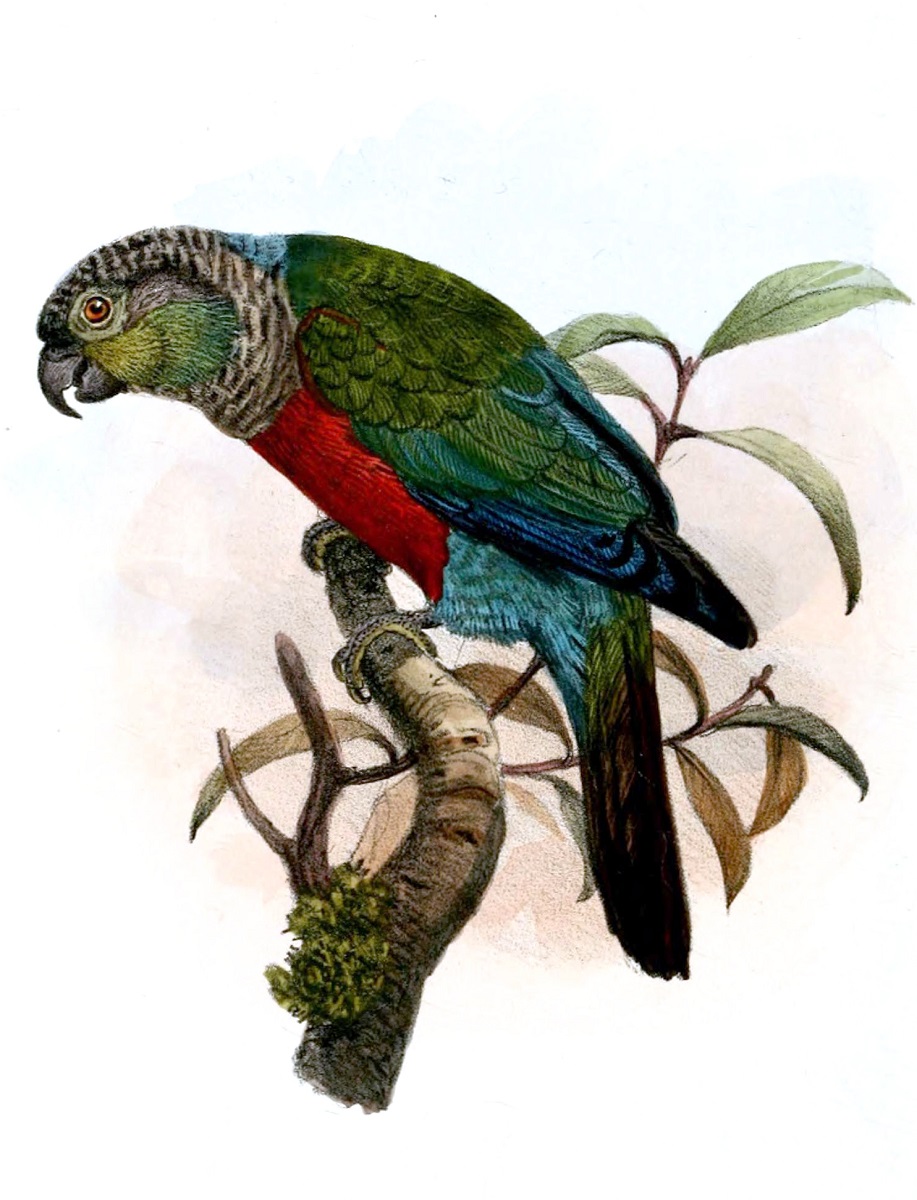
Beyond the prominent red belly, the bird’s appearance is a symphony of rich hues. Its head is typically a dark brown or dusky grey, contrasting sharply with prominent white eye-rings that give it a perpetually alert expression. The back and wings are predominantly green, often adorned with maroon shoulder patches that add another layer of complexity to its upper body. The primary wing feathers exhibit a deep blue, visible during flight or when the wings are extended. The tail feathers transition from green at the base to a darker, often maroon or brownish-red at the tip. A striking scaly pattern is often visible on the breast, created by feathers that are dark-edged with lighter centers. This small parakeet measures up to 10 inches (25 cm) in length and weighs approximately 90 grams, making it a relatively compact species. Its beak is black, robust, and well-suited for cracking seeds and fruits.
It is noteworthy that juvenile Crimson-bellied Conures do not immediately display the full intensity of their namesake crimson belly. The vibrant red coloration can take up to a year to fully develop, gradually emerging as the bird matures. Visually distinguishing between males and females of this species is not possible through external characteristics; DNA testing or surgical sexing is required for accurate determination.
Natural Habitat and Geographical Range
The Crimson-bellied Conure’s natural range is concentrated in central South America, primarily within the vast Brazilian Amazon Basin. Its presence is particularly notable in the Brazilian state of Rondônia, an area rich in biodiversity and dense rainforests. The species’ geographical distribution also extends westward into northern Bolivia, where similar ecological conditions prevail, particularly in departments like Beni and Pando.
These conures are predominantly inhabitants of terra firme forests, a type of rainforest ecosystem characterized by its elevation above flood plains, meaning it does not experience seasonal inundation. This preference for non-flooded forest allows for a stable environment rich in mature trees and undergrowth, providing ample foraging opportunities and nesting sites. They exhibit a degree of adaptability within this habitat, thriving in both the dense, untouched interior of the forest and along forest edges, as well as in secondary forest growth, which has regenerated after disturbance.
In their wild habitat, Crimson-bellied Conures are observed to be highly social birds. They typically travel in small, cohesive groups, a common behavior among parrot species that offers protection from predators and aids in foraging efficiency. These groups are sometimes seen associating with other conure species, such as the Painted Conure (Pyrrhura picta), highlighting interspecies interactions within their complex ecosystem. For nesting, like many parrots, they utilize natural cavities found in hollow trees, providing a secure location for raising their young.
Conservation Status and Threats
Despite the perceived abundance of its Amazonian habitat, the conservation status of Pyrrhura perlata warrants attention. The International Union for Conservation of Nature (IUCN) Red List currently classifies the Crimson-bellied Conure as a species of "Least Concern." However, this classification comes with a significant caveat: the IUCN notes a discernible population decrease, primarily attributable to ongoing deforestation and localized hunting pressures across its range.
The Amazon rainforest, the conure’s primary home, faces immense environmental threats. Deforestation, driven largely by agricultural expansion (particularly for cattle ranching and soy cultivation), illegal logging, and infrastructure development, is rapidly diminishing the available habitat for countless species, including the Crimson-bellied Conure. Data from organizations like Brazil’s National Institute for Space Research (INPE) indicates that large tracts of the Amazon are cleared annually, leading to habitat fragmentation and loss of critical resources. While the conure’s adaptability to secondary forests offers some resilience, the sheer scale of primary forest destruction poses a long-term threat to its population stability.
Beyond habitat destruction, the illegal pet trade also contributes to population decline, though specific data for Pyrrhura perlata is often difficult to ascertain due to the clandestine nature of such activities. Hunting, primarily for food or for their feathers, can also impact local populations. Conservationists and environmental organizations, such as the World Wildlife Fund (WWF) and Conservation International, continue to advocate for stronger protections for the Amazon rainforest, recognizing that the fate of species like the Crimson-bellied Conure is inextricably linked to the health of this vital global ecosystem. Efforts include establishing and reinforcing protected areas, promoting sustainable land use practices among local communities, and combating illegal logging and wildlife trafficking through improved enforcement.
Wild Diet and Foraging Behavior
The incredible biodiversity of the Amazonian forests directly influences the varied diet of wild Crimson-bellied Conures. Adapted to exploit a wide array of food sources, these parrots demonstrate a versatile foraging strategy. Like many other rainforest parrots, they have a particular fondness for wild figs (Ficus species) and other succulent fruits, which provide essential sugars and nutrients. Their diet also includes a variety of seeds, nuts, and berries from numerous tropical plants, showcasing their ability to exploit seasonal availability.
Observations in the wild have also recorded these conures feeding on flowers and catkins, which are cylindrical flower clusters found on various native tree species in the Amazon. These floral components offer additional sources of nectar, pollen, and tender plant material, contributing to a diverse nutrient intake.
A fascinating aspect of their wild diet involves visits to clay licks, geological formations where parrots and other animals consume soil. This behavior is not driven by hunger but by a crucial physiological need. The clay found at these licks is rich in important micronutrients and minerals, such as sodium, calcium, and magnesium, which may be scarce in their regular diet. Furthermore, some researchers hypothesize that the clay helps to neutralize toxins ingested from unripe fruits or certain plant compounds, acting as a digestive aid and detoxifying agent. This sophisticated foraging behavior underscores the conure’s adaptation to its complex natural environment.

Captive Dietary Requirements
In a captive setting, providing a Crimson-bellied Conure with a nutritionally complete and varied diet is fundamental to its long-term health and well-being. Avian veterinarians universally recommend a diet centered around high-quality commercial pellets as the primary staple. These pellets are scientifically formulated to provide a balanced intake of vitamins, minerals, and macronutrients, addressing the complex dietary needs of parrots. The prevailing expert consensus strongly advises against a seed-based diet as a primary food source, as such diets are typically high in fat, deficient in essential vitamins and minerals, and can lead to severe health issues like malnutrition, obesity, and fatty liver disease.
Complementing the pellet staple, fresh vegetables should be offered daily. A wide array of dark leafy greens (e.g., kale, spinach, collard greens), bell peppers, carrots, broccoli, and cooked sweet potatoes provide crucial vitamins, antioxidants, and fiber. Fresh fruits, while nutritious, should be offered in moderation due to their higher sugar content. Safe fruits include apples (seeds removed), berries, melon, and citrus segments. Other suitable additions include cooked whole grains such as quinoa, brown rice, and oats. Foraged grasses, free from pesticides, can also be a healthy and enriching treat. Occasional small treats, such as a few sunflower seeds or a tiny piece of nut, can be used for training or as a reward, but should not constitute a significant portion of the diet.
Constant access to fresh, clean water from multiple sources is imperative. Water should be changed at least daily, and bowls should be thoroughly cleaned to prevent bacterial growth. A well-balanced diet, combined with regular veterinary check-ups, forms the cornerstone of a healthy and long-lived companion parrot.
Housing and Environmental Needs
Despite their relatively small size among parrots, Crimson-bellied Conures are highly active and energetic birds. Consequently, their housing requires careful consideration to ensure adequate space for exercise and exploration. The general guideline is to provide the largest cage possible that can be accommodated, particularly if the bird will not have extensive daily opportunities for free flight outside the cage. A minimum cage width of 36 inches (90 cm) is often recommended, but larger is always preferable. For birds that spend the majority of their time caged, an indoor aviary would be the ideal setup to facilitate natural flight patterns. Bar spacing should be appropriate for a conure, typically no more than ¾ inch (1.9 cm), to prevent escapes or injuries.
The cage environment must be enriched with a variety of natural wood perches of varying diameters and textures. Options like java wood, manzanita, or natural branches from safe, non-toxic trees encourage healthy foot exercise and prevent pressure sores or bumblefoot, which can result from perching solely on uniform plastic or dowel sticks. Perches should be placed strategically to allow for movement and prevent droppings from contaminating food and water bowls.
Beyond the cage itself, the overall environment plays a critical role. Conures benefit from a stable room temperature, avoiding extreme fluctuations. Adequate lighting, including access to natural sunlight (without passing through window glass, which filters out beneficial UV rays) or full-spectrum avian lighting, is essential for vitamin D synthesis and overall well-being. Humidity levels, especially in drier climates, may need to be supplemented to mimic their natural rainforest environment, which can be achieved through regular misting or a humidifier.
Enrichment and Behavioral Stimulation
All parrots, including the intelligent Crimson-bellied Conure, require significant mental and physical stimulation to prevent boredom, stress, and the development of destructive behaviors. A lack of enrichment can lead to serious issues such as excessive screaming, feather plucking (often a sign of extreme stress or underlying health issues), self-mutilation, obesity due to inactivity, and aggression. Keeping these birds engaged and stimulated is paramount for their psychological and physical health.
Enrichment strategies should be diverse and regularly rotated. This includes:
- Chew Toys: Conures possess strong beaks and an innate need to chew. Provide a variety of safe, destructible toys made from natural wood, cardboard, or coconut fiber.
- Foraging Toys: These toys encourage natural foraging behaviors by requiring the bird to work for its food. Hiding treats in puzzle toys or shreddable materials provides mental exercise.
- Shreddable Toys: Paper, cardboard, palm leaf, or natural fibers allow the bird to shred and tear, satisfying a natural instinct.
- Puzzle Toys: Toys that require problem-solving to access a reward keep their minds active.
- Regular Out-of-Cage Time: Supervised time outside the cage for flight, climbing, and exploration is crucial. The room must be thoroughly bird-proofed to eliminate hazards like toxic plants, open windows, electrical cords, and other pets.
- Social Interaction: Crimson-bellied Conures are highly social. Daily interaction with their human family, through play, training, and simple companionship, is vital. If feasible and appropriate, housing a pair of conures can provide valuable social interaction, though it may alter their bond with humans.
- Training: Positive reinforcement training not only teaches desired behaviors but also builds a stronger bond between bird and owner and provides mental stimulation. Simple commands, step-up, or even trick training can be highly enriching.
- Bathing Opportunities: Providing a shallow dish of water or misting with a spray bottle encourages bathing, which is important for feather health and enjoyment.
Temperament and Social Dynamics
Conures within the Pyrrhura genus are widely recognized for their engaging personalities, making them

