


The Monk Parakeet, scientifically known as Myiopsitta monachus and commonly referred to as the Quaker parrot, is a species of small, vibrant parrot native to South America. While often lauded for its intelligence, playful demeanor, and ability to mimic human speech, this species presents a complex duality: a cherished companion animal for some and a significant ecological concern as an invasive species in others. Understanding the Monk Parakeet requires a deep dive into its natural history, unique characteristics, care requirements in captivity, and the broader environmental implications of its global spread.
Natural History and Origins
Originating from the lowlands of South America, the Monk Parakeet’s natural habitat spans southern Brazil, eastern Bolivia, most of Paraguay and Argentina, and all of Uruguay. This adaptable species thrives in varied environments, from wooded and sparsely wooded areas to savannahs and even urban parks, typically at elevations up to 3,300 feet. Their preference for these diverse landscapes highlights their opportunistic nature, which has contributed to their success both in their native range and as an introduced species.
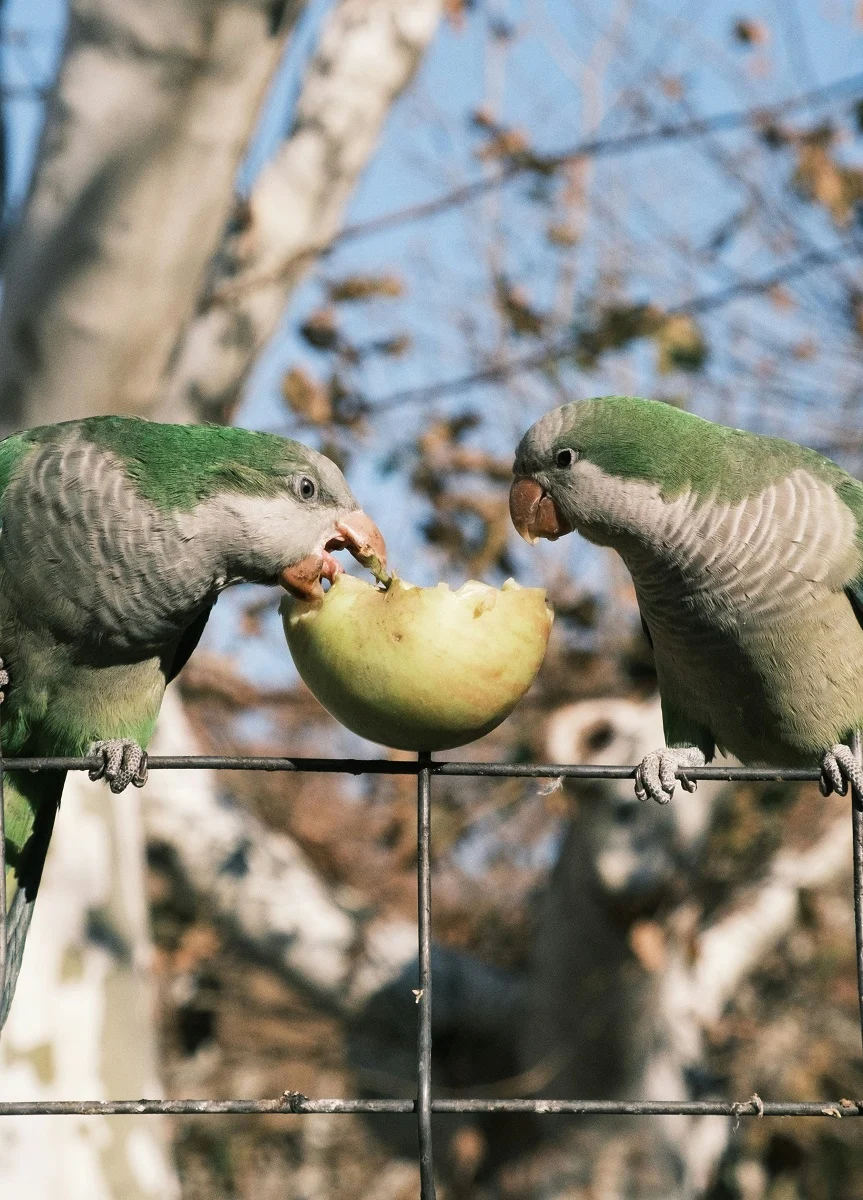
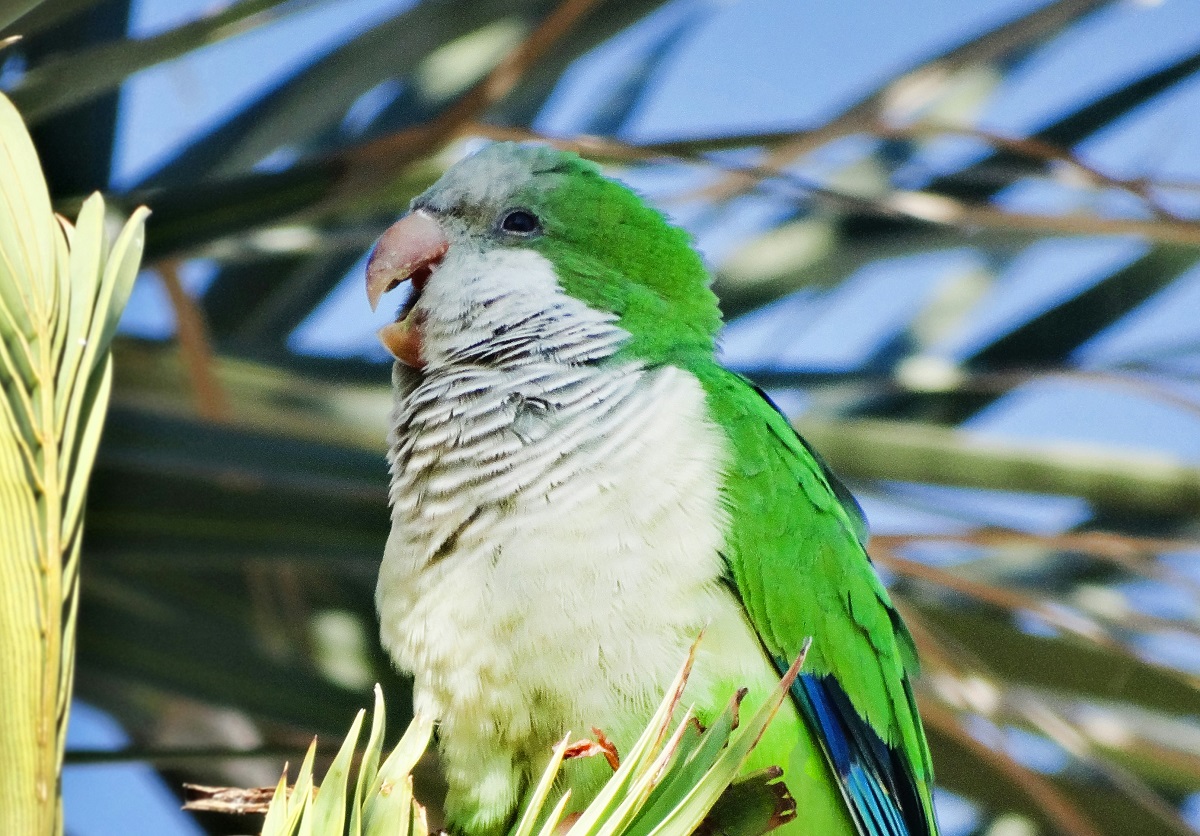
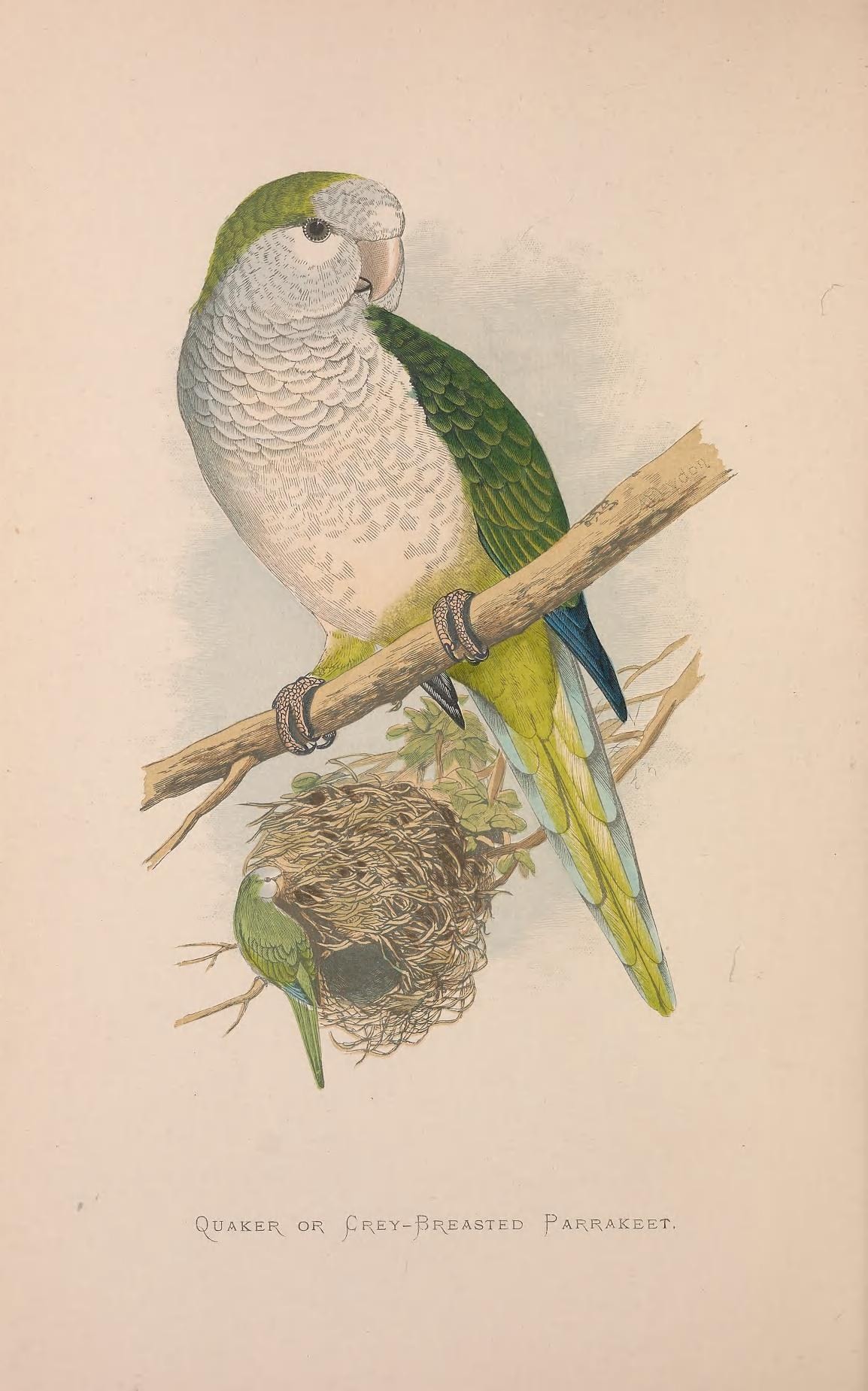
The Monk Parakeet is characterized by its compact size, generally reaching up to 13 inches (33 cm) in length and weighing around 140 grams. Wild individuals typically display a mossy green back, a distinctive gray front, bright blue flight feathers, and a long, tapering tail, complemented by a skin-colored beak. While visually similar, female Monk Parakeets are marginally smaller than males, a difference usually imperceptible without genetic testing. Through selective breeding, a wide array of color mutations has been developed in captivity, including blue, yellow, gray, and white, making them even more appealing to pet enthusiasts.
Conservation Status and Related Species
According to the IUCN Red List, Myiopsitta monachus is classified as a species of "Least Concern." This assessment notes that the species is locally common and, paradoxically, may even be benefiting from certain forms of human-induced habitat alteration. For instance, the expansion of Eucalyptus forests for paper pulp production provides additional nesting sites, while agricultural expansion offers abundant food sources, particularly maize and other grains. This adaptability to anthropogenic landscapes underscores their resilience and potential for population growth.
However, the conservation outlook for M. luchsi, the only other species within the genus Myiopsitta, is less optimistic. Often referred to as the Bolivian Monk Parakeet, M. luchsi is considered "Near Threatened." While visually similar to M. monachus, M. luchsi has a more restricted range and faces different pressures, highlighting the importance of species-specific conservation efforts even within closely related groups. The distinction between these two species, though subtle in appearance, is crucial for understanding their respective ecological roles and conservation needs.
The Monk Parakeet as a Companion Animal
As pets, Monk Parakeets are known for their vibrant personalities, intelligence, and capacity for forming strong bonds with their human caregivers. Their average lifespan in captivity can reach up to 30 years, signifying a significant long-term commitment for potential owners. This longevity, coupled with their complex needs, necessitates thorough consideration before acquisition.
Temperament and Social Behavior: Monk Parakeets are typically confident, boisterous, and playful birds with a remarkable zest for life. A well-socialized individual can be an engaging and affectionate companion, often described as clownish due to their antics. They are highly social creatures and thrive on interaction, frequently becoming quite cuddly with their chosen human. However, this strong social drive can lead to "one-person" bonding, potentially resulting in territoriality or aggression towards other family members who are perceived as rivals for attention. They also take their living space very seriously, often becoming highly territorial about their cage, which can complicate routine tasks like cleaning or refilling food and water bowls.
Vocalizations and Mimicry: While not the loudest parrot species, Monk Parakeets are far from silent. Their noise level is generally considered low to moderate, but their flock calls can be quite grating. Beyond squawks and screams, they produce a steady stream of whistles, chirps, and often engage in practicing human language and imitating household sounds. A unique characteristic is their "purring" sound when content, and like many parrots, they may grind their beaks when comfortable.

Monk Parakeets are recognized as good talkers among parrots, capable of acquiring impressive vocabularies. Their voices are often described as squeaky, but their motivation to learn and repeat makes them effective mimics. It is important for owners to understand that this mimicry is not true understanding, but rather an imitation of sounds. Teaching them words, phrases, or tunes requires consistent repetition and positive reinforcement. Before bringing a Monk Parakeet into a home, prospective owners should familiarize themselves with their typical vocalizations to ensure they can accommodate the noise level. Resources like xeno-canto, which provides recordings of wild bird calls, can be invaluable for this assessment.
Care and Husbandry in Captivity
Providing appropriate care for a Monk Parakeet is essential for its well-being and longevity, encompassing diet, housing, and mental enrichment.
Dietary Requirements: A healthy and varied diet is paramount for a captive Monk Parakeet. The traditional seed-heavy diet is now widely discouraged by avian veterinarians due to its propensity to cause malnutrition. Instead, the cornerstone of a captive diet should be a high-quality formulated pellet food, which provides essential nutrients in a balanced form. This can be supplemented with a diverse array of fresh, bird-safe fruits, vegetables, and leafy greens. Examples include apples (without seeds), berries, leafy greens like kale and spinach, carrots, bell peppers, and cooked sweet potatoes. Small amounts of healthy grains like cooked quinoa or brown rice, and occasional lean protein sources like cooked chicken, can also be offered. Access to a mineral block and multiple sources of fresh water is also crucial. Owners should be aware of toxic foods, such as avocado, chocolate, and caffeine, which can be fatal to parrots.
Housing: Despite their relatively small size, Monk Parakeets require ample space. A cage with a minimum width of 30 inches (76 cm) is recommended, but a full-sized aviary is preferable, especially if the bird will not have several hours of supervised out-of-cage time daily. It is important to prioritize cage length over height, as parrots primarily utilize the upper half of their enclosure. The cage should be equipped with a variety of natural wood perches of varying diameters to promote foot health, placed strategically, particularly near the top. Clean food and water bowls, and a diverse selection of parrot-safe toys, are also essential.
A unique aspect of Monk Parakeet housing relates to their strong nest-building instinct. Unlike many parrot species, they are colonial nesters and construct elaborate, multi-chambered nests from sticks and twigs. In a captive environment, if small, elongated items like sticks, paper strips, or even pens are left within their reach, they may attempt to build a nest in a chosen spot within their cage. While this behavior can be fascinating to observe, it can also trigger hormonal changes, potentially making the bird more territorial or aggressive. Managing this instinct without completely suppressing it requires careful observation and providing appropriate, safe nesting materials if the owner chooses to allow it.
Enrichment and Mental Stimulation: Monk Parakeets are highly intelligent and easily bored, requiring significant mental and physical enrichment to prevent stress, excessive noise, aggression, or self-mutilation behaviors like feather plucking. Enrichment should include a variety of toys (shredding toys, puzzle toys, foraging toys), climbing opportunities, and regular rotation of these items to maintain novelty. All toys must be parrot-safe and replaced when damaged.
Beyond toys, consistent human interaction is vital. A solo Monk Parakeet that lacks sufficient social interaction will quickly become lonely and stressed. Daily supervised out-of-cage time is also critical for physical exercise, preventing obesity, and fostering a strong bond. During this time, the environment must be thoroughly "bird-proofed" to eliminate hazards such as open windows, whirling ceiling fans, toxic plants, electrical cords, hot beverages, and accessible cleaning products or heavy metals. Emergency preparedness, including knowing basic first aid for birds and having an avian veterinarian’s contact information readily available, is also a non-negotiable aspect of responsible ownership.
The Invasive Species Phenomenon
Perhaps the most significant and challenging aspect of the Monk Parakeet’s global profile is its propensity to establish self-sustaining feral populations outside its native range, earning it the designation of an invasive species. This phenomenon is observed in numerous countries, including the United States (notably Florida, Texas, New York, and Chicago), various European nations (Spain, Italy, Belgium, UK), and parts of Asia and the Middle East.
Mechanisms of Invasiveness: The Monk Parakeet’s success as an invasive species is attributable to several key factors:
- Adaptability: They are generalist feeders and habitat users, thriving in urban and suburban environments where food and nesting sites are readily available.
- Colonial Nesting: Unlike most parrots, Monk Parakeets build large, communal stick nests that can house multiple breeding pairs. These nests offer excellent insulation and protection, allowing them to survive colder climates than many other parrot species.
- Rapid Reproduction: They have a relatively high reproductive rate, enabling quick population growth.
- Escape and Release: Most invasive populations originated from escaped or deliberately released pet birds.
- Lack of Natural Predators: In non-native environments, they often lack the natural predators or diseases that regulate their populations in South America.
Ecological and Economic Impacts: The presence of invasive Monk Parakeet populations can wreak havoc on local ecosystems and human infrastructure.
- Competition with Native Species: They compete with native bird species for food, nesting sites (especially tree cavities), and other resources, potentially displacing vulnerable native populations.
- Agricultural Damage: Their taste for seeds and grains makes them significant agricultural pests, causing considerable damage to crops like corn, sunflowers, and fruit orchards. This results in economic losses for farmers.
- Infrastructure Damage: Their large, communal stick nests, often built on utility poles, cell towers, and other electrical infrastructure, can cause power outages, short circuits, and pose fire hazards. The cost of maintaining and repairing infrastructure due to parakeet nests can be substantial for utility companies.
- Disease Transmission: While less studied, there is potential for invasive populations to transmit diseases to native wildlife or even humans.
Regulatory Responses and Ethical Considerations: Due to these severe impacts, many regions have implemented measures to control or even ban the ownership and sale of Monk Parakeets. For example, some U.S. states and European countries have strict regulations or outright prohibitions. These measures are often controversial, sparking debate between conservationists, pet owners, and animal welfare advocates. The ethical implications of pet ownership for species with invasive potential are significant, placing a heavy responsibility on owners to prevent escapes and to understand the broader ecological consequences.
Conclusion
The Monk Parakeet, or Quaker parrot, is a fascinating and complex creature. Its vibrant intelligence, playful nature, and capacity for deep bonding make it an attractive pet for those willing to commit to its long lifespan and demanding care requirements. However, its remarkable adaptability and colonial nesting habits have also propelled it to become a globally recognized invasive species, posing significant ecological and economic challenges in many non-native environments.
Responsible ownership of a Monk Parakeet extends beyond providing a healthy diet and adequate housing; it encompasses understanding the species’ full profile, including its potential impact on local ecosystems. Prospective owners must be prepared for a long-term commitment, extensive enrichment needs, and the importance of preventing escapes. As both cherished companions and ecological disruptors, Monk Parakeets embody the intricate relationship between humans and the natural world, demanding a nuanced approach to their management and appreciation.

