


Published On: May 25, 2026
Last updated on: May 25, 2026
For many companion bird owners, navigating the nuances of avian health can be a complex endeavor, particularly when it comes to digestive well-being. Issues such as inconsistent droppings, stress-induced defecation, diminished interest in fresh produce, or mild digestive upset often prompt concern. While immediate veterinary intervention is paramount for severe symptoms like vomiting, blood in stool, weight loss, lethargy, or the presence of undigested food, a significant proportion of mild digestive disturbances can be proactively addressed through strategic natural dietary adjustments and improved daily feeding habits. This approach prioritizes holistic gut health rather than solely relying on supplemental remedies, offering a sustainable pathway to avian wellness.
The Foundation of Avian Digestion: An Evolutionary Perspective
The gastrointestinal health of companion birds is intricately linked to their evolutionary heritage. Wild avian species consume an extraordinarily diverse diet, foraging on a wide array of fresh plant materials, seeds, buds, insects, fruits, and seasonal nutrients. This natural diet provides rich moisture, complex fibers, a vast spectrum of phytonutrients, and beneficial enzymes. In contrast, many captive birds are fed repetitive, dry diets, often consisting predominantly of seeds or pellets, which, while offering convenience, frequently lack the moisture, fiber, and biological diversity crucial for optimal digestive function. This chronic dietary discrepancy is a primary driver of subclinical digestive issues that can manifest as subtle but persistent changes in droppings and overall vitality.
Understanding Avian Droppings: Indicators of Health
Monitoring a bird’s droppings is a fundamental aspect of proactive avian care, as they serve as direct indicators of digestive and systemic health. A healthy bird’s droppings typically comprise three distinct components: a solid, coiled fecal portion (ranging from green to brown depending on diet), a white, creamy urate portion (composed of uric acid, a waste product), and a clear, watery urine component. Variations within this normal range can be expected, influenced by diet, hydration levels, and stress. For instance, consuming high-moisture foods like fruits and vegetables will naturally lead to more watery urine, while a diet rich in dark greens might result in greener feces. These normal fluctuations are generally transient and not accompanied by behavioral changes.
However, certain changes warrant closer attention. Persistent watery droppings, often referred to as polyuria (excessive urine) or diarrhea (loose feces), can signal dietary imbalances, stress, or underlying health issues. Similarly, unusually dry, crumbly droppings may indicate insufficient moisture intake or a diet lacking essential fibers. Discolored urates (yellow, green, or orange) can point to liver or kidney concerns. The presence of bubbles, unusual odors, or changes in volume and frequency, particularly when accompanied by observable shifts in the bird’s demeanor—such as decreased activity, ruffled feathers, loss of appetite, or lethargy—are critical signs that necessitate immediate veterinary consultation. The adage "droppings matter most when they change alongside the bird’s behavior" underscores the importance of a holistic assessment.
The Indispensable Role of Moisture and Fiber
In avian nutrition, moisture and fiber are often underestimated, yet they are cornerstones of a healthy digestive system. Many commercially prepared bird diets, while calorie-dense, are biologically dry. This forces birds to compensate by increasing their water intake, which can lead to excessively wet droppings that are often mistaken for illness. The lack of sufficient moisture and fiber can impede gut motility, contribute to constipation, and reduce the efficiency of nutrient absorption.
Fiber, in particular, plays a multifaceted role. It adds bulk to ingesta, facilitating its passage through the gastrointestinal tract and preventing stasis. Both soluble and insoluble fibers are crucial; soluble fibers ferment in the gut, supporting a healthy microbiome, while insoluble fibers provide mechanical stimulation. Adequate fiber intake also helps regulate blood sugar levels, promotes satiety, and aids in the excretion of waste products. Birds consuming diets deficient in these elements are more susceptible to digestive sluggishness, nutrient malabsorption, and an imbalanced gut microbiome, which can have downstream effects on immune function and overall vitality. The digestive tract functions optimally when food contains inherent moisture, diverse textures, and a rich array of nutrients, not merely a high caloric load.
Natural Dietary Solutions for Enhanced Digestion
Integrating specific natural foods into a bird’s daily diet can significantly bolster digestive health. These interventions leverage the inherent properties of whole foods to address common avian digestive challenges.
-
Sprouts: The Living Food Advantage:
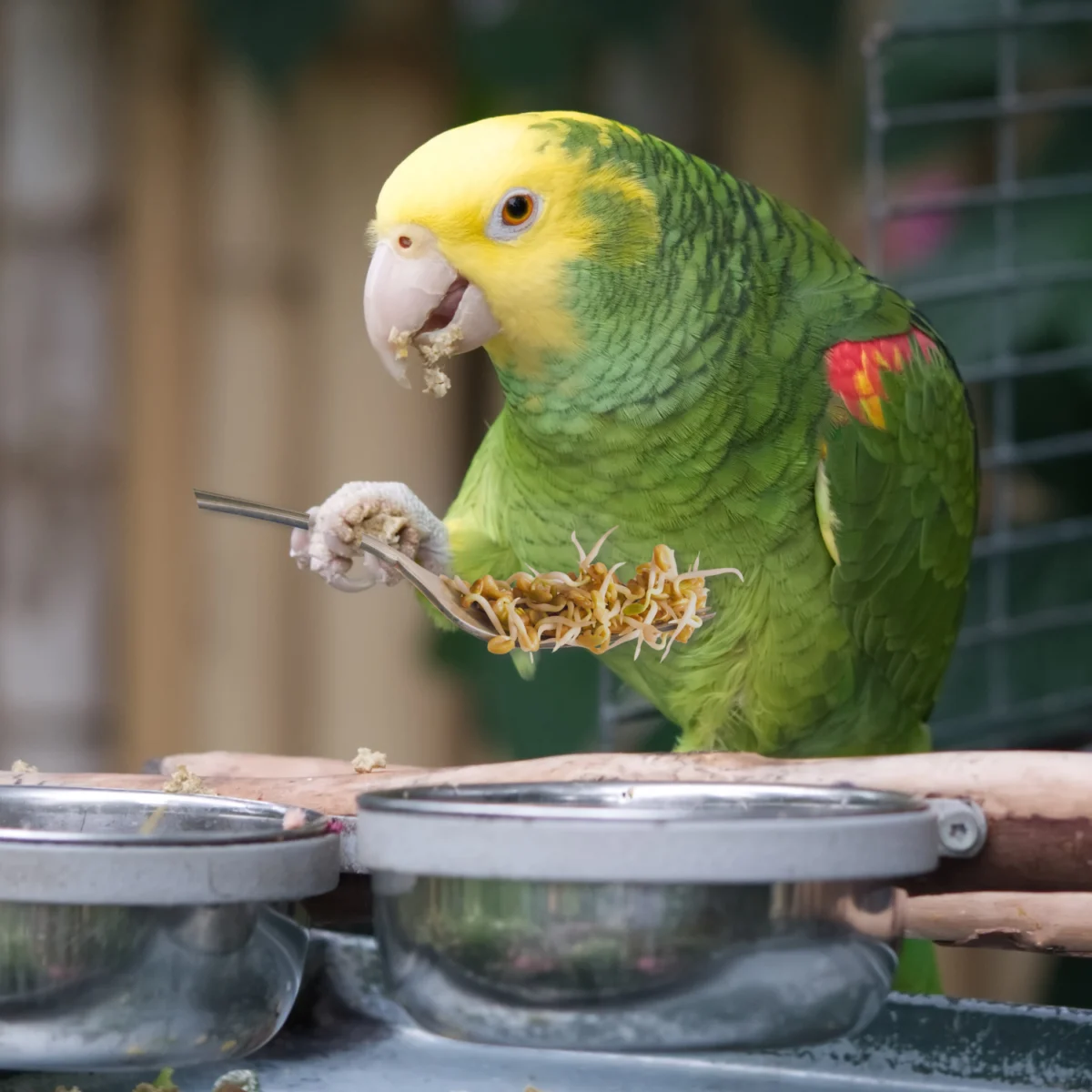
Sprouts are arguably one of the most potent natural foods for avian gut health. When seeds are sprouted, they undergo a metabolic transformation, converting dormant starches into more readily digestible sugars and amino acids. This process dramatically increases their moisture content, enzyme activity, and bioavailability of vitamins (like A, C, E, and B-complex) and minerals. For birds accustomed to dry seed or pellet diets, sprouts offer a vital infusion of hydration and living nutrients, stimulating natural foraging behaviors and enriching their diet. The enzymes present in sprouts aid in the digestion of other foods, improving overall digestive efficiency and helping to regulate stool consistency. Introducing a variety of sprouting seeds, such as those found in specialized bird sprouting mixes, can provide a diverse nutritional profile and encourage healthier eating habits. -
Omega-Rich Seeds for Stool Quality and Gut Integrity:
Many processed bird diets lack the essential fatty acids and diverse fibers found in natural forage. Omega-rich seeds like chia, flax, and hemp hearts are powerhouses of nutrition, offering a blend of soluble and insoluble fiber along with crucial Omega-3 and Omega-6 fatty acids. These components work synergistically to support the health of the gut lining, which is vital for nutrient absorption and preventing inflammation. The fiber content aids in producing well-formed, consistent droppings, while the essential fatty acids contribute to overall cellular health, including the integrity of digestive tissues and skin and feather quality. OmegaGlow Seed Fusion, for example, provides a convenient way to incorporate these beneficial seeds, promoting smoother digestive transit and enhancing nutrient diversity, especially for birds with dry, flaky droppings or those on highly processed diets. -
Diverse Greens for Microbiome Balance:
A common challenge for bird owners is the refusal of fresh vegetables. However, greens are critical sources of fiber, phytonutrients, vitamins, and minerals that support a robust and diverse gut microbiome. The gut microbiome—the community of microorganisms residing in the digestive tract—plays a pivotal role in digestion, nutrient synthesis, and immune regulation. A varied intake of greens, such as kale, dandelion, romaine lettuce, and cilantro, provides prebiotics that nourish beneficial gut bacteria. For birds that are reluctant to eat fresh greens, supplements like Bird Greens can help bridge nutritional gaps, offering concentrated plant diversity that supports overall digestive function and promotes a healthier gut environment than relying solely on dry, processed foods. -
Calming Herbs for Stress-Related Digestive Upset:
The intricate connection between the nervous system and the digestive tract is well-established in both humans and birds. Stress can profoundly impact gut motility, stool quality, appetite, and even trigger behaviors like regurgitation during hormonal periods. Environmental changes, perceived threats, social dynamics, or hormonal fluctuations can lead to "stress poops"—often watery or inconsistent droppings. Calming herbs, traditionally used for their anxiolytic properties, can indirectly support digestive comfort by modulating the stress response. Ingredients found in products like SereniTea, which contain herbs known for their soothing effects, may help alleviate digestive upset associated with anxiety, promoting a calmer demeanor and, consequently, a more stable digestive system. This approach acknowledges that addressing the psychological well-being of a bird is often integral to resolving its physical symptoms.
The Pervasive Impact of Stress on Avian Digestion
Stress, both acute and chronic, significantly impacts a parrot’s digestive system. Birds are highly sensitive creatures, and various factors can induce stress, including:
- Changes in routine or environment (e.g., new cage, moving house, new pets).
- Social stressors (e.g., changes in flock dynamics, separation anxiety, inadequate social interaction).
- Loud noises or sudden movements.
- Hormonal fluctuations, especially during breeding seasons, which can lead to increased irritability, aggression, or regurgitation.
- Perceived threats from other pets or unfamiliar people.
- Boredom or lack of enrichment.
These stressors can trigger physiological responses that directly affect the gut. The "gut-brain axis" in birds means that stress signals from the brain can alter gut motility, increase intestinal permeability, change digestive enzyme secretion, and disrupt the delicate balance of the gut microbiome. Owners may observe symptoms such as transient watery droppings, decreased appetite, increased water intake, or even stress-induced regurgitation. Recognizing and mitigating sources of stress is therefore a crucial component of maintaining optimal digestive health.
Common Dietary Pitfalls Exacerbating Digestive Issues
While the focus is often on what to add to a bird’s diet, it is equally important to identify and eliminate habits and foods that undermine digestive health. The primary culprit is often not a single dramatic mistake but rather chronic, low-grade dietary stress resulting from:
- Repetitive Dry Diets: Feeding the same dry seeds or pellets day after day, year after year, without adequate fresh food diversity.
- Low Moisture Intake: A diet devoid of fresh fruits, vegetables, and sprouts, leading to chronic dehydration at a cellular level.
- Lack of Fiber: Processed foods often strip away essential fibers, leading to sluggish digestion.
- Excessive Fatty Seeds: An over-reliance on high-fat seeds like sunflower or safflower can lead to obesity, liver issues, and digestive upset.
- Sugary Treats and Human Foods: Processed sugars, artificial sweeteners, and highly seasoned human foods are not suitable for birds and can disrupt their delicate digestive balance.
- Inadequate Plant Diversity: A limited range of plant materials deprives the bird of a broad spectrum of phytonutrients and beneficial compounds.
- Contaminated Food/Water: Poor hygiene in food preparation or water sources can introduce harmful bacteria, leading to infections and digestive illness.
These patterns slowly erode digestive integrity, making birds more susceptible to illness and less resilient to environmental stressors.
The Role of Probiotics: A Nuanced Perspective
Probiotic products are heavily marketed to pet owners, including those of avian companions. While the concept of supporting gut flora with beneficial bacteria is sound, current avian veterinary evidence suggests a more nuanced approach. Probiotics may indeed play a supportive role, particularly after antibiotic therapy that depletes beneficial gut bacteria, or during periods of acute stress. They can help restore microbial balance and aid in digestion.
However, nutritional experts and avian veterinarians consistently emphasize that probiotics are not a panacea. A healthy and resilient gut microbiome is primarily built and maintained through a diverse, moisture-rich, fiber-rich diet. Adding a probiotic supplement to an otherwise poor diet is akin to watering a dead plant; it addresses a symptom without rectifying the underlying cause. Sustainable gut health stems from foundational dietary practices that provide the necessary prebiotics (fibers that feed beneficial bacteria) and a diverse environment for a naturally thriving microbial community. Regular, high-quality, fresh food intake typically negates the daily necessity for probiotic supplementation for healthy birds.
Constructing a Digestion-Supportive Chop Bowl
Implementing dietary changes does not require an immediate, dramatic overhaul. Small, consistent upgrades are often more effective and less stressful for birds. A "chop bowl" approach—a finely diced mixture of fresh vegetables, greens, sprouts, and other healthy additions—offers an excellent way to introduce variety and enhance digestive health.
A foundational digestion-supportive chop bowl might include:
- Sprouts: Provide moisture, enzymes, and increased nutrient availability.
- Leafy Greens: Offer essential fiber, vitamins, and phytonutrients for microbiome diversity.
- Omega-Rich Seed Mix (e.g., OmegaGlow): Incorporate healthy fats (Omega-3s, Omega-6s) and additional fiber for gut lining support and stool quality.
- Bird Greens Supplement: For birds resistant to fresh vegetables, this ensures a baseline of plant diversity.
- Calming Herbs (e.g., SereniTea): Can be incorporated sparingly, especially during periods of anticipated stress, to support digestive comfort.
This approach ensures that a bird receives a balanced intake of moisture, fiber, and diverse nutrients that collectively support a robust digestive system.
When Veterinary Intervention Becomes Imperative
While natural dietary adjustments are powerful tools for managing mild digestive issues, it is critical for owners to recognize when symptoms escalate beyond home care and necessitate professional avian veterinary attention. Prompt consultation with an avian or exotics veterinarian is crucial if a bird exhibits:
- Vomiting or Regurgitation: Persistent or forceful expulsion of food.
- Passing Blood: Visible blood in droppings or around the vent.
- Significant Weight Loss: Unexplained and rapid decrease in body mass.
- Sitting Fluffed: A common sign of illness, indicating pain, discomfort, or general malaise.
- Undigested Food in Droppings: A sign of severe malabsorption or pancreatic issues.
- Weakness or Lethargy: Reduced activity, sleeping more than usual, or lack of responsiveness.
- Straining to Defecate: Indicative of constipation or other internal issues.
- Persistent Diarrhea or Polyuria: Prolonged abnormal droppings not responding to simple dietary changes.
- Abdominal Swelling or Pain: Any signs of discomfort when the abdomen is touched.
As previously emphasized, digestive symptoms become significantly more serious and urgent when they occur concurrently with observable changes in the bird’s behavior, energy levels, or appetite. Early veterinary diagnosis and treatment can be life-saving for avian patients, as birds often mask illness until it is advanced.
Broader Implications and Expert Insights
The shift towards a more holistic, natural approach to avian digestion reflects a growing understanding in veterinary science of the profound connection between diet, gut health, and overall well-being. Leading avian veterinarians and nutritional experts increasingly advocate for preventative care centered on biologically appropriate diets that mimic the diversity and nutritional richness of a bird’s natural foraging environment. This proactive strategy not only addresses specific digestive complaints but also contributes to a stronger immune system, healthier feathers, improved mental stimulation, and a longer, more vibrant life for companion birds. The investment in understanding and implementing these natural dietary interventions is an investment in the foundational health and happiness of avian companions.
References:
Merck Veterinary Manual, 2024.
Harrison & Lightfoot, Clinical Avian Medicine.
Frontiers in Veterinary Science, Avian Nutrition & Gut Health Research.

