


The evolution of domestic rat care over the past three decades has transitioned from rudimentary pet-store advice to a sophisticated field of exotic animal husbandry. As public interest in “pocket pets” grows, so too does the body of evidence-based research regarding the specific environmental, nutritional, and medical needs of Rattus norvegicus domestica. Despite this progress, many first-time owners continue to rely on outdated practices that can significantly compromise the lifespan and well-being of these highly social and intelligent creatures. By examining the current standards of care, owners can avoid common pitfalls that historically plagued the hobbyist community.
The Shift in Pet Care Paradigms
In the 1990s, the lack of centralized, peer-reviewed information led to widespread misconceptions, such as the suitability of small aquariums for rodent housing and the use of aromatic wood shavings. Historical data from that era suggests that many owners viewed rats as low-maintenance, disposable companions. Today, veterinary experts and researchers, including specialists contributing to organizations like the Rat Guide, emphasize that rats require a complex set of conditions to thrive. The shift in perspective is largely attributed to better access to exotic-veterinary data and the rise of organized rescue networks that prioritize evidence-based husbandry over anecdotal experience.

The Danger of Inaccurate Information and AI Misinterpretation
One of the most significant challenges in modern rat care is the proliferation of conflicting information online. While the internet provides a wealth of data, it also serves as a platform for “regurgitated misinformation” that ignores recent veterinary findings. A critical issue currently facing the community is the reliance on Generative AI for pet health queries. Unlike specialized veterinary databases, AI models often conflate general rodent care with specific rat needs, leading to dangerous suggestions regarding diet or emergency medical care. Experts recommend prioritizing resources such as the Rat Guide or established exotic veterinary associations, which require clinical evidence for their recommendations.
Environmental Requirements: Beyond the Cage
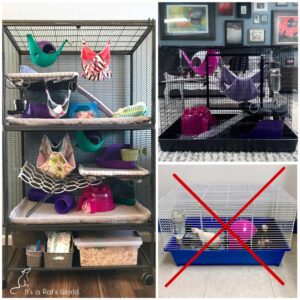
The fundamental housing requirement for rats is built upon the necessity for ventilation and vertical movement. Research indicates that using 10-gallon aquariums or glass tanks creates a micro-environment where ammonia levels from urine can rapidly rise, leading to chronic respiratory distress and ocular irritation.
The industry standard now mandates multi-level cages with appropriate bar spacing—typically no more than one-half inch for adults—to prevent escapes. Furthermore, the use of wire flooring, once a common practice, is now strongly discouraged by veterinary organizations due to its direct correlation with pododermatitis, commonly known as "bumblefoot." This painful inflammatory condition is preventable through the use of solid-surface flooring covered with safe, non-toxic bedding like fleece or paper-based products.

Nutritional Science and Dietary Risks
Proper nutrition remains a cornerstone of rat longevity. A common error involves the assumption that generic commercial mixes provide a complete diet. In reality, many mass-market mixes lack the specific protein-to-fat ratios required for a rat’s metabolic rate.
Furthermore, the "spoiling" of pets with human table scraps—often high in salt, sugar, and fat—is a primary contributor to obesity and cardiovascular issues in domestic rats. Nutritional guidelines established by veterinary nutritionists suggest that a high-quality lab block should constitute the majority of the diet, supplemented by carefully measured fresh vegetables and limited fruits. The implication of poor dietary management is severe; studies show that obesity in rats is a significant risk factor for the development of mammary tumors and other endocrine-related pathologies that shorten their typical two-to-three-year lifespan.
Behavioral Health and Mental Stimulation
Rats are highly social, obligate group animals. Keeping a single rat is now widely considered a welfare concern, as isolation leads to significant behavioral issues, including depression and increased aggression. Beyond companionship, rats require substantial mental stimulation.
The concept of "free-ranging"—allowing rats to explore a secure, designated area outside their cage—is essential for their physical and psychological health. However, this must be done in a controlled environment. Hazards such as exposed electrical cords, toxic house plants, and small crevices must be addressed. The failure to provide daily structured interaction and exercise frequently manifests as lethargy, which owners may mistakenly attribute to the rat’s age rather than a lack of stimulation.
The Economic Reality of Exotic Pet Ownership
The financial burden of owning rats has increased significantly as the veterinary profession has moved toward specialized care. According to recent industry reports, the cost of veterinary services for exotic animals has risen by approximately 60% over the last decade.
Owners must be prepared for the reality that rats are prone to specific, high-cost health issues, including mycoplasmosis, pituitary tumors, and mammary gland tumors. A common mistake is failing to establish a relationship with an exotic-animal veterinarian prior to a health crisis. Prospective owners are encouraged to maintain a dedicated "emergency fund" for their pets, as the cost of diagnostic imaging, surgery, and long-term medication for chronic respiratory conditions can be substantial.

Senior Care: Adapting to Aging
The life cycle of a domestic rat is compressed, often making the transition to "senior" status occur as early as 18 to 20 months of age. A failure to adapt the environment for aging rats is a frequent cause of avoidable injury. As rats age, they may experience hind-leg weakness or cognitive decline.
Effective care at this stage includes:
- Modifying cage layout: Lowering hammocks and removing steep ramps to prevent falls.
- Accessible resources: Ensuring food and water sources are at ground level.
- Increased monitoring: Tracking daily weight and appetite to catch the onset of illness early, as rats are prey animals and often mask the severity of their symptoms until they are critical.
Ethical Considerations of Ownership
The decision to bring rats into a household should be viewed as a long-term commitment to a complex, intelligent species. The "disposable pet" mentality is largely rejected by modern advocates who champion the deep, emotional bonds formed through daily interaction. When an owner establishes a routine—consistent meal times, daily social interaction, and proactive health checks—they are not only ensuring the physical health of their animals but also enriching their own experience as stewards.

Conclusion and Future Implications
The trajectory of domestic rat care is moving toward a model of "assisted living" where the owner acts as the primary health advocate. The transition from the misconceptions of the 1990s to the evidence-based practices of the 2020s has undoubtedly improved the quality of life for countless animals. However, the onus remains on the individual owner to continue their education, seek professional veterinary guidance, and reject outdated "common knowledge." By maintaining a standard of rigor in their research and care practices, owners can successfully mitigate the inherent risks of domestic life for rats, ultimately fostering a environment where these highly intelligent creatures can live their lives to the fullest potential.
For those currently navigating the complexities of rat ownership, the recommendation from experienced advocates is consistent: do not rely on a single source of information. Utilize a multi-faceted approach that combines academic veterinary resources, specialized rescue advice, and consistent, day-to-day observation of the animals themselves. The effort required is high, but the result is a significantly improved quality of life for the pets that depend entirely on their human companions for their survival and happiness.

