


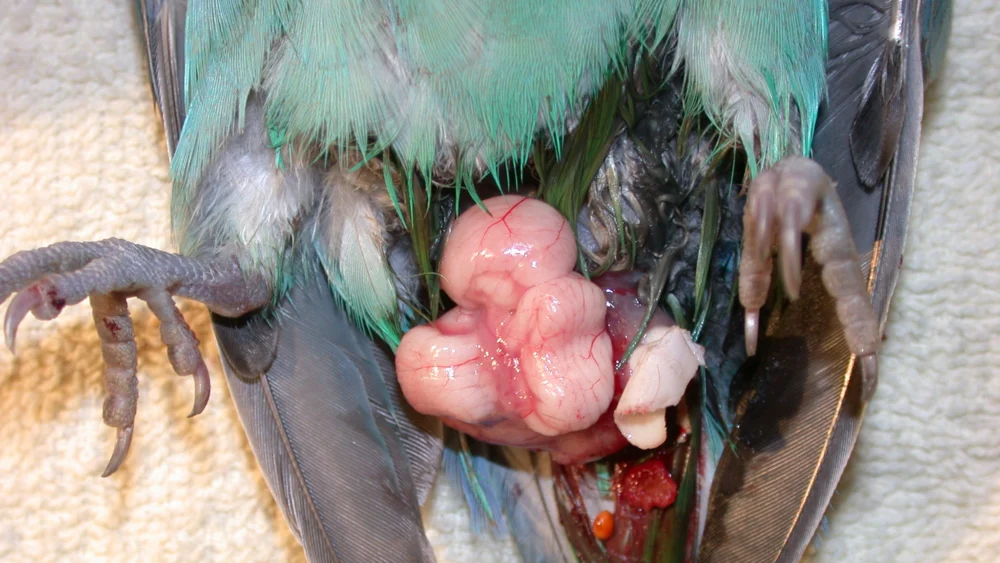
The delay of this educational event highlights the ongoing demand for specialized knowledge in the field of exotic animal medicine, particularly concerning psittacine birds—a group that includes parrots, macaws, cockatoos, and budgerigars. Reproductive disorders remain among the most frequent and challenging presentations in avian clinical practice, often requiring rapid intervention and a deep understanding of avian physiology.
Rescheduling and Registration Logistics
The decision to postpone the webinar was made to ensure that the presenter, Dr. Don Harris, can provide the comprehensive and high-quality instruction for which he is known. According to the updated schedule provided by LafeberVet, the session will now be broadcast live in December 2026. To manage the transition, registration for the event has been temporarily paused. Prospective attendees and veterinary staff looking to fulfill their continuing education requirements can expect registration portals to reopen in late October 2026.
The webinar is designed to be accessible to a global audience, with the 2:00 pm EST start time catering to practitioners across North America while remaining accessible to international viewers through time-zone conversion tools. This scheduling adjustment is part of a broader effort to accommodate the busy schedules of veterinary professionals who rely on these digital platforms for the latest advancements in exotic pet care.
Clinical Focus: The Challenge of Egg Binding
While the term "reproductive disease" encompasses a wide array of pathological conditions, the primary focus of Dr. Harris’s upcoming presentation is dystocia, commonly referred to as egg binding. In the context of avian medicine, dystocia is a medical emergency where a female bird is unable to pass an egg through the reproductive tract. This condition is particularly prevalent in captive psittacines and can quickly lead to shock, organ failure, and death if not addressed with precision.
The webinar aims to move beyond theoretical textbook definitions, offering practical, "real-world" solutions derived from decades of clinical experience. Dr. Harris has indicated that his presentation will cover various approaches to resolving dystocia, emphasizing methods he has refined over 45 years in the field. These techniques are characterized by their safety and efficacy, though the presenter maintains a transparent stance on the inherent limitations and risks associated with any medical intervention in small, high-metabolism patients.
Understanding Psittacine Reproductive Anatomy
To appreciate the gravity of reproductive disease, one must understand the unique anatomy of the female bird. Unlike mammals, most female birds possess only one functional ovary and oviduct, typically located on the left side of the body. The process of egg formation is a resource-intensive physiological event involving the infundibulum, magnum, isthmus, uterus (shell gland), and the vagina.
Reproductive diseases in these species are often multi-factorial. They can manifest as:
- Chronic Egg Laying: A condition where a bird produces an excessive number of eggs, depleting her calcium reserves and leading to metabolic bone disease.
- Oviductal Prolapse: A severe complication where the internal tissues of the reproductive tract are pushed out through the cloaca, often seen in the wake of straining to pass an egg.
- Egg Yolk Peritonitis: A potentially fatal inflammation caused by the release of yolk material into the abdominal cavity.
- Neoplasia: Tumors of the ovary or oviduct, which are increasingly common in certain aging psittacine species.
The webinar will provide a framework for diagnosing these conditions through physical examination, radiography, and ultrasound, while also discussing the stabilization of the patient before surgical or manual intervention is attempted.
Profile of the Presenter: Dr. Don Harris
The postponement of the webinar is significant due to the stature of the presenter within the veterinary community. Dr. Don Harris is a pioneer in exotic animal medicine. A graduate of the Louisiana State University School of Veterinary Medicine, Dr. Harris transitioned from mixed animal practice to an exclusive focus on avian and exotic species in 1990.
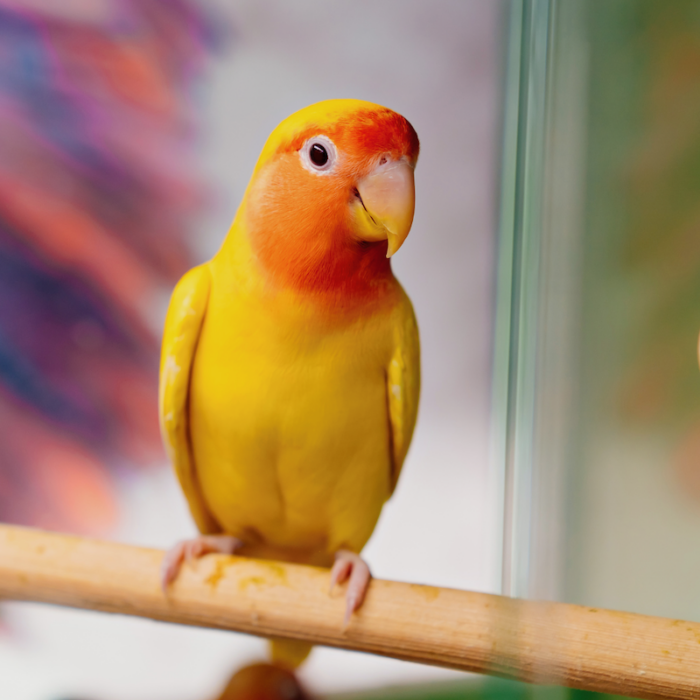
In 1996, he established the Avian & Exotic Animal Medical Center in Miami, Florida, which holds the distinction of being the city’s first veterinary hospital dedicated entirely to non-traditional pets. His influence extends far beyond private practice. Dr. Harris has served as a consulting veterinarian for prestigious institutions, including the Georgia Aquarium Research Center, Miami MetroZoo (now Zoo Miami), and Jungle Island.
His leadership roles in the professional community are equally extensive. He is a Past-President of the South Florida Veterinary Medical Association, the Association of Avian Veterinarians (AAV), and the North American Veterinary Community (NAVC). As an organizer of the North American Veterinary Conference—the largest event of its kind globally—Dr. Harris has been instrumental in shaping the educational standards for the next generation of veterinarians.
Educational Significance and RACE Accreditation
For veterinarians and veterinary technicians, the "Reproductive Disease in Female Psittacine Birds" webinar represents more than just an informational session; it is a formal component of professional development. The program has been approved for 1.0 credit hour of continuing education (CE) by the American Association of Veterinary State Boards (AAVSB) Registry of Approved Continuing Education (RACE).
RACE approval is a gold standard in veterinary medicine, ensuring that the content meets strict quality and relevance criteria. In many jurisdictions, maintaining a veterinary license requires a specific number of RACE-approved credits annually. The inclusion of specialized topics like avian reproductive disease allows practitioners to diversify their expertise, which is increasingly important as the popularity of exotic pets continues to rise globally.
The Broader Impact on Avian Welfare
The enrichment of veterinary knowledge in this niche area has direct implications for animal welfare. Captive birds often suffer from reproductive issues due to environmental triggers that mimic an eternal breeding season, such as constant high-calorie diets, extended artificial light cycles, and inappropriate perceived pair-bonding with human owners.
By educating practitioners on how to medically manage these triggers—and how to perform life-saving procedures when preventative measures fail—the veterinary community can significantly reduce the mortality rates associated with egg binding. Dr. Harris’s emphasis on "safe and effective" methods is particularly relevant for general practitioners who may occasionally see birds in emergency settings but lack the specialized equipment of a dedicated exotic hospital.
Chronology of Events and Future Outlook
The timeline for this educational initiative reflects the careful planning required for high-level medical webinars:
- Initial Planning: The session was developed to address a gap in accessible, expert-led avian reproductive training.
- April 2026: Original promotional materials and citations were established, signaling the upcoming availability of the course.
- Mid-2026: The decision to postpone was made, citing health concerns for the presenter, ensuring the session is delivered when the expert is at full capacity.
- Late October 2026: Registration is scheduled to reopen to the public.
- December 9, 2026: The live webinar will take place, followed by an anticipated period where the content may be available for on-demand viewing, depending on LafeberVet’s archiving policies.
As the veterinary field continues to evolve, the integration of digital learning platforms like LafeberVet ensures that geographic barriers do not prevent the dissemination of life-saving medical techniques. The upcoming webinar by Dr. Don Harris stands as a testament to the commitment of the avian medical community to refine their craft and improve the outcomes for female psittacine birds worldwide.
In the interim, LafeberVet continues to provide a repository of articles and clinical resources that practitioners can consult. The postponement, while a temporary setback for those seeking immediate credits, ensures that the eventual delivery of "Reproductive Disease in Female Psittacine Birds" will be a robust, comprehensive, and potentially career-defining session for those involved in the care of these complex and intelligent animals.

