


The American Association of Veterinary State Boards (AAVSB) has officially granted Registry of Approved Continuing Education (RACE) certification to a specialized webinar titled "Foraging and Enrichment," presented by M. Scott Echols, DVM, DABVP (Avian Practice). Scheduled for release and review on March 18, 2026, this educational program provides one hour of continuing education (CE) credit for veterinarians and veterinary technicians across jurisdictions that recognize AAVSB RACE standards. The program, hosted by LafeberVet, addresses critical gaps in the management of captive avian and exotic species, focusing on the intersection of behavioral health, environmental complexity, and physiological requirements such as ultraviolet radiation.
The Evolution of Behavioral Medicine in Avian Practice
The integration of foraging and enrichment into standard veterinary protocols marks a significant shift in how practitioners approach the health of non-traditional pets. Historically, veterinary medicine for avian and exotic species focused primarily on infectious diseases, nutrition, and emergency surgery. However, as the understanding of animal cognition has expanded, the veterinary community has increasingly recognized that psychological well-being is inextricably linked to physical health.
Dr. M. Scott Echols, a diplomat of the American Board of Veterinary Practitioners specializing in avian practice, has long been at the forefront of this movement. His work emphasizes that a "sterile" environment—one that provides food and water without challenge—is often a catalyst for chronic stress and pathological behaviors in captive birds. The March 2026 webinar serves as a culmination of recent research into how environmental stressors can be mitigated through structured foraging opportunities and the strategic use of light.
Foraging as a Clinical Tool
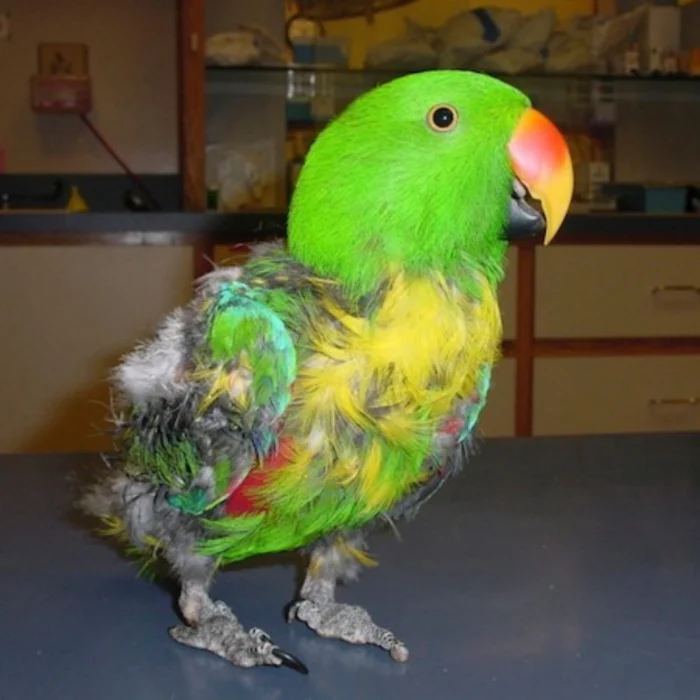
Foraging is defined as the act of searching for and obtaining food. In the wild, many avian species spend between 50% and 80% of their waking hours engaged in foraging activities. When these animals are placed in captivity and provided with bowls of calorie-dense food, the time required to meet nutritional needs drops to mere minutes. This "temporal vacuum" is often filled with stereotypical behaviors, such as feather destructive behavior (FDB), excessive vocalization, and aggression.
The webinar details the concept of "contrafreeloading," a behavioral phenomenon where animals choose to work for food even when identical food is freely available. Dr. Echols provides evidence-based strategies for practitioners to recommend to clients, ranging from simple puzzle feeders to complex environmental modifications. By incorporating foraging, veterinarians can treat the root cause of many behavioral disorders rather than merely managing the symptoms with psychotropic medications.
The Role of Ultraviolet Radiation and UVB in Avian Health
A primary focus of the enriched curriculum presented by Dr. Echols is the role of light, specifically ultraviolet B (UVB) radiation, in the health of captive species. While foraging addresses the psychological needs of the animal, proper lighting addresses fundamental physiological processes.
The keywords associated with the webinar—light, radiation, ultraviolet, and UVB—underscore a growing concern in the veterinary community regarding Vitamin D3 synthesis and calcium metabolism. Many captive birds and reptiles suffer from metabolic bone disease (MBD) or hypocalcemia due to inadequate exposure to specific wavelengths of light. UVB radiation (290–315 nm) is essential for the endogenous production of Vitamin D3 in the skin.
Furthermore, research indicates that birds possess tetrachromatic vision, meaning they can see into the ultraviolet spectrum. An environment lacking UVA and UVB light is effectively "dim" or "colorless" to a bird, which can lead to poor appetite, reproductive failure, and decreased social interaction. The webinar provides data on the appropriate placement of lighting systems and the measurement of UV output to ensure safety and efficacy in a domestic setting.
Accreditation and Professional Standards
The AAVSB RACE program is the gold standard for veterinary continuing education in North America. To receive approval, a program must undergo a rigorous peer-review process to ensure the content is scientifically sound, free from commercial bias, and relevant to the practice of veterinary medicine.
The "Foraging and Enrichment" webinar offers one hour of CE credit, which is vital for licensed professionals who must meet annual or biennial requirements to maintain their credentials. The program includes a post-test component, allowing participants three attempts to demonstrate mastery of the material. This structured approach ensures that the information is not only delivered but also retained and applicable in a clinical environment.
Chronology of the Program and Resource Development
The release of this webinar on March 18, 2026, follows a multi-year initiative by LafeberVet to digitize and democratize high-level specialist knowledge.
- 2023-2024: Development of the "Enrichment Series" began, focusing on the psychological needs of parrots and small mammals.
- 2025: Dr. Echols and his team conducted a series of pilot studies measuring the impact of specific foraging toys on cortisol levels in captive African Grey parrots (Psittacus erithacus).
- Early 2026: The curriculum was submitted to the AAVSB for RACE evaluation.
- March 18, 2026: Official launch and accreditation of the webinar for the global veterinary community.
This timeline reflects the increasing demand for specialized avian and exotic education as the population of these pets continues to grow globally.
Supporting Data on Behavioral Enrichment
Data presented in the context of this educational initiative suggests that environmental enrichment can reduce the incidence of feather destructive behavior by up to 40% in certain parrot species. In a survey of 500 avian practitioners, over 70% reported that "boredom" or "lack of environmental stimulation" was a top-three contributing factor in the cases they treated.
Furthermore, the impact of light on health is supported by clinical data showing that birds provided with 10–12 hours of appropriate UVB exposure show a significant increase in circulating ionized calcium levels compared to those kept under standard household LED or incandescent lighting. This data is crucial for veterinarians when advising clients on the setup of new habitats.
Official Responses and Industry Impact
While official statements from the AAVSB are traditionally neutral regarding specific content, the approval of this course signals a recognition of "welfare-based medicine" as a legitimate and necessary branch of veterinary science.
Industry experts have reacted positively to the inclusion of Dr. Echols in the LafeberVet faculty. "Dr. Echols’ ability to bridge the gap between advanced surgical techniques and basic husbandry is what makes this webinar essential," noted one peer reviewer. "We are moving away from a model where we only see these animals when they are sick. We are moving toward a preventative model where enrichment and proper lighting are the first line of defense."
The international reach of the program is also noteworthy. By providing materials in English, French, and Spanish, LafeberVet ensures that these standards of care are accessible to practitioners in Europe and Latin America, where the exotic pet trade is expanding rapidly.
Broader Implications for Veterinary Medicine
The certification of the "Foraging and Enrichment" webinar has implications that extend beyond the individual practitioner. It suggests a broader shift in the regulatory and educational landscape of veterinary medicine.
- Standard of Care: As more veterinarians become educated in enrichment and lighting, these practices may eventually become the legal "standard of care." Failure to advise a client on the necessity of UVB lighting for a susceptible species could, in the future, be viewed as a professional oversight.
- Animal Welfare Legislation: Data from these educational programs often informs animal welfare guidelines used by governments and non-governmental organizations (NGOs) to regulate the pet industry and zoo management.
- Public Education: Veterinarians serve as the primary source of information for pet owners. By empowering practitioners with RACE-approved knowledge, the quality of life for millions of captive animals is indirectly improved.
Conclusion
The "Foraging and Enrichment" webinar by M. Scott Echols, DVM, DABVP, represents a critical intersection of science and compassion in modern veterinary medicine. By focusing on the tangible benefits of foraging and the physiological necessity of ultraviolet light, the program provides a comprehensive framework for improving the lives of avian and exotic patients. As the veterinary field continues to evolve, the emphasis on holistic, environment-based health strategies will likely become a cornerstone of exotic animal practice, ensuring that "care" encompasses both the physical and psychological dimensions of the animal.

