


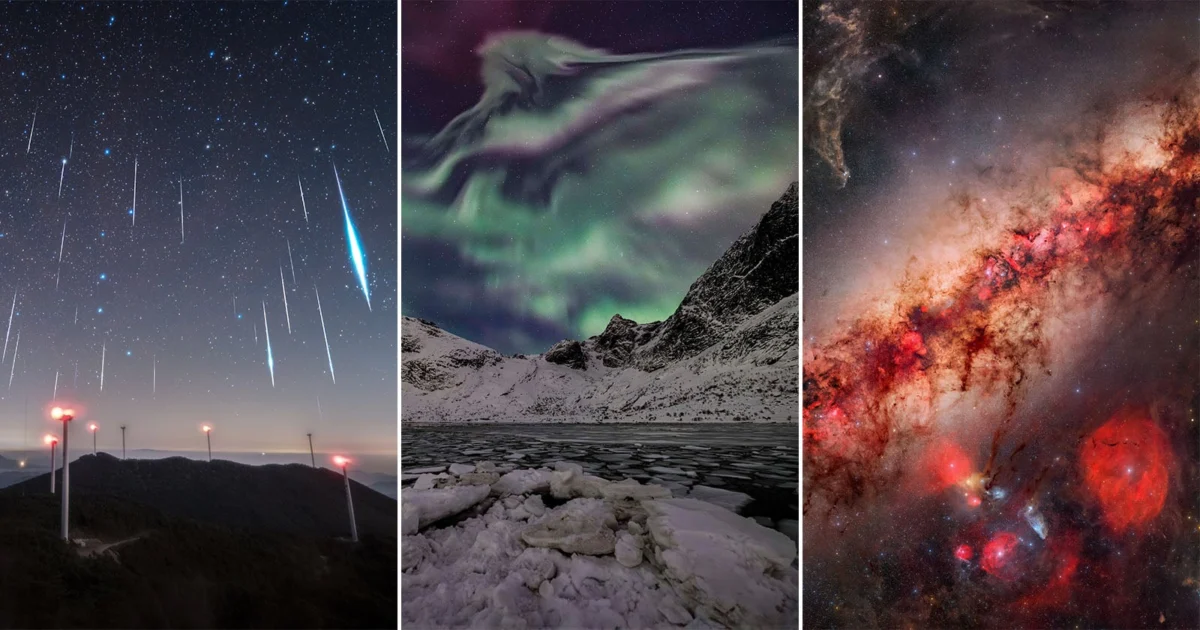
The Royal Observatory Greenwich has officially released the shortlist for the 18th edition of the ZWO Astronomy Photographer of the Year competition, signaling another landmark year for the world’s most prestigious astrophotography contest. This year’s selection process was particularly rigorous, as an expert panel of judges whittled down nearly 4,000 submissions from 66 countries to a select group of finalists. These images, ranging from the ethereal glow of distant nebulae to the sharp, violent activity of our own sun, represent the pinnacle of technical achievement and artistic vision in the field of celestial imaging.
Since its inception nearly two decades ago, the competition has grown from a niche gathering of amateur enthusiasts into a global phenomenon that bridges the gap between scientific observation and fine art. The 2026 edition continues this tradition, showcasing work from both seasoned professionals and dedicated amateurs who spend countless hours in remote, dark-sky locations or operating sophisticated remote observatories. The winners of the nine primary categories and two special prizes are scheduled to be announced on September 17, followed by a public exhibition at the National Maritime Museum in London starting on September 18.
A Global Showcase of Cosmic Artistry
The scale of the 18th annual competition reflects a burgeoning interest in the cosmos, fueled by recent advancements in consumer-grade telescope technology and a global increase in "astro-tourism." With entries arriving from every inhabited continent, the shortlist highlights the diverse ways in which humanity perceives the night sky. The competition is divided into several distinct categories: Aurorae; Galaxies; Our Moon; Our Sun; People and Space; Planets, Comets, and Asteroids; Skyscapes; and Stars and Nebulae. Additionally, the ZWO Young Astronomy Photographer of the Year category celebrates the contributions of the next generation of stargazers.
The financial stakes of the competition are significant, underscoring its status within the photographic community. The overall winner will receive a grand prize of £10,000 (approximately $13,256 USD). Category winners are awarded £1,500, while runners-up and highly commended entries receive £500 and £250, respectively. Special prizes, such as the Annie Maunder Prize for Image Innovation and the Best Newcomer award, carry a prize of £750.
Chronology and Event Timeline
The journey to the 2026 exhibition follows a meticulous timeline designed to ensure the highest standards of judging. The submission window typically opens in the early months of the year, followed by a multi-stage review process.
- January – March 2026: Global call for entries.
- April – May 2026: Preliminary judging rounds and verification of technical data.
- June 2026: Announcement of the official shortlist (current phase).
- September 17, 2026: Official awards ceremony and announcement of the overall winner.
- September 18, 2026: Opening of the Astronomy Photographer of the Year 18 exhibition at the National Maritime Museum, Greenwich.
This timeline aligns with the Royal Observatory’s mission to promote the study of astronomy and the history of navigation. The museum’s involvement ensures that these images are not only viewed as art but are contextualized within the broader history of human exploration.
Highlights from the Shortlisted Categories
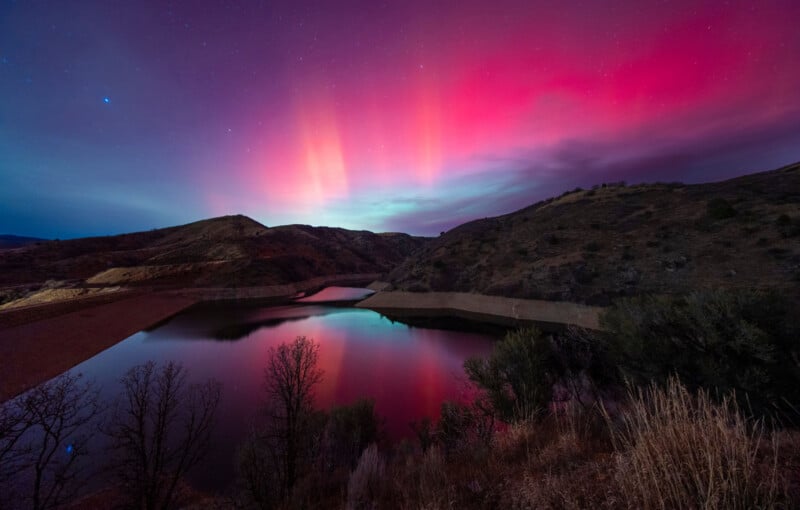
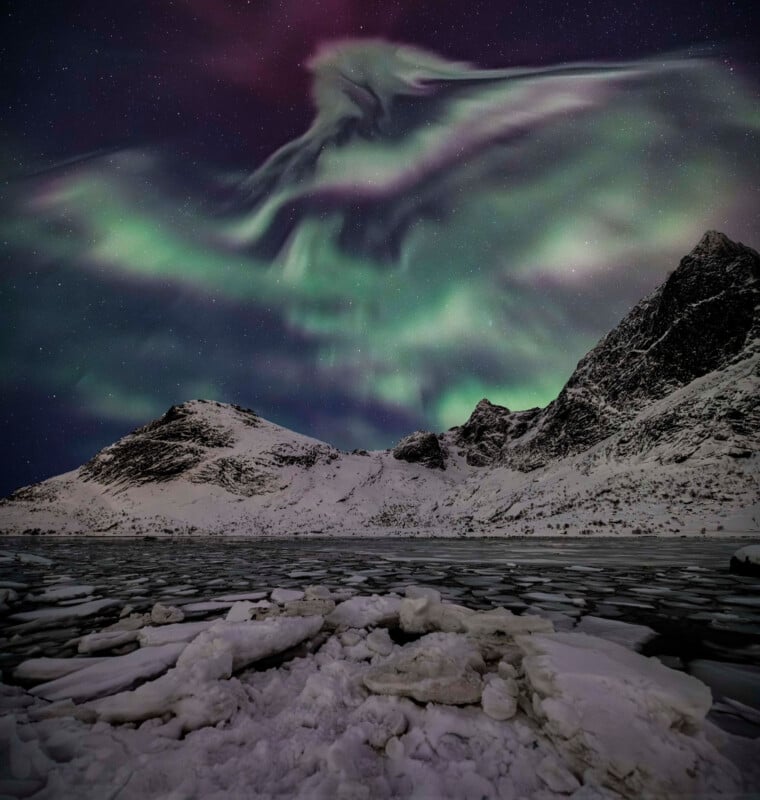
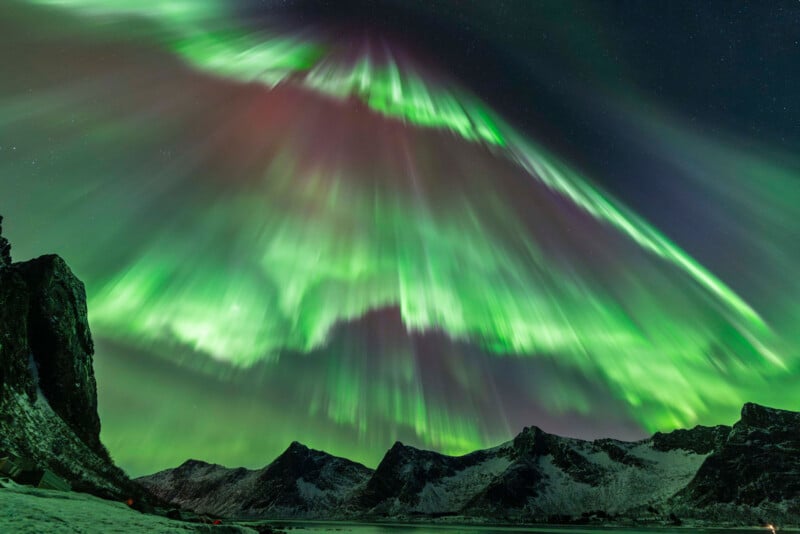
The 2026 shortlist is characterized by a mix of traditional long-exposure techniques and innovative digital processing. In the Aurorae category, photographers captured the intense geomagnetic activity that has characterized the recent solar maximum. Finalists like Samuel Morse (USA) with Aurora Over Causey Reservoir and Julien Cadena (France) with An Auroral Deluge showcase the vibrant purples and greens that occur when solar particles collide with Earth’s atmosphere.
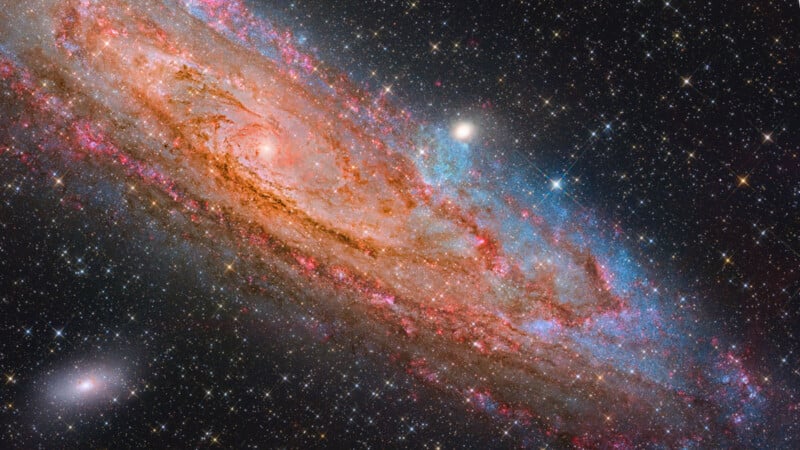
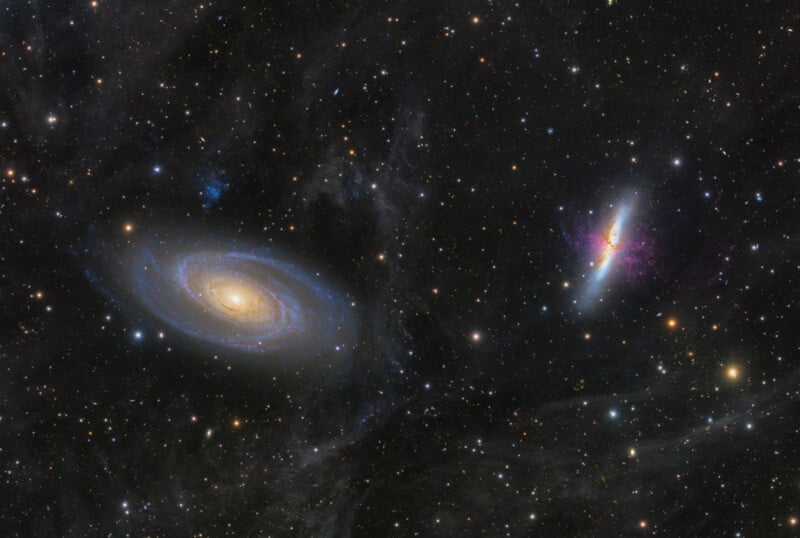
The Galaxies category features awe-inspiring views of "island universes" millions of light-years away. The Crimson Vortex and Sapphire Blossoms of Andromeda by Chuhong Yu and Zuoming Wang provides a high-resolution look at our nearest major galactic neighbor, emphasizing the intricate dust lanes and star-forming regions within the Andromeda Galaxy. Meanwhile, Cosmic Neighbors: Beauty and the Beast by Yijing Zhu and Xinghan Yang captures the gravitational dance between interacting galaxies, providing a visual narrative of cosmic evolution.
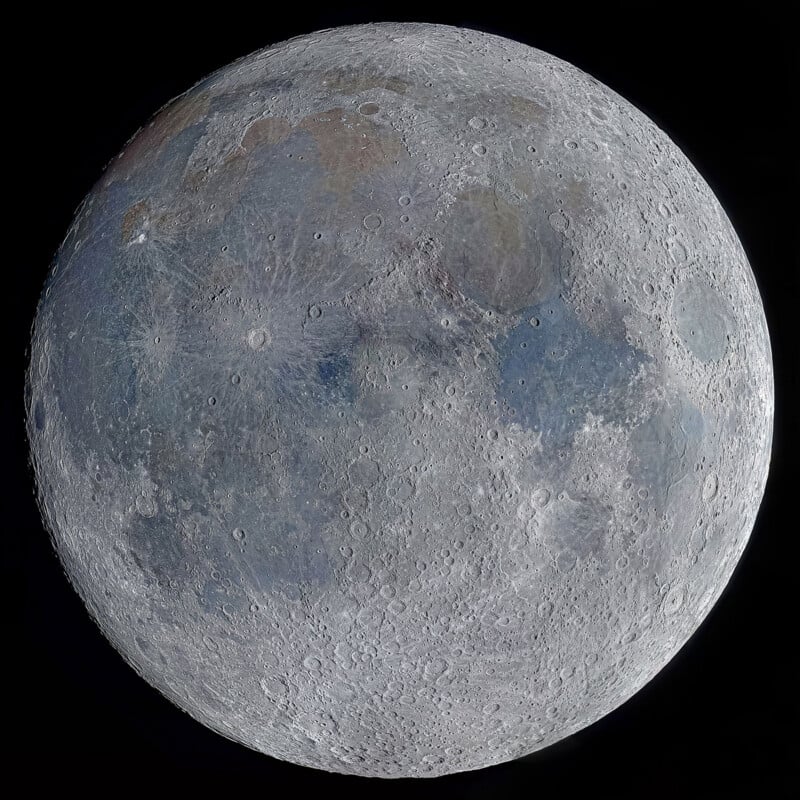
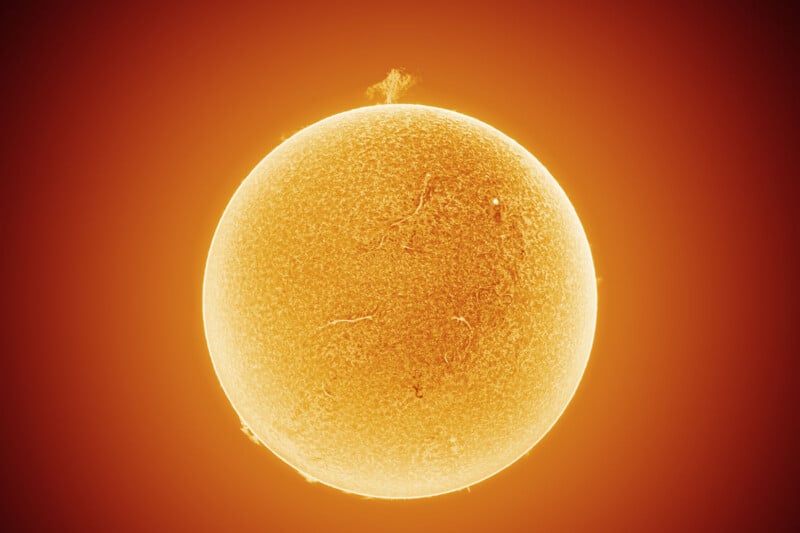
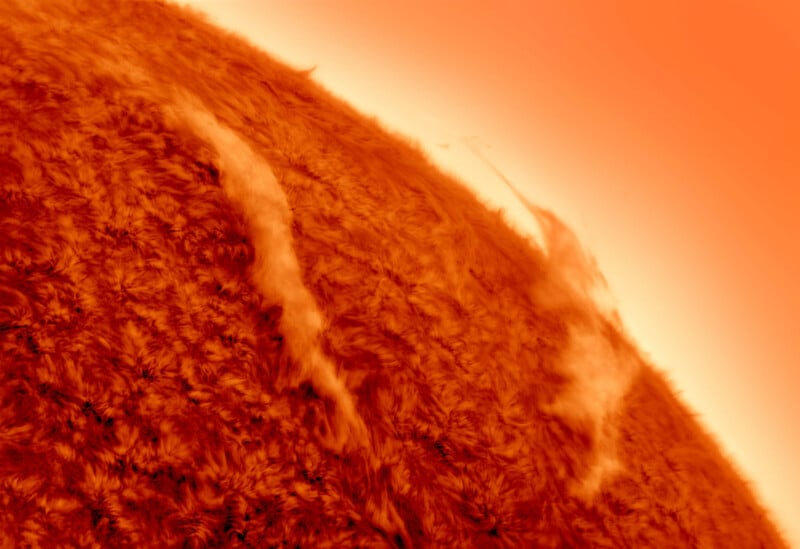
In the Our Sun and Our Moon categories, the focus shifts to the familiar celestial bodies of our solar system, albeit through a lens that reveals previously unseen details. Rafael Schmall’s The Savannah Tree offers a dramatic view of solar prominences—massive loops of plasma extending from the sun’s surface. Conversely, Richard Addis’s Shadow Moon utilizes high-contrast processing to emphasize the rugged topography of the lunar craters and maria.
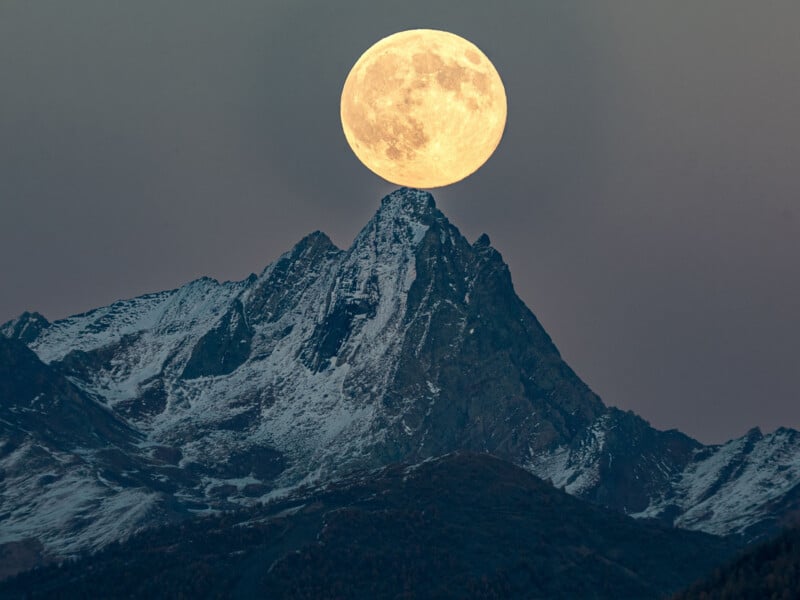
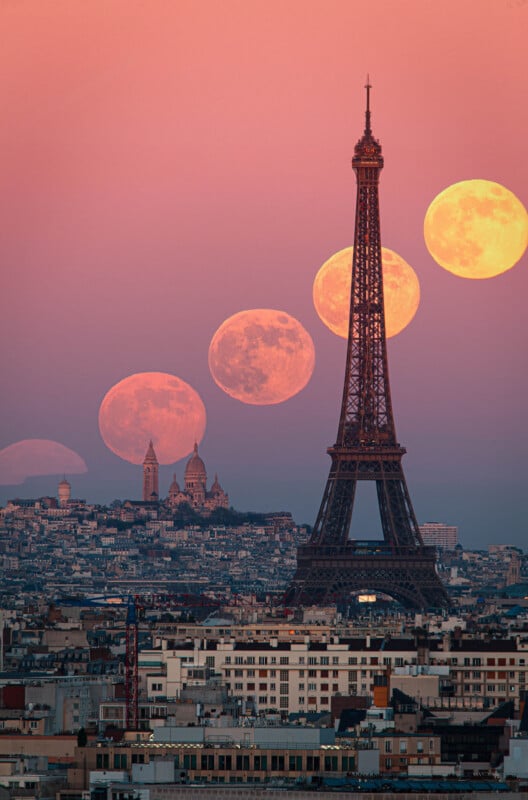
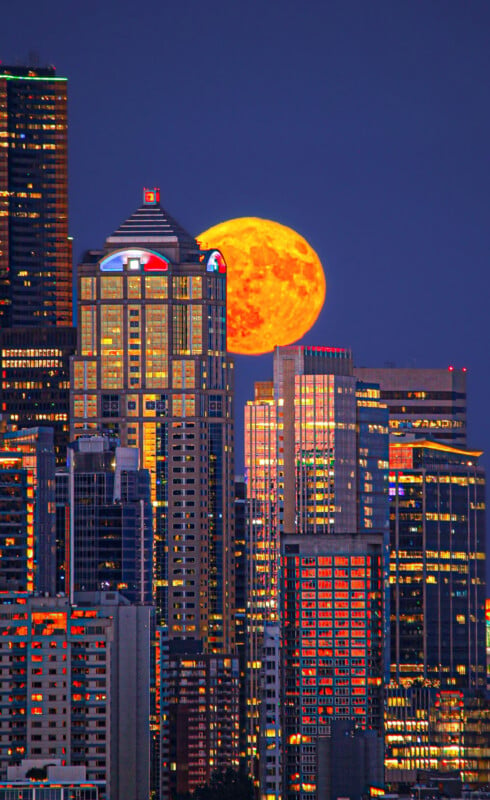
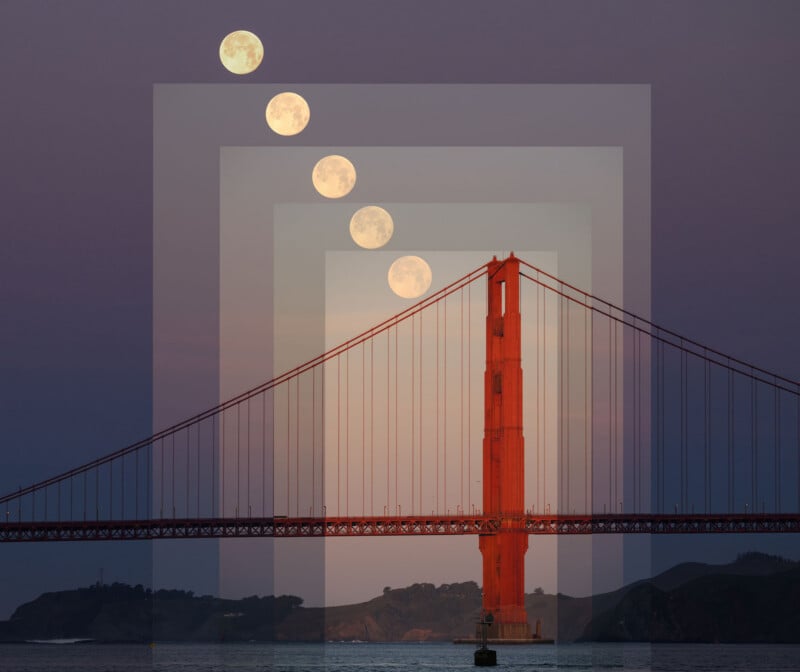
The People and Space category continues to be a favorite among the public, as it juxtaposes the vastness of the universe with human civilization. AJ Smadi’s Golden Moonrise Over Seattle and Fredric Walder’s composite of the moon rising over the Golden Gate Bridge serve as reminders of our place within the solar system, even amidst the light pollution of modern urban environments.
Technical Innovation and the Democratization of Astronomy
A significant theme in this year’s competition is the increasing accessibility of astrophotography. Sam Wen, the Founder and CEO of ZWO—the competition’s title sponsor—noted that the goal of modern astro-technology is to lower the barrier to entry. ZWO’s introduction of "smart telescopes," such as the Seestar series, has allowed individuals without extensive technical training to capture high-quality images of deep-space objects.
"At ZWO, we believe astrophotography is not only a means of recording the cosmos but also a way to inspire curiosity, nurture learning, and bring people together through a shared sense of wonder," Wen stated. This sentiment is echoed in the Best Newcomer and Young Astronomy Photographer categories. The latter features a stunning entry titled Dancing Flames by 14-year-old photographer 与晨 林 (China), demonstrating that the tools and techniques once reserved for professional observatories are now within reach of the youth.
The Annie Maunder Prize for Image Innovation further highlights the intersection of science and art. This category encourages photographers to reprocess open-source data from professional observatories, such as the Hubble Space Telescope or the James Webb Space Telescope. This democratizes the "big data" of astronomy, allowing artists to find new beauty in scientific datasets.
Historical Context and Scientific Significance
The Royal Observatory Greenwich, founded in 1675 by King Charles II, has been at the center of astronomical research for centuries. As the home of the Prime Meridian and Greenwich Mean Time (GMT), it serves as a symbolic bridge between time and space. The Astronomy Photographer of the Year competition is a modern extension of the observatory’s historical role in mapping the stars for navigation.
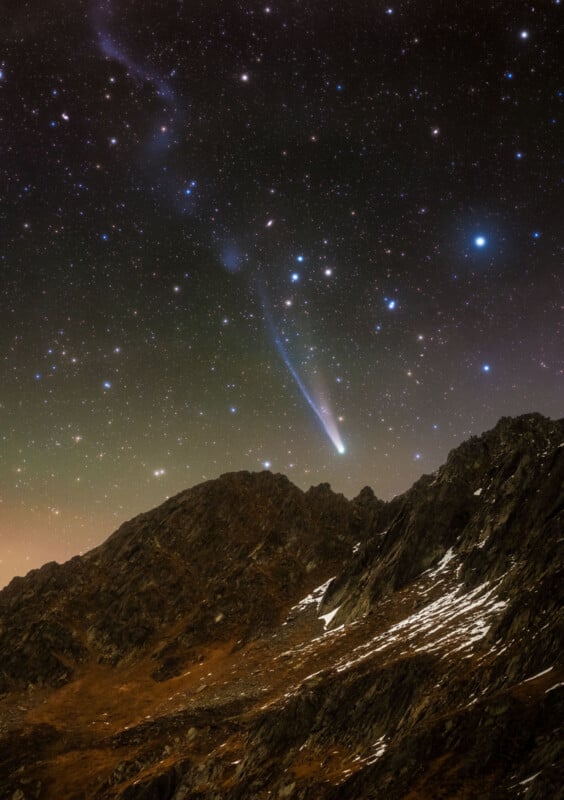
Beyond their aesthetic value, the images in the shortlist often hold scientific interest. Photographers capturing comets, such as Jakob Sahner’s Comet C/2025 A6 (Lemmon) Over the Swiss Alps, provide valuable records of transient celestial events. Similarly, high-resolution images of the sun’s surface help the public visualize the solar dynamics that can affect satellite communications and power grids on Earth.
Broader Impact and Environmental Implications
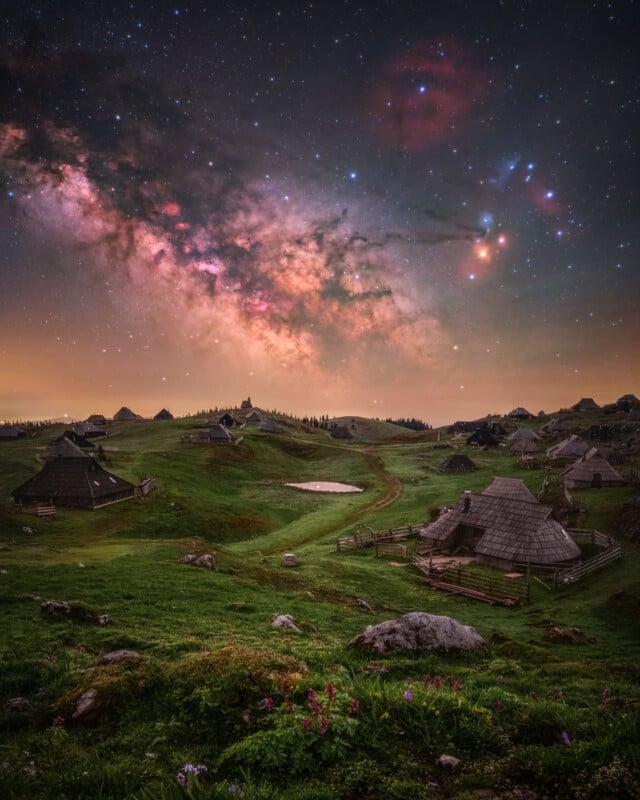
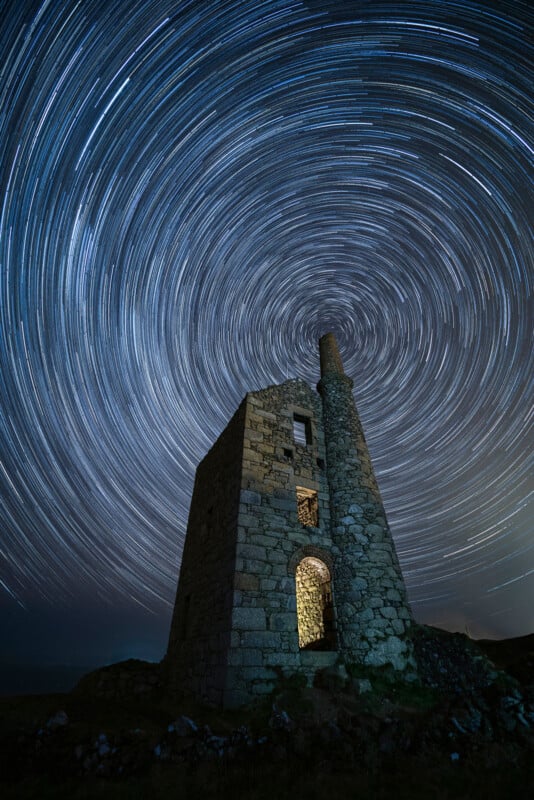
The competition also serves as a subtle but powerful advocate for the preservation of dark skies. Many of the most striking images in the Skyscapes and Stars and Nebulae categories were captured in remote locations, such as the Swiss Alps, the deserts of Italy, or the rugged coastlines of New Zealand. These images highlight the beauty that is lost to light pollution in developed areas.
The "People and Space" category, in particular, often illustrates the encroachment of artificial light on the natural night sky. By showcasing the splendor of the Milky Way or the subtle colors of a nebula, the competition fosters a greater appreciation for the environment and encourages efforts to reduce light pollution, which affects both astronomical research and nocturnal ecosystems.
Conclusion and Future Outlook
As the world awaits the announcement of the winners in September, the 2026 ZWO Astronomy Photographer of the Year shortlist stands as a testament to human ingenuity and our enduring fascination with the unknown. The transition from the 17th to the 18th edition of the contest has seen not only an increase in the number of participants but also a leap in the quality of the imagery produced.
The upcoming exhibition at the National Maritime Museum is expected to draw thousands of visitors, offering a rare opportunity to see the universe through the eyes of the world’s most talented photographers. In an era dominated by rapid technological change, these images provide a moment of pause—a chance to look upward and find a sense of connection to the vast, silent beauty of the cosmos. Whether captured via a high-end cooled CMOS camera or a portable smart telescope, the works shortlisted this year confirm that the golden age of astrophotography is well and truly underway.

