


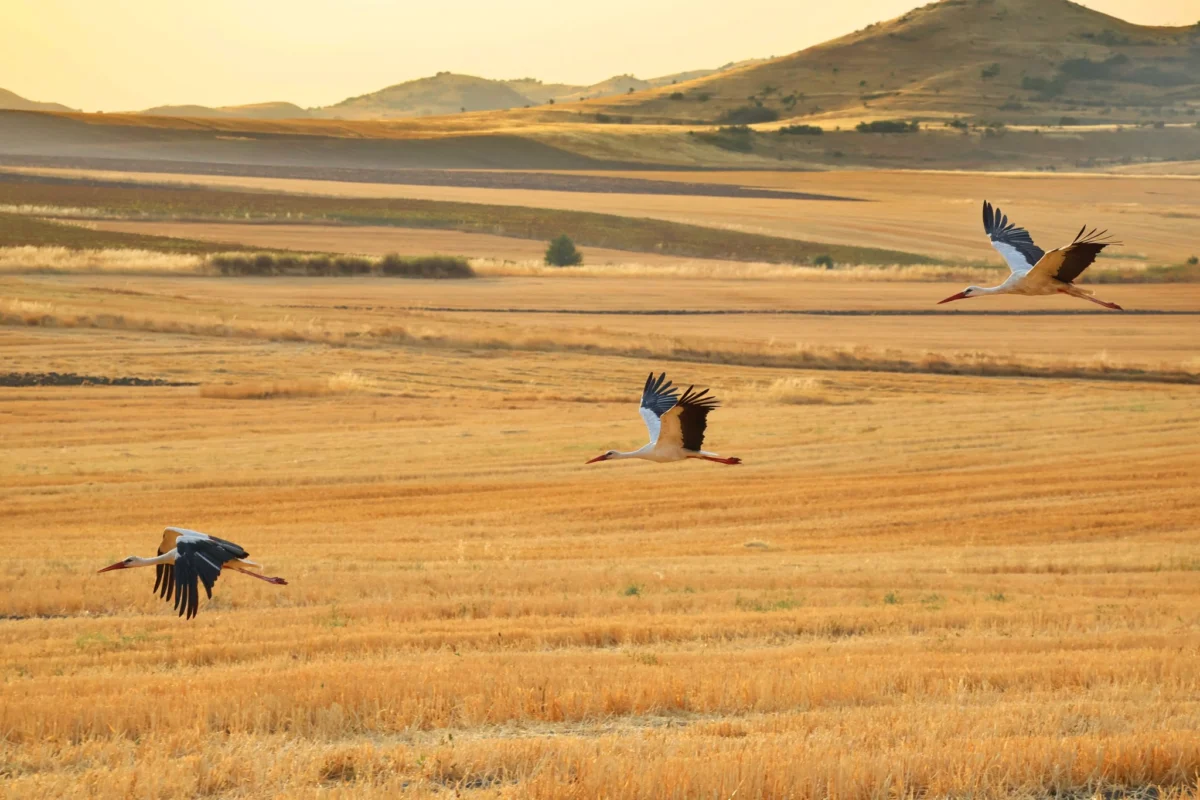
A significant new grant of £7.5 million from the Ecological Restoration Fund (ERF) is set to bolster crucial conservation initiatives across the African-Eurasian Flyway, a vital migratory superhighway for billions of birds. The three-year funding injection will enable a substantial scaling up of efforts to protect and restore priority sites, enhance wetland habitats, foster international collaboration, and pioneer innovative financial mechanisms for nature, climate, and human well-being. This initiative directly addresses the alarming decline in migratory bird populations, with one in nine species now threatened with extinction and 45% experiencing a downward trend.
Addressing an Urgent Biodiversity Crisis
The African-Eurasian Flyway, an intricate network of routes stretching from the Arctic tundra to the southern tip of Africa, is a cornerstone of global biodiversity. It is traversed by over two billion migratory birds representing more than 500 species, relying on a chain of critical resting, feeding, and nesting grounds that span across Africa, Europe, and Asia. The health of these sites is not only integral to the survival of these avian travelers but also directly impacts the livelihoods and well-being of millions of people who depend on the ecosystem services they provide.

The alarming statistics highlighting the vulnerability of migratory birds underscore the urgency of the situation. The decline of these species is often a canary in the coal mine, signaling broader environmental degradation. Factors contributing to this crisis include habitat loss and degradation, climate change impacts, pollution, and unsustainable development. This new grant from the ERF represents a significant commitment to reversing these trends through a multi-faceted, internationally coordinated approach.
A Three-Year Strategic Plan for Conservation and Restoration
The £7.5 million grant, awarded to BirdLife International and its network of partners, will be strategically deployed over the next three years to achieve several key objectives:
- On-the-Ground Habitat Restoration and Protection: Direct conservation actions will be implemented in seven key countries along the flyway: Romania, Bulgaria, Iraq, Jordan, Uganda, Malawi, and Zimbabwe. These initiatives will focus on restoring degraded wetlands, protecting critical breeding and stopover sites, and implementing sustainable land management practices. The aim is to create a resilient and ecologically coherent network of protected areas that can support robust bird populations.
- Strengthening International Collaboration: The grant will foster enhanced cooperation among the 80 BirdLife Partners operating within the African-Eurasian Flyway. This collaborative framework is essential for addressing the transboundary nature of migratory bird conservation, ensuring synchronized efforts, and sharing best practices across national borders.
- Developing Nature-Based Economies: A significant aspect of the project involves nurturing nature-based economies and creating sustainable job opportunities within local communities. By demonstrating the economic benefits of healthy ecosystems, the project aims to build local stewardship and ensure that conservation efforts are integrated with socio-economic development.
- Rapid Response to Development Threats: The funding will establish mechanisms for rapid intervention against harmful development projects that pose a threat to key flyway sites. This includes advocating for better environmental impact assessments and promoting nature-friendly infrastructure development.
- Unlocking Transformative Finance: A crucial component of the grant is dedicated to developing and unlocking new forms of finance for nature conservation. This involves forging deeper partnerships and innovative financial instruments to ensure long-term sustainability and the integration of conservation into large-scale economic planning.
Building on a Foundation of Success
This new, substantial grant from the ERF builds upon the successful completion of an initial three-year phase of collaborative work. During this prior period, BirdLife International and its UK Partner, the Royal Society for the Protection of Birds (RSPB), with funding from the ERF, achieved notable milestones. These included the protection and restoration of vital flyway sites, contributing to the UNESCO World Heritage status of Sierra Leone’s Gola Rainforest National Park, and leveraging an additional £19 million for habitat restoration initiatives across the flyway.

Furthermore, the initial phase laid the groundwork for a groundbreaking collaboration with the World Bank. This partnership aims to systematically link biodiversity conservation with sustainable development, ensuring that the needs of migratory birds and the ecosystems they depend on are considered in large-scale infrastructure projects, including renewable energy developments. This forward-thinking approach acknowledges that conservation success is intertwined with broader economic and societal progress.
Voices of Commitment and Vision
Martin Harper, CEO of BirdLife International, expressed his enthusiasm and the significance of the ERF’s commitment. "This grant is a major milestone in our efforts to unite and strengthen conservation across borders," Harper stated. "Working with our 80 Partners in the African-Eurasian Flyway, we want to ensure that an ecologically coherent network of sites is protected, managed, and restored to make sure that birds can fly free from harm. By protecting the sites that migratory birds need, we shall also deliver enormous benefits for people and for the climate. We will do this by mobilising finance, restoring critical habitats, and ensuring new infrastructure is safe for nature. We are incredibly grateful to ERF for supporting our ambition of a world where migratory bird populations are thriving, connecting, and inspiring people across countries and continents."
Lenke Bálint, Executive Director at the Ecological Restoration Fund, echoed this sentiment, highlighting the broader implications of the partnership. "The African-Eurasian Flyway is one of the world’s great ecological networks, connecting landscapes, cultures, and communities across three continents," Bálint remarked. "We are delighted to continue our partnership with BirdLife International and support its work to protect and restore critical sites along the flyway. By strengthening conservation across borders, restoring vital wetlands and habitats, and helping to unlock new sources of finance for nature, this programme will benefit not only migratory species but also the communities that depend on healthy ecosystems for their livelihoods and wellbeing."

The ERF’s commitment extends beyond this specific grant, as the organization is dedicated to supporting initiatives that protect areas of high biodiversity value, rejuvenate degraded landscapes and seascapes, and ensure robust environmental governance. Their overarching mission is to re-establish nature’s interconnectedness while fostering cultural, social, and economic opportunities for the communities that inhabit these vital landscapes.
Broader Implications and Future Outlook
The implications of this substantial investment are far-reaching. By prioritizing the African-Eurasian Flyway, the ERF and BirdLife International are not only safeguarding iconic migratory species like the White Stork and the Endangered Egyptian Vulture, but also contributing to global climate resilience and human well-being. Healthy wetlands and restored landscapes are crucial carbon sinks, natural flood defenses, and sources of clean water.
The strategic focus on integrating conservation with large-scale infrastructure planning, particularly in the burgeoning renewable energy sector, is a critical step forward. It acknowledges that economic development and environmental protection are not mutually exclusive but can be synergistic when approached with foresight and collaboration. This approach aims to prevent future harm and create a model for sustainable development that benefits both nature and people.

The success of this three-year program will be a significant indicator of the potential for large-scale, transboundary conservation initiatives to address the global biodiversity crisis. It sets a precedent for how international funding, scientific expertise, and local community engagement can converge to protect natural heritage and ensure a healthier planet for future generations. The renewed commitment from the Ecological Restoration Fund signals a strong belief in the efficacy of these collaborative efforts and a shared vision for a future where migratory birds, and the ecosystems they inhabit, can thrive.

