


In a significant legal development regarding the treatment of animals within the commercial breeding industry, Dr. Dawn Marie Gau, the former attending veterinarian at Envigo’s Cumberland, Virginia, beagle facility, has been sentenced following a guilty plea to seven counts of animal cruelty. The sentencing, which took place in early May 2026, marks a pivotal moment in the accountability of veterinary professionals working within large-scale research supply chains. Gau was sentenced to 12 months in jail, which was suspended, and she was placed on supervised probation for a period of seven years. The charges stemmed from evidence uncovered during a comprehensive undercover investigation by People for the Ethical Treatment of Animals (PETA), which exposed systemic neglect and procedural horrors at the massive breeding compound.
The judicial proceedings against Gau represent one of the few instances where a high-ranking veterinarian at a major research-supply facility has faced criminal consequences for the treatment of animals under their supervision. The case has reignited a national conversation regarding the oversight of facilities that provide animals for biomedical research and the ethical responsibilities of the medical professionals tasked with their care.
The PETA Investigation and the Cumberland Facility
The Cumberland facility, once operated by Envigo—a subsidiary of Inotiv—served as a primary supplier of beagles to the National Institutes of Health (NIH) and various pharmaceutical and biotechnology laboratories worldwide. At its peak, the facility housed approximately 5,000 beagles and puppies in a complex of sheds and kennels.
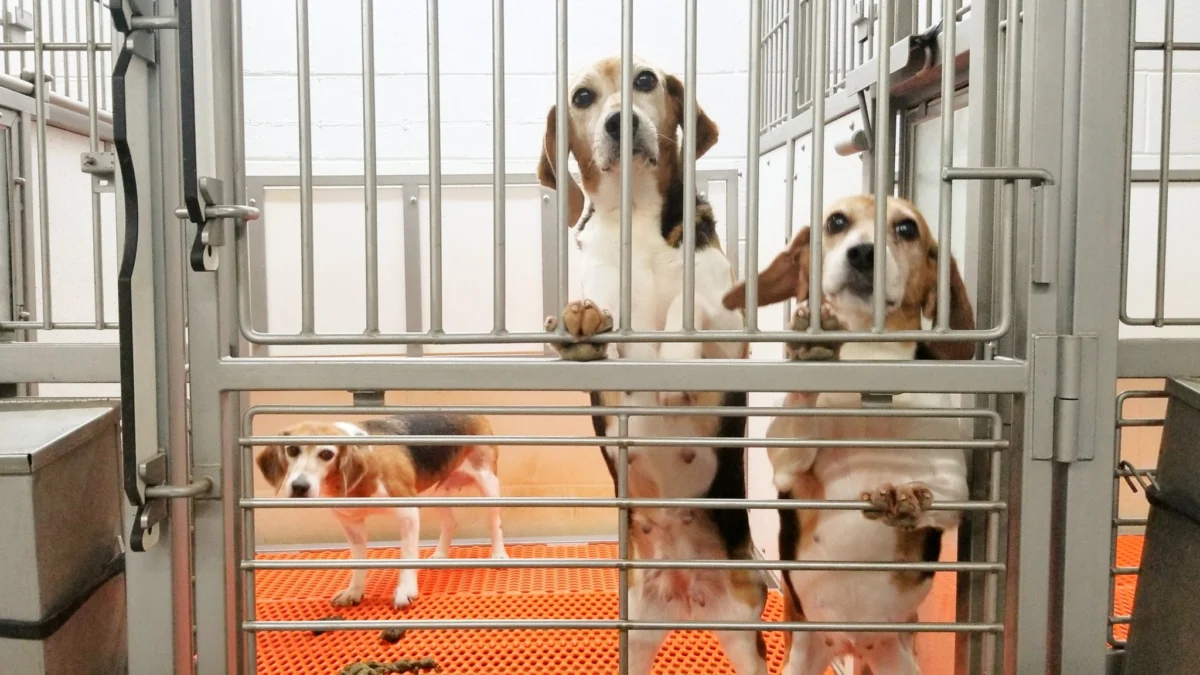
The PETA undercover investigation, which spanned several months, revealed a harrowing environment characterized by extreme noise, filth, and routine suffering. According to investigative reports, noise levels within the housing sheds frequently exceeded 117 decibels. For context, this is significantly louder than a rock concert and is comparable to the noise produced by a chainsaw or a sandblaster, creating a constant state of auditory distress for the dogs.
Beyond the environmental stressors, the investigation documented severe physical neglect. Thousands of dogs were kept in small, barren cages without access to beds, outdoor exercise, or social stimulation. The facility’s infrastructure was also found to be hazardous; investigators recorded instances of puppies falling through gaps in the flooring of the cages. Many of these puppies reportedly died after being soaked in the waste and drainage systems located beneath the cages, while others were accidentally crushed by their mothers in the cramped and high-stress environment.
Specific Allegations Against Dr. Dawn Marie Gau
The criminal charges against Dr. Gau focused on specific incidents of gross veterinary malpractice and cruelty. Central to the prosecution’s case were two primary incidents documented by the undercover eyewitness.
In the first instance, Dr. Gau was observed attempting to euthanize a conscious dog while the animal was actively bleeding from its legs. Standard veterinary protocols for euthanasia require that an animal be properly sedated or anesthetized before the final lethal injection is administered to ensure a painless death. The failure to do so is considered a grave violation of both ethical standards and animal welfare laws.
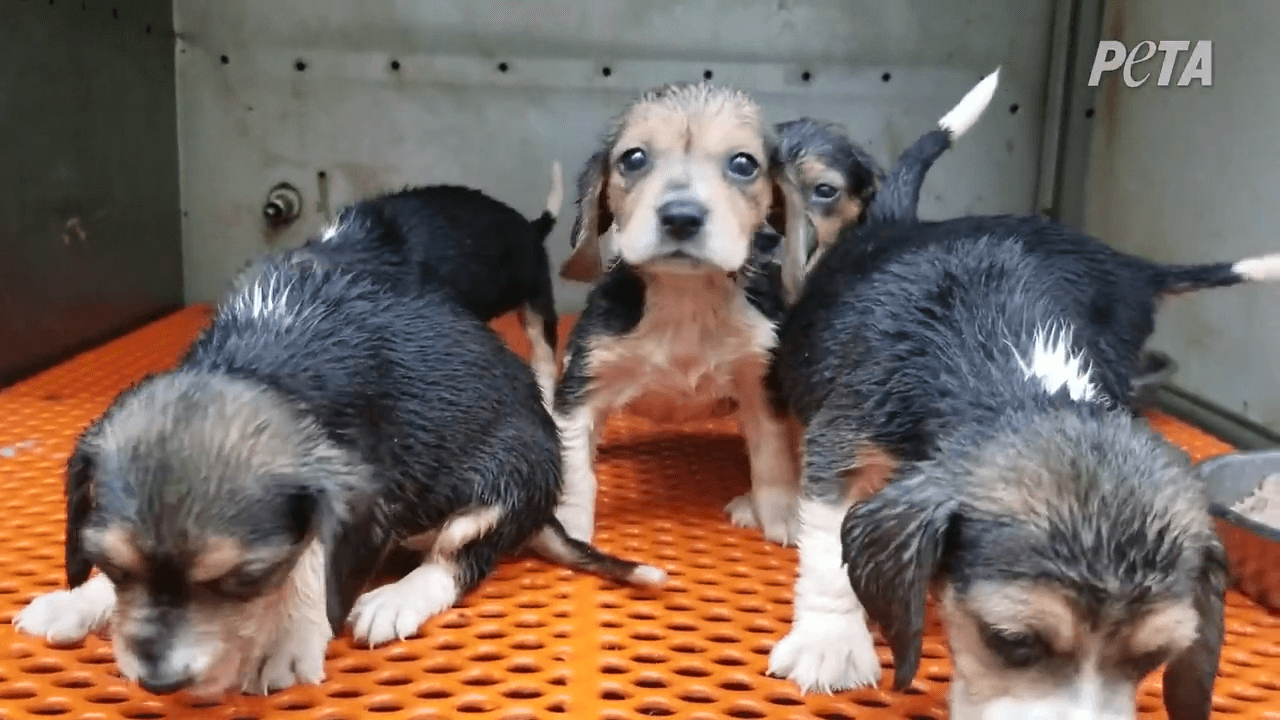
The second major incident involved a worker performing an intracardiac injection—a "heart stick"—on a puppy without the use of sedation. Intracardiac injections are notoriously painful and are strictly regulated; they are generally only permissible when an animal is already unconscious. Investigators alleged that Dr. Gau failed to intervene or stop the worker from performing this excruciating procedure on a conscious puppy.
These incidents were presented as part of a broader pattern of "routine cruelty" where the lives of the animals were treated as secondary to the operational efficiency and profitability of the breeding mill.
The Closure of Envigo and the Federal Settlement
The sentencing of Dr. Gau is the latest chapter in the total collapse of the Cumberland breeding operation. Following the publication of PETA’s findings and subsequent inspections by the U.S. Department of Agriculture (USDA), the Department of Justice (DOJ) launched a massive federal investigation into the facility.
In 2022, the DOJ filed a civil lawsuit against Envigo, alleging systemic violations of the Animal Welfare Act and the Clean Water Act. The latter charge was particularly significant, as the facility was found to be discharging waste into local waterways, further illustrating the lack of oversight at the site.
The legal battle culminated in a record-breaking settlement. Envigo and its parent company, Inotiv, agreed to pay more than $35 million in penalties. This included:
- A $22 million fine, the largest ever for an Animal Welfare Act violation.
- $1.1 million to the Virginia Animal Fighting Task Force.
- $1.9 million to the Humane Society of the United States (HSUS) to assist with the relocation of the dogs.
- Millions more in environmental compliance costs and upgrades to other facilities.
As part of the settlement, Envigo was forced to cease operations at the Cumberland site and surrender nearly 4,000 surviving beagles. These dogs were subsequently placed with animal shelters and rescue groups across the United States in one of the largest single animal rescue efforts in history.
Chronology of Events
The downfall of the Cumberland facility followed a multi-year timeline of investigation and litigation:
- 2021: PETA’s undercover investigator gathers evidence of animal cruelty and neglect at the Cumberland facility.
- Late 2021: The USDA conducts a series of inspections, documenting dozens of violations, including the deaths of hundreds of puppies.
- May 2022: The U.S. Department of Justice executes a search warrant at the facility and files a complaint in federal court.
- June 2022: A federal judge issues a preliminary injunction, and Envigo agrees to permanently close the Cumberland site.
- July–August 2022: Nearly 4,000 beagles are removed from the facility and transported to rescue organizations.
- June 2024: Envigo and Inotiv reach a $35 million settlement with the federal government, pleading guilty to criminal charges.
- May 2026: Former attending veterinarian Dr. Dawn Marie Gau is sentenced in Virginia state court on seven counts of animal cruelty.
Industry Implications and Veterinary Accountability
The sentencing of Dr. Gau has sent shockwaves through the laboratory animal science community. Traditionally, attending veterinarians at research facilities have enjoyed a degree of insulation from prosecution, provided their actions were documented under the guise of research protocols. However, this case clarifies that "veterinary care" cannot be used as a shield for actions that constitute criminal cruelty under state law.
Veterinary ethics experts suggest that this case highlights the "dual-loyalty" conflict faced by veterinarians employed by large-scale commercial breeders. On one hand, these professionals are bound by their oath to protect animal health and prevent suffering. On the other, they are employees of corporations where the primary goal is the mass production of biological "products."
The Gau case suggests a shifting legal landscape where the individual responsibility of the veterinarian is being scrutinized more heavily. Legal analysts point out that the seven-year supervised probation period is particularly significant, as it effectively bars Gau from practicing in a similar capacity without intense oversight, and the conviction itself likely jeopardizes her professional licensing.
The Push for Scientific Modernization
The fallout from the Envigo scandal has empowered advocacy groups to push for broader legislative changes. PETA and other organizations have utilized the evidence from Cumberland to advocate for the "Research Modernization Deal." This proposed roadmap urges the National Institutes of Health (NIH) and other federal agencies to transition away from animal-based experimentation in favor of more modern, human-relevant methods.
Proponents of this shift argue that beagles are used in research not because they are the best scientific models, but because they are docile, easy to handle, and easy to breed in large numbers. Critics of animal testing point to the high failure rate of drugs that pass animal trials but fail in human clinical trials as evidence that the current system is both ethically and scientifically flawed.
Alternative methods being promoted include:
- Organ-on-a-chip technology: Microchips that mimic the functions of human organs.
- Advanced computer modeling: Using AI to predict toxicological responses in humans.
- 3D bioprinting: Creating human tissue for drug testing.
Conclusion
The sentencing of Dr. Dawn Marie Gau serves as a grim reminder of the realities of the commercial breeding industry. While the 4,000 beagles liberated from Cumberland have found homes, the case has left an indelible mark on the legal and ethical framework of animal research in the United States.
The $35 million in federal penalties and the criminal conviction of the facility’s lead veterinarian signal that the era of total immunity for large-scale animal suppliers may be coming to an end. For the thousands of dogs that passed through the Cumberland facility during its operation, the legal resolution comes too late, but for the future of animal welfare legislation, the Gau sentencing represents a landmark precedent for accountability. As federal representatives face increasing pressure to introduce legislation modernizing research practices, the legacy of the Envigo beagles continues to influence the intersection of science, law, and ethics.

