


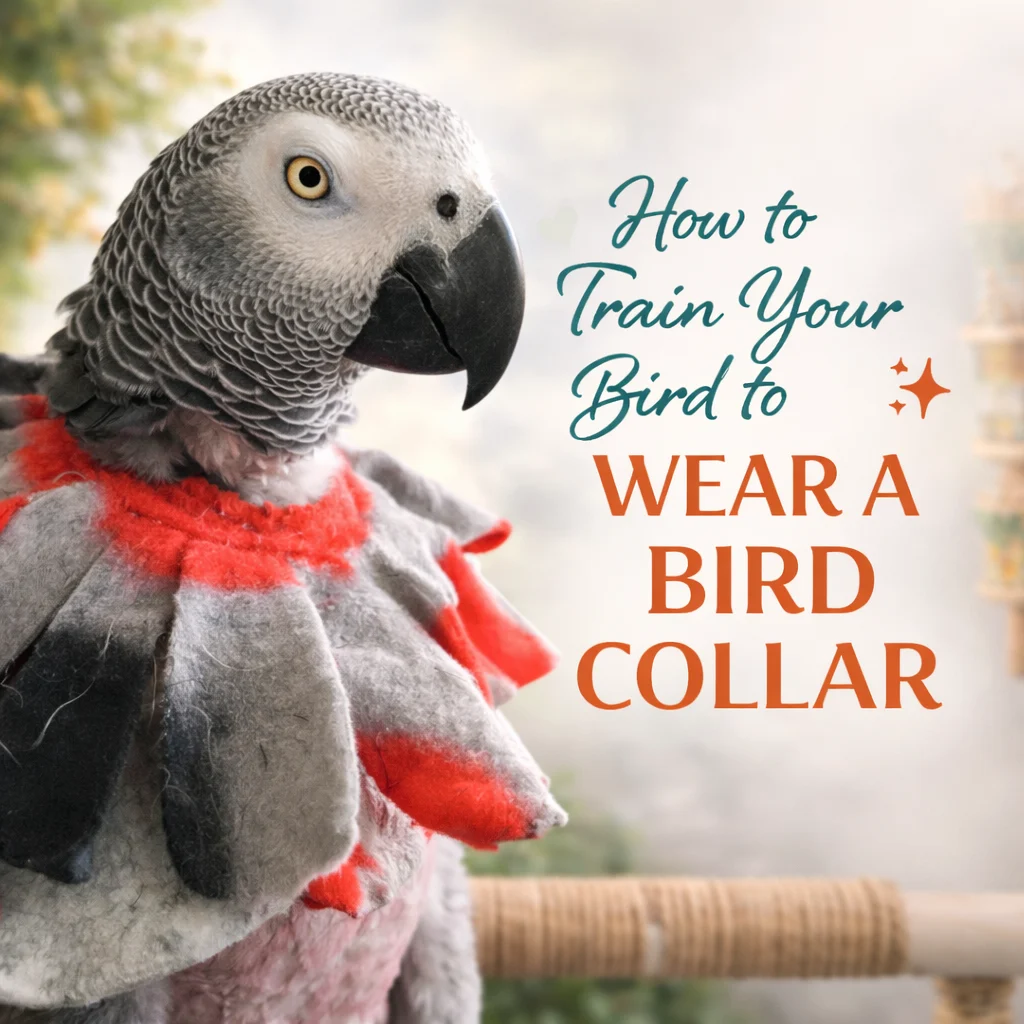
The practice of fitting birds with collars, often a measure of last resort for concerned owners, is generally considered safe and effective when introduced thoughtfully and applied for the right reasons, according to avian specialists. This intervention, frequently prompted by escalating feather destructive behaviors (FDBs) or skin integrity concerns, serves as a protective tool rather than a punitive one, aiming to interrupt harmful patterns while underlying issues are addressed. The decision to employ a collar necessitates careful consideration, a phased introduction, and ongoing monitoring to ensure the bird’s physical and psychological well-being.
The Growing Concern of Feather Destructive Behavior in Avian Companions
Feather destructive behavior (FDB), a complex and often distressing condition for both birds and their owners, is a pervasive issue in captive avian populations. It encompasses a spectrum of behaviors ranging from mild over-preening and barbering to severe plucking, skin mutilation, and self-traumatization. Studies indicate that FDB affects a significant percentage of pet birds, with prevalence rates estimated to be as high as 10-20% in certain species, such as African Grey Parrots, Cockatoos, and Lovebirds. The emotional and physical toll on affected birds can be severe, leading to chronic pain, infections, and systemic health complications, while also causing considerable distress and frustration for their human caregivers.
The onset of FDB is rarely singular in cause, often stemming from a confluence of factors including medical conditions (e.g., infections, allergies, organ disease, pain), environmental deficiencies (e.g., inadequate cage size, lack of enrichment, poor lighting, low humidity), nutritional imbalances, and behavioral or psychological stressors (e.g., anxiety, boredom, hormonal fluctuations, attention-seeking, past trauma). Owners typically exhaust a range of less invasive interventions before considering a collar, including dietary modifications, environmental enrichment strategies, routine adjustments, supplements, topical sprays, and behavioral modification techniques. When these initial efforts fail to halt or significantly reduce the damaging behavior, and particularly when skin or tissue damage becomes evident or escalates rapidly, the conversation frequently shifts towards protective measures like collars.
The Role of Collars in Avian Care: A Management Tool, Not a Cure
Avian collars are not a standalone solution or a "quick fix" for FDB; rather, they are a critical management tool designed to provide physical protection and interrupt the cycle of self-mutilation. Their primary utility lies in creating a temporary barrier that prevents the bird from accessing specific areas of its body, thereby allowing feathers to regrow, wounds to heal, and owners to gain crucial time to diagnose and address the root causes of the behavior.
When Collars are Deemed Necessary:
- Active Feather Destruction: When a bird is consistently plucking out feathers, barbering them down to the skin, or damaging feather follicles, a collar can prevent further irreversible damage. This is particularly vital for birds in a repetitive plucking loop, where the habit itself becomes self-reinforcing.
- Post-Surgical Recovery: Following surgical procedures, birds may attempt to pick at sutures or surgical sites, risking infection and dehiscence. A collar provides essential protection during the healing phase.
- Wound Healing: Any open wounds, abrasions, or dermatological issues on the bird’s body are susceptible to being picked at, reopened, or exacerbated. Collars are indispensable in ensuring these areas can heal undisturbed.
- Periods of Heightened Anxiety or Stress: In instances where extreme anxiety or stress triggers self-harm, a collar can serve as a temporary physical deterrent, preventing immediate damage while behavioral interventions or calming strategies are implemented.
- Diagnostic Period: While veterinary investigations are underway to pinpoint the underlying medical or behavioral cause of FDB, a collar can prevent further harm, allowing for a clearer assessment of skin and feather health once the immediate threat of plucking is mitigated.
Benefits of Proper Collar Application:
When correctly introduced and monitored, bird collars offer several tangible benefits. They significantly reduce the risk of physical injury, including severe skin lacerations, infections, and permanent feather follicle damage. By physically preventing the bird from engaging in the destructive behavior, collars also help to slow down or halt the "habit rehearsal" – the repetitive action that reinforces the behavior pathway in the bird’s brain. This interruption provides owners and veterinary professionals with valuable "breathing room" to implement comprehensive treatment plans that may involve adjusting diet, enhancing environmental enrichment, modifying behavior through positive reinforcement, or administering specific medical treatments. The goal is always to address the underlying issues, with the collar acting as a supportive bridge to recovery, ideally allowing for its eventual removal once the bird is stable and the destructive behavior is under control.
Differentiating Need: When a Collar is Unnecessary
While collars serve a vital protective function in specific scenarios, their application is not universally beneficial and can, in fact, be counterproductive if not truly warranted. The decision to use a collar must always be judicious, prioritizing the bird’s welfare and avoiding unnecessary stress.
Signs a Collar May Be Unnecessary:
- Mild or Seasonal Plucking: Some birds exhibit mild, seasonal feather loss or preening that might appear excessive but does not result in skin damage. This can be part of a normal molting cycle or a response to minor, easily rectifiable environmental factors. If no skin damage is present, and the behavior is not escalating, a collar is unlikely to be required.
- Improving with Alternative Interventions: If initial changes in diet, enrichment, or routine are already showing positive results, with a reduction in plucking behavior and no skin involvement, continuing and refining these strategies is often more beneficial than introducing a new, potentially stressful element.
- Absence of Urgent Risk: If the bird is not actively causing self-harm, reopening wounds, or engaging in a self-reinforcing plucking loop, the immediate urgency for a collar diminishes. In such cases, a more conservative, observation-based approach is often recommended.
Potential Drawbacks of Unnecessary Restraint:
Introducing a collar without a clear and pressing need can inadvertently increase stress for the bird. Collars, by their nature, restrict movement and can interfere with natural behaviors such as foraging, climbing, and even comfortable perching. An unneeded collar can lead to:
- Increased Stress and Anxiety: The unfamiliar sensation and restriction can be highly stressful, potentially exacerbating underlying behavioral issues.
- Mobility Impairment: Depending on the collar type and size, it can impede the bird’s ability to navigate its environment, access food and water, or engage in natural locomotion.
- Hygiene Challenges: Collars can make preening difficult or impossible, leading to unkempt feathers and potential skin irritation under the collar.
- Negative Association: If introduced inappropriately or without true necessity, the collar can create a negative association with human interaction or its environment, hindering future training or trust-building efforts.
Therefore, the principle of "more isn’t always better" is paramount in avian care. Adding an intervention like a collar without a clear, veterinary-substantiated need risks compounding existing problems or creating new ones. The most helpful step is often to refine and optimize existing, less invasive strategies that are already showing promise, rather than layering on additional tools that may cause undue stress.
Expert Perspectives on Collar Application and Ethical Considerations
The consensus among avian veterinarians and certified avian behaviorists is that collars are a valuable, sometimes indispensable, tool in managing severe FDBs, but their use must be part of a broader, holistic treatment plan.
Dr. Sarah Miller, a board-certified avian veterinarian, emphasizes, "A collar is a protective shield, not a therapeutic agent. It buys us time to conduct thorough diagnostics – blood work, biopsies, environmental assessments – and implement targeted treatments without the bird continuing to harm itself. Without that interruption, the cycle of damage can be incredibly difficult to break." She further advises, "Any decision to use a collar should be made in consultation with an avian vet to rule out underlying medical causes and to ensure proper fit and material selection to minimize discomfort and prevent secondary issues."
Diane Burroughs, an avian behavior specialist with over 30 years of experience in anxiety-driven behaviors and feather destructive disorders, highlights the behavioral aspect: "Owners often feel guilty about using a collar, but the alternative can be far worse for the bird’s welfare. My approach blends behavior science with practical care, focusing on desensitization and positive reinforcement during collar introduction. The ethical consideration isn’t whether to use a collar, but how to use it responsibly and humanely, always with the goal of improving the bird’s overall quality of life." Burroughs underscores that the "why" behind the plucking must be relentlessly pursued, even while the collar is in place.
Ethical considerations dictate that the use of a collar should be:
- Temporary: The goal is usually temporary use, with a plan for gradual removal as the underlying issues are resolved.
- Minimally Restrictive: The collar should be the least restrictive type and size necessary to achieve the desired protection.
- Monitored Closely: Constant supervision, especially during initial wear, is crucial to identify any adverse reactions, ensure the bird can eat, drink, and move, and address any potential complications.
- Part of a Comprehensive Plan: A collar should never be the sole intervention. It must be integrated into a multi-modal strategy involving veterinary care, environmental enrichment, and behavioral modification.
The implications for avian welfare are significant. When used correctly, collars can prevent severe suffering, allow for physical recovery, and ultimately contribute to a better quality of life for birds struggling with self-destructive behaviors. They represent a bridge, offering protection and hope during a challenging period for both the bird and its dedicated owner.
A Step-by-Step Guide to Safe Collar Introduction and Training
The success of a bird collar hinges less on the collar itself and more on the training process. A slow, patient, and positive reinforcement-based approach is paramount to help the bird adapt without becoming overwhelmed. The goal is not rapid acceptance but regulated learning, ensuring the bird maintains a sense of security throughout the adjustment period.

Phase 1: Pre-Introduction and Desensitization
- Let the Collar Exist (No Pressure): For 1-3 days, place the collar in the bird’s environment at a safe distance where it can be observed but not interacted with. The objective here is to teach the bird that the collar is not a threat and is simply a neutral object. Observe the bird’s reactions; any signs of fear or anxiety should prompt increasing the distance.
- Make the Collar Part of Normal Routines: Over the next 1-2 days, integrate the collar into routine interactions. For example, lay the collar on your shoulder while talking to your bird, offering treats, or performing regular cage maintenance. This builds familiarity without forcing direct interaction and helps the bird associate the collar with positive, predictable events.
- Invite Exploration: Allow the bird to investigate the collar on its own terms. Place it near a favorite perch or treat, but do not push it. Reward any calm curiosity, such as looking at it, sniffing it, or even gently pecking it, with high-value treats. This fosters a sense of agency and positive association.
- Build Tolerance to Touch: While engaging in training sessions, gently work on handling the bird’s wings, shoulders, and torso. This prepares the bird for the physical manipulation required during collar fitting. Keep these sessions short, positive, and always end on a successful interaction, even if it’s a very small step.
Phase 2: Environmental Preparation and First Fitting
- Prepare the Cage: Before the first fitting, make crucial adjustments to the bird’s cage to ensure safety and accessibility. Lower perches to within easy reach of food and water bowls, and consider adding soft bedding to the cage floor to cushion any falls as the bird adjusts to its altered balance. Remove any hanging toys or potential entanglement hazards. Ensure food and water bowls are wide and shallow, easily accessible without requiring extensive head movement.
- First Fitting (Supervised): When both you and your bird appear calm and ready, gently fit the collar. This should be done in a quiet environment, ideally with assistance if available. The initial wear period should be short, typically 1-3 hours, under close supervision. Observe for extreme distress, inability to breathe, or severe mobility issues. Mild awkwardness, attempts to remove the collar, and increased investigation are normal and expected. Offer favorite treats and positive verbal reinforcement throughout this period.
Phase 3: Building Strength and Confidence
- Increase Wear Time Gradually: Over subsequent days, increase the collar wear time in small increments, perhaps 30-60 minutes at a time. This gradual approach allows the bird to build the physical strength and coordination needed to comfortably carry the collar and navigate its environment. Continue to provide consistent positive reinforcement.
- Return the Cage to Normal (Slowly): As the bird’s tolerance and confidence improve, gradually return perches, toys, and bowls to their usual positions. Some birds, especially those that are naturally nervous, may require additional help or encouragement to relearn how to perch, climb, eat, or drink with the collar on. Patience and continued positive reinforcement are critical during this phase.
Common Pitfalls and Best Practices for Bird Owners
Even with the best intentions, owners can make mistakes that hinder the successful adaptation to a collar. Recognizing these common pitfalls can improve outcomes.
- Trying to Fix Everything at Once: Overhauling a bird’s entire environment or routine simultaneously with collar introduction can be overwhelming. Collars work best when paired with slow, predictable adjustments, allowing the bird to adapt to one change at a time.
- Following Advice Without Context: Online forums and generic advice, while sometimes helpful, cannot replace individualized professional guidance. Every bird is unique, with distinct personality traits, medical histories, and environmental factors. What worked for one bird may be unnecessary or even counterproductive for another. Consulting an avian veterinarian or certified avian behaviorist ensures that advice is tailored to the specific needs of your bird.
- Neglecting Underlying Causes: Relying solely on the collar without aggressively pursuing and treating the root cause of the FDB is a significant mistake. The collar is a management tool, not a cure. Without addressing the underlying medical, environmental, or behavioral issues, the problem will likely recur upon collar removal.
- Inadequate Monitoring: Failing to closely monitor the bird for signs of discomfort, skin irritation under the collar, or inability to eat/drink can lead to secondary health problems. Regular checks of the bird’s skin, feather condition, and general demeanor are crucial.
The Broader Implications for Avian Welfare
The informed and responsible use of bird collars carries significant broader implications for avian welfare. By providing a safe and effective means to manage severe FDBs, collars contribute to improved health outcomes for countless companion birds. This advancement empowers owners with a viable option during desperate situations, reducing the likelihood of euthanasia or rehoming due to intractable self-mutilation.
Furthermore, the emphasis on a holistic, multi-modal approach to FDBs, where collars are integrated with veterinary care, environmental enrichment, and behavioral modification, elevates the standard of care in avian husbandry. It reinforces the understanding that companion birds are complex creatures with intricate needs, requiring comprehensive and individualized attention. This collaborative approach among owners, veterinarians, and behaviorists fosters a more enlightened understanding of avian psychology and physiology, leading to better preventative strategies and more effective treatments for feather destructive behaviors.
Conclusion: A Supportive Bridge to Recovery
The question of whether birds can safely wear collars is met with a qualified affirmative: yes, they can, but only under conditions of careful consideration, thoughtful introduction, and ongoing supervision. For birds caught in the destructive cycle of feather plucking or self-mutilation, a collar can be a supportive bridge, offering vital physical protection while dedicated owners and avian professionals work to uncover and address the underlying causes. It is a tool of management, designed to prevent further harm and provide a window for healing and behavioral adjustment, ultimately contributing to the bird’s long-term health and well-being. Knowing what to do and executing it calmly is paramount, and with patience and professional guidance, collars can indeed serve as a crucial component in the journey toward avian recovery and improved quality of life.

