


The discovery of a mass grave on a rural California property has ignited a national conversation regarding the oversight of animal rescue organizations and the unintended consequences of "no-kill" shelter policies. What began as a welfare check on a single dog named Zora, sent from Oakland Animal Services to a facility known as Miranda’s Rescue, has spiraled into a massive criminal investigation involving hundreds of deceased animals, allegations of systemic fraud, and a pattern of neglect that spans multiple states.
Investigators probing the grounds of Miranda’s Rescue reported a scene of profound horror. Zora, a dog that was officially recorded as a "successful placement" by the sending shelter, was found buried in a mass grave with a bullet wound to her skull. As the search expanded, authorities unearthed more than 100 additional canine carcasses. Forensic evidence, including blood spatter at what investigators described as a "killing site," suggests that many of the animals were executed via gunshot shortly after arriving at the facility.
The investigation into Miranda’s Rescue, led by Shannon Miranda, reveals a lucrative pipeline between taxpayer-funded municipal shelters and private, unregulated rescues. Between January 2025 and April 2026, data indicates that more than 900 dogs were transferred to Miranda’s Rescue from various California shelters. These municipal agencies paid the facility approximately $510,000 in "pull fees"—taxpayer funds intended to ensure the animals’ long-term care. Instead, officials suspect the animals were killed to make room for new arrivals, allowing the "rescue" to keep the funds rolling in while maintaining the appearance of a sanctuary.
The Statistical Mirage of the No-Kill Movement
The tragedy at Miranda’s Rescue is not an isolated incident but rather a symptom of a growing crisis in the American animal sheltering system. For the past two decades, the "no-kill" movement has gained significant cultural and political momentum. The core metric of this movement is the "Live-Release Rate" (LRR), which requires shelters to find "live outcomes" for at least 90% of the animals they take in to maintain their no-kill status.
While the movement’s goals are humanitarian, critics and animal welfare experts argue that the pressure to maintain high LRR percentages has created a perverse incentive structure. To avoid performing euthanasia on-site—which would negatively impact their public-facing statistics—many municipal shelters "offload" difficult-to-place animals to private rescues. These private entities are often unregulated, uninspected, and lack the medical or behavioral resources to manage the influx of animals. Once an animal is transferred to a rescue, it is counted as a "live release" or a "save" on the shelter’s books, regardless of the quality of life or the ultimate fate that awaits the animal at the secondary location.
Chronology of Failure: Case Studies in Neglect
The Miranda’s Rescue case is part of a broader trend of "rescue hoarding," where individuals or organizations take in more animals than they can humanely care for, often driven by a combination of financial gain and psychological compulsion.
Michigan: The Tri-County Dog Rescue Case
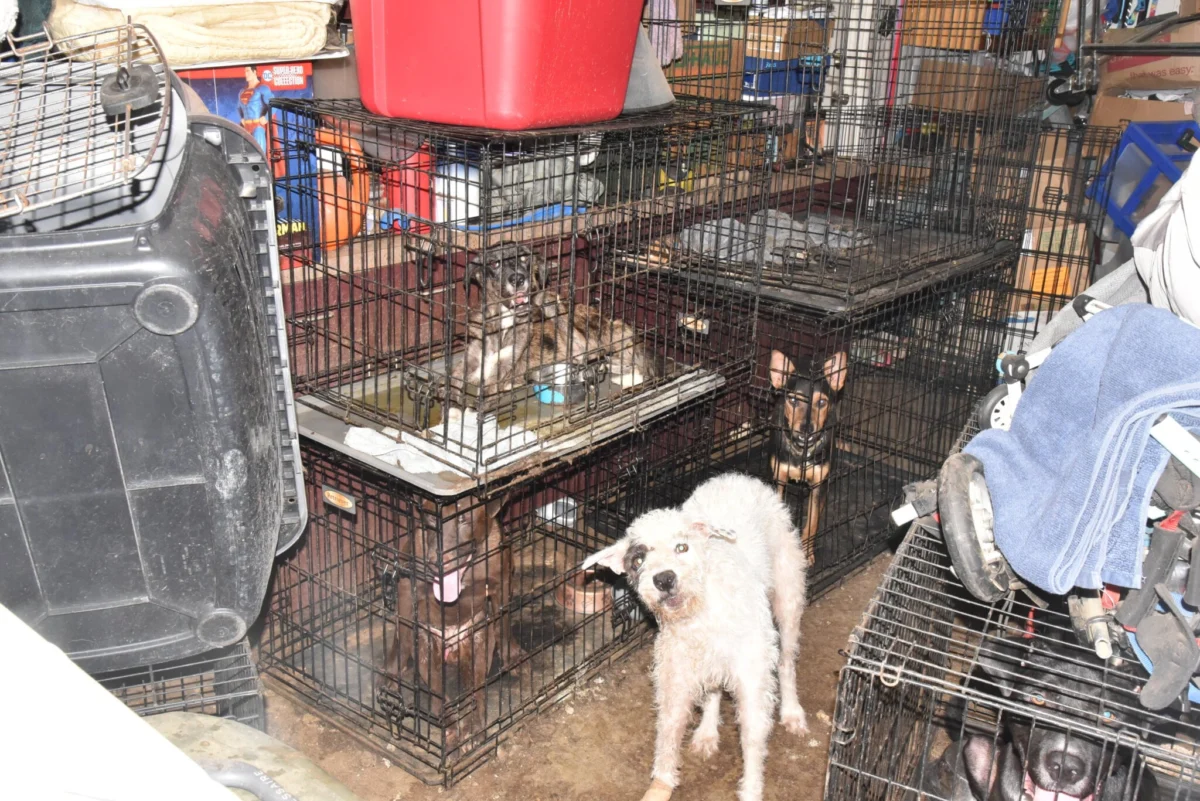
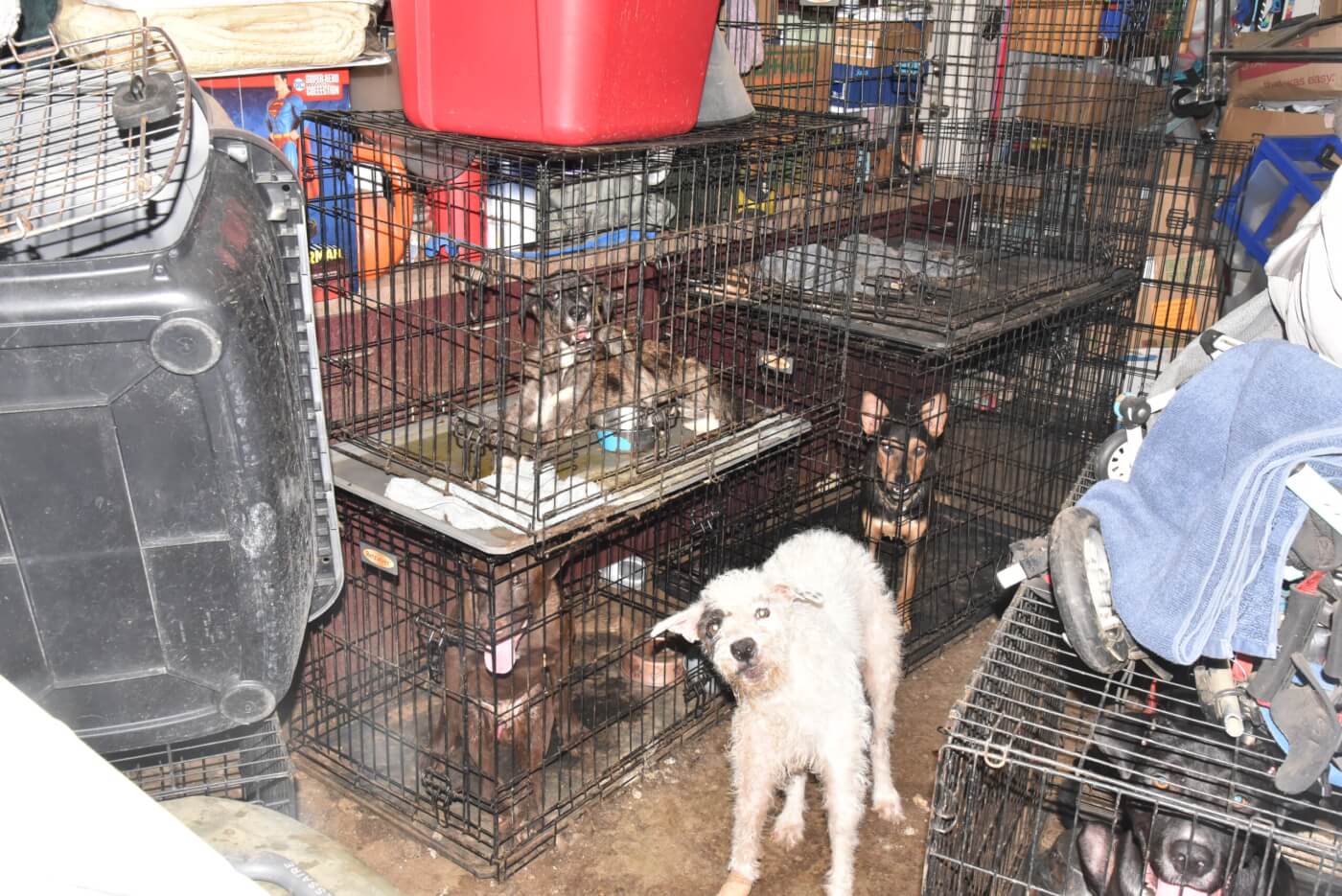
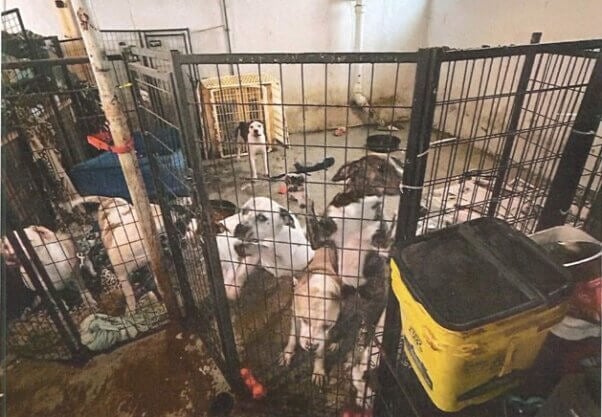
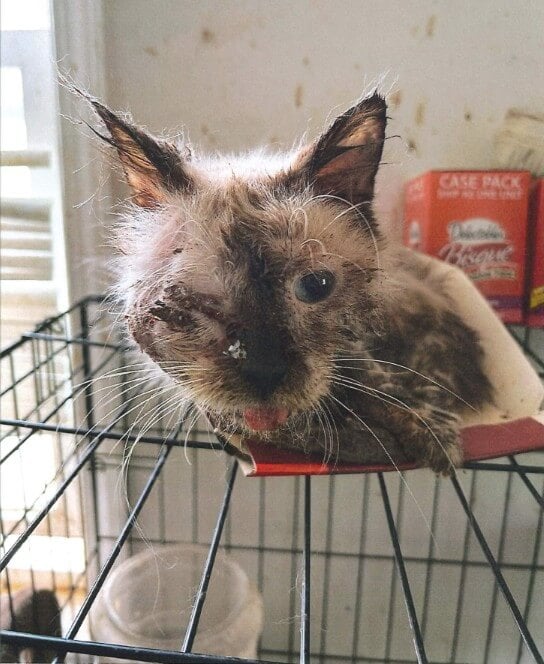
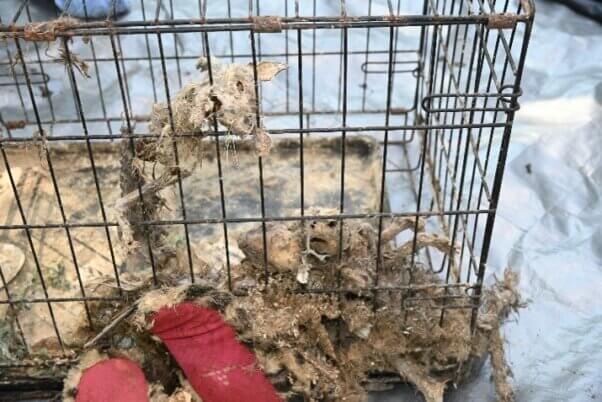
In Pontiac, Michigan, a welfare check at Tri-County Dog Rescue led to the removal of 29 dogs and cats from a residential home. Responders described a "house of horrors" where animals were kept in stacked crates amidst piles of garbage and excrement. Dogs were found trapped in dark basement pens without access to clean water. One cat was discovered with a facial deformity so severe from an untreated tumor that her eye had swollen shut.
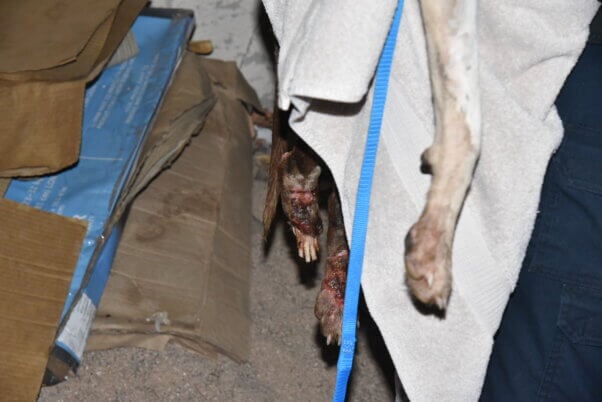
Despite the squalid conditions, this facility had been a frequent partner for Laredo Animal Care Services in Texas, as well as several "no-kill" groups including San Antonio Pets Alive and the Karnes County Humane Organization. These groups shipped animals hundreds of miles to a facility they had never physically inspected, prioritizing the "live release" statistic over the actual welfare of the animals.
Arizona: The Special Needs Animal Welfare League
In Chandler, Arizona, the case of April McLaughlin (who also operated under the alias Sydney McKinley) highlighted the dangers of specialized rescues. McLaughlin focused on "special needs" animals—those with paralysis or chronic illnesses—which allowed her to solicit significant donations from a sympathetic public.
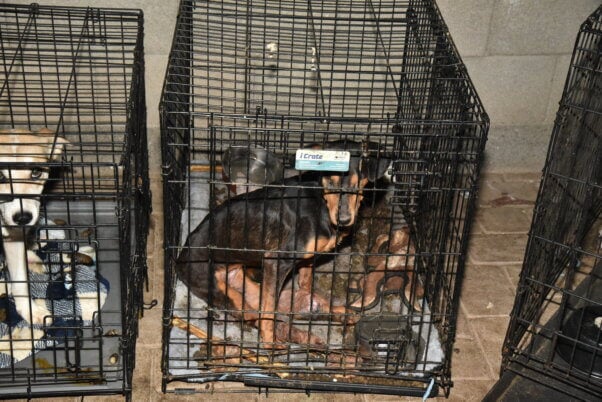
When authorities served a search warrant at her home, the stench of ammonia and decomposition was so potent that responders were required to wear hazmat suits. They found paralyzed dogs dragging themselves through their own waste, resulting in festering sores and infections. Many animals were kept in crates without water. One board member of a Texas-based rescue reported paying McLaughlin $1,500 to take a single dog, believing it would receive specialized care.
In late 2025, a court found McLaughlin guilty of 110 counts of animal neglect and cruelty, as well as fraud. She was sentenced to 3.5 years for the financial crimes and an additional two years for the cruelty charges.
Texas: The Trap-Neuter-Return (TNR) Facade
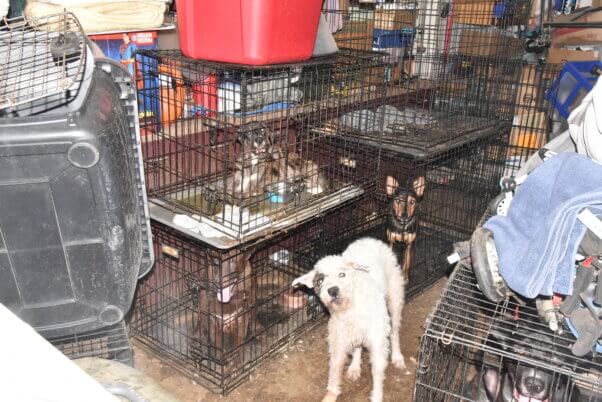
The risks extend to feline populations as well. In Texas, Julia Szebehely was discovered to be running what she described as a Trap-Neuter-Return (TNR) and foster program. However, when authorities entered her property, they found the decomposing remains of approximately 60 animals. Most of the cats were still locked in cages, having starved to death. A reporter at the scene noted that the floor was so thick with skeletal remains that every step produced the audible crunch of bone. Szebehely has since been charged with multiple counts of animal cruelty.
Financial Incentives and Lack of Oversight
The common thread in these cases is a total lack of institutional oversight. In most states, "rescues" are not required to hold the same licenses as municipal shelters. They are often exempt from the inspections that govern pet stores or boarding kennels. As long as they maintain 501(c)(3) non-profit status, they can operate largely in the shadows.
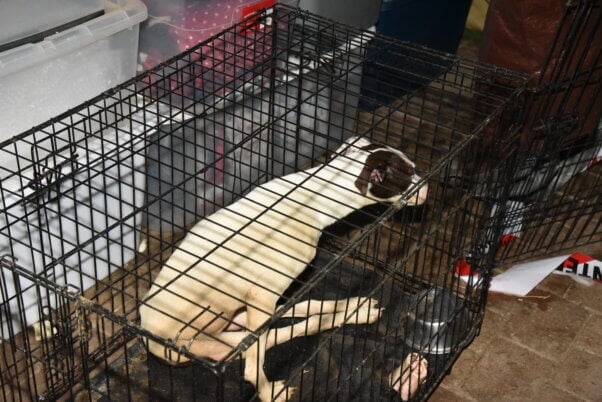
Financially, the system is ripe for exploitation. Municipal shelters, often overcrowded and underfunded, are desperate to move animals out. They offer "pull fees" or "sponsorships" to any rescue willing to take a dog or cat. For a bad actor, this creates a "volume-based" business model: take in as many animals as possible, collect the associated fees and public donations, and then minimize costs by providing zero veterinary care, substandard food, and eventually, lethal neglect or clandestine execution.
The Human and Institutional Toll
The psychological impact of these failures is significant. Shelter workers, who enter the field out of a love for animals, are often traumatized when they learn that the animals they "saved" were actually sent to a worse fate. Furthermore, public trust in the sheltering system is eroded. When taxpayers learn that half a million dollars of their money was paid to a facility that operated a "killing site," the legitimacy of all animal welfare organizations is called into question.
Analysis of Implications and Necessary Reforms
The recurring nature of these scandals suggests that the current model of animal sheltering in the United States is at a breaking point. To address the crisis, animal welfare advocates and legal experts are calling for several key reforms:
- Mandatory Inspections for Rescue Partners: Municipal shelters must be legally barred from transferring animals to any entity that has not undergone a physical inspection and a background check within the last 12 months.
- Transparency in Post-Transfer Outcomes: Shelters should be required to track and publish the "final outcomes" of transferred animals, rather than simply marking them as "live releases" the moment they leave the municipal gate.
- Regulation of Private Rescues: State legislatures must close the loophole that allows private rescues to operate without the same health and safety standards as public shelters.
- Support for Open-Admission Shelters: There is a growing movement to re-evaluate the "no-kill" label in favor of "open-admission" models. Open-admission shelters accept every animal regardless of health, age, or behavior. While this often necessitates higher euthanasia rates, proponents argue it is a more "honest" and humane approach than warehousing animals in hoarding situations or sending them to unregulated "sanctuaries" where they suffer out of public view.
Conclusion
The case of Zora and the hundreds of other victims at Miranda’s Rescue serves as a grim reminder that a "live release" is not synonymous with a "happy ending." As long as the success of a shelter is measured solely by a percentage on a spreadsheet, the most vulnerable animals will remain at risk of being traded like commodities into a system of neglect. True animal welfare requires a shift in focus from the quantity of releases to the quality of care, ensuring that the promise of "rescue" is a reality rather than a deadly facade.

