


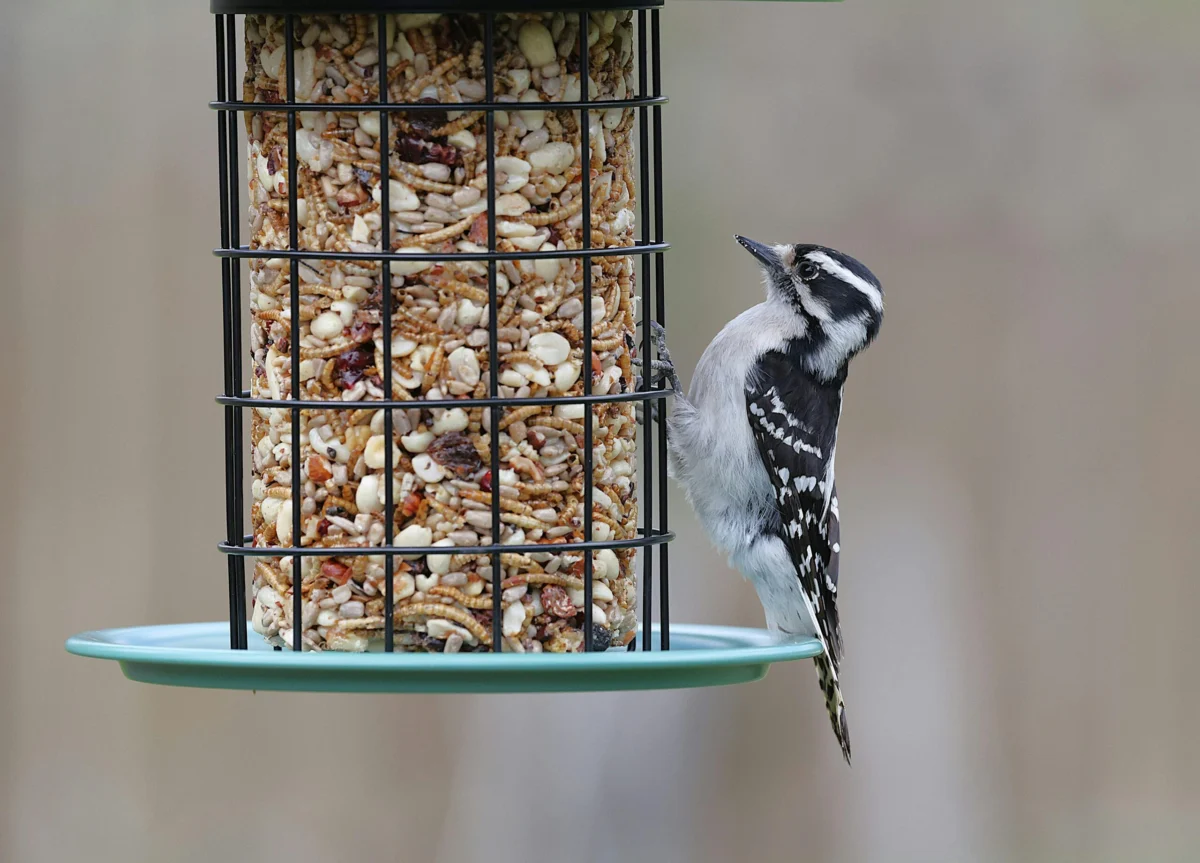
Squirrels, with their remarkable agility and unwavering determination, are often the bane of bird enthusiasts hoping to create a sanctuary for avian visitors. These nimble creatures, known for their acrobatic feats and persistent pursuit of tasty morsels, frequently target bird feeders, drawn by the irresistible allure of birdseed and nuts. While the sight of a squirrel raiding a feeder can be frustrating, it prompts a fascinating question: do birds and squirrels actually coexist peacefully, or is it a constant battle for survival in our backyards?
The simple answer is that birds and squirrels can, and often do, coexist. However, this harmony frequently dissolves when it comes to the shared bounty of bird feeders. Both species possess a strong predilection for birdseed, particularly nutrient-rich options like black oil sunflower seeds, nuts, and suet. This shared culinary preference inevitably leads to competition, and in many backyard ecosystems, squirrels often emerge as the victors in these food-focused skirmishes.
The inherent size difference between most backyard birds and squirrels creates an uneven playing field. Squirrels, being significantly larger and more robust, can easily intimidate smaller birds, effectively driving them away from feeders and claiming the spoils for themselves. This dominance is not merely a matter of size; squirrels are equipped with an impressive arsenal of natural abilities that make them formidable adversaries. They can leap more than ten feet, are expert climbers, and possess remarkable digging skills. Furthermore, their intelligence allows them to learn quickly and adapt their strategies, demonstrating a persistence that often overcomes human-engineered deterrents. In their relentless pursuit of food, squirrels have been known to gnaw and claw through wooden and plastic feeders, demonstrating a destructive ingenuity born from their desire to indulge in their feathered friends’ provisions.
The Squirrel-Feeder Dynamic: More Than Just a Meal
The appeal of high-quality birdseed extends equally to squirrels as it does to birds. This shared attraction is the root cause of many backyard conflicts. While some individuals find squirrels to be charming and entertaining additions to their gardens, many bird watchers view them as unwelcome pests that disrupt the delicate balance of their feeding stations.
Birds, in general, tend to be more accommodating to their own kind, often sharing feeders with various species. Squirrels, on the other hand, exhibit a more voracious appetite and a domineering attitude. Their "all-or-nothing" approach means they will often chase away birds before consuming all available food, leaving feeders completely empty. This not only deprives the birds of their intended sustenance but can also lead to a lack of food availability for nesting birds, as squirrels may also prey on bird eggs or newly hatched chicks, making gardens with abundant squirrel populations less attractive for nesting.
A concerning aspect of squirrel behavior around feeders is their potential for destruction. As noted by observers, squirrels can cause significant damage to bird feeders, rendering them unusable. This persistent damage can be costly for homeowners and a recurring challenge for those dedicated to supporting local bird populations.
Strategies for Protecting Bird Feeders from Squirrel Incursions
The challenge of deterring squirrels from bird feeders is a common one, and various methods have been developed to outsmart these intelligent mammals. The effectiveness of any given strategy often depends on the specific feeder design, the garden layout, and the persistence of the squirrels in the area. Some resourceful individuals have even devised elaborate obstacle courses, turning the squirrels’ quest for food into an engaging, albeit one-sided, game.
Strategic Placement: The First Line of Defense
The most crucial element in squirrel deterrence is the strategic placement of bird feeders. To make it difficult for squirrels to access the feeders, they should be positioned far from any potential launching points. This includes avoiding proximity to porches, gutters, wires, trees, or any structures that squirrels can use to gain a running start or leap onto the feeder.
A recommended approach is to mount bird feeders on smooth metal poles that are at least six feet off the ground. Additionally, it is advisable to prune any bushes or tree branches within a twelve-foot radius of the feeder. This creates a significant barrier, limiting the squirrels’ ability to reach the feeder through jumps or climbs.
Caging and Barriers: Creating a Squirrel-Proof Zone
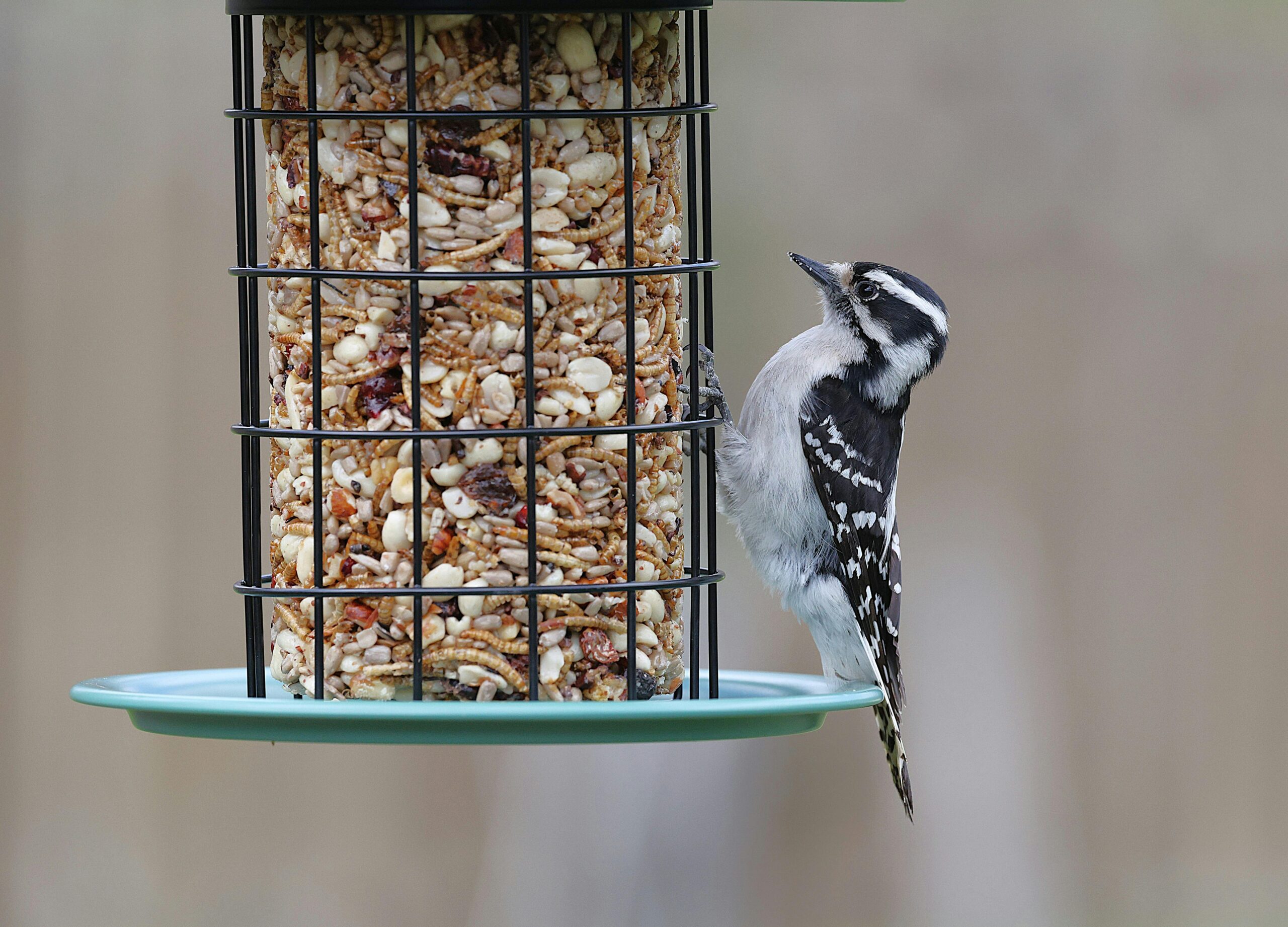
For those with limited outdoor space or feeders that are difficult to relocate, caging the feeder is a viable solution. Wrapping a feeder in chicken wire with small enough openings to exclude squirrels but large enough for birds to access the seed is a common method. This approach also has the added benefit of deterring larger, more aggressive birds like pigeons and starlings, allowing smaller birds a more peaceful feeding experience. Pre-fabricated "squirrel-proof" feeders, often featuring protective cages, are also readily available in pet stores and online.
Specialized Feeder Designs: The Tilting and Spinning Advantage
Innovative feeder designs have emerged to tackle the squirrel problem head-on. Some feeders are engineered to spin or tilt when a squirrel attempts to climb onto them. This sudden instability makes it exceedingly difficult for the squirrel to maintain its footing and reach the food, often resulting in a comical dismount. Observing these feeders in action can provide ample entertainment, akin to an impromptu acrobatic show.
Spinner Systems: Adding an Element of Surprise
Another creative method involves hanging feeders from a thin, horizontal wire. Short pieces of pipe, old sewing thread spools, or even empty soda bottles can be strung along this wire as "spinners." When a squirrel attempts to traverse the wire, these spinners rotate, causing the squirrel to lose its balance and fall off. This method adds an element of unpredictability and challenge to the squirrel’s journey.
Baffles: The Dome of Deterrence
Baffles are dome-shaped guards designed to be placed either above or below a bird feeder, effectively preventing squirrels from reaching the seed. These are typically made from smooth plastic or metal and are available for purchase at most pet supply stores. DIY baffles can also be constructed.
For optimal effectiveness, a baffle should be at least fifteen inches wide and sloped downwards at the sides. This design prevents squirrels from reaching around the baffle. Many baffles are also designed to spin or twirl when a squirrel lands on them, further unsettling the animal and preventing access to the feeder.
Maintaining a Tidy Feeding Area: Denying Ground Access
Cleanliness around the bird feeder is paramount. Regularly clearing any spilled seeds or debris from the ground beneath the feeder is essential. Squirrels are opportunistic scavengers, and discarded seeds can become a tempting ground-level food source, drawing them closer to the feeder itself. Furthermore, spilled seeds can become old, rot, or become contaminated, posing health risks to birds and other wildlife.
Feeder Material and Design: Building for Resilience
The choice of feeder material and design can also play a significant role in deterring squirrels. Feeders constructed from metal or those with exceptionally sturdy designs are more resistant to damage from squirrels’ persistent gnawing and clawing. Some advanced squirrel-proof feeders incorporate weight-activated doors or hatches that automatically close when a heavier animal, like a squirrel, lands on them, while remaining open for lighter birds.
Seed Selection: The Bitter Pill for Squirrels
While squirrels are drawn to a wide variety of birdseed, certain types are less appealing. Nyjer seed and safflower seed, for example, have a bitter taste that squirrels generally avoid. By incorporating these seeds into your bird feeder mix, you can still attract a diverse range of birds while making the offerings less attractive to your furry adversaries.
The Spicy Solution: A Natural Deterrent
Mammals, including squirrels, possess a sensitivity to capsaicin, the compound that gives chili peppers their heat. Birds, however, are immune to this burning sensation. Sprinkling cayenne pepper or other spicy seasonings onto birdseed can effectively deter squirrels without harming the birds. However, it’s important to note that rain can wash away the spice, requiring frequent reapplication. Pre-treated chili seeds or suet are also available from some retailers. When handling cayenne pepper, it’s advisable to wear gloves and avoid inhaling the dust.
Humane Trapping and Relocation: When All Else Fails
For severe squirrel infestations that prove resistant to other deterrents, contacting local wildlife authorities for humane trapping and relocation services may be an option. It is crucial to adhere to local wildlife laws and regulations regarding trapping and relocating animals.
Eliminating Shelter: A Less Obvious Strategy
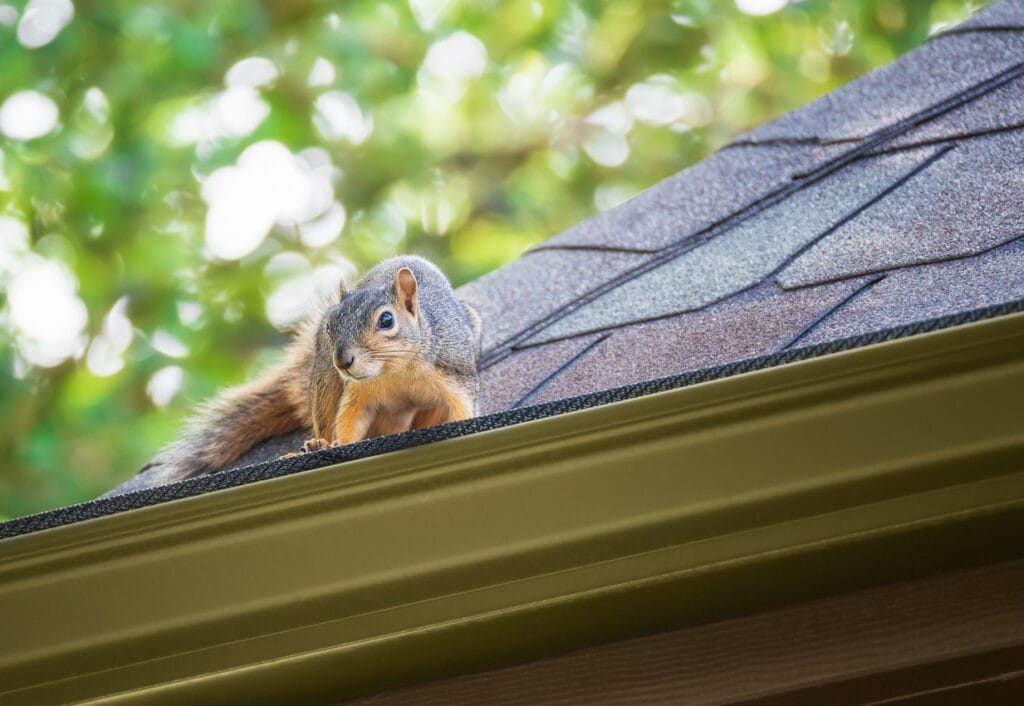
Squirrels are less likely to frequent areas where they lack suitable shelter. Removing potential nesting sites around your home, such as old sheds, attics, or eaves, can encourage them to seek refuge elsewhere, thereby reducing their presence near bird feeders.
What Not to Do: Ethical and Ecological Considerations
While the frustration of dealing with persistent squirrels is understandable, it is imperative to avoid harmful or unethical deterrent methods. Squirrels play an integral role in the ecosystem, and their welfare should be considered.
Poisoning is strictly prohibited and highly dangerous. Poisoned bait not only harms squirrels but can also pose a severe risk to birds, domestic animals, and even larger predators like raptors that may consume poisoned squirrels.
Releasing domestic cats into the garden to hunt squirrels is also ill-advised. Cats are indiscriminate hunters and may also prey on birds and other defenseless wildlife. Similarly, coating feeder poles with oil or grease can be harmful, as birds or other animals that come into contact with these substances can become ill or vulnerable.
Conclusion: Finding Harmony in the Backyard
Ultimately, completely eliminating squirrels from bird feeders can be a challenging, and sometimes impossible, endeavor. If squirrels become a persistent nuisance, temporarily removing feeders for a few days or weeks may encourage them to forage elsewhere, though they will likely return once the feeders are reinstated.
An alternative and often more harmonious approach is to establish a dedicated feeding station for squirrels. Offering them their own readily accessible food sources, such as nuts, corn, and berries, can effectively lure them away from the bird feeders. This strategy ensures that birds can feed without interruption, while squirrels are provided with their own "take-out" option.
Squirrels are a natural and fascinating part of our environment, possessing a unique set of skills and characteristics. They have just as much right to inhabit our gardens as birds, insects, and other creatures. Observing their antics can be as enjoyable as watching a cardinal or a finch. While various methods exist to deter squirrels from bird feeders, occasional visits are an expected part of sharing our outdoor spaces with wildlife. Happy feeding and watching!
FAQ
Do squirrels kill birds?
Squirrels are primarily vegetarians and do not typically hunt birds for food. However, they may harm a bird if they feel threatened. Their predatory behavior is more commonly directed towards bird eggs or unattended nestlings, which they may consume.
Do birds kill squirrels?
Yes, birds of prey such as hawks, falcons, owls, and eagles regularly hunt and consume squirrels. Smaller birds competing for food at a feeder are unlikely to pose a threat to a squirrel.

