


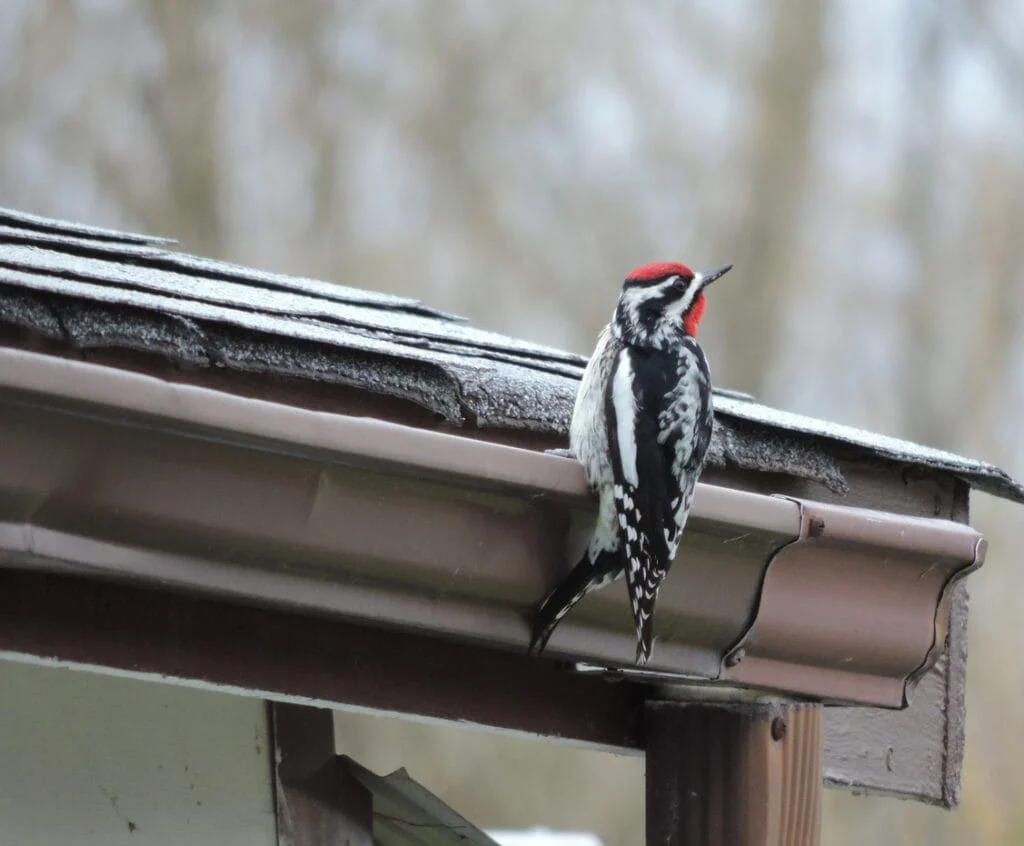
The distinctive drumming of woodpeckers, a sound synonymous with woodlands and forests, is a familiar auditory signature across Minnesota. These remarkable birds, capable of astonishing feats of speed and resilience, play a vital role in their ecosystems. While their rapid head movements, sometimes exceeding 20 pecks per second and speeds of 15 miles per hour, are what often distinguish them, a deeper dive into their lives reveals a fascinating diversity of species within the Gopher State. For residents and visitors alike, understanding these avian architects offers a window into the health and complexity of Minnesota’s natural landscapes. This guide explores the eight woodpecker species that grace the skies and trees of Minnesota, detailing their unique characteristics, habitats, and behaviors.
The Resilient Drummer: Understanding Woodpecker Adaptations
Woodpeckers are a family of birds renowned for their specialized adaptations for arboreal life. Their most striking feature is their ability to peck wood, a behavior that serves multiple purposes: foraging for insects, excavating nest cavities, and communicating through drumming. This requires a suite of physiological marvels. Their skulls are designed to absorb the shock of repeated impacts, with reinforced bones and spongy tissue acting as natural shock absorbers. Their zygodactyl feet, with two toes pointing forward and two backward, provide a strong grip on vertical surfaces, and their stiff tail feathers act as a prop, offering stability while they work. Their long, barbed tongues are adept at extracting insects from deep within wood crevices.

Exploring Minnesota’s Woodpecker Residents
Minnesota, with its vast forests, diverse woodlands, and suburban green spaces, provides a rich tapestry of habitats for a variety of woodpecker species. From the ubiquitous Downy Woodpecker to the striking Pileated Woodpecker, each species contributes to the ecological balance of the region.
1. Downy Woodpecker (Dryobates pubescens)
The Downy Woodpecker is the smallest and perhaps the most commonly encountered woodpecker in Minnesota. Often found in backyards, parks, and woodlands, these diminutive birds are a testament to their adaptability. Weighing less than an ounce, they are smaller than many robins, a size that allows them to forage in areas inaccessible to larger woodpeckers. Their distinctive black and white plumage, with a prominent red patch on the male’s crown, makes them easily recognizable.
Downy Woodpeckers are primarily insectivores, meticulously searching tree bark for ants and other small invertebrates. Their small size allows them to exploit food sources that larger birds might miss. Author notes suggest that this foraging strategy is a key to their success. They often join mixed-species flocks, particularly with chickadees, seeking the safety in numbers. Their call is a series of quick chirps, often accompanied by light drumming, a gentle sound that rarely becomes intrusive. Their presence is a reliable indicator of a healthy, albeit possibly urbanized, woodland environment.
2. Hairy Woodpecker (Dryobates villosus)
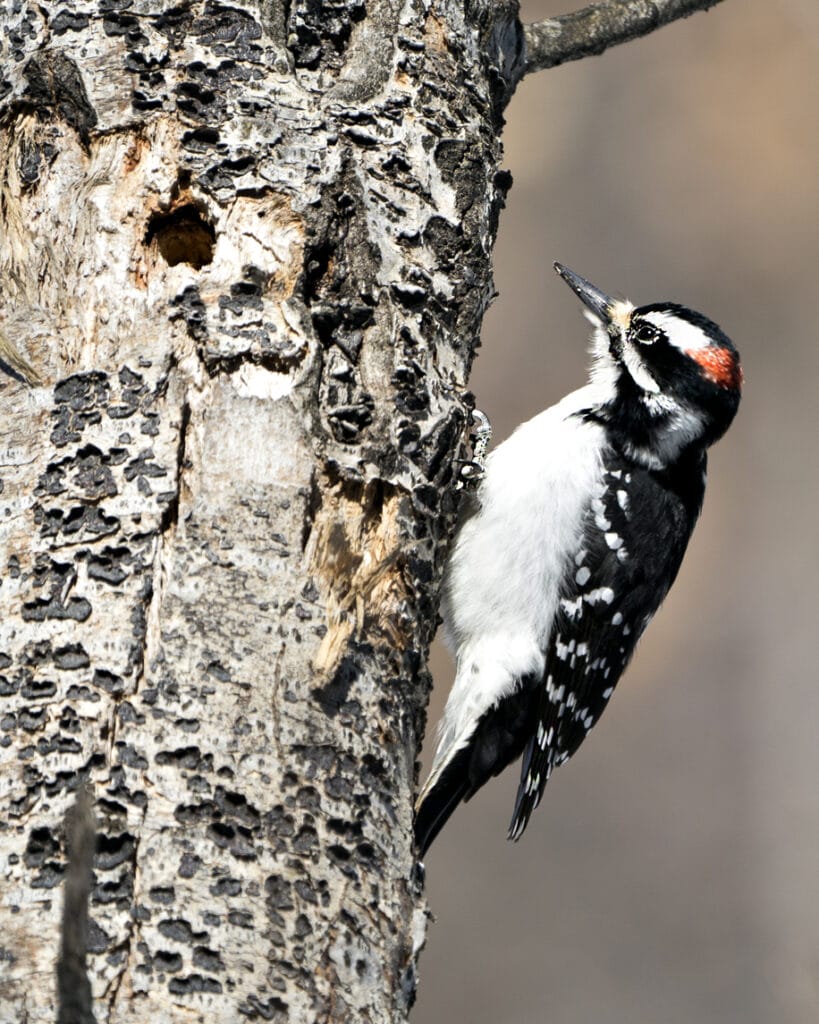
Resembling a larger version of the Downy Woodpecker, the Hairy Woodpecker is a familiar sight year-round in Minnesota. Significantly larger and heavier than their smaller cousins, they share a similar black and white pattern and the characteristic red patch on the male’s head. However, key differences exist. Hairy Woodpeckers possess a noticeably longer and stouter bill, adapted for excavating larger cavities and foraging on larger insects.
These woodpeckers tend to favor larger, mature trees and are more frequently found in less disturbed forests and woodlands, making them less common in densely populated urban areas compared to Downy Woodpeckers. Their drumming is louder and more forceful, reflecting their greater size and strength. Distinguishing between Hairy and Downy Woodpeckers can be challenging, requiring careful observation of bill length, overall size, and subtle differences in their back posture, which is often described as more "soldier-like" in the Hairy Woodpecker. Their calls and drumming patterns are similar to the Downy Woodpecker but amplified.
3. Black-backed Woodpecker (Picoides arcticus)
The Black-backed Woodpecker is a striking species, sharing a similar size with the Hairy Woodpecker but distinguished by its predominantly black plumage. While found in Minnesota year-round, they are more concentrated in the northern regions, often near the Canadian border, favoring cooler climates. Their appearance is characterized by black wings with white patches and a white belly. Males are identifiable by a distinctive yellow patch on their forehead, a feature present in juveniles of both sexes that disappears in adult females.

A unique ecological niche is occupied by the Black-backed Woodpecker, with a strong preference for forests that have recently experienced fires. Their dark coloration provides excellent camouflage against blackened trees, aiding them in hunting wood-boring beetles, their primary food source. They are known for their methodical foraging, drilling test holes to locate insect tunnels. Their calls are notably quiet, consisting of single, spaced-out chirps, a stark contrast to the drumming of many other woodpecker species.
4. Yellow-bellied Sapsucker (Sphyrapicus varius)
The Yellow-bellied Sapsucker is a medium-sized woodpecker, often compared in size to a robin. While they breed in the northern reaches of Minnesota, they are also observed migrating to the southern parts of the state, ensuring their presence for a significant portion of the year. Their plumage is a beautiful mosaic of black and white, with both sexes sporting a red forehead. Males are further distinguished by a bright red throat. The "yellow-bellied" moniker comes from a subtle yellow wash on their chest.
What truly sets this species apart is its unique feeding behavior. Yellow-bellied Sapsuckers drill rows of small, precisely placed holes, known as "sap wells," in tree bark. They then feed on the exuding sap, a vital energy source, particularly during migration. While insects and fruits are also part of their diet, sap is their primary sustenance. This behavior benefits other species as well; hummingbirds, such as the Ruby-throated Hummingbird, often feed on the sap from these wells. Their call is a distinctive, repetitive "pew pew pew," a sound that can be heard for extended periods.

5. Northern Flicker (Colaptes auratus)
The Northern Flicker is a relatively large woodpecker, slightly smaller than a crow, and is a common sight throughout Minnesota year-round. They inhabit a wide range of environments, from woodlands and forests to backyards and parks. Their plumage is a captivating blend of gray adorned with black spots, a prominent red patch on the nape, and a striking black crescent on the chest. Males possess a red cheek patch, while females have a black one.
A distinctive behavior of the Northern Flicker is its ground-foraging habit. Unlike many of their relatives who primarily seek food on tree trunks, flickers are often observed foraging for ants and beetles on the ground. This adaptation has led to them being easily startled by unsuspecting humans. During the mating season, Northern Flickers are among the most rapid drummers. They amplify their courtship efforts by drumming intensely, sometimes on metal objects, to attract mates. This can result in incredibly loud, machine-gun-like drumming that can be heard even in urban settings, demonstrating their remarkable adaptability to human environments. Their calls are a sharp, repetitive "wick-wick-wick."
6. Red-headed Woodpecker (Melanerpes erythrocephalus)
The Red-headed Woodpecker is one of Minnesota’s most visually arresting species, easily identifiable by its striking crimson head. This vibrant coloration, combined with a boldly patterned blue and white body, has earned them the nickname "flying checkerboards." They are most commonly observed during the breeding season, from spring through summer, though they can be found year-round in the southeastern part of the state.

Juvenile Red-headed Woodpeckers have a less dramatic appearance, with dark brown feathers replacing the red crown and blue markings, gradually maturing into their adult colors. As omnivores, their diet is diverse, including fruits, seeds, insects, and occasionally the eggs of other birds. They are bark foragers but will also actively hunt insects in flight. Their call is a loud, harsh sound, often described as a "skow," sometimes followed by softer chirps, making them quite noticeable when present. Their preference for open woodlands with scattered trees and snags makes them particularly susceptible to habitat changes.
7. American Three-toed Woodpecker (Picoides dorsalis)
The American Three-toed Woodpecker is a rare and elusive species in Minnesota and across the United States. Sightings are primarily confined to the northeastern parts of the state, making it a prized find for birdwatchers. The species earns its name from a unique anatomical feature: it possesses only three toes, rather than the typical four found in most woodpeckers. This adaptation allows them to lean back slightly more, reportedly giving their drumming a greater force.
This increased drumming power is utilized to excavate into tree bark in search of beetles and ants. Their appearance is generally drab, characterized by dark plumage with white markings. Their calls are fast and consist of single loud chirps, while juveniles are notably noisier, emitting a continuous stream of chirps until fed. Their scarcity underscores the importance of preserving their specialized boreal forest habitats.
8. Pileated Woodpecker (Dryocopus pileatus)
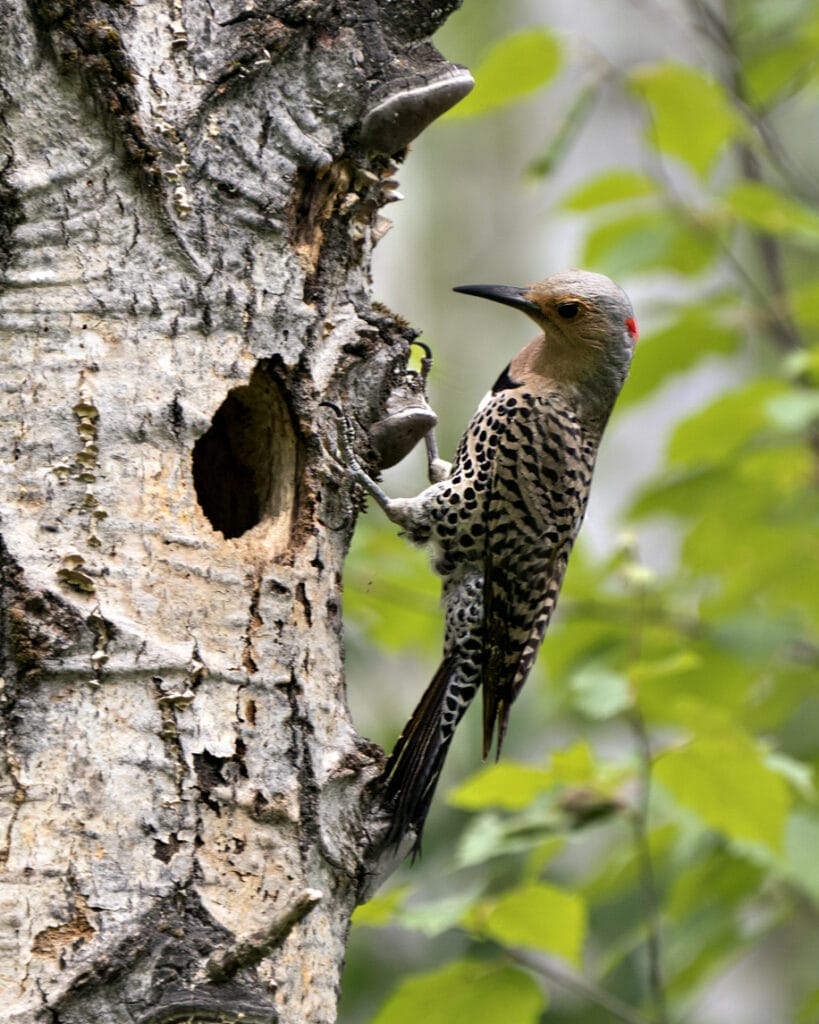
The Pileated Woodpecker is the largest woodpecker species found in Minnesota, rivaling the size of a crow. These magnificent birds are present year-round, favoring woodlands, forests, and backyards equipped with feeders. Their plumage is predominantly black, accented by distinctive white stripes on the neck and crown. The most striking feature is their prominent, fiery red crest, which adds to their imposing presence. Males can be identified by an additional red patch on their cheeks.
While not considered rare, their numbers have seen fluctuations due to historical deforestation. However, their presence is always announced by their distinctive calls, a series of loud "wak wak wak wak" sounds. The speed and volume of these calls can indicate the bird’s level of defensiveness, with faster and louder vocalizations signaling agitation. Their diet consists primarily of insects, particularly carpenter ants, which they excavate from dead trees and snags.
Conservation and Coexistence
Woodpeckers in Minnesota, like many bird species, face challenges related to habitat loss and fragmentation. The decline of mature forests, the removal of dead trees (snags) that provide essential foraging and nesting sites, and pesticide use can all impact their populations. The Northern Flicker’s adaptability to human environments highlights a potential pathway for some species, but specialized habitats are crucial for others like the Black-backed and American Three-toed Woodpeckers.

Bird feeders offering suet and nuts can provide supplementary food sources, particularly during harsh winter months, fostering a closer connection between humans and these avian neighbors. However, it is crucial to maintain a respectful distance and avoid disturbing nesting sites or attempting to capture or domesticate these wild birds. Their resilience is a testament to their evolutionary success, but their continued presence relies on the preservation of their natural habitats and a commitment to coexistence.
Frequently Asked Questions
What is the most common woodpecker in Minnesota?
The Downy Woodpecker and the Northern Flicker are the woodpeckers most commonly observed across Minnesota. Their widespread distribution and adaptability to various habitats contribute to their frequent sightings.
Where can I find out more about local woodpeckers in Minnesota?
For detailed information on woodpecker sightings and distribution in Minnesota, resources like eBird are invaluable. This platform allows users to search for recent sightings of specific species or general bird activity in particular areas, providing real-time data from birdwatchers across the state. Organizations like the Audubon Society and local birding clubs also offer valuable resources and information on Minnesota’s avian populations.

