


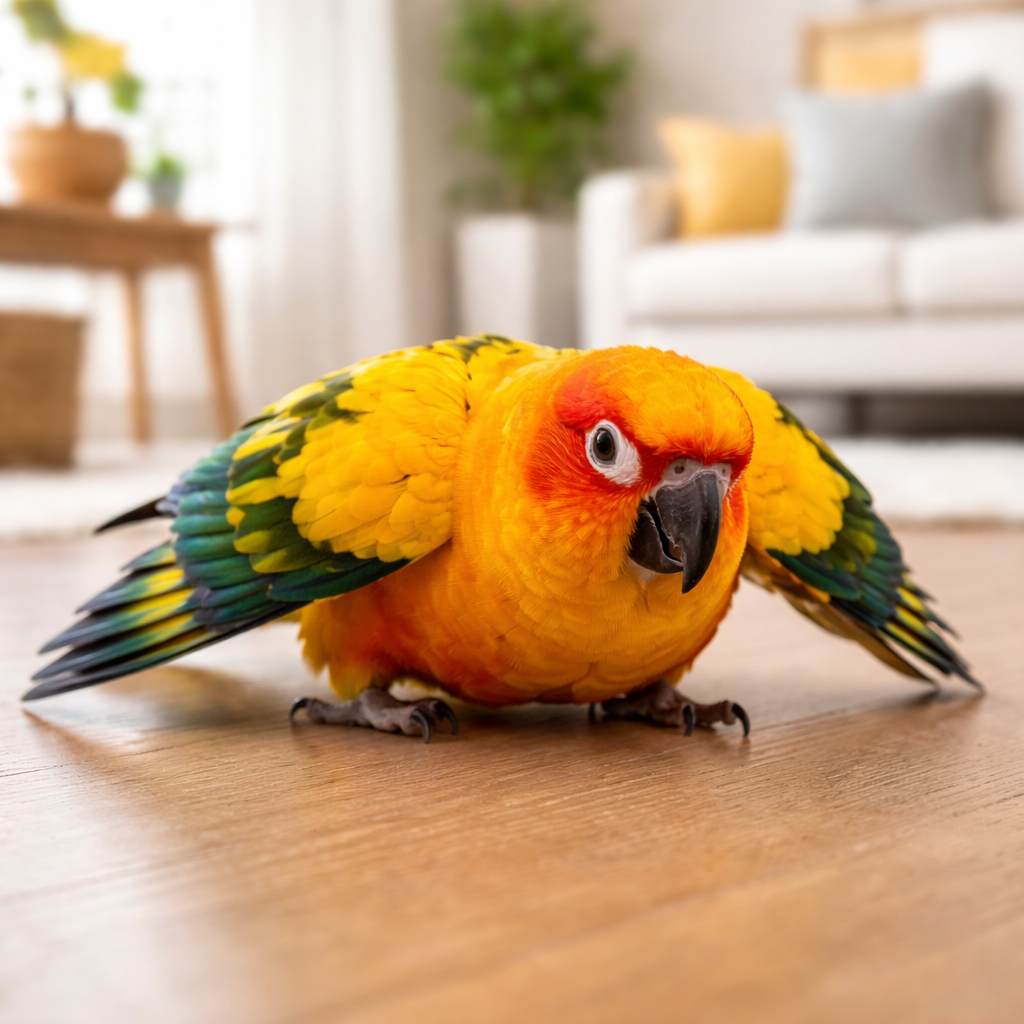
For many pet bird owners, observing their avian companions exhibit behaviors such as persistent cooing, wing flapping, or sudden changes in temperament can be perplexing. Often, these displays, while seemingly "weird," are rooted in normal biological processes: hormonal behavior. Far from being a cause for panic, understanding these natural instincts is crucial for redirecting a bird’s energy constructively, preventing it from escalating into fixation, frustration, or long-term health and behavioral issues. This phenomenon is particularly evident in adult birds, such as an 8-year-old Sun Conure, where such actions are not a temporary phase but a consistent biological response requiring informed management.
The Biological Imperative: Unpacking Avian Hormonal Cycles
Avian hormonal behavior is a complex interplay of internal physiological signals and external environmental cues, driven primarily by the bird’s reproductive system. Key hormones involved include Gonadotropin-Releasing Hormone (GnRH), which stimulates the pituitary gland to release follicle-stimulating hormone (FSH) and luteinizing hormone (LH). These, in turn, regulate the production of sex hormones like estrogen and progesterone in females, and testosterone in males. These hormones dictate a range of reproductive behaviors, from courtship rituals and nest building to territorial defense and parenting.
In their natural habitats, wild birds experience distinct breeding seasons, triggered by predictable environmental factors. Changes in photoperiod (day length), temperature, food availability, and the presence of suitable nesting sites all act as powerful stimuli. For instance, increasing daylight hours in spring signal the start of the breeding season for many species, leading to a surge in hormonal activity. This seasonality allows wild birds to allocate energy towards reproduction only when conditions are optimal, ensuring the best chances of survival for their offspring and themselves.
However, the captive environment often inadvertently creates an "always breeding season" scenario for pet birds. Consistent light cycles (especially artificial lighting extending daylight hours), readily available food (often high in fat and sugar), and perceived nesting opportunities (such as dark corners, cabinets, or even the owner’s hand) can constantly stimulate a bird’s reproductive system. This leads to chronic hormonal activation, a state far removed from the natural ebb and flow experienced by their wild counterparts.
Smaller parrot species, including cockatiels, budgies, and conures, often appear more dramatically hormonal for a significant portion of the year, a perception that is not unfounded. These species are typically lower on the food chain and mature more quickly, often reaching sexual maturity before one year of age. Their evolutionary strategy involves more frequent reproduction to ensure species survival, meaning their bodies are primed to remain in or near breeding mode for extended periods. In contrast, larger, longer-lived parrots like macaws and cockatoos may not reach sexual maturity until they are 7 or 8 years old, and their breeding cycles are often less frequent, leading to fewer chronic hormonal issues in captivity.
Distinguishing Normal Displays from Chronic Conditions
Understanding the difference between occasional, normal hormonal displays and a concerning chronic state is paramount for bird owners.
When it’s Normal:
Occasional hormonal displays are expected in adult parrots, particularly during certain seasons or when exposed to specific triggers. These might include:
- Courtship behaviors: Soft cooing, regurgitation (as a perceived offering), bowing, head bobbing, wing flapping, or dancing.
- Increased vocalization: More frequent or louder calls, especially when seeking attention or a perceived mate.
- Territoriality: Protecting a specific area or object, such as a cage, food bowl, or a favored perch.
- Nest-seeking behaviors: Exploring dark, enclosed spaces.
- Increased bonding with a perceived mate: This often involves the bird seeking constant physical contact with a human, or even a mirror or toy.
These behaviors, when infrequent and not disruptive to the bird’s health or daily life, are generally part of their natural repertoire. Different parrot species reach sexual maturity at varying ages, with smaller species like cockatiels and budgies often becoming hormonal before their first year, while larger parrots such as cockatoos and macaws may not mature until 7-8 years of age.
When Bird Hormones Become a Problem:
Hormonal behavior transitions from normal to problematic when it becomes chronic, intense, or leads to adverse health consequences. Signs that hormonal activity has become concerning include:
- Aggression: Persistent biting, lunging, or screaming, directed at owners, other pets, or even inanimate objects. This can be a significant safety concern.
- Obsessive behaviors: Excessive plucking of feathers (often from the chest or legs), self-mutilation, or extreme fixation on an object, location, or person.
- Chronic egg-laying: Female birds laying clutches repeatedly, sometimes without a break, leading to severe nutritional deficiencies, especially calcium depletion.
- Egg-binding or cloacal prolapse: Life-threatening conditions where a female bird cannot pass an egg or her cloaca protrudes, requiring immediate veterinary intervention.
- Constant regurgitation: Repeatedly bringing up food, often directed at an owner or a toy, which can lead to weight loss, nutritional issues, and discomfort.
- Changes in droppings: Chronic egg-laying can lead to larger, watery droppings due to increased water intake and calcium excretion.
- Lethargy or weakness: Particularly in females experiencing calcium depletion from egg production.
- Increased stress behaviors: Pacing, repetitive movements, or heightened anxiety.
Why Chronic Hormones Matter: The Toll on Avian Health
When a bird remains in a hormonally "switched on" state for extended periods, it takes a significant toll on their physical and psychological well-being. This chronic activation can manifest in various serious health issues:
- For Females: Chronic egg-laying is perhaps the most dangerous consequence. Each egg drains the bird’s body of vital nutrients, particularly calcium, leading to osteoporosis, muscle weakness, and an increased risk of egg-binding. Egg-binding is a medical emergency that can be fatal if not treated promptly. Other reproductive complications include cloacal prolapse, peritonitis (infection of the abdominal cavity), and reproductive organ tumors. The constant strain on their system means their body and nervous system never fully settle, leading to chronic stress and irritability.
- For Males: While males don’t lay eggs, they can suffer from chronic sexual frustration, leading to extreme aggression, territoriality, and obsessive behaviors like regurgitation or masturbation against objects. This constant state of arousal is exhausting and stressful, often manifesting as irritability, fixation, feather destructive behaviors, and a decline in overall well-being.
Clinical findings from experts like Dr. Rob Marshall and Tailai O’Brien in 2026 highlight that reproductive hyperactivity is a primary cause of many health complaints in pet birds. Their research underscores that "acting out" in birds is rarely just a mood but a data point indicating underlying physiological stress. This understanding is critical for owners to move beyond simply labeling a bird as "naughty" and instead address the biological drivers of their behavior.
Proactive Management: Strategies for Redirecting Hormonal Energy
The good news for worried bird owners is that proactive management can effectively redirect hormonal energy, preventing it from spiraling into problematic behaviors. The goal is not to "shut down" a bird’s natural instincts entirely but to provide outlets and environmental conditions that promote calm, independent behavior rather than breeding stimuli.
-
Environmental Adjustments:
- Light Cycles: Mimic natural seasonal changes by ensuring your bird receives 10-12 hours of uninterrupted darkness each night. Covering the cage completely can help. This signals to their body that it’s not breeding season.
- Dietary Review: Reduce foods high in fat and sugar, which can be interpreted as abundant resources signaling good breeding conditions. Focus on a balanced diet rich in fresh vegetables, appropriate pellets, and limited healthy fruits and seeds.
- Remove Nesting Stimuli: Eliminate any perceived nesting sites, such as dark boxes, enclosed spaces (cabinets, drawers), or even certain toys that could be interpreted as a mate or nesting material. If your bird consistently tries to nest in a specific area, block access to it.
- Cage Location: Place the cage in a high-traffic area of the house but ensure it’s not in a dark, secluded corner that might feel like a secure nest site.
-
Behavioral Redirection:
- Actively Reward Independent Behavior: Focus on rewarding your bird when it is engaged in calm, independent activities. This could include chewing on appropriate toys, foraging for food, quietly playing on its perch, or relaxed preening. The more you reinforce these behaviors, the more your bird learns that these actions lead to positive outcomes.
- Give Their Pent-Up Energy a Natural Parrot "Job": Parrots are highly intelligent and need mental and physical stimulation. Provide a variety of destructible toys for chewing and shredding, foraging toys that require problem-solving to access food, and opportunities for climbing and exercise. This channels their energy into species-appropriate activities that are not reproductively driven.
- Modify Interactions: Avoid petting your bird on its back, under its wings, or around the vent area, as these can be sexually stimulating. Limit prolonged cuddling that mimics pair-bonding. Instead, focus on head scratches and interactions that are not overtly affectionate in a way that could be misinterpreted as courtship.
- Training: Engage your bird in positive reinforcement training for basic commands like "step up," "target," or "wave." Training provides mental stimulation, builds a strong bond, and gives the bird a sense of accomplishment, channeling energy into constructive learning.
- Start Where Your Bird Can Succeed: If your bird becomes overstimulated outside the cage, begin these activities inside the cage first. Once they are calmer and more engaged there, gradually introduce them to a play stand or training perch in a more open environment. This builds confidence and reduces anxiety.
Common Pitfalls and Misconceptions for Bird Owners
Understanding what to avoid is as crucial as knowing what to do, as common mistakes can inadvertently exacerbate hormonal issues.
Common Mistakes that Make This Worse:
- Punishing Hormonal Behavior: Yelling, scolding, or physically punishing a bird for hormonal displays (e.g., biting, screaming, regurgitating) is counterproductive. It instills fear, damages the human-animal bond, and does not address the underlying biological drive. It can also increase the bird’s stress and anxiety, potentially leading to more severe behavioral problems like feather plucking or aggression.
- Reinforcing Unwanted Behavior: Accidentally giving attention (even negative attention like yelling) when a bird is screaming or biting can reinforce these behaviors. Birds respond to outcomes, and if an action reliably leads to attention, their brain labels it as successful, even if the human didn’t intend to reinforce it.
- Providing Nesting Opportunities: Offering bird huts, dark enclosed toys, or allowing access to dark, cozy spaces can signal to a bird that it’s an ideal time for breeding, intensifying hormonal drives.
- Over-petting Sensitive Areas: As mentioned, stroking a bird’s back, under its wings, or near the vent can be sexually stimulating and should be avoided.
- Ignoring the Problem: Hoping the behavior will simply "burn itself out" is a common but dangerous mistake. Hormonal energy, if not redirected, often manifests in louder, more persistent, and ultimately more damaging ways.
Also Avoid Assuming:
- "They’ll grow out of it": While some intensity may wax and wane, chronic hormonal issues in adult birds are unlikely to resolve on their own without intervention.
- "It’s just their personality": While individual personalities vary, persistent undesirable behaviors often have a biological or environmental root cause rather than being purely personality traits.
- "They’re being mean" or "They hate me": Birds do not act out of malice. Their behaviors are driven by instinct, fear, frustration, or discomfort. Attributing human emotions to them can lead to misunderstanding and ineffective management.
This matters more than most people realize because hormonal energy doesn’t simply dissipate. If a parrot doesn’t learn where to channel that energy, it will continue to emerge in more pronounced and often destructive ways. Over time, birds can become trapped in a cycle of constant arousal, frustration, and an inability to settle – a state that is profoundly exhausting and detrimental to their welfare. This is precisely where positive reinforcement becomes an incredibly powerful tool. It’s not about "training tricks"; it’s about teaching your bird which behaviors help their body calm down and feel more regulated. Every time you reward quiet play, foraging, chewing on appropriate items, or relaxed preening, you are actively helping their nervous system establish a new, healthier default.
Using Treats Without Making It Worse
Treats are invaluable tools in positive reinforcement, but their application needs to be strategic to avoid reinforcing unwanted behaviors.
Treats Should Immediately Follow Calm Behavior:
Get into the habit of having a selection of your bird’s favorite treats readily accessible, either in your pocket or a small treat pouch. Then, intentionally observe for natural, calm parrot behaviors. The moment you see your bird quietly chewing a toy, foraging in a puzzle, preening calmly, or simply sitting relaxed, immediately offer a treat. This creates a clear association for the bird: "When I do this calm thing, I get a reward."
This Keeps Learning Clear:
- Timing is Everything: The treat must be delivered within 1-3 seconds of the desired behavior for the bird to make the connection.
- Avoid Luring or bribing: Do not use treats to tempt the bird away from an unwanted hormonal display. Instead, wait for a brief moment of calm or redirection, then reward.
- Variety of Treats: Use a range of healthy treats to keep the bird engaged and motivated. Small pieces of nuts, seeds, fresh fruit, or vegetables work well.
By consistently rewarding calm, independent behaviors, you are actively shaping your bird’s emotional regulation and teaching them healthier coping mechanisms for their natural hormonal drives.
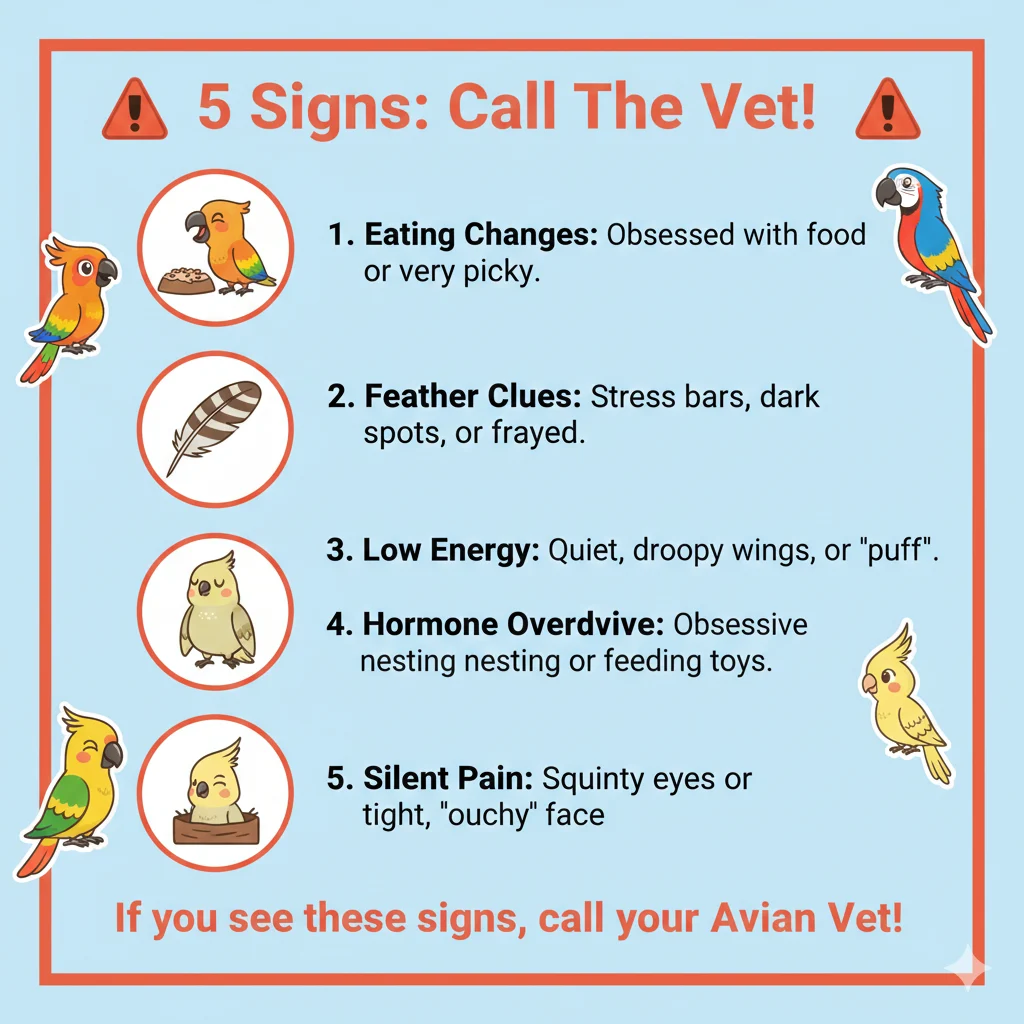
When Do I Stop and Call a Vet?
In the world of bird behavior, "acting out" is rarely just a mood – it is a data point. Based on the 2026 clinical findings of Dr. Rob Marshall and Tailai O’Brien, reproductive hyperactivity is a primary cause of many health complaints in pet birds. Owners must be vigilant in recognizing when a bird’s behavior crosses the "Risk Threshold" from normal antics to a medical priority.
Use this 5-point protocol to determine if your bird’s behavior has crossed the Risk Threshold from "normal parrot antics" to a medical priority:
- Persistent Egg-Laying or Straining: If a female bird is laying eggs repeatedly, or if any bird is straining to defecate, appears uncomfortable around the vent, or shows signs of egg-binding (lethargy, weakness, wide stance), seek immediate veterinary care.
- Sudden Aggression or Self-Mutilation: A dramatic and sustained increase in aggression, particularly biting, or any sign of feather plucking or self-mutilation (picking at skin, feet, or body) warrants a vet visit. These can indicate pain, infection, or severe stress.
- Changes in Appetite, Droppings, or Lethargy: Any significant change in eating habits (anorexia or excessive eating), abnormal droppings (diarrhea, blood, undigested food), or persistent lethargy and weakness are red flags for underlying illness.
- Lumps, Swellings, or Discharge: The appearance of any new lumps, swellings (especially in the abdominal area), or unusual discharge from the nares, eyes, or cloaca requires veterinary assessment.
- Unresponsive to Behavioral Management: If, despite consistent implementation of environmental and behavioral management strategies, your bird’s hormonal behaviors intensify or persist over several weeks, a veterinary consultation is essential to rule out medical causes and explore hormonal suppression options, such as hormone implants or medication, under expert guidance.
Bottom Line
Your bird isn’t being "bad"; their body is in a state of stress that they cannot control. Chronic hormonal behavior rarely resolves on its own and often leads to deeper health issues, impacting both the bird’s quality of life and the owner’s experience. By consistently rewarding calm, independent behavior and diligently removing the environmental triggers that "feed" the hormonal display, you empower your bird to settle into a lifestyle that is healthier for their body and much more livable for you. Proactive, informed management based on understanding their biological needs is the cornerstone of fostering a harmonious and healthy relationship with your avian companion. This approach not only alleviates immediate behavioral challenges but also safeguards your bird’s long-term health, preventing the cascade of physical and psychological ailments associated with chronic reproductive hyperactivity.

