


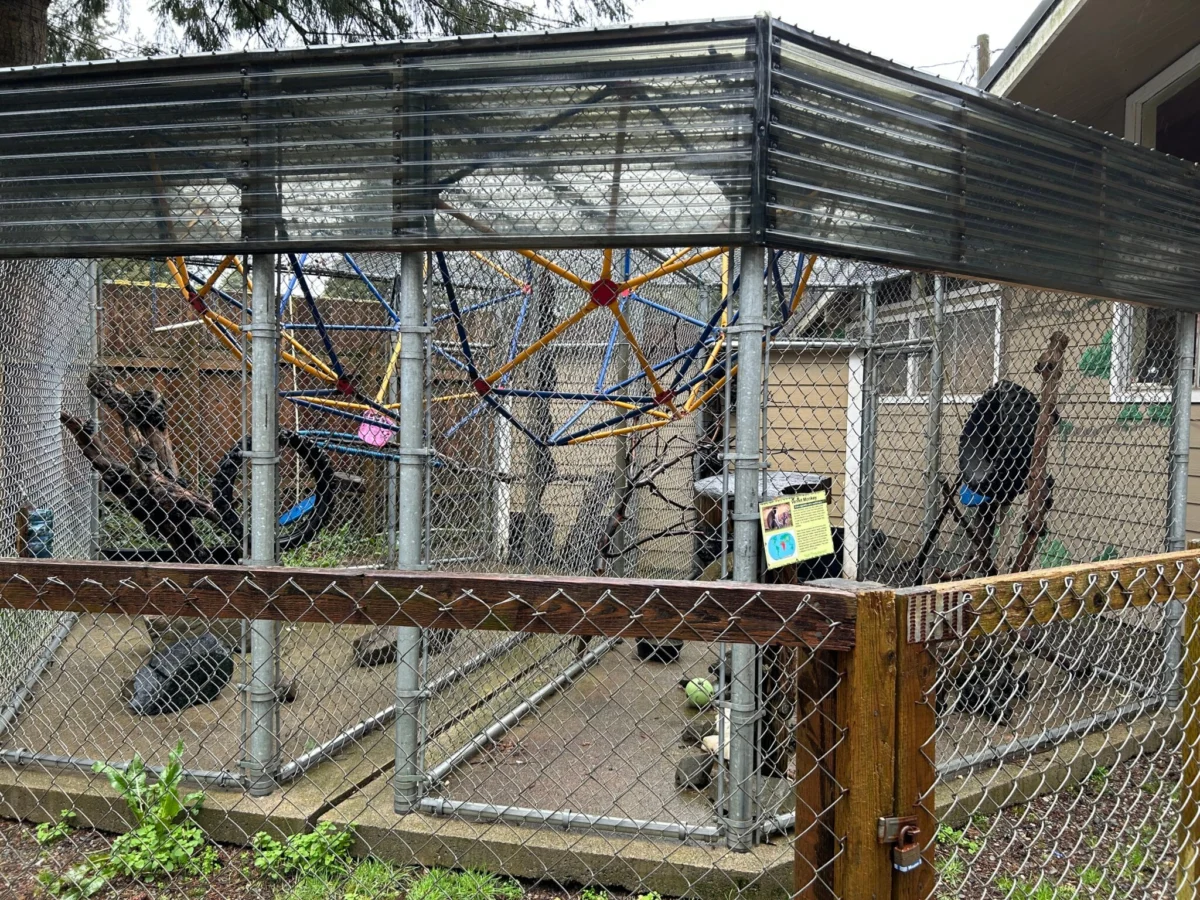
The transition from a life of confinement to one of relative freedom is often a slow and arduous process, but for five primates formerly held at the West Coast Game Park Safari in Oregon, that journey has reached a triumphant milestone. A little over a year after being rescued from what investigators described as "dismal and decrepit" conditions, three baboons—Zeus, Calliope, and Monet—and two vervet monkeys—Bear and Blue—are now thriving at the Born Free USA Primate Sanctuary in Texas. Their relocation marks the culmination of a massive law enforcement operation and a complex legal battle that has set new precedents for animal welfare enforcement in the Pacific Northwest.
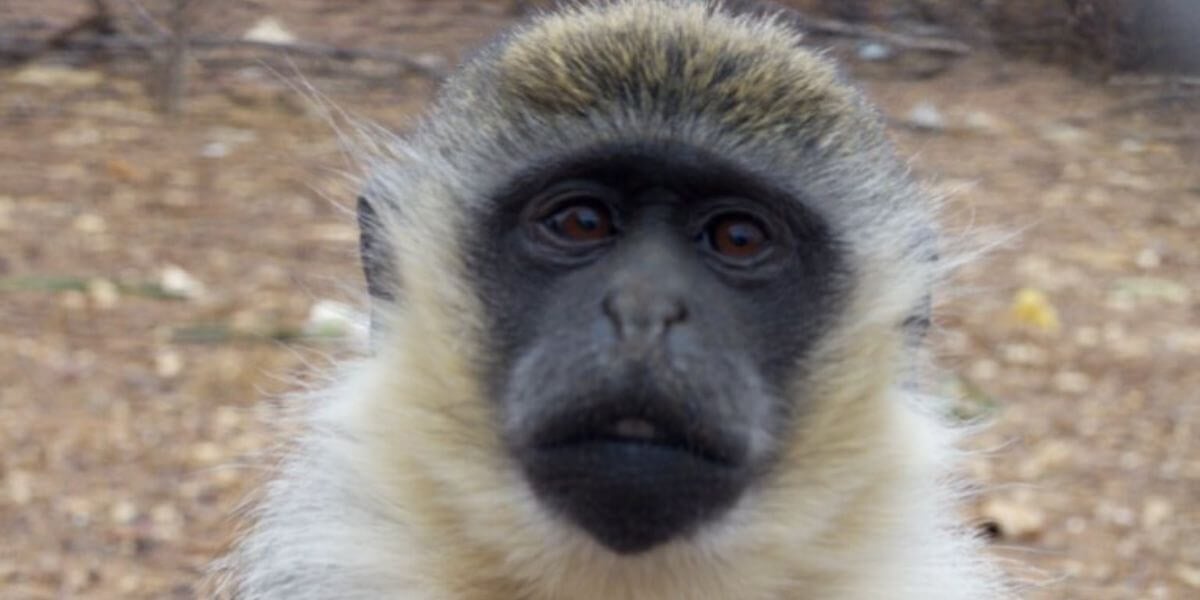
For years, these five individuals were symbols of the systemic failures inherent in the roadside zoo industry. Their story, however, has shifted from one of neglect to one of recovery, highlighting the critical role of investigative advocacy and the specialized care provided by accredited sanctuaries.
A New Chapter at Born Free USA
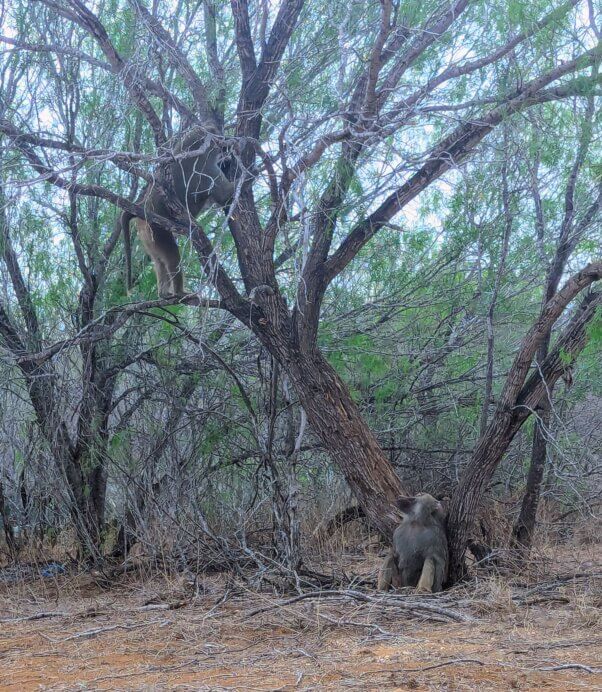
The Born Free USA Primate Sanctuary, located on 175 acres in Dilley, Texas, provides a stark contrast to the environments the monkeys previously inhabited. As an organization accredited by the Global Federation of Animal Sanctuaries (GFAS), Born Free USA adheres to rigorous standards of care that prioritize the physical, psychological, and social well-being of its residents. For Zeus, Calliope, Monet, Bear, and Blue, this means access to expansive, naturalistic habitats that encourage species-typical behaviors such as foraging, grooming, and social hierarchy development.
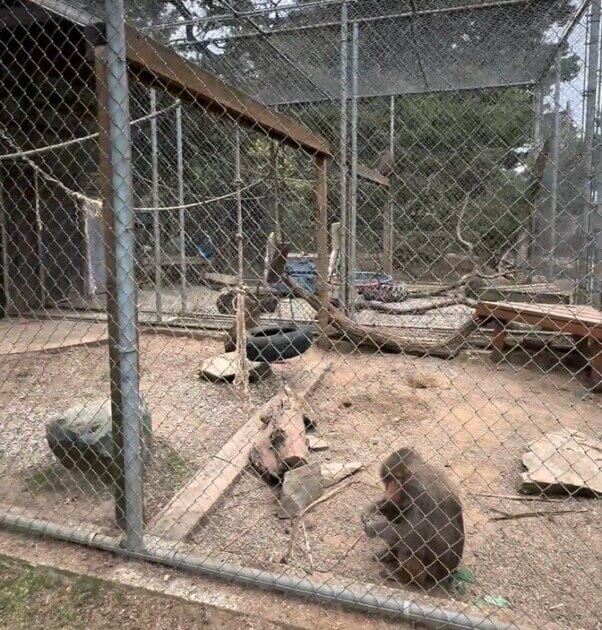
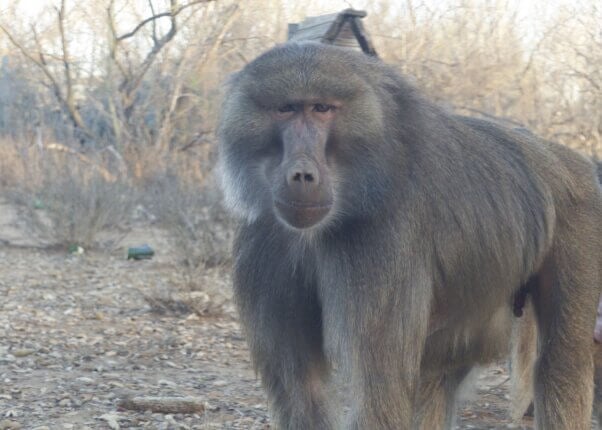
Zeus, a male baboon, has transitioned into a leadership role within his new social group. Sanctuary staff describe him as a "calm and steady" presence, a significant change from the lethargy often observed in primates confined to small spaces. He now oversees a troop that includes other baboons rescued from similar circumstances in Iowa, illustrating the sanctuary’s commitment to social integration.
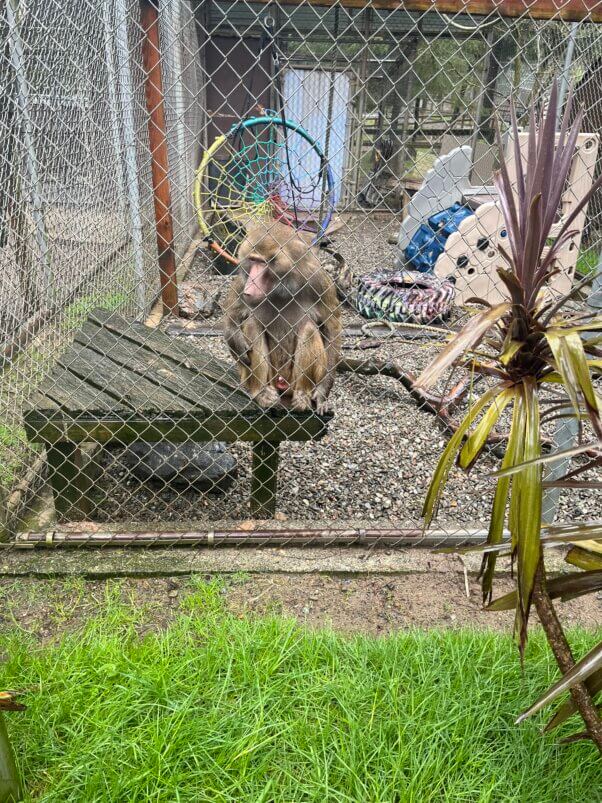
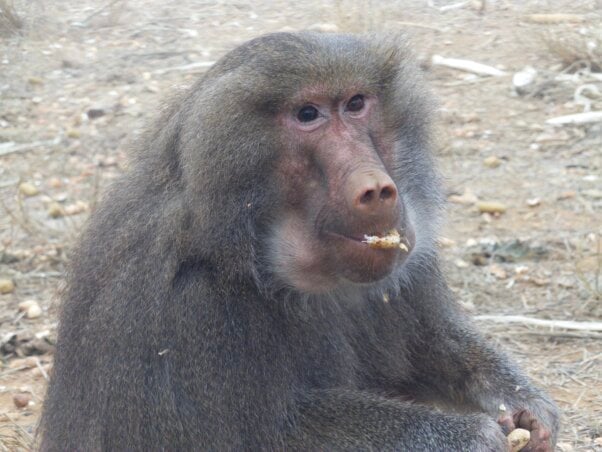
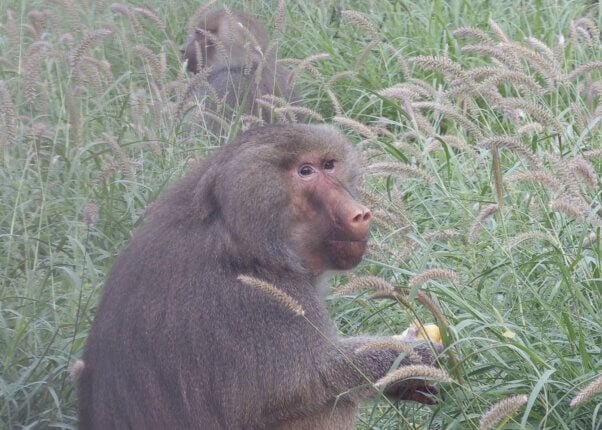
Calliope, a female baboon, is frequently observed engaging in natural foraging behaviors. In her previous environment, diet was often restricted and enrichment was non-existent. Today, she is often seen with her cheeks full of fresh produce, navigating open fields rather than pacing against chain-link fences. Similarly, Monet has formed a deep bond with an older male named Marlin. The two have become inseparable, spending their days climbing trees and grooming one another—a vital social activity for baboons that was nearly impossible in the cramped quarters of the Oregon facility.
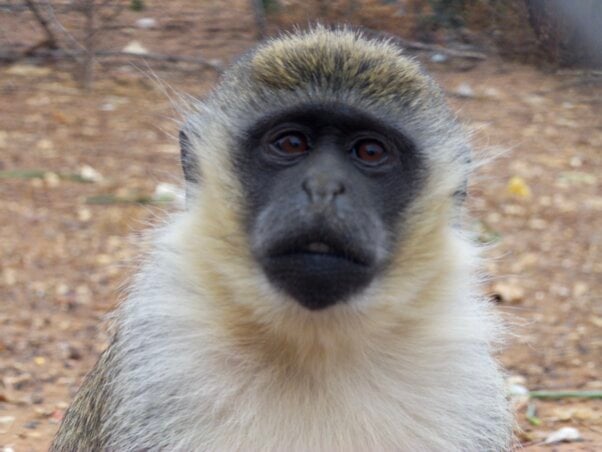
The vervet monkeys, Bear and Blue, have shown similar resilience. Bear, noted for her curiosity, was quick to join a larger group of rescued vervets. Blue, who was initially characterized as shy and withdrawn, has since "blossomed into a social butterfly," according to sanctuary reports. Their recovery underscores a fundamental biological truth: primates are highly intelligent, social animals that require complexity and agency to maintain mental health.
The Chronology of Neglect and Intervention
The path to the Born Free USA sanctuary began in 2024, when another roadside zoo, facing its own closure, transferred the five monkeys to the West Coast Game Park Safari in Oregon. Rather than finding a better life, the animals were placed in environments that animal welfare experts deemed wholly inadequate. Photos taken in early 2025 revealed the baboons sitting in small pens with gravel floors, while the vervets were housed in cramped cages with concrete flooring. These surfaces are known to cause joint issues and psychological distress in primates, who naturally seek varied terrain and vertical space.
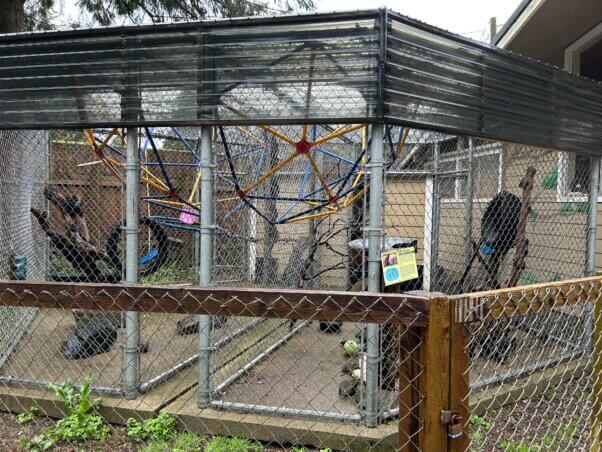
The turning point occurred in May 2025. Following a detailed investigation and a formal alert from People for the Ethical Treatment of Animals (PETA), Oregon law enforcement officials executed multiple search warrants at the West Coast Game Park Safari. The findings were harrowing: animals were found to be malnourished, living in filth, and suffering from a lack of basic veterinary care.
The resulting confiscation was one of the largest in Oregon’s history. Officials removed a total of 322 animals from the property. The logistics of such an operation required coordination between state authorities, local law enforcement, and animal welfare organizations to ensure that every animal—ranging from primates to exotic cats—was safely transported to reputable facilities capable of providing long-term care.
Legal Accountability and the 2026 Guilty Plea
The rescue was only the first phase of the intervention; the second phase took place in the courtroom. In April 2026, the owner of the now-defunct West Coast Game Park Safari pleaded guilty to 47 criminal charges. These included 43 counts of animal neglect, specifically related to the failure to provide the minimum standards of care required under state law.
The legal proceedings shed light on the financial and ethical mismanagement of the safari. Prosecutors have recommended a sentence of 7.5 years in prison, reflecting the severity and scale of the neglect. Furthermore, the prosecution is seeking full restitution to cover the substantial costs incurred by the state and non-profit organizations for the care and housing of the 322 seized animals from the moment of their confiscation until their formal surrender.
This case is being watched closely by legal experts and animal advocates alike. A sentence of seven-and-a-half years would represent a significant landmark in animal welfare litigation, signaling that the neglect of captive wildlife will be met with serious criminal penalties rather than just administrative fines.
Analyzing the Impact of Roadside Zoos
The story of the "Oregon Five" is a microcosm of a larger issue within the United States: the prevalence of unaccredited roadside zoos. Unlike facilities accredited by the Association of Zoos and Aquariums (AZA) or GFAS, roadside zoos often operate with minimal oversight. These establishments frequently prioritize profit and human entertainment over the biological needs of the animals.
Experts point out that the "dumping" of animals from one closing facility to another—as happened to Zeus and his companions in 2024—is a common practice in the industry. This cycle often leaves animals in a state of perpetual instability, moving from one inadequate enclosure to another until they eventually succumb to poor health or are rescued by authorities.
The rescue of 322 animals from the West Coast Game Park Safari highlights the necessity of robust state laws and the importance of public vigilance. In many jurisdictions, the "minimum standards of care" are set so low that facilities can operate for years despite clear signs of animal distress. The Oregon intervention suggests a shift toward more proactive enforcement, where evidence of psychological suffering and environmental inadequacy is given weight alongside physical injury.
Supporting Data and Institutional Roles
The success of this rescue operation was dependent on the collaboration of several key entities:
- PETA: Provided the initial evidence and advocacy that prompted state intervention. Their role in facilitating the transfer of the primates to Born Free USA was instrumental in ensuring the animals did not end up in another substandard facility.
- Oregon Law Enforcement: Executed the warrants and managed the complex scene of the seizure, demonstrating a commitment to enforcing animal cruelty statutes.
- Born Free USA: Provided the specialized, lifelong sanctuary care needed for primates who cannot be released into the wild. Their 175-acre facility is one of the largest of its kind in the United States.
- GFAS: The accrediting body that ensures sanctuaries like Born Free USA maintain the highest possible standards, distinguishing them from the roadside zoos they replace.
Broader Implications for Animal Welfare
As Zeus, Calliope, Monet, Bear, and Blue settle into their permanent home in Texas, their legacy extends beyond their own recovery. Their case serves as a powerful argument for the "Big Cat Public Safety Act" model being applied to other species, including primates. Such legislation aims to phase out the private ownership and commercial exploitation of dangerous and intelligent wild animals.
The 2026 guilty plea of the West Coast Game Park Safari owner also provides a roadmap for future prosecutions. By focusing on the "totality of circumstances"—including the lack of social enrichment and the use of concrete and gravel flooring—prosecutors were able to build a comprehensive case for neglect that went beyond simple starvation.
The five monkeys now living at Born Free USA are no longer "exhibits" for human amusement; they are individuals with the freedom to choose their companions, their food, and their daily activities. While the scars of their past confinement may never fully disappear, their current lives in the Texas sun offer a glimpse of what is possible when law enforcement, advocacy groups, and accredited sanctuaries work in concert to end the cycle of roadside zoo neglect. The message from Oregon is clear: the era of the concrete cage is coming to an end, and accountability is finally being served.

