


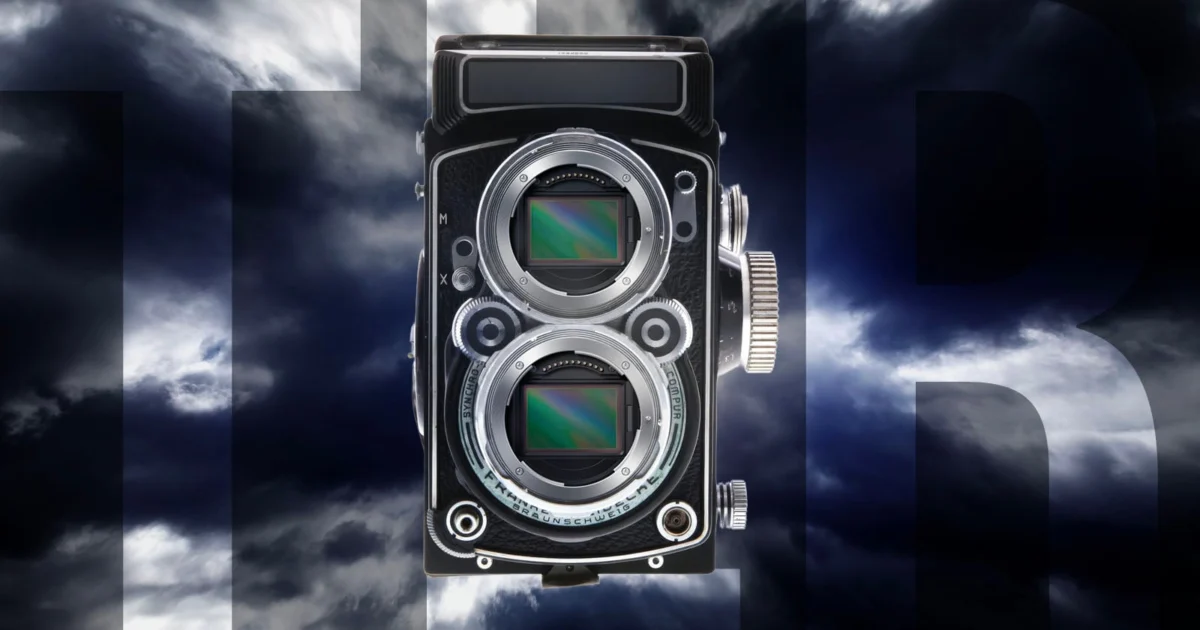
The evolution of digital photography has largely focused on the refinement of the Single-Lens Reflex (SLR) and, more recently, the mirrorless interchangeable lens camera (MILC). While these advancements have yielded unprecedented image quality and autofocus performance, a significant segment of the photographic community argues that the industry has neglected the intrinsic value of the "shooting experience." Among the most iconic yet abandoned designs is the Twin-Lens Reflex (TLR) camera, a format that defined mid-century photojournalism and street photography. As the market for retro-styled digital cameras continues to expand, the absence of a professional-grade digital TLR represents a notable gap in the modern imaging landscape.
The Historical Significance of the TLR Design
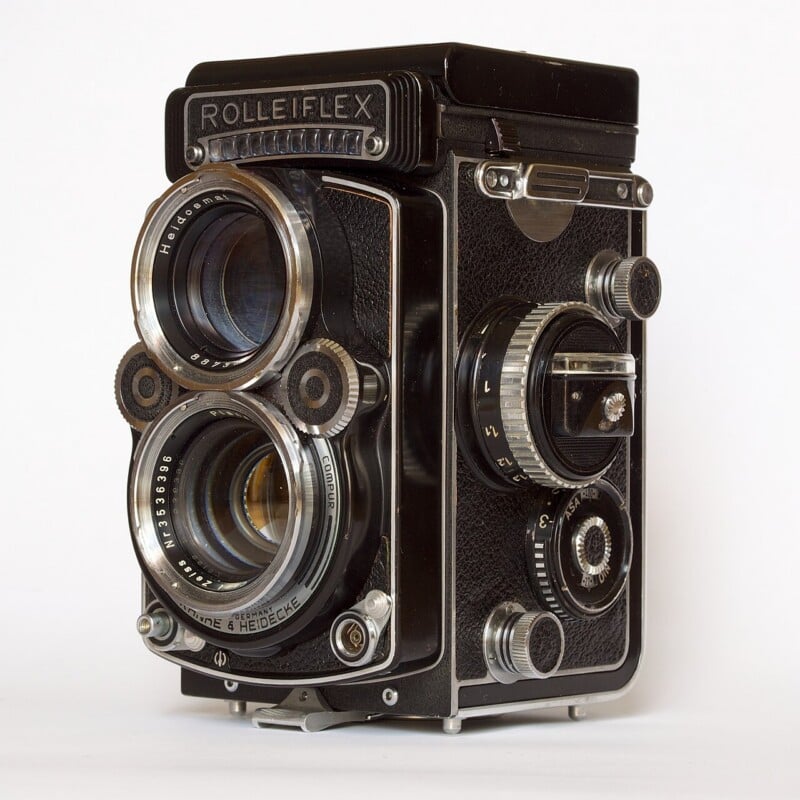
The Twin-Lens Reflex camera reached its zenith between the 1930s and 1960s, pioneered most famously by the German manufacturer Franke & Heidecke with the Rolleiflex line. The design is characterized by two lenses of identical focal length: the upper "viewing" lens and the lower "taking" lens. A fixed 45-degree mirror reflects the image from the viewing lens onto a horizontal ground-glass screen at the top of the camera, protected by a folding waist-level hood.
This configuration offered several distinct advantages over contemporary designs. Unlike the rangefinders of the era, the TLR allowed the photographer to compose and focus on a large, bright screen that showed the exact depth of field. Unlike the early SLRs, the TLR had no reciprocating mirror that would "black out" the viewfinder at the moment of exposure. Furthermore, the use of a leaf shutter within the lens meant the cameras were nearly silent and could sync with flash at all shutter speeds, making them favorites for wedding and studio photographers.
However, as 35mm film gained dominance and SLR technology integrated pentaprisms for eye-level viewing, the TLR began to fade. The inherent parallax error—the slight difference between what the viewing lens sees and what the taking lens captures at close distances—and the bulky, square form factor led many manufacturers to phase out the design by the late 20th century.
The Current State of the "Digital TLR" Market
In the digital era, the TLR form factor has been relegated to the status of a novelty or "toy" camera. Products such as the Minox DCC or the more recent Chuzhao TLR mimic the aesthetic of a vintage Rolleiflex but fail to replicate the mechanical or optical integrity of the original. These devices typically utilize a single, small-format mobile sensor behind the bottom lens, while the top "lens" is a decorative element or a low-resolution digital screen.
Industry analysts categorize these devices as "lifestyle accessories" rather than photographic tools. They often feature fixed-focus lenses, poor dynamic range, and lack manual controls, leading to their reputation as "e-waste." Despite their technical shortcomings, the persistent interest in these products suggests a latent demand for the TLR experience. The success of the Fujifilm X-series and the Nikon Zf—cameras that prioritize tactile, analog-style dials—demonstrates that modern photographers are increasingly seeking hardware that provides a sensory connection to the process of image-making.
A Technical Proposal for a Legitimate Digital TLR
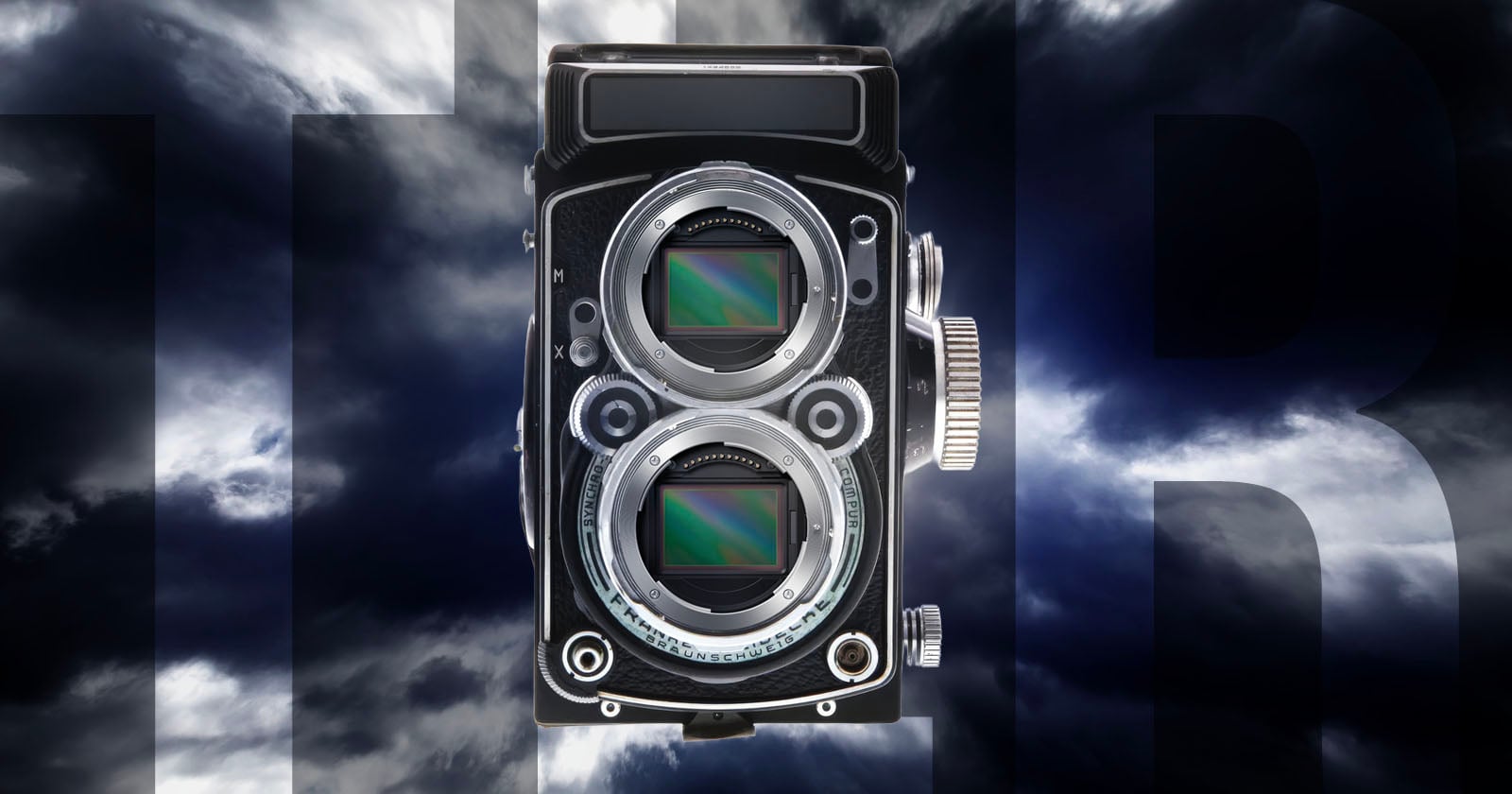
To transition the TLR from a novelty to a professional tool, a fundamental redesign of the digital imaging pipeline is required. A true digital TLR would necessitate a dual-sensor and dual-lens architecture to maintain the integrity of the original experience while leveraging modern advantages.
Dual-Sensor Integration
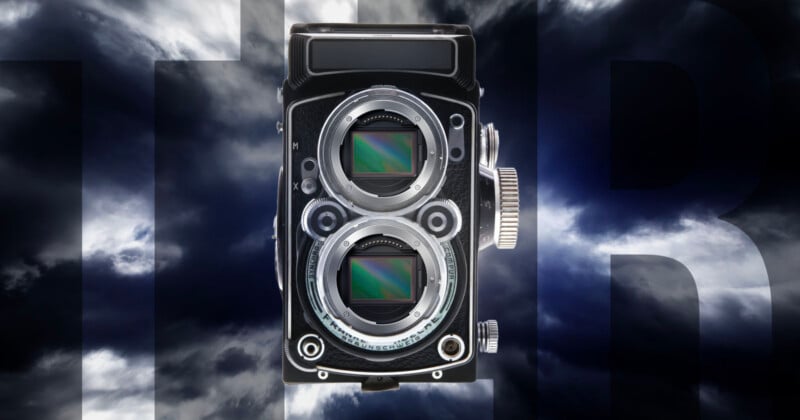
A sophisticated digital TLR could employ two identical sensors—potentially in the APS-C or Full-Frame format. The upper sensor would provide a high-resolution, low-latency feed to a top-mounted square LCD or OLED panel, replicating the waist-level viewing experience. The lower sensor would be dedicated to capturing the final image. By utilizing two sensors, the camera could eliminate the need for a physical mirror and ground glass, reducing weight and mechanical complexity while preserving the "look down" ergonomics that many street photographers find more discreet and less confrontational than eye-level shooting.
Multi-Focal Length Versatility
One of the historical limitations of the TLR was the fixed focal length, with rare exceptions like the Mamiya C-series which featured interchangeable lens sets. A digital version could innovate by using two different focal lengths—for example, a 35mm equivalent and a 50mm equivalent. The internal software could allow the photographer to toggle between the two sensors for the "taking" lens, effectively providing a dual-prime camera in a single body.
Square Format Optimization
While most modern sensors are rectangular (3:2 or 4:3), the TLR is inextricably linked to the 1:1 square format of 120mm film. A digital TLR could feature native square-crop modes or even specialized square sensors, appealing to the aesthetic popularized by medium-format photography and social media platforms like Instagram.
The Resurgence of Tactile Photography: Market Context
The demand for a digital TLR is supported by broader trends in the imaging industry. According to data from various market research firms, the "premium compact" and "retro-styled" segments have shown resilience even as the overall camera market contracted due to smartphone competition.
- The Fujifilm Factor: The Fujifilm X100 series, specifically the X100V and X100VI, has seen unprecedented demand, often leading to backorders lasting several months. This success is attributed not just to image quality, but to the "hybrid" viewfinder and the tactile experience of the hardware.
- The Analog Revival: Film photography has seen a massive resurgence among Gen Z and Millennial demographics. Prices for vintage Rolleiflex 2.8F models have doubled in the secondary market over the last five years, indicating that the TLR aesthetic and workflow are highly coveted by a new generation of creators.
- The Pentax Project: Ricoh Imaging’s "Pentax Film Camera Project," which recently resulted in the release of the Pentax 17 (a half-frame film camera), proves that manufacturers are willing to take risks on niche, experience-focused hardware if there is a vocal community supporting it.
Economic and Manufacturing Challenges
Developing a professional digital TLR is not without significant financial and engineering risks. The primary hurdle is the cost of production. A camera featuring two high-quality sensors and two sets of prime optics would inherently be more expensive than a standard mirrorless camera.
"You are essentially building two cameras in one housing," notes industry analyst Thomas Miller. "The image signal processor (ISP) would need to handle two simultaneous data streams without overheating or draining the battery excessively. From a manufacturing standpoint, aligning two lenses to ensure focus parity is a precision task that adds to the R&D budget."
However, proponents argue that the "luxury" or "boutique" camera market—currently dominated by Leica—proves that photographers are willing to pay a premium for unique mechanical designs. A digital TLR priced between $2,500 and $4,000 could find a sustainable niche among enthusiasts, street photographers, and portraitists who value the waist-level perspective.
Implications for the Future of Street Photography
The reintroduction of a waist-level digital camera could have a profound impact on the ethics and aesthetics of street photography. The act of bringing a camera to one’s eye creates a physical barrier between the photographer and the subject, often signaling an "intrusion" that can alter the scene.
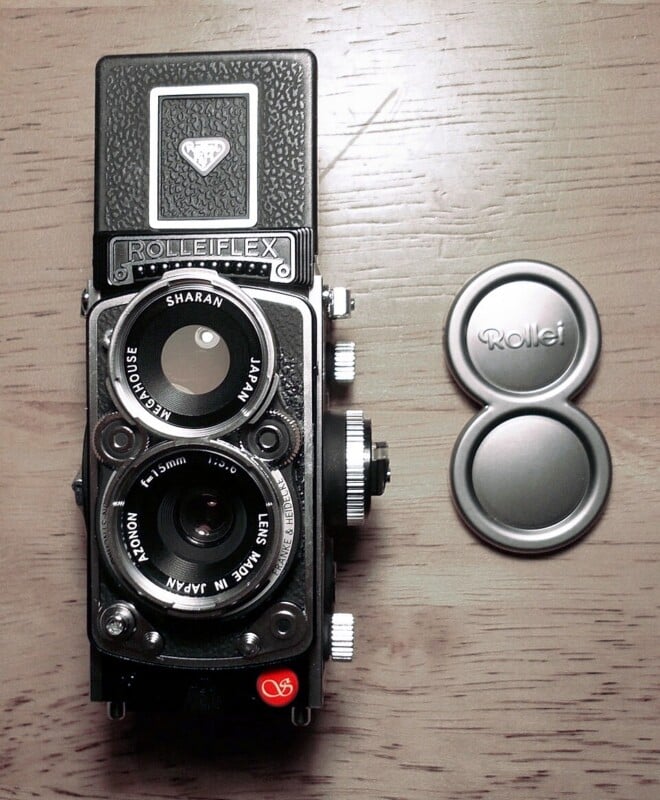
A waist-level TLR allows the photographer to maintain eye contact with their surroundings or look down at the camera, making the act of taking a photo feel more like a contemplative gesture than an aggressive one. This "discreet" nature of the TLR was what allowed photographers like Vivian Maier and Diane Arbus to capture their subjects with such raw intimacy. In a world increasingly sensitive to privacy and the presence of cameras, a tool that encourages a less intrusive workflow could be seen as a vital evolution of the craft.
Conclusion: A Call for Innovation Through Nostalgia
The history of camera technology is littered with abandoned formats that were discarded in the name of efficiency. Yet, as the digital imaging market matures, it is becoming clear that efficiency is not the only metric of success. The "joy of use" and the specific creative constraints imposed by a camera’s design are what often drive the most compelling artistic output.
A digital Twin-Lens Reflex camera would represent a bold step backward to move the industry forward. By combining the soul of a 1950s Rolleiflex with the power of 21st-century sensor technology, a manufacturer could create a device that stands out in a sea of homogenized black plastic bodies. Whether it is a legacy brand like Rollei (which still exists in name) or a modern innovator like Ricoh or Fujifilm, the first company to produce a "real" digital TLR will likely find a passionate and underserved audience waiting to rediscover the art of looking down to see the world.

