


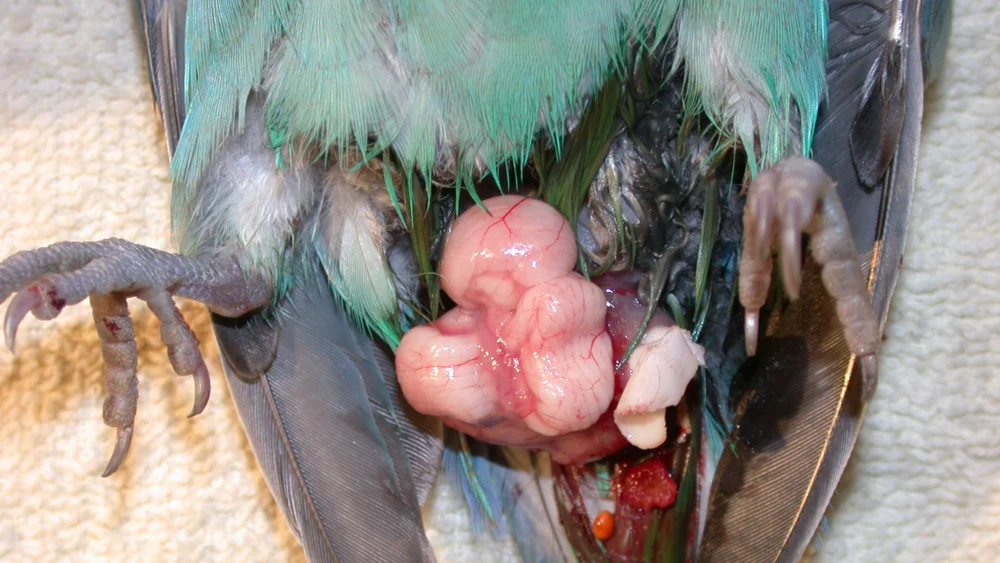
The rescheduling of this event comes at a time when avian medicine is seeing an increased demand for specialized knowledge as psittacine birds continue to be popular companion animals globally. Dr. Harris, whose career spans over four decades, is expected to provide a masterclass in handling one of the most frequent and life-threatening emergencies encountered by avian practitioners. According to the updated schedule, the webinar will take place at 2:00 pm EST (New York, UTC -05:00), and registration, which has been temporarily paused, is slated to reopen in late October 2026.
Clinical Focus: The Challenge of Dystocia in Avian Practice
The core of the upcoming webinar is the management of reproductive diseases, particularly dystocia. In the context of avian medicine, dystocia occurs when an egg fails to pass through the oviduct at a normal rate. This condition is not merely a mechanical failure but is often the result of a complex interplay of nutritional, environmental, and physiological factors. For the avian practitioner, the stakes are high; if left untreated, egg binding can lead to metabolic exhaustion, pressure necrosis of the oviduct, and eventually, the death of the patient.
Dr. Harris’s abstract for the session highlights that while reproductive diseases can manifest in various forms—often simultaneously—dystocia remains the most prevalent. His approach, honed over 45 years of clinical practice, focuses on safe and effective resolution strategies. The webinar is expected to cover both medical and surgical interventions, ranging from the administration of parenteral calcium and oxytocin to more invasive procedures like ovocentesis or surgical salpingohysterectomy.
Veterinary professionals often face a dilemma when treating egg-bound birds: whether to pursue conservative management or move immediately to aggressive intervention. Dr. Harris’s presentation is designed to provide a framework for this decision-making process, sharing "his ways" of navigating these critical cases. The emphasis is on practical, real-world application rather than purely theoretical models, making it a vital resource for both general practitioners and specialized avian vets.
Profile of the Presenter: Dr. Don Harris
Dr. Don Harris is a distinguished figure in the field of exotic animal medicine. A graduate of the Louisiana State University School of Veterinary Medicine, Dr. Harris initially spent several years in mixed animal practice before narrowing his focus exclusively to avian and exotic species in 1990. This specialization led to the 1996 opening of the Avian & Exotic Animal Medical Center in Miami, Florida, which holds the distinction of being the city’s first exotics-only veterinary hospital.
Throughout his career, Dr. Harris has held several prestigious leadership positions that have shaped the landscape of veterinary medicine. He is a past president of the South Florida Veterinary Medical Association, the Association of Avian Veterinarians (AAV), and the North American Veterinary Community (NAVC). His role as an organizer for the North American Veterinary Conference—one of the largest veterinary gatherings in the world—highlights his influence in veterinary education.
In addition to his clinical work, Dr. Harris serves as a consulting veterinarian for high-profile institutions, including the Georgia Aquarium Research Center, Zoo Miami (formerly Miami MetroZoo), and Jungle Island. His position on the Advisory Board of Abaxis Veterinary Diagnostics further demonstrates his involvement in the technological and diagnostic advancements of the profession. His extensive background provides him with a unique perspective on the evolution of avian medicine, from the early days of basic husbandry to the modern era of advanced diagnostics and microsurgery.
The Role of LafeberVet in Continuing Education
LafeberVet, the host of the webinar, serves as a premier online resource for veterinary professionals specializing in exotic species. By providing peer-reviewed content, instructional videos, and RACE-approved webinars, the platform bridges the gap between general veterinary knowledge and the specialized requirements of exotic animal care.
The upcoming webinar is approved for 1.0 credit hour of Registry of Approved Continuing Education (RACE). This accreditation is crucial for veterinarians and veterinary technicians who must fulfill annual or biennial continuing education (CE) requirements to maintain their professional licenses. The American Association of Veterinary State Boards (AAVSB) oversees the RACE program, ensuring that the content meets rigorous standards for quality and relevance. For many practitioners, these webinars are an essential tool for staying current with the latest medical protocols without the need for extensive travel.
Chronology of the Postponement and Rescheduling
The timeline for this educational event reflects the logistical challenges often associated with high-level professional development. The original announcement for the webinar was published on April 28, 2026. However, due to unforeseen health concerns regarding the presenter, the decision was made to delay the session to ensure Dr. Harris could deliver the comprehensive instruction intended.
- April 28, 2026: Original publication and announcement of the webinar topic.
- Mid-2026: Postponement announced due to health concerns; registration paused.
- Late October 2026: Expected date for the reopening of the registration portal.
- December 9, 2026: Rescheduled date for the live webinar at 2:00 pm EST.
The decision to pause registration allows the organizers to manage the attendee list effectively and ensures that all participants receive the most up-to-date information regarding the new schedule. Those who had previously registered are expected to have their spots reserved, though the organization will provide further instructions once the portal reopens.
Broader Implications for Avian Reproductive Health
The prevalence of reproductive disease in psittacine birds is a significant concern for both veterinarians and bird owners. In captivity, birds are often subject to environmental cues that trigger excessive egg laying, such as prolonged photoperiods, high-fat diets, and perceived "mate" bonds with human owners. These factors can lead to chronic egg laying, which depletes the bird’s calcium reserves and predisposes them to dystocia.
The webinar is expected to touch upon these underlying causes, offering insights into how practitioners can educate clients on preventative husbandry. By addressing the root causes of reproductive stress, veterinarians can reduce the incidence of emergency cases. Furthermore, the discussion on dystocia will likely include an analysis of modern diagnostic tools, such as digital radiography and ultrasonography, which have become standard in identifying the position and condition of retained eggs.
The postponement of the webinar, while a setback for those seeking immediate CE credits, highlights the human element within the veterinary profession. The community’s response has been one of support for Dr. Harris, recognizing his decades of service to animal health and professional education.
Analysis of Veterinary Continuing Education Trends
The shift toward digital webinars, accelerated by global trends over the last decade, has made expert knowledge more accessible. However, the reliance on a small pool of high-level experts like Dr. Harris means that health-related postponements can impact a wide audience. This event underscores the importance of the "master-apprentice" model in veterinary medicine, where decades of clinical "tricks" are passed down through lecture and demonstration.
As the veterinary community looks toward December 2026, the focus remains on the valuable clinical insights Dr. Harris will provide. The 1.0 RACE credit hour is a secondary benefit to the practical knowledge of managing a bird in crisis—a skill set that remains in high demand as the exotic pet industry continues to grow.
In conclusion, the rescheduling of "Reproductive Disease in Female Psittacine Birds" represents more than just a change in date. It is a commitment to excellence in avian medicine, ensuring that practitioners receive the best possible guidance from a leader in the field. Veterinary professionals are encouraged to monitor the LafeberVet website for the reopening of registration in late October and to prepare for an in-depth exploration of one of avian medicine’s most challenging topics on December 9.

