


The digestive health of companion birds is a cornerstone of their overall well-being, yet it remains a frequently overlooked aspect of avian care. Many avian veterinarians and nutritionists increasingly point to suboptimal dietary practices as the primary genesis of chronic, low-grade digestive distress in captive parrots and other pet birds. This often manifests not as acute illness, but as persistent, subtle issues like inconsistent droppings, mild digestive upset, or a general disinterest in fresh, beneficial foods. Addressing these concerns proactively through targeted dietary adjustments and stress management, rather than solely relying on supplements, offers a sustainable path to enhanced gut function and vitality.
Identifying Early Indicators of Digestive Imbalance
For vigilant bird owners, recognizing the initial signs of digestive issues is crucial. These can include droppings that vary widely in consistency, often appearing overly wet or dry, or containing undigested food particles in mild cases. Birds may also exhibit stress-related "poops" characterized by increased liquid content, particularly during environmental changes or periods of perceived threat. A noticeable lack of enthusiasm for vegetables and fresh produce, leading to a diet dominated by dry seeds or pellets, often correlates with a compromised digestive system. Such birds might also display a messy vent area, indicative of improper stool formation, or show general signs of low-grade digestive discomfort that don’t escalate to severe illness but persist nonetheless.
It is imperative to differentiate these mild, diet-responsive symptoms from severe medical emergencies. Conditions such as persistent vomiting, the presence of blood in droppings, rapid weight loss, lethargy, a consistently fluffed posture, or significant amounts of undigested food warrant immediate consultation with an avian or exotics veterinarian. These are critical indicators of underlying pathology—ranging from infections to organ dysfunction—that cannot be resolved through nutritional adjustments alone. The distinction lies in the bird’s overall demeanor; while mild digestive upset might cause intermittent discomfort, severe symptoms are typically accompanied by profound behavioral changes and a visible decline in health.
The Dietary Genesis of Avian Digestive Challenges
The fundamental question many owners grapple with is why their bird experiences recurrent poop changes despite appearing otherwise healthy. The answer often lies in a profound disconnect between the evolutionary diet of wild birds and the common feeding practices in captivity. Wild psittacines and passerines thrive on an incredibly diverse, seasonal diet rich in moisture, fiber, and an array of plant materials, including seeds, buds, fruits, flowers, and insects. This natural diet provides a complex matrix of nutrients, enzymes, and prebiotics essential for a robust gut microbiome and efficient digestion.
In stark contrast, many companion birds are fed dry, repetitive diets, frequently consisting of a single type of pellet or a limited seed mix. This lack of dietary diversity, coupled with insufficient moisture intake, gradually undermines the intricate balance of the digestive tract. Over time, such diets can lead to chronic low-grade inflammation, an imbalance in gut flora (dysbiosis), reduced nutrient absorption, and compromised immune function. The digestive system, evolved for constant variation and fresh inputs, struggles to adapt to monotonous, biologically "dead" foods. This chronic dietary stress often precedes any visible signs of illness, making early intervention through dietary enrichment paramount.
Understanding Healthy Avian Droppings
A healthy bird dropping is a composite indicator of digestive function and hydration. Typically, it consists of three distinct components:
- Feces: The solid, usually coiled or amorphous part, which can range in color from green to brown depending on diet.
- Urates: The white, chalky portion, representing filtered waste from the kidneys.
- Urine: The clear liquid component, also from the kidneys, surrounding the other two.
Normal variations are common and should not cause alarm. A bird’s droppings may change color temporarily after consuming pigmented foods like berries or dark leafy greens. Stress, excitement, or increased water intake can lead to slightly looser, more watery droppings, often referred to as "stress poops," which typically resolve once the stressor is removed. Breeding hens, for instance, often produce larger, wetter droppings due to hormonal changes and increased water consumption. However, persistent changes, especially those accompanied by behavioral shifts, warrant closer examination. Abnormalities deserving attention include consistently watery droppings (diarrhea), bright red blood, black tarry stools (melena, indicating digested blood), undigested food particles, excessively large or foul-smelling droppings, or a complete absence of droppings. The most critical aspect of evaluating droppings is observing them in conjunction with the bird’s overall behavior and activity level.
The Indispensable Role of Moisture and Fiber
Many companion bird diets are calorie-dense but biologically dry, a stark departure from the high-moisture foods consumed by their wild counterparts. This dryness is a significant contributor to digestive issues. Fiber, often overlooked, and moisture work synergistically to support optimal gastrointestinal function. Fiber, both soluble and insoluble, aids in regulating gut motility, adding bulk to stools, and acting as a prebiotic source, feeding beneficial gut bacteria. Moisture facilitates the smooth passage of food through the digestive tract, supports enzyme activity, and prevents dehydration of gut tissues.
Birds consuming predominantly dry diets often compensate by increasing their water intake, which can result in overly wet, messy droppings that are often mistaken for diarrhea. This increased water consumption does not fully replicate the benefits of moisture inherent in fresh foods. Such birds may also overeat calorie-dense dry foods in an attempt to meet their nutritional needs, leading to obesity while still suffering from a lack of diverse micronutrients. The avian digestive system functions most efficiently when food contains a balanced combination of moisture, varied textures, a spectrum of fibers, and a broad array of nutrients—elements often deficient in monotonous, dry diets.
Natural Dietary Interventions for Enhanced Avian Digestion
A proactive approach to improving avian gut health centers on integrating specific natural foods known for their digestive benefits.
Sprouts: A Living Food Revolution
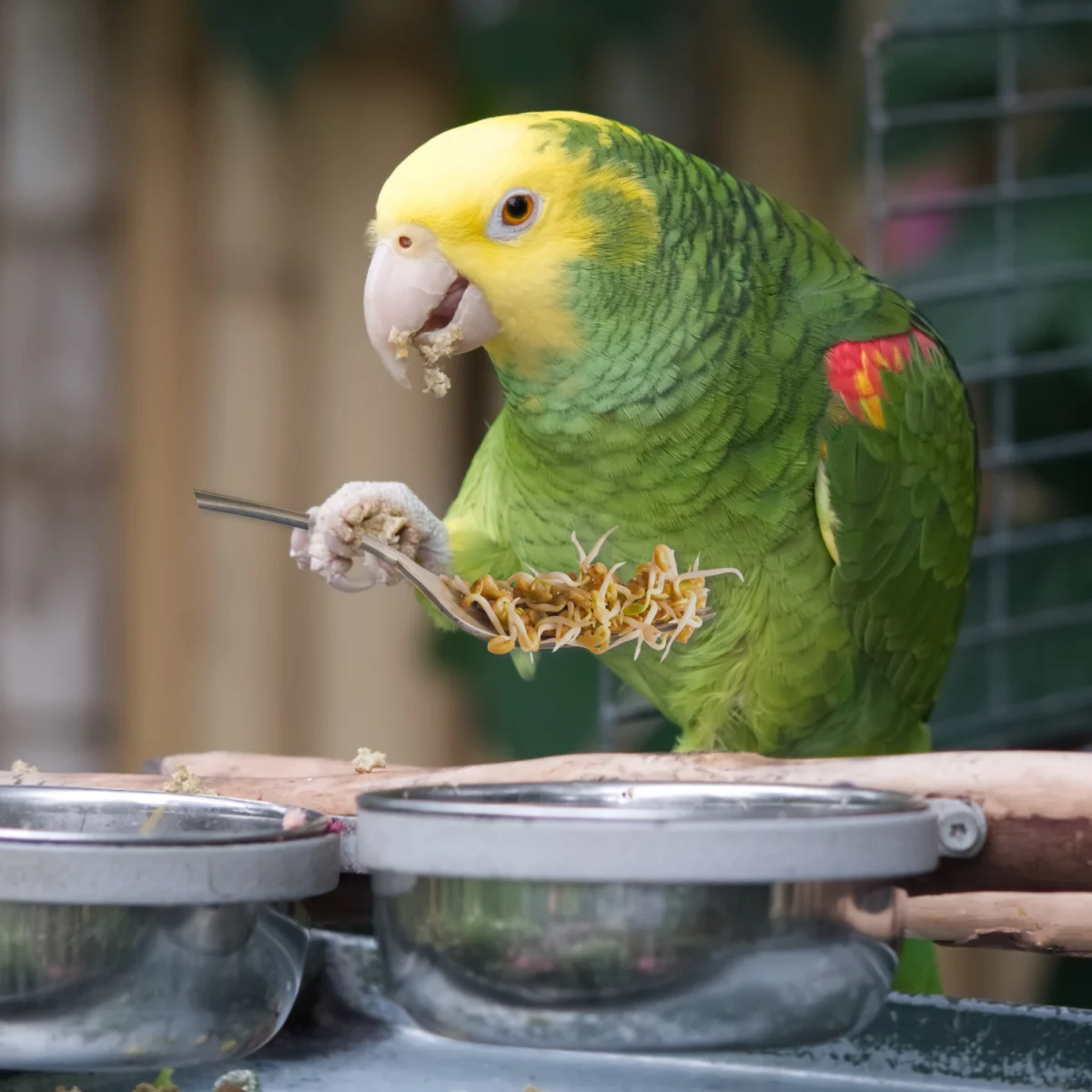
Sprouts are arguably one of the most potent natural foods for avian gut health. When a bird primarily consumes dry food and shows little interest in vegetables, sprouts offer a transformative solution. The sprouting process converts dormant seeds into living foods, significantly increasing their moisture content, enzyme activity, and nutrient bioavailability. Germination unlocks complex carbohydrates, proteins, and fats, making them easier to digest and absorb. Sprouts are rich in vitamins (especially C and B vitamins), antioxidants, and chlorophyll, all vital for a healthy digestive tract and overall immunity. Introducing a variety of sprouting seeds, such as those found in specialized bird sprouting mixes, encourages healthier feeding behaviors and provides natural enrichment, mimicking the foraging experiences of wild birds.
Omega-Rich Seeds for Stool Quality and Digestive Support
For birds exhibiting dry, flaky droppings, low fresh food intake, dull feathers, or those on heavily processed diets, omega-rich seeds are invaluable. Seeds like chia, flax, and hemp hearts are exceptional sources of dietary fiber and essential fatty acids, particularly Omega-3s. These components play a crucial role in maintaining the integrity of the gut lining, reducing inflammation, and promoting smoother digestive transit.
- Chia: Known for its high soluble fiber content, which forms a gel-like substance when mixed with water, aiding hydration and stool consistency.
- Flax: Rich in Omega-3 alpha-linolenic acid (ALA) and lignans, which contribute to gut health and anti-inflammatory processes.
- Hemp Hearts: Provide a balanced profile of Omega-3 and Omega-6 fatty acids, along with easily digestible protein and various minerals, supporting overall nutrient diversity and cellular health.
These seeds can be incorporated into a bird’s diet through specialized blends like OmegaGlow Seed Fusion, enhancing both stool quality and the nutritional landscape.
Diverse Greens for Microbiome Balance
A common challenge is birds refusing vegetables or adhering to extremely repetitive diets. Greens are fundamental for promoting fiber intake, supporting microbiome diversity, and delivering essential phytonutrients and antioxidants. Plant diversity is paramount for a healthy gut; a broad spectrum of plant materials introduces a wider array of beneficial compounds and substrates for gut bacteria compared to a diet solely reliant on dry, processed foods. Products like Bird Greens can help bridge nutritional gaps for birds that consistently struggle to consume adequate fresh vegetables, offering a concentrated source of beneficial plant matter. Safe and beneficial greens include kale, dandelion greens, cilantro, parsley, and various lettuces (excluding iceberg).
Calming Herbs for Stress-Related Digestive Upset
The intricate connection between the nervous system and the digestive tract means that stress profoundly impacts gut movement, stool quality, appetite, and overall digestive comfort in birds. Stress poops, watery droppings during environmental changes, appetite fluctuations, or regurgitation during hormonal periods are common manifestations of this connection. Calming herbs, traditionally used to support relaxation, can indirectly support digestive comfort. Ingredients in blends like SereniTea, often containing chamomile, lavender, or passionflower (species-appropriate and in safe concentrations), can help mitigate the physiological effects of stress, thereby promoting calmer behavior and, consequently, calmer digestive function. This holistic approach acknowledges that a serene bird is more likely to have a well-functioning gut.
The Gut-Brain Axis: How Stress Affects Parrots
The avian gut and nervous system are in constant communication, a phenomenon known as the gut-brain axis. This bidirectional pathway means that psychological stress can manifest as physical digestive symptoms, and conversely, gut discomfort can influence behavior. Bird owners frequently observe digestive changes during periods of stress, such as:
- Relocation or changes in environment
- Introduction of new cage mates or pets
- Hormonal fluctuations during breeding season
- Lack of environmental enrichment or boredom
- Perceived threats or loud noises
- Changes in routine or separation from owners
These stressors can significantly affect various aspects of digestion:
- Gut Motility: Stress hormones can either speed up or slow down the movement of food through the digestive tract, leading to diarrhea or constipation.
- Appetite and Water Intake: Some birds may become anorexic, while others may drink excessive amounts of water, altering dropping consistency.
- Enzyme Production: Stress can reduce the efficiency of digestive enzyme production, impairing nutrient absorption.
- Gut Microbiome: Chronic stress can disrupt the delicate balance of beneficial gut bacteria, leading to dysbiosis.
- Immune Function: The gut houses a significant portion of the immune system; stress-induced gut changes can weaken overall immunity.
Recognizing that stress-related digestive changes are extremely common in parrots underscores the importance of environmental enrichment, routine, and a sense of security in their care regimen.
Common Dietary Pitfalls and Habits to Avoid
While focusing on beneficial foods, it is equally important to identify and eliminate habits that exacerbate digestive issues. The problem is rarely a single dramatic mistake but rather chronic, low-grade dietary stress over time.
- Exclusive Dry Diets: Relying solely on pellets or seed mixes without fresh foods, moisture, or fiber is a leading cause of digestive upset.
- Lack of Diversity: Feeding the exact same limited diet day after day deprives the gut microbiome of the varied inputs it needs to thrive.
- Excessive Sugary Treats: Fruits, juices, and processed human snacks high in sugar can disrupt gut flora and contribute to yeast overgrowth.
- High-Fat Seed-Only Diets: While some seeds are beneficial, a diet exclusively of high-fat seeds (like sunflower or safflower) leads to nutritional deficiencies and can strain the liver and digestive system.
- Insufficient Water Access: Lack of clean, fresh water or reliance on dirty water sources can lead to dehydration and impaction.
- Highly Processed Human Foods: Many human foods contain preservatives, artificial colors, and ingredients not suitable for avian digestion.
- Inconsistent Feeding Schedules: Irregular feeding times can disrupt a bird’s natural digestive rhythms.
The Role of Probiotics: A Nuanced Perspective
Bird owners are often heavily marketed probiotic products, leading to a misconception that they are a standalone solution for digestive health. While probiotics—beneficial live microorganisms—may support normal gut flora, especially after periods of stress, illness, or antibiotic treatment, current avian evidence suggests they are only one small piece of a larger puzzle. The efficacy of probiotics can be species-specific, and the ideal strains and dosages for various avian species are still areas of active research.
A healthier, more resilient microbiome is primarily cultivated through superior daily feeding habits rather than simply adding a powder to an otherwise poor diet. Prebiotics, which are non-digestible food ingredients that selectively stimulate the growth and/or activity of beneficial bacteria in the colon, are arguably more critical long-term. Foods rich in fiber, such as sprouts, greens, and certain root vegetables, naturally provide these prebiotics. Therefore, while probiotics can be a helpful adjunct in specific circumstances, they should not replace a foundational diet rich in diverse, fresh, and moisture-laden foods.
Constructing a Digestion-Supportive Avian Chop Bowl
Implementing dietary changes effectively often involves small, consistent upgrades rather than dramatic overhauls. A "chop bowl"—a finely diced mixture of various healthy foods—is an excellent vehicle for introducing digestive support.
- Sprouts: Provide crucial moisture and enzyme activity, making nutrients more accessible.
- Leafy Greens: Supply essential fiber, phytonutrients, and prebiotics for gut flora.
- OmegaGlow Seed Fusion: Offers healthy fats and additional fiber to support stool quality and reduce inflammation.
- Bird Greens: Ensures broader plant diversity, particularly for birds reluctant to eat a wide array of fresh vegetables.
- SereniTea: Can be brewed and cooled, then used to moisten the chop, infusing it with stress-supportive herbs.
This approach encourages birds to consume a wider variety of beneficial ingredients in each meal, promoting a holistic improvement in digestive function over time.
Recognizing Critical Symptoms: When to Call the Vet
While many mild digestive issues can be managed with dietary adjustments, certain symptoms are immediate red flags requiring professional avian veterinary intervention. These include:
- Persistent Vomiting or Regurgitation: Continuous expulsion of food, distinct from occasional hormonal regurgitation.
- Significant Weight Loss: A noticeable decrease in body mass, often indicative of underlying disease or malabsorption.
- Blood in Droppings: Bright red blood or black, tarry stools (melena) are serious indicators of internal bleeding.
- Undigested Food in Droppings: Suggests a severe impairment in digestive enzyme function or rapid transit time.
- Lethargy, Fluffed Posture, or Weakness: General signs of severe illness that accompany digestive distress.
- Changes in Appetite or Water Intake: A sudden and sustained refusal to eat or drink, or excessive consumption, often signals a problem.
- Prolonged Diarrhea: Chronic watery droppings that do not resolve with minor adjustments or stress reduction.
- Distended Abdomen: A swollen belly can indicate fluid accumulation, organ enlargement, or internal masses.
The critical takeaway is that digestive symptoms become significantly more serious when they occur alongside noticeable changes in the bird’s behavior, activity level, or overall demeanor. Early veterinary intervention in these cases can be life-saving.
Expert Insights and Future Directions
According to avian health experts like Diane Burroughs, LCSW, founder of UnRuffledRx and a licensed psychotherapist with extensive bird experience, improving bird wellness through practical, science-backed nutrition and behavior support is paramount. The emphasis is shifting from reactive treatment to proactive prevention, with diet and stress management at the forefront. Research in avian nutrition and gut health continues to evolve, shedding more light on the complexities of the avian microbiome and the specific nutritional needs of various species. This ongoing scientific inquiry consistently reinforces the value of diverse, moisture-rich, and fiber-dense diets in preventing chronic health issues.
In conclusion, optimizing avian digestive health is not merely about addressing symptoms but about fostering a robust, resilient system through a holistic approach. By understanding the evolutionary dietary needs of birds, recognizing early warning signs, integrating natural digestion-supportive foods, mitigating stress, and knowing when to seek professional veterinary care, bird owners can significantly enhance their feathered companions’ quality of life and longevity. The journey to a healthier gut is a testament to the profound impact of mindful nutrition and comprehensive care.

