


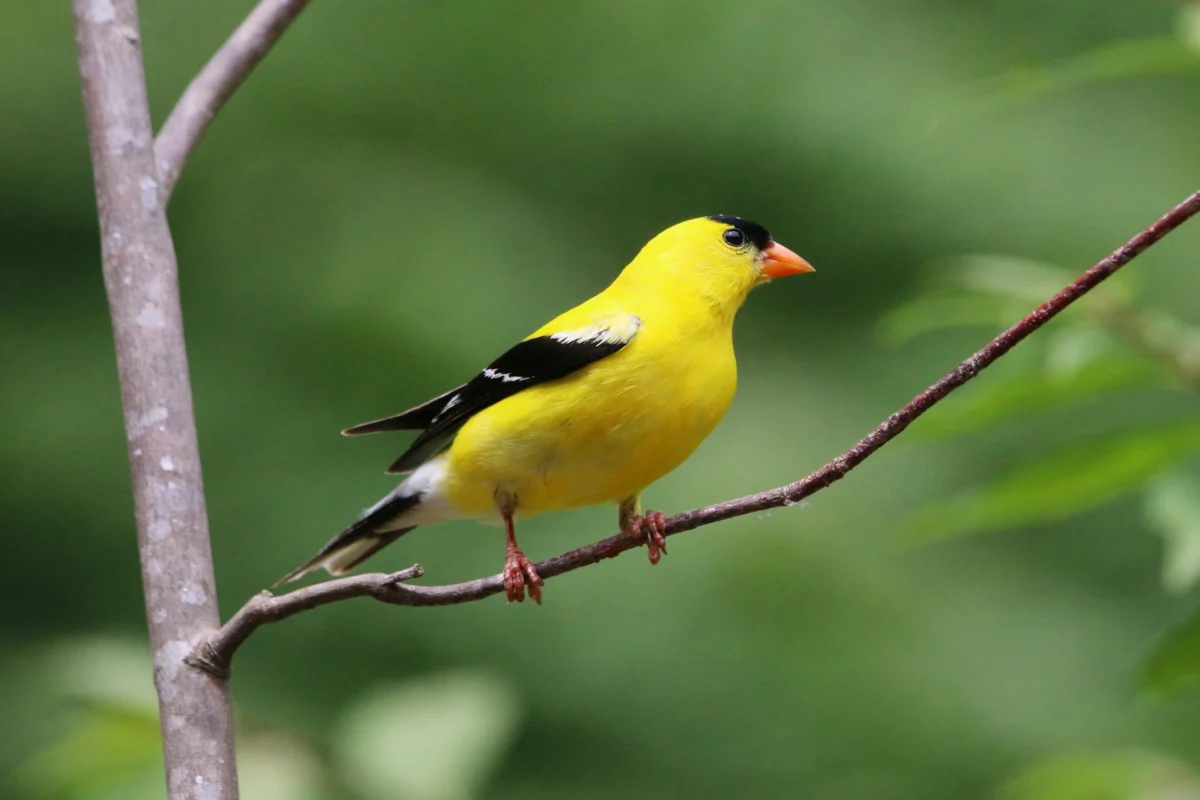
American Goldfinches, with their striking canary-yellow plumage and distinctive black and white wing markings, are a welcome splash of color against the often-monochromatic winter landscape. Their cheerful chirping adds a vibrant auditory dimension to any yard, transforming it into a lively haven. For residents fortunate enough to live within their natural range, particularly in the Northeastern United States where they are year-round residents, the prospect of attracting these delightful songbirds during the colder months is an achievable and rewarding endeavor. This guide offers a detailed, five-step approach to making your backyard an irresistible destination for Goldfinches throughout winter, alongside answers to common queries about their behavior, migration patterns, and appearance.
The Enduring Appeal of the American Goldfinch
The American Goldfinch (Spinus tristis) is one of North America’s most recognizable and beloved small birds. Their vibrant coloration, particularly the male’s brilliant yellow in breeding plumage, makes them a visual delight. Beyond their aesthetic appeal, their energetic foraging and social nature contribute to their charm. While many bird species migrate to warmer climates as temperatures drop, the American Goldfinch exhibits a fascinating adaptability, with some populations remaining in their northern territories year-round. This resilience makes them a consistent source of avian interest for bird enthusiasts.
Understanding Goldfinch Habits: The Key to Attraction
Attracting any wild creature requires an understanding of its fundamental needs and behaviors. For Goldfinches, these needs revolve around food, water, shelter, and safety. Fortunately, their dietary preferences are straightforward, and their social habits can be leveraged to create a welcoming environment. Unlike some birds that require specific insect or nectar sources, Goldfinches are primarily granivores, meaning their diet is predominantly seeds. This simplicity in their food requirements makes them relatively easy to cater to.
Five Steps to Cultivate a Goldfinch Winter Sanctuary
Creating a winter sanctuary for American Goldfinches involves a strategic approach that addresses their dietary, environmental, and safety needs. By implementing the following five steps, you can significantly increase the likelihood of these charming birds becoming regular visitors to your yard.
Step 1: Curate a Seed Selection That Tempts the Finch Palate
The cornerstone of attracting Goldfinches lies in providing them with their preferred food sources. Their diet is primarily composed of seeds, a characteristic that simplifies the feeder-filling process compared to birds with more complex dietary requirements.
Sunflower Seeds: A staple in most birdseed mixes, black oil sunflower seeds are a high-energy food source that Goldfinches readily consume. Their thin shells are easily cracked, making them accessible.
Thistle Seed (Nyjer): Thistle, or Nyjer seed, is a particular favorite of Goldfinches. These tiny, oil-rich seeds are a nutritional powerhouse for small birds. Due to their small size, they are often best offered in specialized feeders or thistle socks.
Thistle Socks: These mesh bags are specifically designed to hold Nyjer seed. Goldfinches are adept at clinging to the fabric and extracting the seeds from between the fibers. Observing them hanging upside down, diligently feeding, is a particularly endearing sight. This method also helps to prevent seed waste, as the fine seeds are less likely to spill.
Seed Quality and Freshness: Maintaining the quality of the seeds is paramount, especially during winter. Moisture can lead to mold and spoilage, rendering the seeds unappealing and potentially harmful to birds. Ensure seeds are stored in a dry environment and regularly check feeders for any signs of dampness or spoilage. It is advisable to replace uneaten seed every three to four weeks to ensure freshness and attract birds consistently.
Beyond Seeds: While seeds are their primary sustenance, Goldfinches will also supplement their diet with the bark of young twigs and fresh tree buds, particularly during periods when seed availability is scarce. Providing native plants that offer these food sources can further enhance your yard’s appeal.

Step 2: Select the Ideal Bird Feeder for Finch Foraging
The type of bird feeder you choose plays a crucial role in attracting and retaining Goldfinches. Their small size and feeding habits necessitate specific feeder designs.
Specialized Goldfinch Feeders: Many feeders are designed with Goldfinches in mind. These are often smaller in size, with small perches and ports that deter larger, more aggressive birds, such as Blue Jays or Grackles. This exclusivity ensures that Goldfinches can feed undisturbed.
Mesh and Tube Feeders: Mesh feeders, particularly those designed for thistle seed, are excellent choices. Similarly, tube feeders with small perches and seed ports are well-suited for finches. These designs help keep the seeds dry by allowing for good air circulation and preventing water from pooling.
Mimicking Natural Feeding: Feeders that allow birds to perch and extract seeds in a manner similar to how they would in the wild can make your yard feel more natural and inviting. Thistle socks and feeders with small, accessible openings achieve this effectively.
Feeder Placement: Consider placing feeders in a location that offers some nearby cover, such as shrubs or trees. This provides a safe vantage point for the birds to scout for predators before committing to feeding. However, ensure the area around the feeder is not so dense that it harbors hiding spots for predators.
Step 3: Cultivate a Natural Landscape with Goldfinch-Friendly Vegetation
Beyond feeders, incorporating natural vegetation into your landscape can create a more holistic and attractive environment for Goldfinches. Many native plants offer not only seeds but also nesting materials and shelter.
Seed-Producing Plants:
- Sunflowers (Helianthus annuus): These iconic plants are a dual-purpose boon. They provide a plentiful supply of seeds that Goldfinches adore, and their sturdy stalks offer perching opportunities. Allowing sunflowers to mature and go to seed is a highly effective way to attract finches.
- Asters (Symphyotrichum spp.) and Coneflowers (Echinacea spp.): These perennial wildflowers produce abundant seeds that are a favored food source for Goldfinches and other small songbirds.
- Wild Thistle (Cirsium spp.): As mentioned earlier, wild thistle is a prime attractant. Its feathery seed heads are a treasure trove for finches, especially in the early autumn and continuing through winter.
Nesting Material Sources:
- Cattails (Typha spp.): The fluffy seed down from cattails is an excellent material for nest building, providing insulation and softness.
- Dandelions (Taraxacum officinale): While often considered weeds, the fluffy seed heads of dandelions offer valuable nesting material.
- Milkweed (Asclepias spp.): The silky fibers from milkweed pods are another sought-after nesting material.
Plants to Avoid: It is crucial to be mindful of plants that could pose a risk. Burdock (Arctium spp.) is one such plant, whose prickly burrs can easily become entangled in a Goldfinch’s feathers, potentially leading to injury or death.
Step 4: Establish a Secure and Welcoming Environment
Providing food and attractive plants is essential, but ensuring a sense of security is equally vital for Goldfinches, especially during winter. They are naturally somewhat cautious birds, wary of predators and larger, more dominant species.
Managing Bird Interactions: Goldfinches are generally peaceful and prefer to associate with birds of similar size. However, larger, more assertive birds like Blue Jays can intimidate them, potentially driving them away from feeders. To mitigate this, consider using feeders designed for smaller birds with limited perch access for larger species. Alternatively, strategically placing multiple feeders at different locations can help diffuse competition.

Predator Awareness: While direct intervention against predators is not advised, providing natural cover, such as dense shrubs or small trees near feeders, can offer Goldfinches a quick escape route if a predator is spotted.
Water Source: A consistent water source is critical for all birds, and Goldfinches are no exception. A birdbath or fountain provides water for drinking and bathing, which is essential for maintaining feather health.
Step 5: Offer the Comfort of Warm Water
In winter, open water sources can freeze over, making them inaccessible. Providing warm water in a birdbath can be a significant attractant for Goldfinches and other birds.
The Importance of Bathing: Birds do not solely rely on water for drinking; bathing is crucial for preening, maintaining feather condition, and regulating body temperature. During winter, when natural water sources are scarce or frozen, a readily available, unfrozen water supply becomes a lifeline.
Maintaining Warmth: Heated birdbaths or the addition of a birdbath heater can keep water from freezing. Even a shallow dish of lukewarm water placed in a sheltered location can make a difference on a cold day. This thoughtful provision can significantly enhance the appeal of your yard, encouraging more frequent visits from Goldfinches.
Do Goldfinches Migrate in Winter? Understanding Their Seasonal Movements
The migratory behavior of the American Goldfinch is geographically dependent.
Year-Round Residents: In the Northeastern United States, American Goldfinches are typically year-round residents. This means that by implementing the attraction strategies outlined above, you can expect to see them in your yard throughout the entire year, including the winter months.
Partial Migration: In other parts of their range, Goldfinches exhibit partial migration. This means that some individuals may migrate south for the winter to find more abundant food sources and warmer temperatures, while others might remain in their northern territories, especially if sufficient food is available. Birds migrating south can travel considerable distances, sometimes reaching as far as Mexico.
Summer Range Expansion: Conversely, during the summer, some Goldfinch populations may move northward, venturing into areas like mid-Canada to take advantage of cooler weather and abundant food resources. This dynamic movement underscores their adaptability to varying environmental conditions.
Goldfinch Appearance: A Tale of Two Seasons
The visual transformation of the American Goldfinch between seasons is notable, particularly for the males.
Summer Plumage: In the vibrant breeding season of summer, male Goldfinches are unmistakable. Their plumage is a dazzling, almost luminous yellow, complemented by a distinct black cap on their head and black wings with white markings. This striking coloration serves to attract mates.
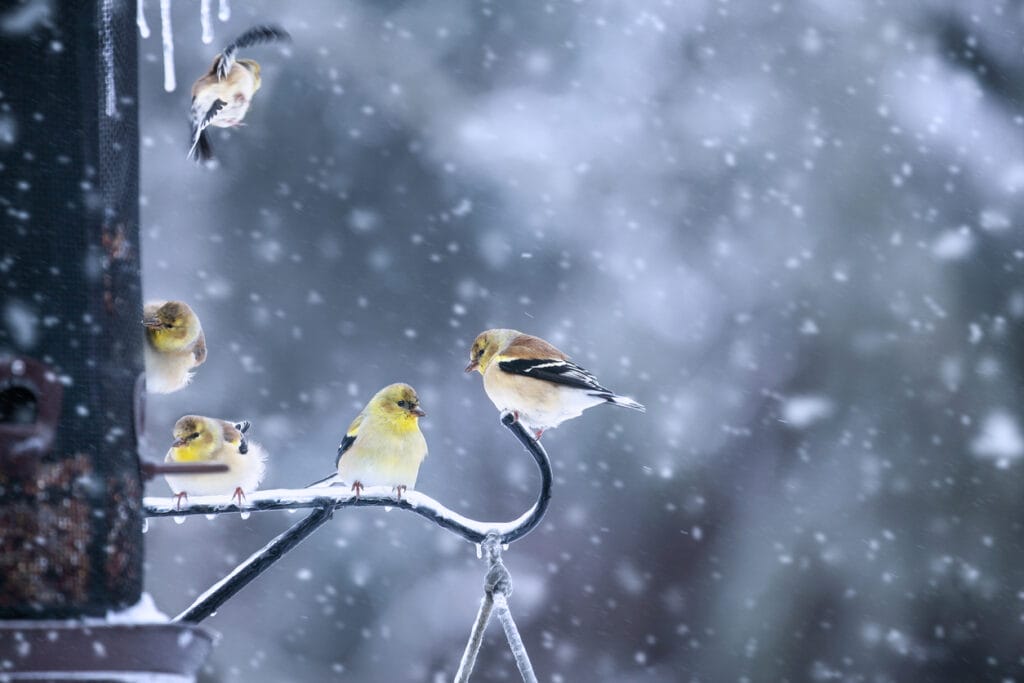
Winter Plumage: As winter approaches, the males undergo a significant molt, shedding their brilliant yellow for a more subdued, brownish or buffy coloration. This camouflage helps them blend in with the winter landscape and conserve energy. The black cap and wing markings often fade or become less pronounced.
Female and Juvenile Appearance: Female Goldfinches, and young birds (juveniles), typically exhibit a duller, more olive-yellow or brownish coloration year-round. They lack the prominent black cap of the breeding male. In winter, the distinction between males and females becomes less apparent, as both sexes adopt more muted tones, making them harder to differentiate. This seasonal dimorphism is a common adaptation in many bird species.
Expected Goldfinch Behavior: Temperament and Social Dynamics
Understanding Goldfinch behavior can further enhance your bird-watching experience.
Nervousness and Boldness: Goldfinches can exhibit a degree of nervousness, particularly around humans or larger birds. However, their strong inclination towards seeds often overrides this caution when a reliable food source is available. They are not typically shy when it comes to accessing a well-stocked feeder.
Social Interactions: These songbirds are generally comfortable in the company of other Goldfinches and similarly sized birds. They often congregate at feeders, forming small flocks. This flocking behavior is more common outside of the late-summer breeding season. Witnessing a group of these energetic birds flitting about your yard can be a truly delightful spectacle.
Vocalization and Feeding Signals: The cheerful chirping and whistling songs of Goldfinches are a hallmark of their presence. Before landing to feed, they may exhibit a cautious approach, hovering over the food source and vocalizing nervously. This behavior is a signal of their assessment of the environment and their readiness to feed. Their chatter in flight, especially when in groups, can often be heard before they are seen, announcing their arrival.
Frequently Asked Questions About Goldfinches
What is the difference between a yellow finch and a goldfinch?
It’s important to clarify that there isn’t a bird officially recognized as a "yellow finch" in the United States. The Yellow Warbler is a small, entirely yellow bird with some reddish streaks on its breast, distinct from the American Goldfinch. The American Goldfinch, while bright yellow, is characterized by the male’s black cap and distinct black and white wing patterns, especially during the breeding season.
What is the lifespan of a goldfinch bird?
In the wild, the American Goldfinch has a lifespan of approximately 3 to 6 years. However, with consistent access to food, water, and protection from predators, some individuals may live longer.
Are goldfinches always gold?
No, Goldfinches are not always gold. The brilliant yellow coloration is primarily displayed by males during the spring and summer breeding season as they seek mates. During the non-breeding season (fall and winter), males molt into a duller, brownish hue. Females and juveniles generally exhibit more muted, olive-yellow or greenish-brown coloration year-round, lacking the male’s iconic black cap.
Conclusion: A Year-Round Haven for Feathered Friends
Attracting American Goldfinches to your yard during winter is a readily achievable goal for bird enthusiasts. By understanding their dietary needs, providing appropriate feeders, incorporating native vegetation, and ensuring a safe and inviting environment, you can transform your backyard into a year-round sanctuary for these vibrant songbirds. The simple act of offering their favorite seeds, such as sunflower and thistle, coupled with a reliable water source, can make a significant difference. The presence of Goldfinches throughout the year offers a continuous connection to nature and a delightful reminder of the beauty and resilience of the avian world, even amidst the quietude of winter. By diligently applying these strategies, you can ensure that your yard becomes a cherished destination for these charming feathered visitors, providing them with sustenance and shelter while enriching your own appreciation for the natural world.

