


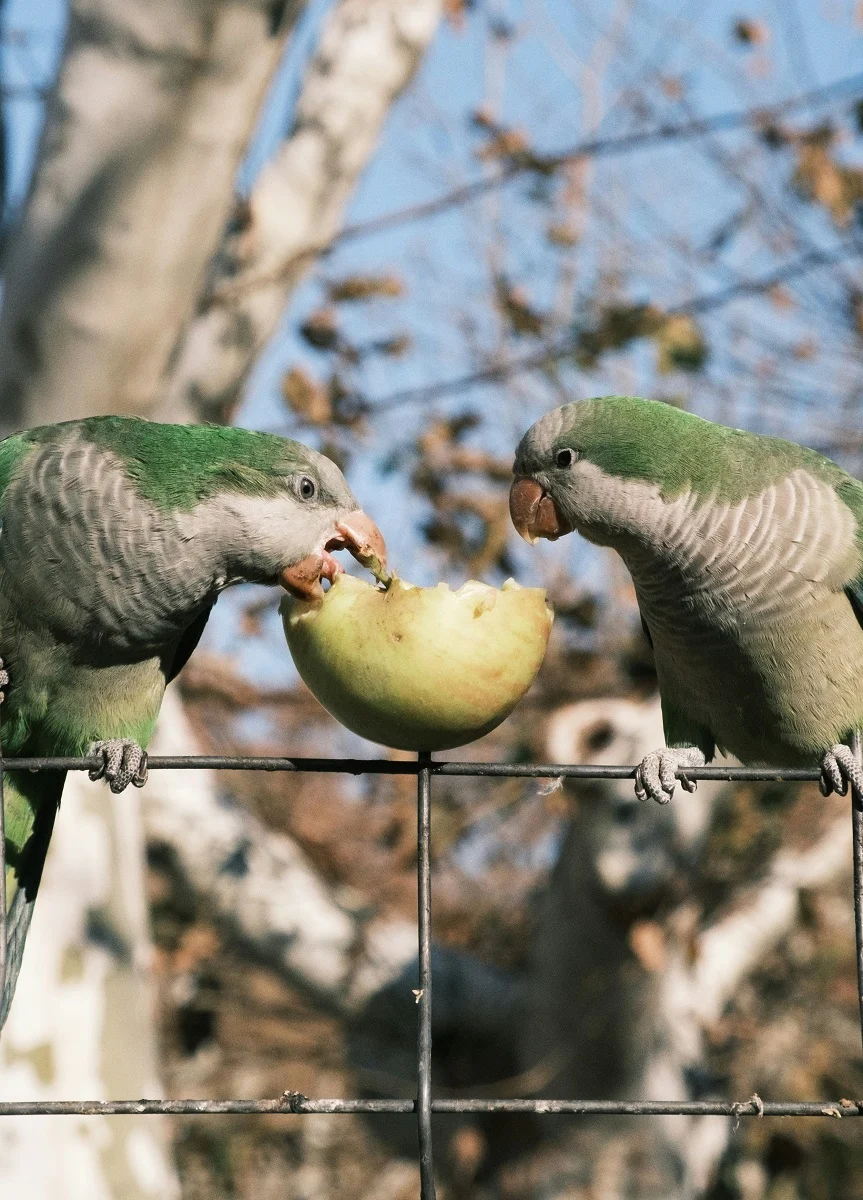
The Quaker parrot, scientifically known as Myiopsitta monachus, or the Monk Parakeet, presents a compelling paradox: a highly intelligent and affectionate companion animal that has simultaneously become a significant ecological concern across the globe. Originating from the lowland regions of South America, this cheerful and boisterous parrot has captivated pet owners with its distinctive appearance, lively temperament, and impressive vocal abilities. However, its remarkable adaptability and resilience have also facilitated its establishment of feral populations far beyond its native range, leading to environmental and economic challenges that underscore the complex relationship between humans and the animal kingdom.
Native Range, Habitat, and Ecology
Myiopsitta monachus is indigenous to a broad swath of South America, encompassing southern Brazil, eastern Bolivia, most of Paraguay and Argentina, and all of Uruguay. This species thrives in lowland areas, typically found at elevations up to 3,300 feet. Its natural habitats are diverse, ranging from wooded and sparsely wooded areas, including palm forests and savannas, to increasingly urbanized environments. This adaptability to human-modified landscapes has been a key factor in its success both in its native range and as an invasive species.
In the wild, Quaker parrots maintain a varied diet, primarily consisting of seeds, wild fruits, and the succulent stems of cacti. They are largely herbivorous but are opportunistic feeders, occasionally supplementing their diet with insects and grubs. Their strong preference for seeds has historically positioned them as agricultural pests in their native countries, where large flocks frequently descend upon farms to feed on corn and other grains, often causing significant crop damage. This behavior highlights their capacity to exploit readily available food sources, a trait that serves them well in both natural and anthropogenic environments.
Physical Characteristics and Distinctive Traits
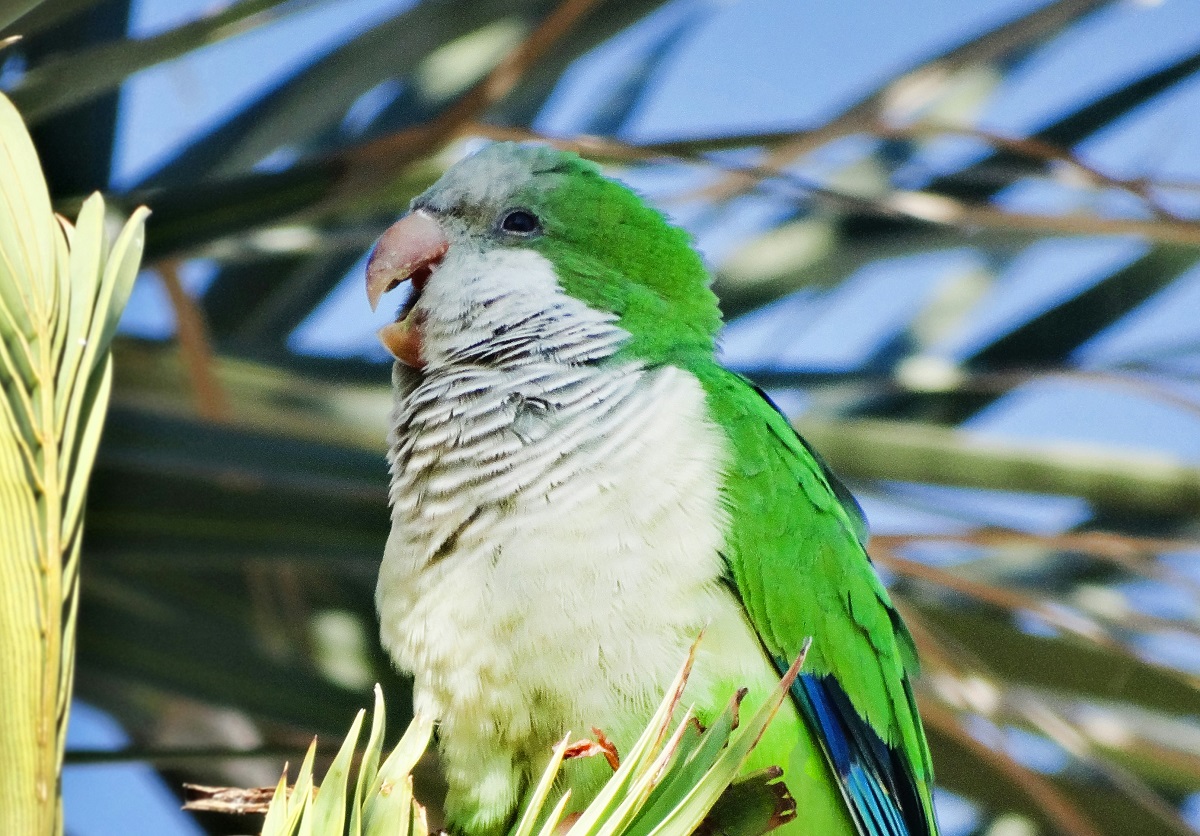
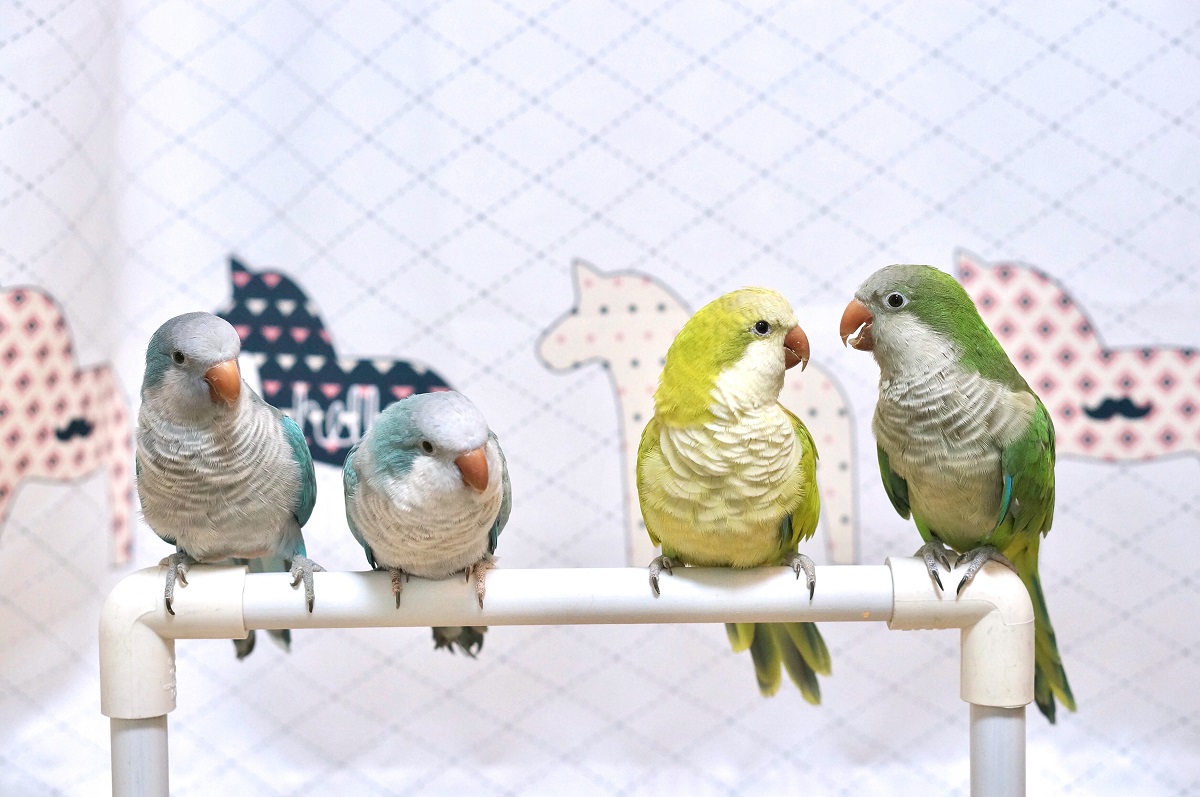
The Quaker parrot is a relatively small parrot species, typically reaching up to 13 inches in length and weighing around 140 grams. Wild specimens are easily identified by their mossy green backs, contrasting gray fronts, striking blue flight feathers, and long tails. A distinctive skin-colored beak further aids in their recognition. While wild birds primarily exhibit this classic green and gray plumage, selective breeding within the pet trade has led to a remarkable array of color morphs. Today, captive Quaker parrots can be found in shades of blue, yellow, gray, white, and various combinations, offering a diverse aesthetic appeal to potential owners.
A notable characteristic of the species is the subtle sexual dimorphism. Although female Quaker parrots are generally slightly smaller than males, this difference is often imperceptible to the casual observer. For precise sex determination, DNA testing is typically required. These birds are also known for their impressive longevity, with a lifespan that can extend up to 30 years in captivity, a significant commitment for any pet owner.
Conservation Status and the Paradox of Progress
According to the IUCN Red List, Myiopsitta monachus is currently classified as a species of Least Concern. This assessment notes that the species is locally common and, paradoxically, may be benefiting from certain forms of habitat alteration. For instance, the widespread planting of Eucalyptus forests for paper pulp production inadvertently provides these parrots with abundant new nesting sites. Concurrently, the expansion of agricultural lands, particularly maize cultivation, offers an increased food supply. This situation presents an interesting ecological dynamic where human activities that typically threaten biodiversity have, in this specific case, created advantageous conditions for the Quaker parrot.
However, this positive outlook does not extend to all members of the Myiopsitta genus. The very similar M. luchsi, the Cliff Parakeet, is considered Near Threatened, underscoring the varied impacts of environmental change even within closely related species. The contrasting conservation statuses highlight the complexity of assessing species vulnerability and the localized nature of ecological pressures.
The Global Rise of an Invasive Species
One of the most compelling narratives surrounding the Quaker parrot is its emergence as a highly successful invasive species. Like several other parrot species, such as the Indian ringneck parakeet, Myiopsitta monachus possesses considerable invasive potential. The primary vector for this global spread has been the international pet trade, which facilitated their introduction to non-native environments. Escapees or intentionally released birds from the mid-20th century onwards established self-sustaining feral populations in numerous countries across multiple continents.
Chronology and Geographic Spread: The initial establishment of feral Quaker parrot populations can be traced back to the 1960s and 1970s, particularly in the United States, where they were popular as pets. Populations rapidly grew in urban and suburban areas, demonstrating their adaptability to diverse climates and human infrastructure. Today, significant feral colonies exist in various regions, including numerous states across the US (notably Florida, Texas, New York, and Illinois), as well as countries in Europe (such as Spain, Italy, France, and the UK), and parts of Asia and Africa. In cities like Valencia and Madrid, these parrots are a common sight, often seen foraging alongside pigeons in urban parks and public spaces.
Ecological and Economic Impacts: The presence of invasive Quaker parrots has raised considerable concern among environmental agencies and agricultural departments worldwide. These birds "wreak havoc" on local ecosystems in several ways:
- Competition with Native Species: They compete aggressively with native birds for food resources and nesting sites, potentially displacing indigenous populations and disrupting local food webs.
- Agricultural Damage: Echoing their behavior in their native range, feral flocks can cause significant damage to agricultural crops, including fruits, nuts, and grains, leading to economic losses for farmers.
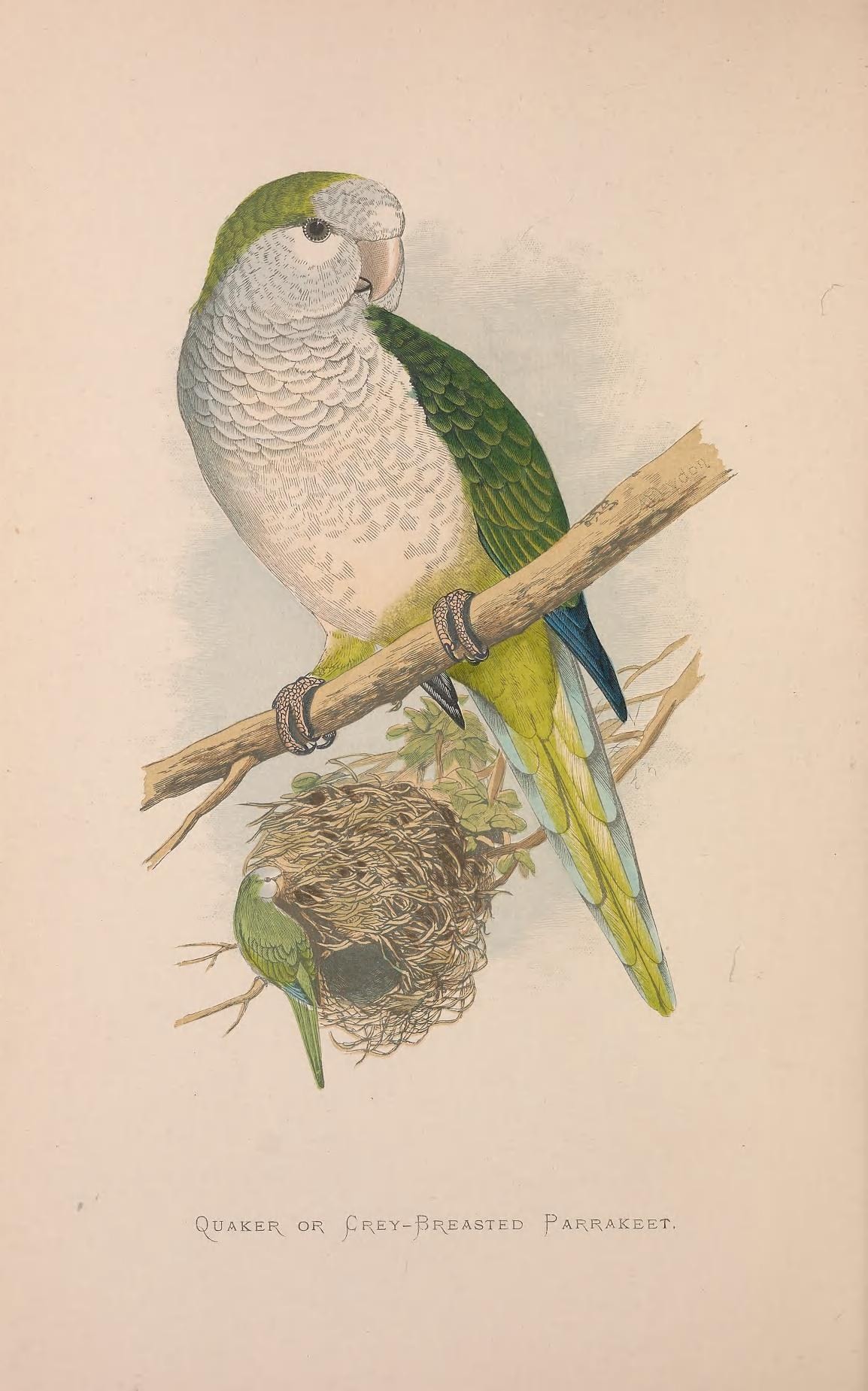
- Infrastructure Damage: Quaker parrots are unique among parrots for their communal, stick-built nests, which can grow to considerable sizes. These large, heavy nests are often constructed on utility poles, electrical transformers, and other infrastructure, leading to power outages, equipment damage, and fire hazards. Regulatory bodies, including utility companies and environmental agencies, have consistently highlighted these concerns, citing the substantial costs associated with repair and mitigation.
- Disease Transmission: While less documented, there is a potential for invasive species to introduce or transmit diseases to native wildlife or even to humans, posing a public health risk.
Regulatory Responses and Control Efforts
Given the significant ecological and economic threats posed by invasive Quaker parrots, many regions have implemented stringent regulations, including outright bans on their ownership, sale, or breeding. In the United States, several states, such as California, Pennsylvania, and New Jersey, have declared Myiopsitta monachus illegal, citing the species’ invasive potential and the documented damage it causes. Similar prohibitions or strict controls are in place in parts of Australia, New Zealand, and some European Union member states.
These regulatory measures reflect an official stance that prioritizes the protection of native biodiversity and agricultural interests. Control efforts in areas with established feral populations often involve a multi-pronged approach, including trapping, nest removal, and public awareness campaigns aimed at preventing further releases and educating the public about the ecological risks. However, successful eradication of established populations is often challenging and costly, underscoring the importance of prevention through responsible pet ownership and strict import regulations.
The Quaker Parrot as a Companion Animal
Despite their ecological impact as an invasive species, Quaker parrots remain highly cherished pets for many discerning owners. Their vibrant personalities, intelligence, and capacity for forming strong bonds make them captivating companions.
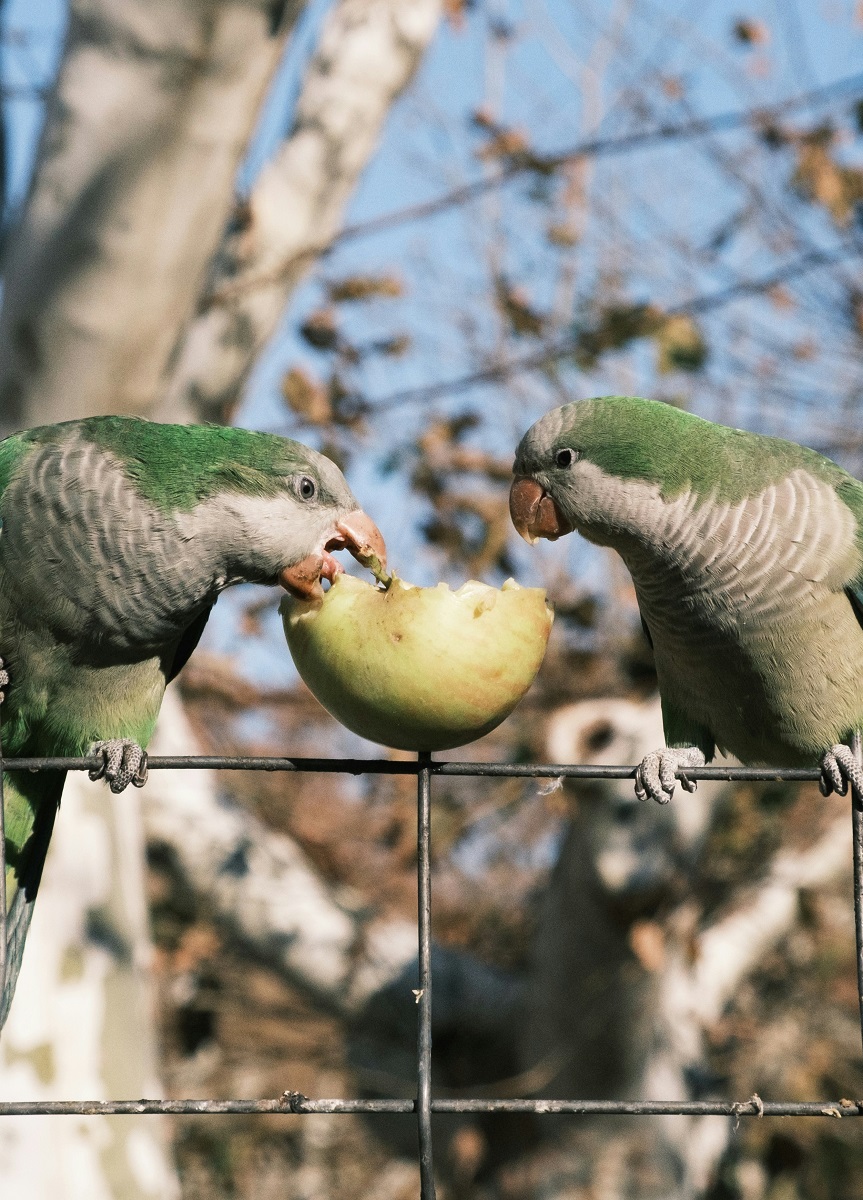
Temperament and Socialization: All parrots possess distinct personalities, but Quaker parrots are particularly renowned for their confidence, boisterousness, playfulness, and overall zest for life. A well-socialized Quaker parrot is often described as clownish and a joy to have around, though their energetic nature can also translate into a degree of charming chaos. These birds are profoundly social creatures and, when accustomed to human interaction, deeply savor attention. Many can be quite cuddly, enjoying close physical contact. However, they can also exhibit a strong tendency to bond intensely with a single individual, potentially leading to territorial aggression towards other family members. Owners must also be aware that Quaker parrots take their cage space very seriously; they can become highly territorial about what they perceive as their personal domain, sometimes making routine tasks like changing food and water bowls challenging.
Vocal Abilities: While not the loudest among parrot species, Quaker parrots are far from silent. Their noise level is generally considered low to moderate, but their flock calls can be quite grating and piercing. Beyond these louder vocalizations, a Quaker parrot will produce a steady stream of whistles, chirps, and conversational chatter. Owners are often delighted to find their birds practicing human language and imitating common household sounds with remarkable accuracy. This species ranks among the better "talking" parrots, known for acquiring impressive vocabularies, though it’s important to remember that this is imitation rather than comprehension. Their voices are distinctly squeaky, adding to their unique charm. A contented Quaker parrot may produce a soft "purring" sound, and like many other parrots, they often grind their beaks when relaxed and comfortable. Prospective owners are strongly advised to listen to recordings (e.g., on xeno-canto) or visit a breeder to assess whether they can comfortably tolerate the parrot’s noise level before committing to ownership.
Responsible Pet Care:
- Dietary Needs: A cornerstone of ensuring a pet Quaker parrot lives a long and healthy life is providing a balanced and varied diet. Veterinarians now widely advocate against a seed-heavy diet, which can lead to malnutrition and health issues. A healthy diet should be primarily composed of a high-quality formulated pellet food, which provides essential nutrients. This should be supplemented daily with a wide variety of fresh fruits (e.g., apples, berries, melon), vegetables (e.g., leafy greens, carrots, bell peppers), and occasional healthy grains. Access to a mineral block and multiple sources of fresh, clean water is also crucial.
- Housing and Environment: Despite their relatively small size, Quaker parrots require ample space to move, climb, and stretch their wings comfortably. A minimum cage width of 30 inches is recommended, with larger being preferable. Cage length is generally more important than height, as parrots tend to utilize the upper half of their enclosure most frequently. The cage should be equipped with a variety of natural wood perches of varying diameters to promote foot health, placed strategically, especially near the top. A diverse selection of parrot-safe toys, replaced regularly as they become damaged, is essential for mental stimulation.
- Unique Nest-Building Behavior: Quaker parrots possess a strong, innate nest-building instinct. Owners may observe their birds meticulously collecting and stacking small, elongated items such as sticks, pens, or even eyeglasses within their cage to construct elaborate nests. While some owners attempt to discourage this behavior due to its potential to trigger hormonal fluctuations and crankiness, it is often difficult to suppress. Observing these feathered engineers in action can be a fascinating display of their natural behaviors.
- Enrichment and Mental Stimulation: Parrots are highly intelligent and complex creatures that bore easily. Without sufficient enrichment, they can develop stress-related behaviors, including excessive screaming, aggression, or feather plucking. Owners must provide a constant stream of mental stimulation through a variety of toys, climbing opportunities, and foraging boxes. Regular interaction is paramount; a solo Quaker parrot will become lonely and stressed without consistent daily playtime and social engagement with its human companions. Daily out-of-cage time is also vital for physical exercise, preventing obesity and promoting overall well-being. Any room a Quaker parrot has access to must be thoroughly "bird-proofed" to eliminate hazards such as whirling ceiling fans, hot liquids, toxic plants, or open windows.
- Health and Emergency Preparedness: Responsible ownership includes being prepared for potential health issues. Establishing a relationship with an avian veterinarian for routine check-ups is crucial. Owners should also educate themselves on basic parrot emergency care, knowing how to identify signs of illness or injury and having an emergency plan in place, including contact information for their avian vet.
Conclusion
The Monk Parakeet, Myiopsitta monachus, embodies a compelling narrative of adaptation, intelligence, and the often-unforeseen consequences of human interaction with wildlife. From its vibrant presence in South American ecosystems to its role as a beloved, albeit demanding, companion animal, and its controversial status as a global invasive species, the Quaker parrot serves as a potent reminder of the profound responsibilities inherent in pet ownership and the delicate balance of ecological systems. Its dual identity as both a captivating pet and an environmental threat underscores the critical need for informed decision-making, responsible stewardship, and a comprehensive understanding of any species we choose to bring into our homes or allow to flourish in our shared world.

