



The release of the second printing of Sealskin by Jeff Dworsky, published by Charcoal Press, marks a significant moment in the preservation of American documentary photography and the cultural history of the North Atlantic coast. This monograph is more than a collection of photographs; it is a profound exploration of a specific era, a specific geography, and the intimate intersection of family life with the grueling demands of a maritime existence. Jeff Dworsky, a man who traded the traditional academic path for the helm of a fishing boat and the viewfinder of a Leica camera, has provided an archival treasure that captures a Maine that has largely receded into the mist of history.
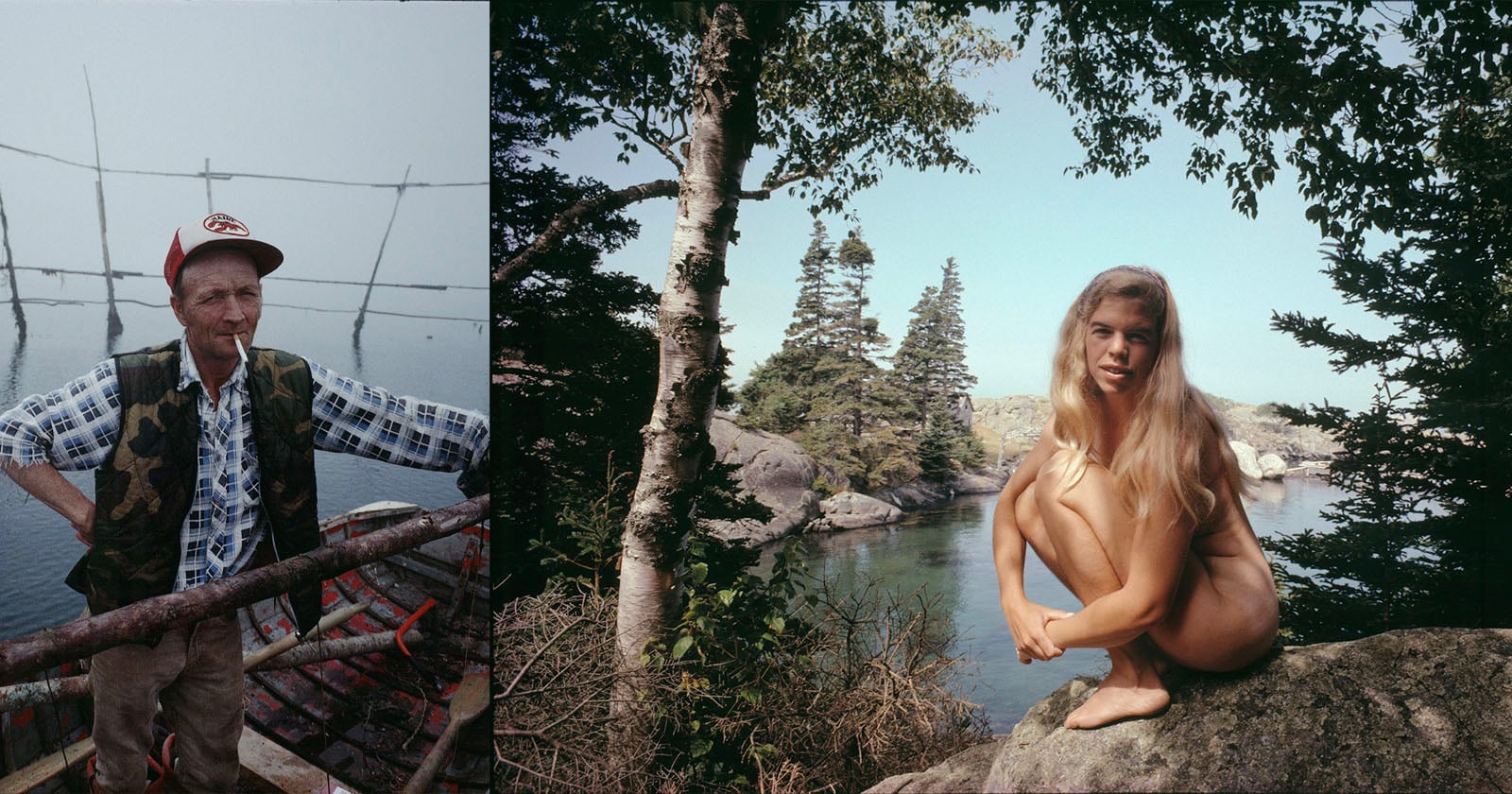
The narrative of Sealskin begins not in a gallery or a studio, but in the rugged environment of Penobscot Bay during the 1970s. Dworsky’s life story is one of radical departure and singular focus. Having dropped out of school at the age of 14, he acquired his first Leica at 15—a tool that would become his constant companion. By 16, he had relocated to a remote island in Maine, embedding himself in the local community as a fisherman. This decision was not merely a pursuit of labor but a pursuit of a life lived authentically, where the act of making pictures was, as photographer and publisher Jesse Lenz describes it, a "byproduct" of living.
The Intersection of Life and Lens: A Chronology of Discovery
The journey of Sealskin from a private archive to a celebrated photobook began approximately ten years ago through a chance encounter. Jesse Lenz, the founder of Charcoal Press, was visiting a small coffee shop on a remote Maine island when he encountered Dworsky. The catalyst for their friendship was a shared appreciation for German engineering; seeing Lenz’s Leica, Dworsky remarked, "I used to shoot with a Leica." This brief interaction unspooled into a decade-long project of archival excavation.

Dworsky had spent decades documenting his surroundings on Kodachrome film, the gold standard for color photography throughout the 20th century. His archive revealed a world characterized by both harsh labor and ethereal beauty. As Lenz began to sift through the thousands of slides and negatives, he discovered a narrative that transcended mere documentation. The photos focused heavily on Dworsky’s muses: his wife and his young children. The chronology of the work follows the growth of his family alongside the seasonal rhythms of the fishing industry, capturing the 1970s and 1980s with a clarity that only Kodachrome could provide.
The timeline of the work’s creation coincides with a transformative period for the Maine coast. During these decades, the fishing industry was undergoing significant shifts due to changes in maritime law and the beginning of ecological pressures that would later redefine the region’s economy. Dworsky’s images serve as a primary source for understanding the social fabric of these island communities before the widespread onset of modernization and tourism-driven gentrification.
Technical Mastery: The Leica and Kodachrome Legacy
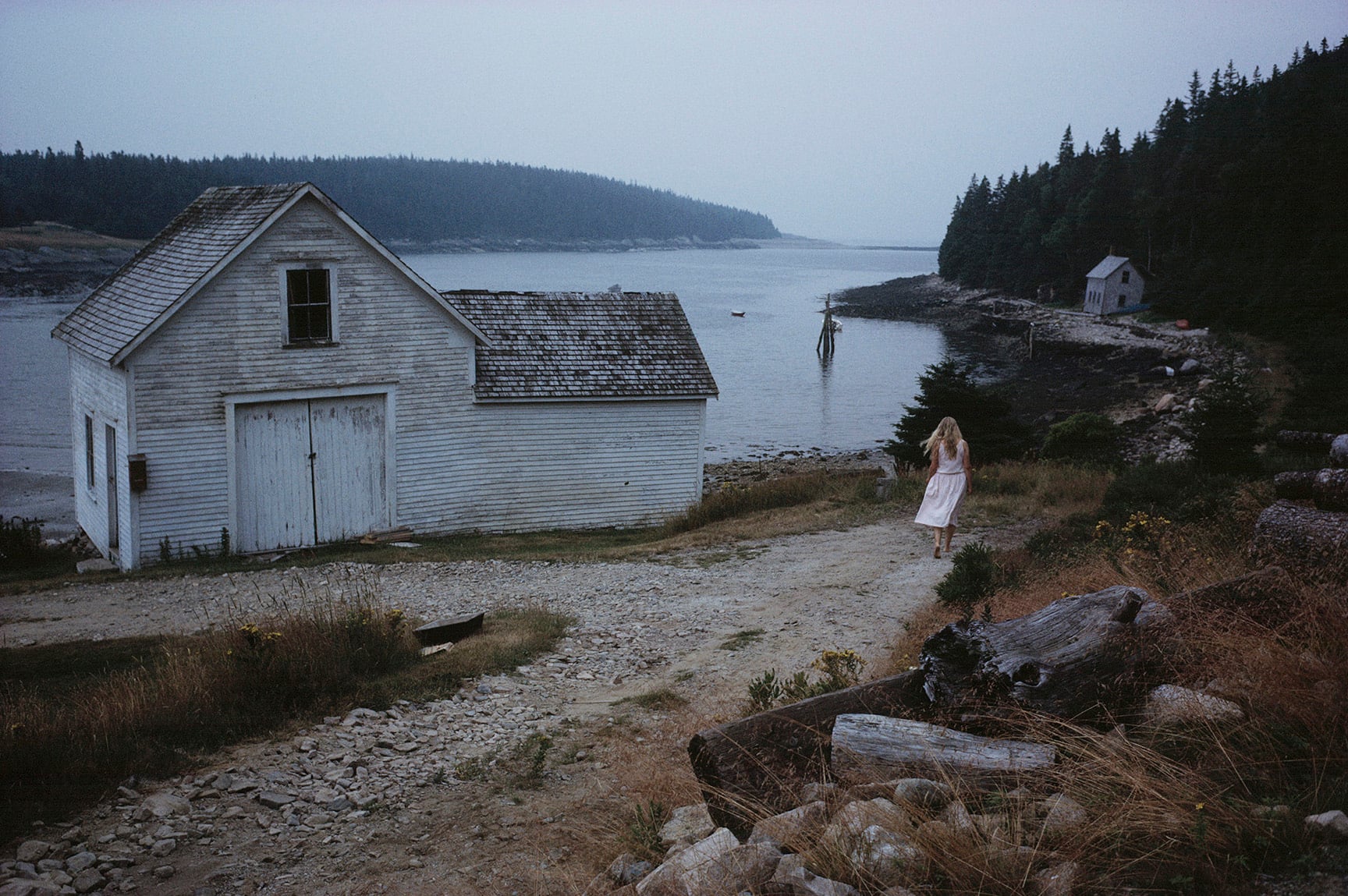
To understand the visual impact of Sealskin, one must consider the technical choices made by Dworsky. The Leica camera, known for its quiet shutter and exceptional optics, allowed Dworsky to remain an unobtrusive observer within his own home and on the decks of fishing vessels. In the hands of a fisherman, the camera was not a foreign object but a tool of the trade, used to record the glint of fish scales, the texture of weathered wood, and the shifting light of the Atlantic.
The use of Kodachrome film is equally vital to the book’s aesthetic. Known for its archival stability and its unique ability to render deep reds and vibrant blues, Kodachrome provided a "hyper-real" quality to the images. For historians and photography enthusiasts, Dworsky’s work is a masterclass in the medium. Because Kodachrome was a complex process to develop—eventually discontinued by Kodak in 2009—these images represent a finite era of photographic history. The richness of the colors in Sealskin brings the foggy fields and stormy seas of Maine to life in a way that modern digital sensors often struggle to replicate.
The Mythological Framework: The Selkie and the Sea
A central theme that elevates Sealskin from a documentary project to a piece of poetic literature is its connection to the "Selkie" myth. In Celtic and Norse folklore, selkies are mythological creatures capable of shapeshifting from seals to humans by shedding their skins. These stories often involve a selkie who is trapped on land, marries a human, and bears children, only to eventually find their hidden skin and return to the sea, leaving their human family behind.
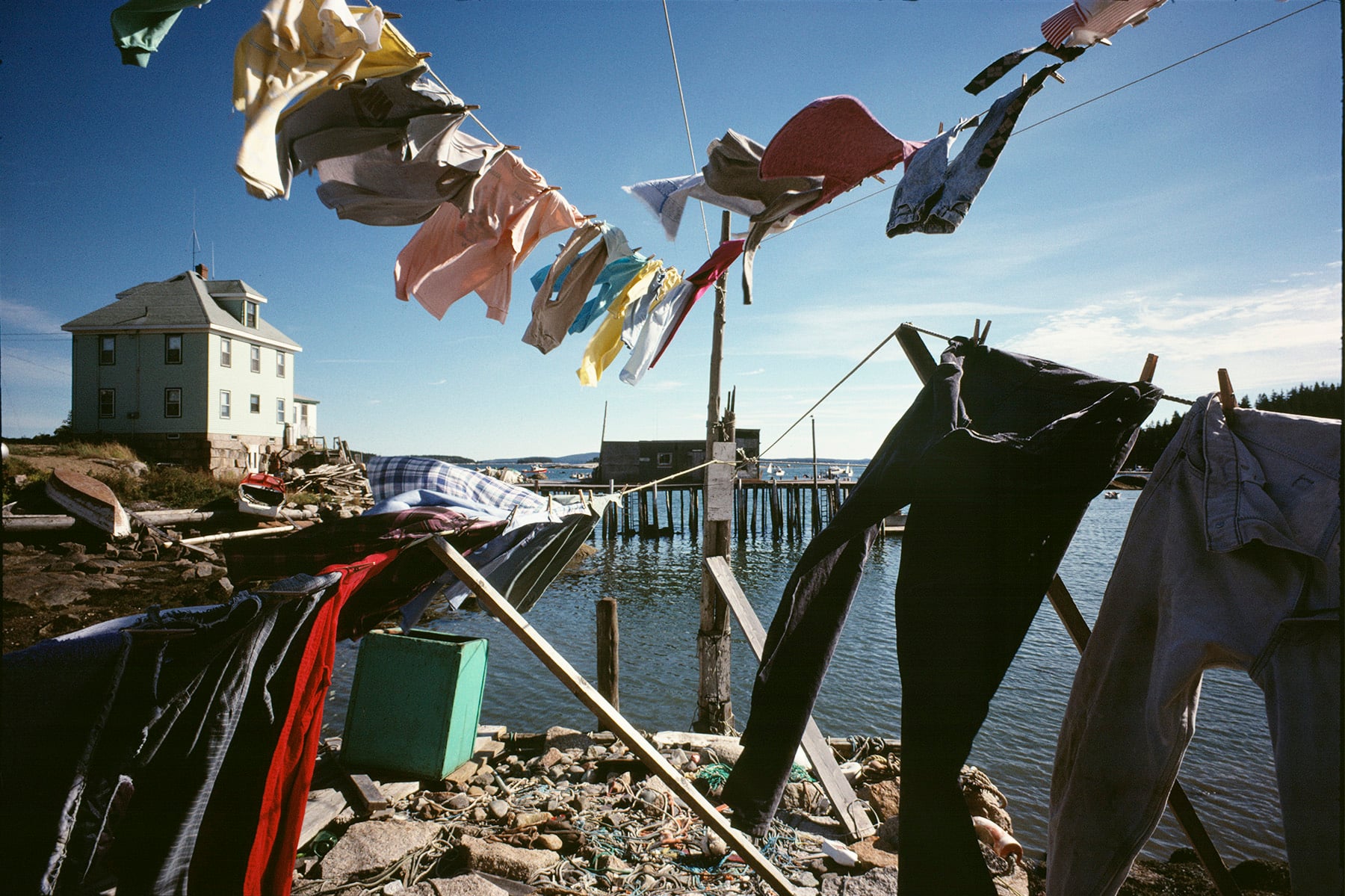
Jesse Lenz noted an "eerie" similarity between these ancient folktales and Dworsky’s own life. The early photographs in the archive are dominated by the presence of Dworsky’s wife—depicted in various states of being: gardening, birthing, or standing nude at the ocean’s edge. Lenz describes a striking sense of mystery in these depictions, comparing her to the statue of Kópakonan, the legendary selkie of the Faroe Islands.

However, as the chronology of the photographs progresses, her presence begins to fade and eventually disappears entirely. When Lenz questioned Dworsky about this shift, the response was poignant and direct: "My ex-wife left the island. We stayed." This real-world departure mirrors the tragic conclusion of the selkie myths, lending the book an emotional weight that resonates with anyone who has experienced the dissolution of a family or the isolation of island life. The title Sealskin thus serves as a metaphor for the temporary nature of certain human connections and the indelible marks they leave behind.
Historical Context: Maine’s Vanishing Fishing Communities
The enrichment of Dworsky’s work requires an understanding of the socio-economic backdrop of 1970s Maine. During this period, the state’s fishing industry was the backbone of coastal identity. In 1976, the United States passed the Magnuson-Stevens Fishery Conservation and Management Act, which extended federal jurisdiction to 200 miles offshore. This was intended to protect American waters from foreign fleets, but it also ushered in an era of increased regulation and industrialization.
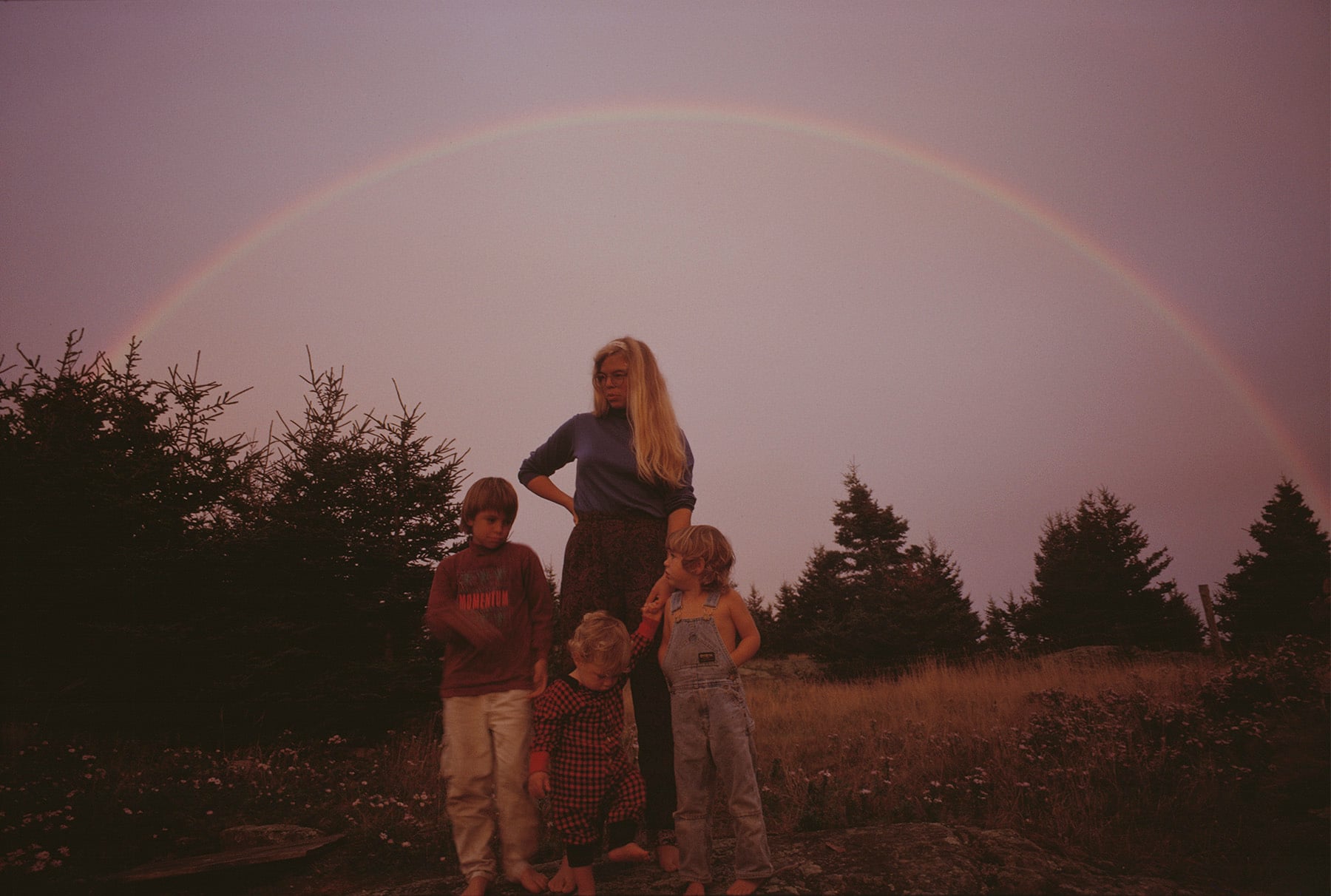
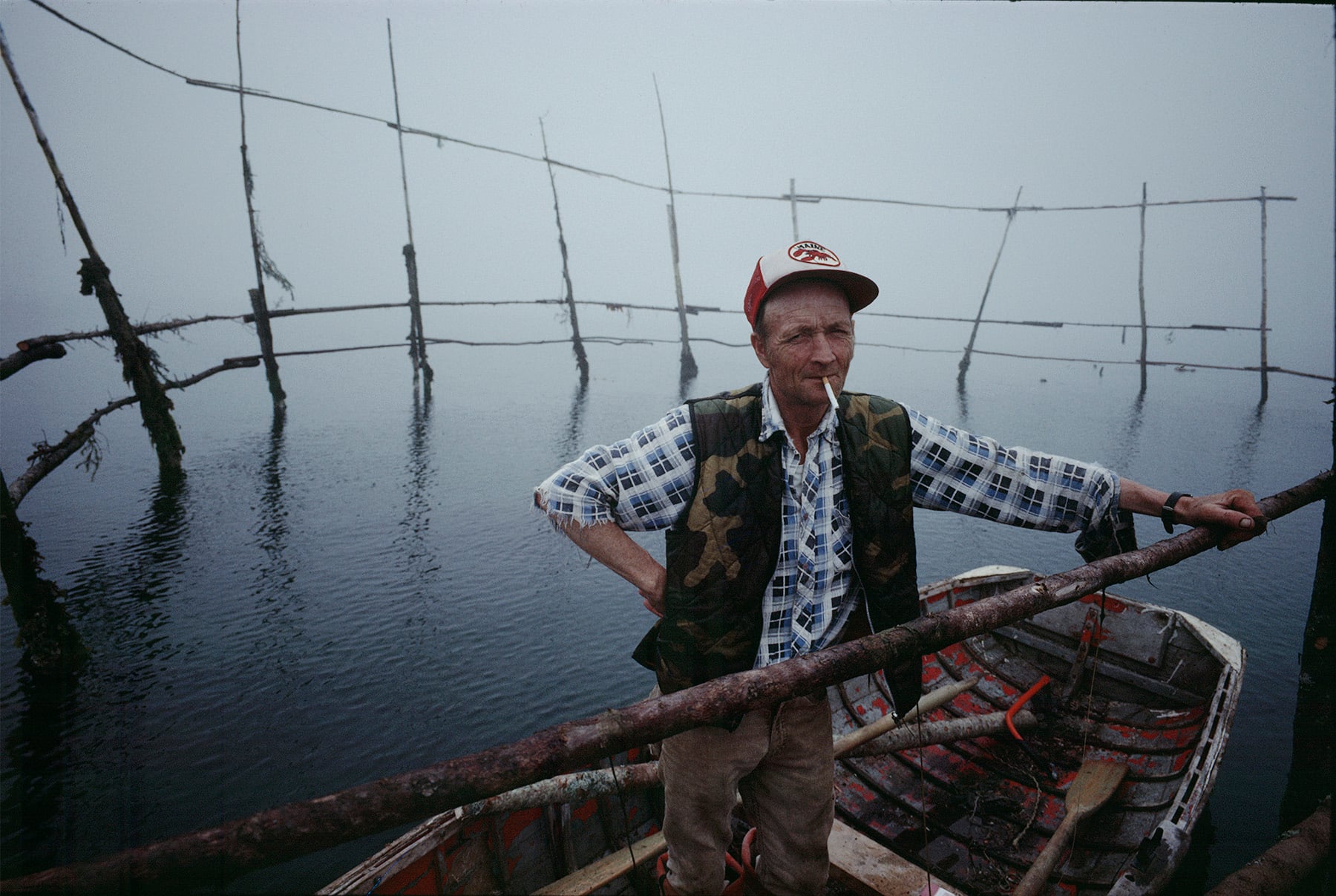
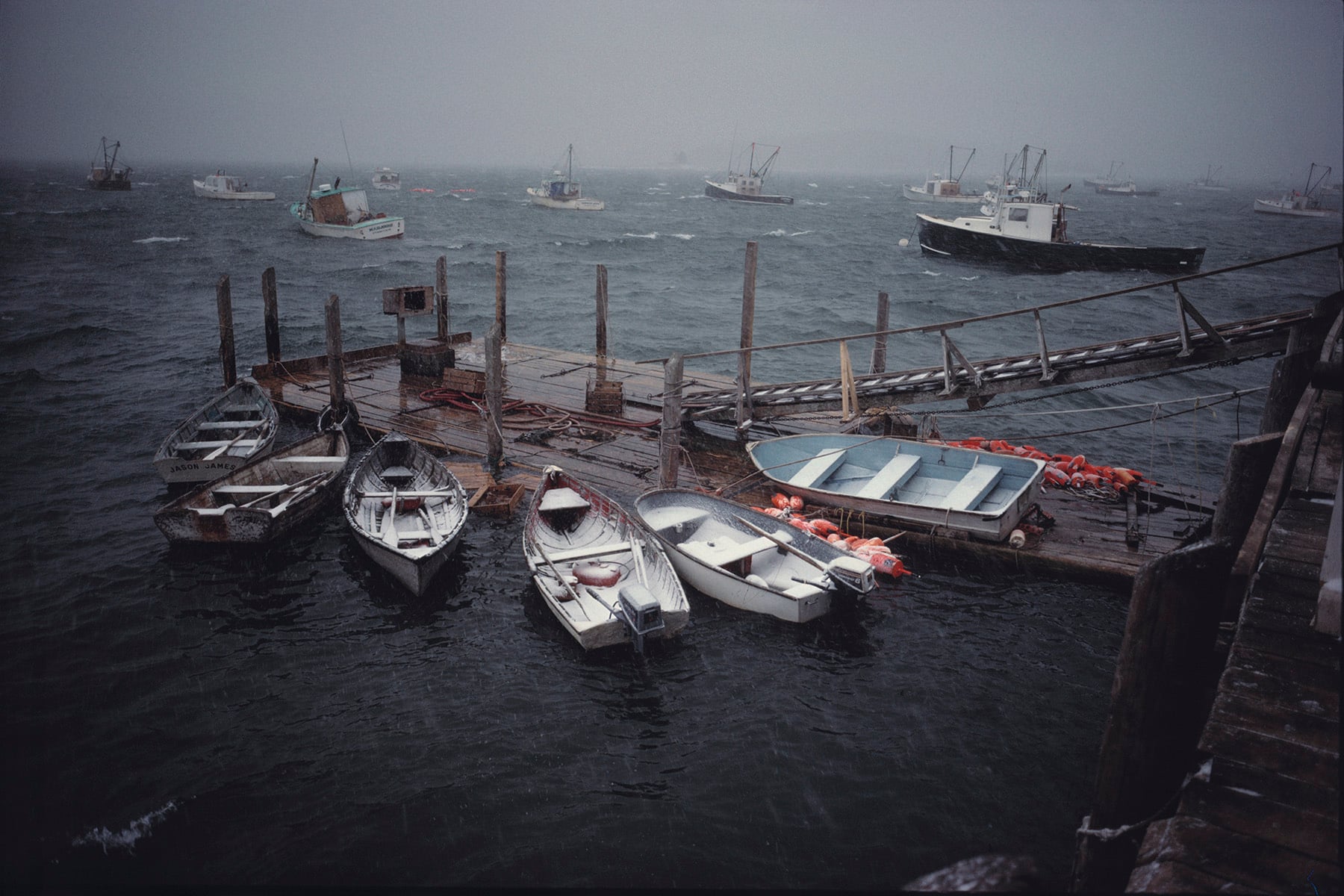
Dworsky’s photographs capture the tail end of a more artisanal era of fishing. The boats seen in Sealskin are often smaller, wooden vessels, and the labor is depicted as intimate and manual. By documenting the daily lives of his fellow fishermen, Dworsky recorded a "close-knit coastal world that no longer exists." Today, many of these islands have transitioned from working waterfronts to seasonal retreats for the wealthy, making Dworsky’s record of year-round island life an essential piece of cultural heritage.
Data from the Maine Department of Marine Resources shows a stark contrast between the diversity of catch in the 1970s versus the lobster-heavy monoculture of the present day. Dworsky’s lens captures a time when groundfishing and other traditional methods were still the pulse of the community.
Broader Impact and the Role of Independent Publishing
The success of the first printing and the subsequent demand for a second edition of Sealskin highlight the growing appetite for "authentic" and "found" photography in the digital age. In an era where images are often polished and performative, Dworsky’s work offers a raw, unvarnished look at reality. Charcoal Press, under the leadership of Jesse Lenz, has positioned itself as a key player in this movement, seeking out artists who prioritize "living" over "branding."
The publication of this book also serves as a reminder of the importance of personal archives. Dworsky did not set out to be a famous photographer; he was a man recording his life. The fact that his work is now being studied and appreciated by a global audience suggests that there are countless other "hidden" archives waiting to be discovered—histories of families and communities that exist only in boxes of slides in attics and basements.
Implications for Contemporary Photography
The revival of Jeff Dworsky’s work through Sealskin has several implications for the field of contemporary photography:
- The Value of Long-Term Projects: Dworsky’s work spans decades, offering a depth of perspective that cannot be achieved through short-term assignments. It advocates for the "slow photography" movement.
- The Integration of Narrative and Image: By framing the collection through the lens of folklore and personal tragedy, the book demonstrates how a strong narrative can provide a cohesive structure to disparate images.
- The Preservation of Film Heritage: The publication reinforces the aesthetic and historical value of film, particularly Kodachrome, encouraging a new generation of photographers to explore analog processes.
As Sealskin returns to print, it continues to serve as a bridge between the past and the present. It is a tribute to the resilience of the Maine fisherman, the complexity of family dynamics, and the enduring power of a single man with a Leica and a vision. For those who live on the coast and those who only dream of it, Dworsky’s work remains a haunting, beautiful reminder of the tides that pull us together and the currents that eventually pull us apart.

