


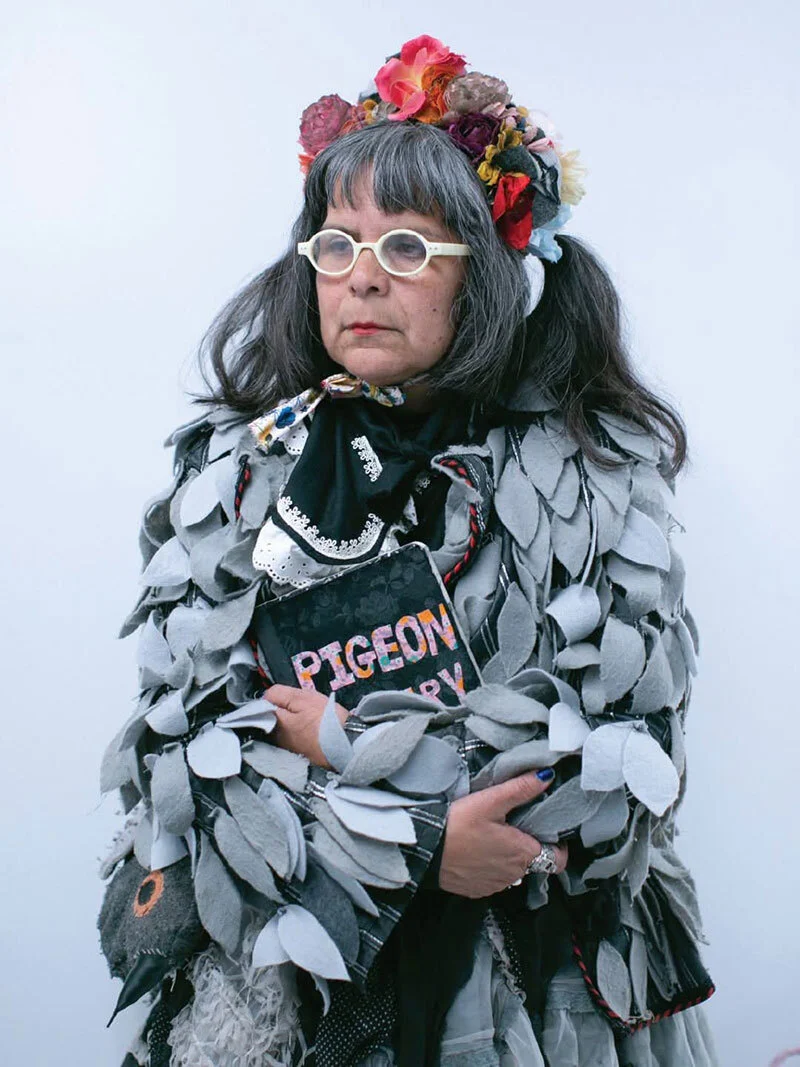
New York City, a crucible of diverse personalities and innovative artistic expression, continually offers platforms for individuals who challenge conventional norms and advocate for overlooked causes. Among these compelling figures is Tina Piña Trachtenburg, widely recognized by her distinctive persona, "Mother Pigeon," an artist, street performer, and fervent animal rights activist dedicated to safeguarding the city’s pigeon population from a controversial and often brutal fate: live pigeon shoots in Pennsylvania. Trachtenburg’s multifaceted activism, blending artistic performance with direct advocacy, has brought significant attention to the ethical dilemmas surrounding urban wildlife management and the interstate trade of animals for sport. Her efforts highlight a broader conversation about animal welfare legislation, public perception of urban species, and the potent role of grassroots movements in driving societal change.
The Heart of the Matter: Combating Live Pigeon Shoots
At the core of Mother Pigeon’s tireless campaign is the protest against the capture of New York City’s pigeons for resale and subsequent use in live pigeon shoots, predominantly held in Pennsylvania. These events involve releasing live pigeons from mechanical traps, which are then shot at by participants for sport. The practice, steeped in a contentious history, draws fierce opposition from animal welfare organizations and activists who decry it as a cruel and unethical form of entertainment. Trachtenburg’s focus on Maria Hernandez Park in Brooklyn underscores a critical aspect of this issue: the specific locations within urban environments where pigeons are targeted for capture, effectively feeding a supply chain for these controversial events. To combat this, she has publicly offered a $300 reward for photographic or video evidence with strong identification capabilities of individuals engaged in pigeon capture within the park, leveraging community vigilance as a deterrent.
A Controversial "Sport" in Pennsylvania
Live pigeon shoots have been a subject of intense debate for decades, particularly in Pennsylvania, which remains one of the few states where the practice continues to be legally permissible under certain conditions, albeit with ongoing legislative challenges. Proponents often argue that these events are a form of traditional sport, fostering camaraderie among participants and testing marksmanship skills. They sometimes assert that the pigeons are dispatched quickly, minimizing suffering, and that the practice is a form of population control. However, animal welfare advocates, including Tina Piña Trachtenburg, vehemently dispute these claims. They argue that the shoots inflict immense suffering on the birds, many of whom are injured rather than killed outright, leading to prolonged agony. Furthermore, the conditions of capture, transport, and holding of these birds before the shoots are often deemed inhumane. The birds, often domesticated or feral urban pigeons, are unaccustomed to such environments and are deliberately placed in a situation where escape is difficult, making them easy targets. The sheer volume of birds used in these events—sometimes thousands over a single weekend—raises significant concerns about animal cruelty on a large scale.
The Supply Chain: From NYC Parks to Shooting Ranges
The logistics of these live pigeon shoots necessitate a continuous supply of birds. Urban areas like New York City, with their dense pigeon populations, become inadvertent sources for this demand. Pigeons, often considered pests by some city dwellers, are trapped using various methods, ranging from nets to baited cages. These captured birds are then transported, often over long distances and across state lines, to shooting clubs and private lands in Pennsylvania. This interstate trade raises questions about regulatory oversight, animal health, and the legality of such operations. For Trachtenburg, the act of capturing these birds from public parks like Maria Hernandez Park is not merely an inconvenience but a direct assault on the urban ecosystem and the welfare of sentient beings. Her reward offer is a direct response to what she perceives as an illicit and unethical exploitation of urban wildlife, seeking to disrupt the supply chain at its origin point within her community.
Legislative Battlegrounds: Efforts to End the Practice
The fight against live pigeon shoots is not confined to grassroots activism; it extends into legislative chambers, particularly in Pennsylvania, where legal battles have been waged for years. Organizations like the New York City Bar Association’s Animal Law Committee have actively joined the fray, recognizing the broader implications of such practices on animal welfare standards and legal precedents.
Pennsylvania’s HB 1097: A Beacon of Hope
Central to the legislative efforts is Pennsylvania’s House Bill 1097 (2025-2026), which seeks to prohibit the use of live pigeons as targets in trap and block shooting events within the state. This proposed legislation represents a significant step forward for animal rights advocates, aiming to close a loophole that has allowed these controversial shoots to persist. The bill, if passed, would make it illegal to release feral and domesticated pigeons from mechanical traps for the purpose of being shot. The introduction of HB 1097 is the culmination of years of advocacy, public education, and persistent lobbying by a coalition of animal welfare groups, veterinarians, and concerned citizens. Similar bills have been introduced in previous legislative sessions, facing stiff opposition from sporting groups and some agricultural interests who view such legislation as an infringement on their rights and traditions. The ongoing debate underscores the complex interplay between established customs, evolving ethical standards, and the legislative process. The bill’s progression is closely monitored by activists like Mother Pigeon, who understand that legislative change is crucial for a permanent end to the practice.
The Role of Legal Advocacy: NYC Bar Association
The involvement of the New York City Bar Association’s Animal Law Committee in supporting HB 1097 highlights the interdisciplinary nature of animal rights advocacy. While the shoots occur in Pennsylvania, the committee’s stance demonstrates a recognition that animal cruelty, regardless of jurisdiction, warrants legal and ethical scrutiny. Their reports and public statements provide legal arguments against the practice, emphasizing aspects such as animal cruelty statutes, public health concerns (e.g., disposal of carcasses, potential spread of disease), and the ethical responsibilities of society towards animals. By lending its institutional weight, the NYC Bar Association amplifies the call for legislative reform, providing a robust legal framework to support the ethical arguments put forth by activists like Trachtenburg. Their detailed analysis of the proposed bill and its potential impact contributes to a more informed legislative debate, moving beyond purely emotional appeals to a foundation of legal principle and societal welfare.
National Context: A Patchwork of Regulations
The situation in Pennsylvania is not isolated but reflects a broader, albeit diminishing, trend in the United States. While many states have banned live animal shoots, a few, like Pennsylvania, have continued to permit them. This creates a patchwork of regulations that allows for the continuation of practices deemed cruel in other jurisdictions. This disparity often leads to animals being transported across state lines to exploit these legal differences, as seen with the NYC pigeons being moved to Pennsylvania. The national context of animal welfare legislation is characterized by varying definitions of cruelty, different enforcement mechanisms, and differing political climates. The ongoing struggle in Pennsylvania serves as a microcosm of the larger national movement to establish more consistent and comprehensive animal protection laws across all states. The success of HB 1097 would not only save countless pigeons but also set a significant precedent for other states still grappling with similar practices, strengthening the national discourse on animal rights.
Mother Pigeon’s Multilayered Activism: Art, Performance, and Digital Outreach
Tina Piña Trachtenburg’s activism transcends traditional protest, manifesting as a vibrant fusion of art, street performance, and digital engagement under her captivating persona, Mother Pigeon. This unique approach allows her to reach diverse audiences, making complex animal welfare issues accessible and engaging.
The Persona: A Symbol of Compassion
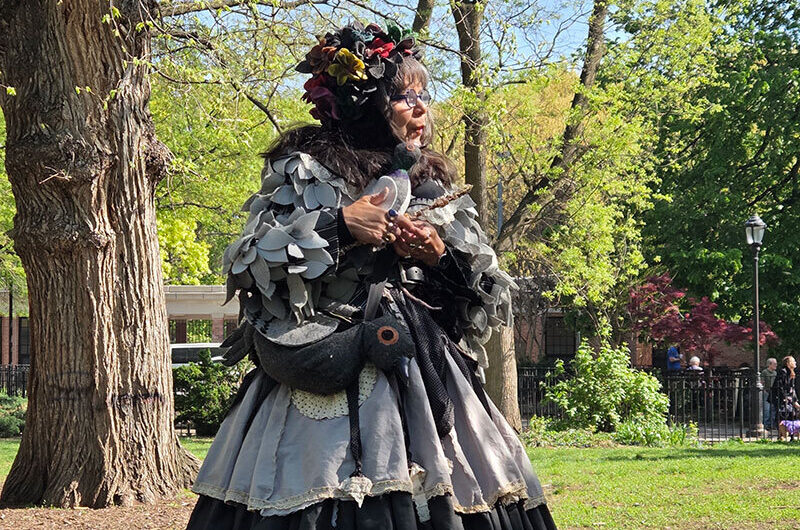
The "Mother Pigeon" persona is more than just a stage name; it is a carefully crafted symbol of compassion, protection, and advocacy for urban wildlife. Dressed in elaborate, bird-themed attire, Trachtenburg transforms into an iconic figure on the streets of New York, embodying the very creatures she seeks to protect. This visual spectacle draws attention, sparking curiosity and conversation where a traditional protest might be overlooked. Her appearance is often whimsical yet carries a serious message, disarming potential skeptics and inviting engagement. The persona allows her to communicate empathy for pigeons, challenging the common derogatory perception of them as "flying rats" and instead presenting them as sentient beings deserving of respect and protection. This artistic intervention makes her advocacy memorable and impactful, resonating with passersby and creating a lasting impression that encourages reconsideration of their own attitudes towards urban birds.
The Stage and Screen: Puppet Shows and Music
Beyond her street presence, Trachtenburg harnesses the power of storytelling and multimedia through Mother Pigeon’s Impeckable Musical Puppet Show. Launched on YouTube, this channel features ten meticulously produced videos starring hand puppets Frankie the Pigeon and Max the Rat. These characters serve as relatable conduits for discussing the plight of urban pigeons, the ethics of live shoots, and broader themes of animal compassion. The use of puppets, often associated with children’s entertainment, allows Trachtenburg to convey serious messages in an approachable and non-confrontational manner, making her content suitable for a wide demographic and potentially influencing younger generations to adopt a more empathetic view of animals.
The project extended into the realm of music, with Trachtenburg releasing nine original songs that further articulate her advocacy. Available on platforms like Bandcamp, these songs often weave narratives about urban life, the struggles of pigeons, and calls for greater empathy. Music provides an emotional dimension to her activism, allowing her message to transcend factual arguments and connect with listeners on a deeper, more personal level. The accompanying bonus reading of her published book on Bandcamp further demonstrates her commitment to utilizing diverse artistic mediums to spread her message, ensuring that her voice for the voiceless reaches as many ears and hearts as possible.
Amplifying the Message: Social Media and Public Engagement
In the digital age, social media is an indispensable tool for advocacy, and Tina Piña Trachtenburg has expertly leveraged platforms like Instagram and Facebook to amplify Mother Pigeon’s message. With over 38,000 followers on Instagram and more than a thousand posts documenting her work, her online presence is a dynamic extension of her street performance. Her Instagram feed is a rich tapestry of photos and videos showcasing her artistic endeavors, behind-the-scenes glimpses of her puppet shows, updates on legislative efforts, and direct appeals for animal welfare.
This consistent and engaging online activity fosters a strong community of supporters, allowing for real-time dissemination of information, calls to action, and direct interaction with her audience. Her social media channels serve as a hub for her activism, educating followers about the realities of live pigeon shoots, encouraging participation in legislative campaigns, and fostering a sense of collective responsibility towards urban wildlife. A short YouTube video where she shares, in her own words, what inspires and motivates her work provides a personal connection, humanizing her mission and making her advocacy more relatable and compelling to a global audience. The sustained engagement across these platforms underscores the power of digital activism in building movements and driving change in contemporary society.
The Urban Ecosystem: Pigeons in the City Landscape
Mother Pigeon’s advocacy also prompts a critical examination of how society perceives and interacts with urban wildlife, particularly pigeons. These birds, ubiquitous in cities worldwide, occupy a unique and often misunderstood position within the urban ecosystem.
Reconsidering the "Flying Rat" Narrative
For decades, pigeons have been colloquially labeled "flying rats," a derogatory term that has contributed to their vilification and often justifies inhumane treatment. This narrative portrays them as disease-carrying nuisances, overlooking their complex social behaviors, intelligence, and historical significance. Pigeons have a long history of coexisting with humans, from being domesticated for food and communication (e.g., carrier pigeons) to their current role as integral components of urban biodiversity. Trachtenburg’s work directly challenges this negative perception, advocating for a more compassionate understanding. She highlights their resilience, their adaptability, and their capacity for emotional connection, attributes often ignored when they are branded as pests. By presenting pigeons as deserving of empathy and protection, she aims to reframe the public discourse, encouraging a shift from eradication to coexistence and respect. This reframing is essential not only for the welfare of pigeons but also for fostering a broader ethical relationship between humans and the natural world within urban environments.
Protecting Urban Wildlife: Challenges and Responsibilities
The presence of pigeons in cities exemplifies the broader challenges of managing urban wildlife. Rapid urbanization often encroaches on natural habitats, forcing animals to adapt to human-dominated landscapes. While some species thrive, others struggle, and many become subject to human intervention, often for perceived convenience or control. Protecting urban wildlife requires a nuanced approach that balances human interests with ecological and ethical considerations. This includes implementing humane methods for population management, if necessary, and educating the public about the ecological roles of various species. Tina Piña Trachtenburg’s work serves as a powerful reminder that all living creatures, regardless of their perceived status, contribute to the intricate web of life and deserve consideration. Her efforts underscore the responsibility that urban dwellers have to protect the biodiversity within their cities, fostering a healthier and more humane environment for both humans and animals.
Impact and Implications: A Broader Conversation
The activism of Mother Pigeon, alongside the legislative efforts of groups like the NYC Bar Association, contributes to a broader societal conversation about animal ethics, the limits of sport, and the power of public advocacy.
Shifting Public Perception and Ethical Debates
The ongoing debate surrounding live pigeon shoots and the broader treatment of urban pigeons reflects evolving societal values. What was once accepted as tradition is increasingly being scrutinized through a modern ethical lens. Public awareness campaigns, like Trachtenburg’s, play a crucial role in shifting perceptions, moving the needle from indifference or hostility towards empathy and advocacy. This shift is not merely about pigeons; it is about establishing a higher standard for animal welfare across all species and contexts. The ethical implications extend to how societies define cruelty, what constitutes "sport," and the moral obligations humans have towards animals, particularly those that are vulnerable or exploited. The discussion forces individuals and communities to confront uncomfortable truths about human impact on the animal kingdom and to consider more humane alternatives to practices that inflict suffering.
The Future of Animal Welfare Legislation
The legislative push, exemplified by Pennsylvania’s HB 1097, signifies a growing momentum in animal welfare legislation. As public awareness increases and scientific understanding of animal sentience deepens, there is increasing pressure on lawmakers to enact more robust protections. The challenges faced by such legislation – often battling against entrenched interests and traditional practices – highlight the complexities of legal reform. However, the persistent efforts of activists and legal bodies indicate a long-term trend towards strengthening animal rights. The outcomes of these legislative battles will set precedents for future animal protection laws, influencing everything from agricultural practices to wildlife management. Tina Piña Trachtenburg’s advocacy, therefore, is not just about saving pigeons; it is a vital part of a larger movement shaping the future of animal welfare, pushing for a more compassionate and legally protected existence for all animals.
Conclusion: A Voice for the Voiceless
Tina Piña Trachtenburg, as Mother Pigeon, stands as a compelling figure in the contemporary animal rights movement. Her unique blend of artistic expression, street performance, and digital advocacy has successfully elevated the conversation around urban pigeons and the contentious practice of live pigeon shoots. By personifying empathy for these often-maligned birds and actively campaigning against their exploitation, she challenges deeply ingrained societal perceptions and contributes significantly to legislative efforts aimed at animal protection. Her work underscores the powerful impact an individual can have when creativity and conviction converge, providing a voice for the voiceless and inspiring a broader reevaluation of humanity’s relationship with the animal kingdom. The ongoing struggle for the pigeons of New York City and Pennsylvania is a microcosm of a global ethical awakening, where art and activism serve as catalysts for a more humane future.

