


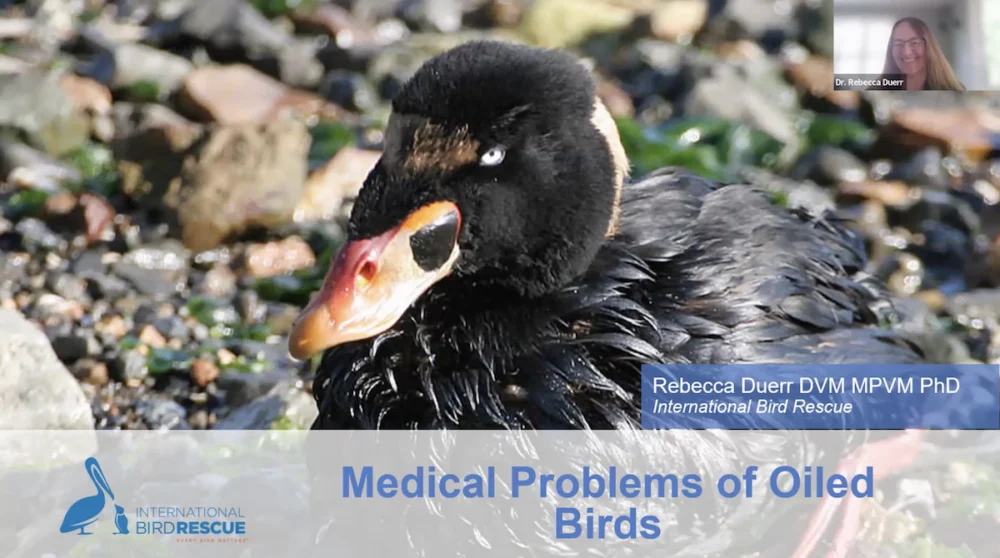
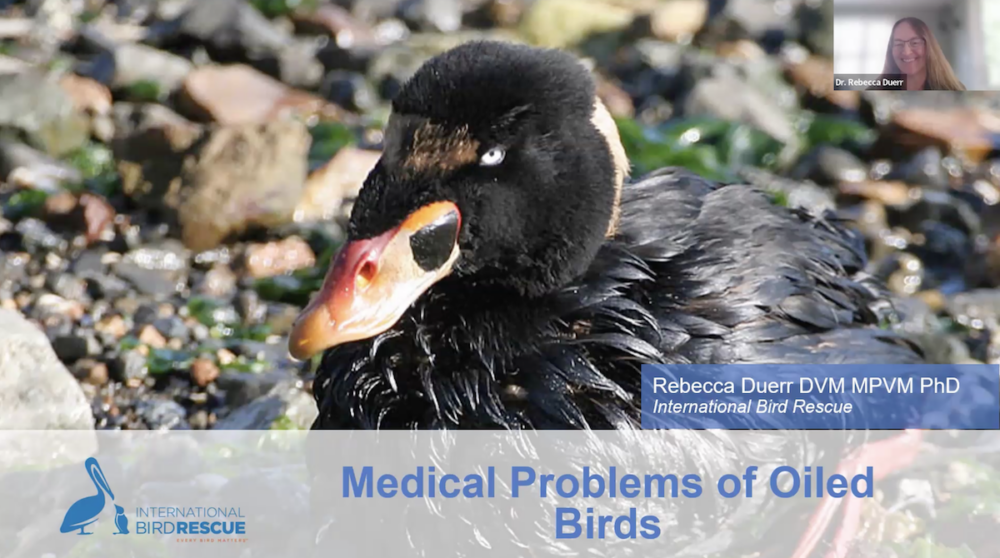
On April 21, 2026, Dr. Rebecca Duerr, DVM, MPVM, PhD, a renowned authority in avian medicine and wildlife rehabilitation, conducted an extensive virtual seminar for the Kansas State University (KSU) College of Veterinary Medicine Exotics Club. This educational initiative, hosted under the auspices of the Lafeber Company Veterinary Student Program, focused on the complex medical challenges associated with treating oiled birds. The presentation served as a critical educational bridge for aspiring veterinarians, providing them with evidence-based protocols and clinical insights into one of the most demanding fields of wildlife emergency response.
The seminar provided a comprehensive overview of the physiological impacts of petroleum exposure on avian species, the systematic approach to decontamination, and the latest research regarding patient outcomes. By integrating clinical experience with academic rigor, Dr. Duerr’s lecture highlighted the evolution of oil spill response from basic cleaning efforts to a sophisticated branch of veterinary medicine that prioritizes stabilization and metabolic support.
Context and Background of the Lafeber Company Student Program
The Lafeber Company Veterinary Student Program has long been a cornerstone of specialized education for veterinary students globally. By partnering with university exotics clubs, the program facilitates access to experts like Dr. Duerr, who possess niche expertise that may not be fully covered in a standard veterinary curriculum. The April 2026 session at Kansas State University represents a continued commitment to preparing the next generation of veterinarians for environmental disasters and the specialized care required for non-traditional species.
The timing of this presentation is particularly relevant as global climate patterns and industrial activities continue to pose risks to marine and aquatic ecosystems. Veterinary students, particularly those in exotics and wildlife tracks, are increasingly required to understand the "One Health" connection—the intersection of animal health, human health, and environmental integrity. Dr. Duerr’s presentation underscored the veterinarian’s role in this nexus, emphasizing that the successful rehabilitation of an oiled bird is a victory for both the individual animal and the broader ecosystem.
The Pathophysiology of Petroleum Exposure in Avian Species
A significant portion of Dr. Duerr’s discourse was dedicated to the internal and external effects of oil on birds. When a bird comes into contact with petroleum products, the immediate physical consequence is the disruption of the feather structure. Feathers are naturally interlocking structures that provide both waterproofing and thermoregulation. Oil acts as a solvent, breaking down the microscopic barbs and barbules, which leads to water infiltration.
Once a bird’s feathers are compromised, it loses its ability to stay buoyant and warm. This leads to rapid hypothermia, particularly in aquatic species. To compensate, the bird’s metabolic rate increases dramatically as it attempts to maintain body temperature, leading to the rapid depletion of fat stores and muscle mass. Dr. Duerr explained that many birds arrive at rehabilitation centers in a state of emaciation and severe exhaustion.
Furthermore, the toxicological impact of oil is profound. Birds often ingest oil while attempting to preen their feathers. This ingestion leads to gastrointestinal irritation, mucosal sloughing, and the absorption of polycyclic aromatic hydrocarbons (PAHs). These compounds are known to cause hemolytic anemia, organ failure (specifically liver and kidney damage), and reproductive impairment. Understanding these underlying pathologies is essential for veterinarians to develop effective stabilization plans before any cleaning is attempted.
Chronology of the Decontamination Process
The medical management of an oiled bird is a multi-stage process that requires patience and precise timing. Dr. Duerr outlined a chronological framework for treatment that emphasizes patient stability over immediate cleaning.
Phase 1: Stabilization and Triage
Upon arrival, the primary goal is not to remove the oil but to save the bird’s life. This phase, which can last from 48 hours to several days, involves aggressive fluid therapy to combat dehydration and flush toxins from the system. Nutritional support is provided via gavage feeding, and thermal support is managed through incubators. Veterinarians also perform blood work to monitor packed cell volume (PCV) and total protein (TP), ensuring the bird is strong enough to survive the stressful washing process.
Phase 2: The Wash Process
Once a bird is metabolically stable, the decontamination process begins. This involves a series of warm water baths (typically 102–105°F) using specific concentrations of dish detergent, which has been found to be the most effective agent for breaking down oil without damaging the feathers further. This process is labor-intensive, often requiring multiple teams to handle the bird, apply the detergent, and perform meticulous rinsing.
Phase 3: Rinsing and Drying
Rinsing is perhaps the most critical part of the physical cleaning. Every trace of detergent must be removed, as residual soap is just as detrimental to waterproofing as the oil itself. Following the rinse, birds are placed in specialized drying pens with warm air blowers, where they begin to preen their feathers back into their natural, interlocking alignment.
Phase 4: Conditioning and Release
The final phase involves moving the birds to outdoor pools where they can regain their fitness and confirm that their waterproofing is 100% restored. Only when a bird is self-feeding, has normal blood values, and can remain in the water for extended periods without becoming wet to the skin is it considered a candidate for release.
Comparative Research: Sedation vs. Manual Restraint
An integral part of the KSU presentation was the discussion of recent scientific advancements in the field. Dr. Duerr referenced a pivotal study published in the Journal of Avian Medicine and Surgery in 2024 by Kelley et al., titled "Comparison of manual restraint with and without sedation on outcomes for wild birds undergoing decontamination."
This research addressed a long-standing debate in wildlife medicine: whether the stress of sedation is riskier than the stress of manual restraint during the wash process. The wash process is inherently stressful, involving loud noises, heavy handling, and fluctuating temperatures. The study found that birds undergoing sedation during the decontamination process often showed better physiological markers post-wash compared to those that were manually restrained while fully conscious.
Specifically, the research suggested that midazolam-based sedation protocols could reduce the "capture myopathy" risks associated with intense handling. By lowering the heart rate and mitigating the fear response, sedation allows the veterinary team to be more thorough in their cleaning without compromising the bird’s cardiovascular stability. This data-driven approach is shifting the standard of care in major rehabilitation centers worldwide.
Supporting Data and Technical Insights
The complexity of oiled bird medicine is further illustrated by the diagnostic data required for successful outcomes. During her presentation, Dr. Duerr highlighted several key metrics:
- Packed Cell Volume (PCV): Oiled birds often suffer from Heinz body anemia due to the oxidative stress of petroleum. A PCV below 20-25% usually necessitates a delay in washing until the bird can regenerate red blood cells or receive a transfusion.
- Total Protein (TP): Low protein levels are an indicator of poor nutritional status and can lead to edema. Maintaining TP levels above 2.5 g/dL is often a prerequisite for the stress of a bath.
- Water Temperature: The water used for washing must be precisely maintained. If the water is too cool, the oil will not lift; if it is too hot, the bird may suffer from thermal stress or burns.
Dr. Duerr’s PowerPoint, which was made available to the students, contained detailed charts on fluid therapy calculations and caloric requirements, emphasizing that wildlife medicine is a field of precision, not just "rescue."
Broader Impact and Educational Implications
The presentation to the KSU Exotics Club has implications beyond the classroom. By training veterinary students in these specialized protocols, the Lafeber Company and Dr. Duerr are building a "reserve corps" of professionals who can be called upon during large-scale environmental disasters.
Official responses from the veterinary community often emphasize the lack of "oil-ready" practitioners during crises like the Deepwater Horizon spill. Programs such as this one address that gap by ensuring that the next generation of veterinarians understands the logistical and medical complexities of mass-casualty wildlife events.
Furthermore, the integration of Dr. Duerr’s PhD-level research into a clinical presentation highlights the importance of the clinician-scientist model. Her work demonstrates that successful wildlife rehabilitation is not merely an act of compassion but a rigorous scientific discipline that requires constant re-evaluation of methods through peer-reviewed research.
Analysis of Future Trends in Avian Rehabilitation
Looking forward, the field of oiled bird medicine is moving toward more individualized care and advanced pharmacology. The shift toward using sedation, as discussed in the Kelley et al. (2024) study, is just the beginning. Future developments may include the use of magnetic particles to lift oil from feathers without the need for extensive water usage, or the development of more advanced oral adsorbents to neutralize ingested toxins before they enter the bloodstream.
Dr. Duerr’s lecture at Kansas State University serves as a reminder that the health of wildlife is a direct reflection of environmental health. As these veterinary students move into their professional careers, the lessons learned from this April 2026 seminar will likely influence their approach to emergency medicine, toxicology, and conservation.
The session concluded with a call to action for students to remain engaged with wildlife organizations and to continue seeking out specialized training. The recording of the presentation and the associated medical documents remain available through the LafeberVet portal, serving as a lasting resource for the global veterinary community. Through continued education and the application of rigorous scientific standards, the veterinary profession remains at the forefront of protecting avian species from the unintended consequences of industrial progress.

