


The excitement of bringing home your first pair of rats is palpable. For many, this marks the beginning of a rewarding journey with intelligent, social, and affectionate companions. However, this initial period can also be filled with a whirlwind of questions, particularly for first-time rat owners. Understanding their behavior, needs, and how to foster a strong bond from day one is crucial for their well-being and your enjoyment. This guide aims to demystify the early stages of rat ownership, providing essential information and practical advice.
Understanding the Initial Adjustment Period
Upon arriving in their new environment, it is completely normal for newly acquired rats to exhibit signs of apprehension or even fear. This behavior is not a reflection of their personality or a sign of dislike towards their new owners, but rather a natural response to a significant life change. Rats are being removed from their familiar surroundings, separated from any established social groups, and placed in an environment filled with unfamiliar sights, sounds, and smells, all while being handled by a stranger. This can be an overwhelming experience for any animal, regardless of its inherent temperament.
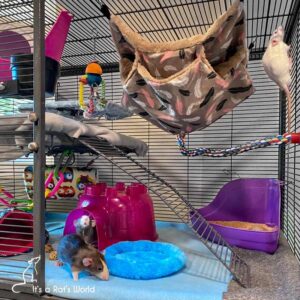
The initial approach to introducing your rats to their new home should prioritize their comfort and allow them to acclimate at their own pace. While the urge to immediately cuddle and interact with these small creatures is strong, it’s vital to temper this enthusiasm with patience. Overstimulation during this sensitive period can inadvertently increase their anxiety. Therefore, the first step should involve guiding them into their pre-prepared cage. This space, equipped with food, water, bedding, and enrichment items, becomes their safe haven.

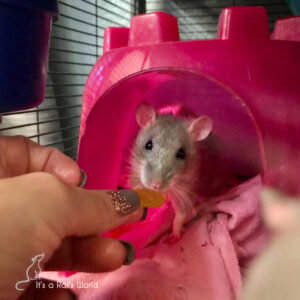
Allowing them to explore their new enclosure without pressure is paramount. This does not mean abandoning them. On the contrary, remaining present and engaging in calm, reassuring activities can be beneficial. Offering a small, palatable treat, even if not immediately accepted, can be a positive gesture. Gentle vocalization and a brief introduction to the cage’s amenities – such as their food dish, water bottle, and litter box – can help them begin to associate the space with safety and care. The litter box, in particular, serves a practical purpose during this time, as nervous animals often need to relieve themselves.
Navigating the First Few Days and Weeks
The duration and intensity of a rat’s adjustment period can vary significantly. Factors such as the travel time involved in their acquisition, their previous living conditions, and their individual personalities all play a role. Rats that have undergone significant travel may require a longer period to decompress, perhaps 30 to 60 minutes, before being encouraged to venture out of their cage. Conversely, rats that were acquired locally and appear more confident might be ready for limited interaction sooner. The key is to observe their cues and follow their lead.
It is important to manage expectations regarding a rat’s behavior during the first day, week, and month of ownership. While some rats may be bold and eager to explore and interact with their new humans almost immediately, others will be more cautious. A common misconception among new owners is that nervous or frightened behavior necessitates a hands-off approach. This is a critical point where understanding rat psychology is essential. Scared rats do not spontaneously overcome their fear; it is through consistent, positive interaction that they learn to trust.
The notion of waiting days before interacting with a new rat is counterproductive. From a wild perspective, hiding and avoidance are survival mechanisms. To alter this perception, owners must actively demonstrate that humans are not a threat. This requires daily, dedicated effort to build trust. This means regular opportunities for interaction, handling, and affection, even if the rat is initially skittish. The goal is to gradually shift their perspective from one of fear to one of comfort and security.
For owners encountering particularly fearful rats, resources such as "Helping A Scared Pet Rat" and "Honoring Your Rat’s Personal Space" can offer targeted strategies. These articles likely delve into techniques for approaching timid animals, understanding their body language, and respecting their boundaries while still encouraging interaction. The fear of being bitten is another common concern for new owners, which can unfortunately lead to the neglect of rats that exhibit fearful behaviors. Addressing this apprehension with factual information, such as that found in "Do Pet Rats Bite?", is vital to prevent a cycle of fear and neglect.
Understanding Unique Rat Behaviors
Beyond general anxiety, rats can exhibit specific quirks that might surprise new owners. One notable behavior, often overlooked in discussions about biting, is a penchant for nipping socked feet. This is not an act of aggression but rather a curious exploration of textures. While it may be startling, it rarely results in injury and is a behavior that can often be managed with awareness and environmental adjustments. Similarly, certain scents, such as those from nail polish remover, can be highly irritating to a rat’s sensitive respiratory system and poor eyesight, potentially leading them to nip at fingers or toes. Avoiding the use of such products in their vicinity is a simple yet effective preventative measure.
Essential Care Practices
Consistent and appropriate care is fundamental to a rat’s health and happiness. This encompasses several key areas:
Cage Maintenance: A Foundation for Health
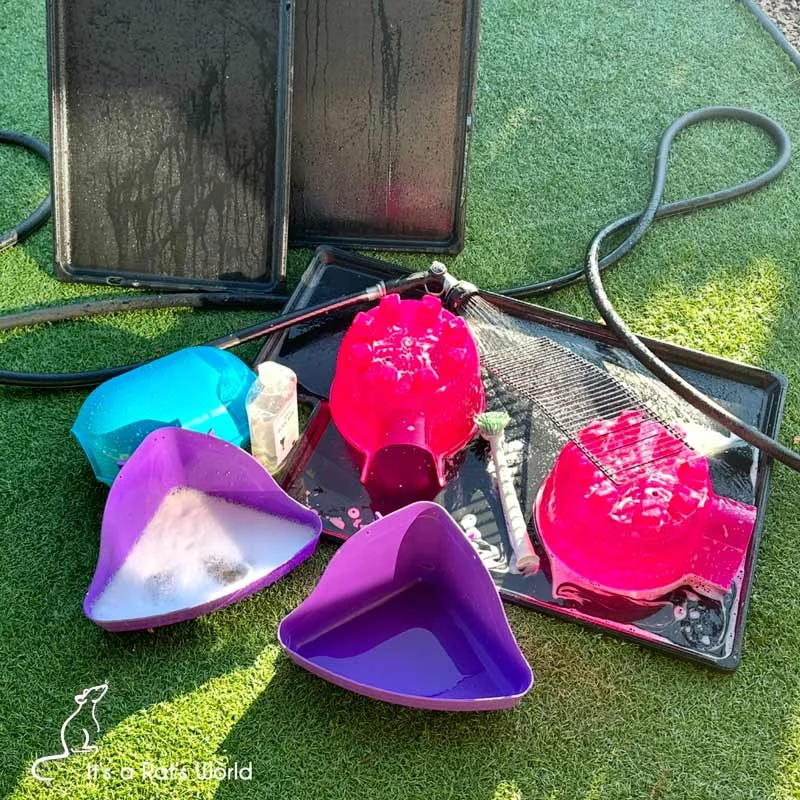
The frequency of cage cleaning is often a point of concern for new owners. While it may seem like a chore, maintaining a clean living environment is crucial for preventing odor buildup and promoting the rats’ health. Daily spot cleaning, which involves removing soiled bedding and waste, is highly recommended. This proactive approach significantly reduces the need for more intensive full cage cleanings. The frequency of complete cleanings depends on various factors, including the number of rats, their litter training habits, their sex (male rats may urinate more frequently to mark territory), and their general activity level. Detailed guidance on establishing a robust cleaning schedule can be found in articles such as "Resolve To Keep Your Rat’s Habitat Cleaner." Furthermore, understanding the ideal home environment for rats, considering factors like ambient temperature and air quality, as outlined in "Rats And Home Ambience" and "Rats And The Air," contributes to their overall well-being.
Nutritional Needs: Fueling a Healthy Life
Rats have a rapid metabolism and benefit from a consistent feeding schedule that supports their grazing nature. Dividing their daily allotment of staple food into two meals, breakfast and dinner, can help manage their intake and prevent overeating. Fruits and vegetables can be incorporated into these meals or offered as smaller snacks throughout the day. For instance, a typical feeding might include yogurt and fruit for breakfast, carrots and grapes as a midday snack, and cooked vegetables or pasta for dinner. Comprehensive dietary information, including daily menu examples, is often available through specialized resources like the Rat Guide.
Veterinary Care: Proactive Health Management
The necessity of immediate veterinary attention upon acquiring rats depends heavily on their source. Rats obtained from reputable rescues that have established quarantine protocols and provide pre-adoption medical care may not require an immediate vet visit. However, rats from less reliable sources, such as pet stores, unknown breeders, or individuals unable to provide adequate care, may warrant a prompt veterinary examination. Stress can compromise a rat’s immune system, potentially leading to respiratory issues. Symptoms like sneezing, labored breathing, or wheezing within the first few weeks of acquisition should be addressed by a veterinarian. It is also prudent to budget for future veterinary expenses, as rats, like all pets, may require medical attention throughout their lives.
Building Lasting Bonds
The process of developing a strong bond with your rats is a gradual and deeply rewarding experience. Once your rats have settled into their cage and shown signs of increased comfort, introducing them to out-of-cage playtime becomes the next significant step. This is where the relationship truly blossoms.
During these interactive sessions, it’s natural to feel a sense of uncertainty about handling these small, agile creatures. Their sharp nails and quick movements can be intimidating. However, resources like "How To Pet Your Rats" provide essential guidance on gentle handling techniques. The ultimate goal is to become your rats’ trusted companion, and this is achieved through consistent positive reinforcement and shared experiences.

Creating dedicated play areas outside the cage can facilitate extensive bonding opportunities. These environments, often referred to as "rat playgrounds," offer a safe space for exploration and interaction. The concept of modifying furniture, such as a couch, into a safe play zone is a particularly effective method for spending extended periods with your rats, fostering deep connections.
Understanding how rats communicate is also vital for strengthening your bond. Learning to interpret their vocalizations, body language, and subtle cues, as detailed in "Rat Communication: How Your Rat ‘Talks’ To You," allows for a more nuanced and responsive relationship. While this level of understanding may take time to develop, it is a cornerstone of a truly profound connection with your rat companions.
In conclusion, bringing rats into your home is an adventure that requires patience, consistency, and a willingness to learn. By understanding their initial adjustment needs, recognizing and managing their unique behaviors, and implementing essential care practices, you lay the groundwork for a healthy and fulfilling relationship. Spoil your rats, be present, and embrace the joy of discovering the remarkable personalities of these intelligent and loving creatures.

