


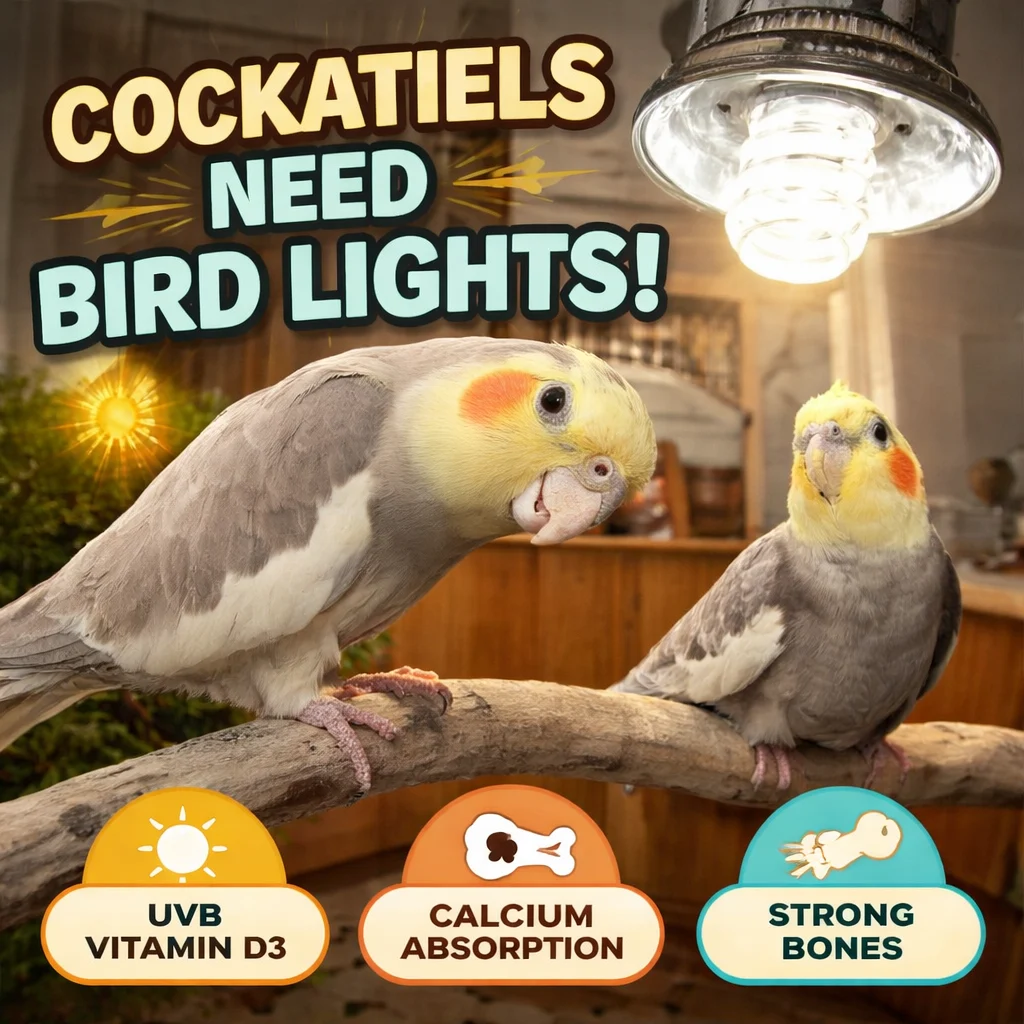
For millions of bird owners globally, the comfort of an indoor environment for their feathered companions often masks a critical oversight in avian care: the profound necessity of specific ultraviolet B (UVB) light exposure. Despite seemingly bright homes, conventional windows and artificial lighting effectively block the essential UVB wavelengths required for vital physiological processes in birds, raising serious questions about the health and safety implications for those not receiving adequate supplementation. This comprehensive guide aims to demystify the science behind avian lighting, address common misconceptions, and provide actionable insights for ensuring the optimal well-being of indoor birds.
The Silent Deficiency: Why Indoor Brightness Isn’t Enough
Many bird owners operate under the assumption that a brightly lit room or proximity to a window provides sufficient light for their birds. However, this common belief fundamentally misunderstands avian photobiology. Standard window glass, even clear panes, effectively filters out 90-99% of UVB radiation. This means that while a bird may enjoy visual light, the specific wavelengths between approximately 290 and 315 nanometers, crucial for internal health, are largely absent. Consequently, birds living indoors, particularly those not given regular, direct outdoor sunlight exposure without barriers, are at significant risk of developing insidious health issues rooted in UVB deficiency.
The critical role of UVB light in birds is primarily its function in facilitating endogenous Vitamin D3 synthesis. Unlike humans who can derive Vitamin D3 from certain dietary sources, most avian species, especially psittacines (parrots) and passerines (finches, canaries), rely almost entirely on converting a precursor in their skin (7-dehydrocholesterol) into pre-vitamin D3 upon exposure to UVB. This pre-vitamin D3 then isomerizes to Vitamin D3, which is subsequently hydroxylated in the liver and kidneys to form calcitriol, the active hormonal form of Vitamin D. Calcitriol is indispensable for calcium homeostasis, regulating the absorption of dietary calcium from the gut, its deposition into bones, and its release from skeletal stores when needed. Without adequate UVB, even a diet rich in calcium will be poorly utilized, leading to a cascade of health problems.
Diagnostic Indicators: Recognizing the Need for Supplemental Lighting
Identifying UVB deficiency can be challenging as birds are masters at masking illness, a survival instinct in the wild. However, several subtle and eventually overt signs can indicate a potential lack of proper lighting:
- Proximity to Filtered Windows, No Direct Sun: If a bird’s primary light source is an indoor window, it is almost certainly receiving insufficient UVB. Bright ambient light, while good for vision, does not trigger Vitamin D3 production.
- Behavioral Changes: Dullness, lethargy, increased irritability, or changes in vocalization, particularly during winter months when natural light is scarcer, can point to disrupted circadian rhythms and calcium metabolism.
- Subtle Physical Declines Despite Strong Diet: A bird on an otherwise excellent, balanced diet that exhibits signs like a weakening grip, brittle or discolored feathers (beyond normal molting), or a generally subdued demeanor may be experiencing a light-dependent nutritional deficit.
- Reproductive Issues: For breeding birds, poor eggshell quality, egg-binding, or reduced fertility are strong indicators of calcium deficiency, often stemming from insufficient Vitamin D3.
- Skeletal Abnormalities: In severe, prolonged cases, splayed legs, soft beaks, or bowed bones (particularly in young birds) can manifest, indicative of Metabolic Bone Disease (MBD).
The Historical Context of Avian Photobiology
The understanding of avian photobiology and its implications for captive birds has evolved significantly over the past century. Early pet bird keeping often mirrored human housing, with little consideration for species-specific environmental needs. As veterinary science advanced, particularly in the latter half of the 20th century, researchers began to uncover the intricate relationship between light spectrum, hormones, and avian physiology.
Timeline of Key Discoveries:
- Early 1900s: Initial observations link sunlight exposure to improved health in various animals, though the specific mechanisms are poorly understood.
- 1920s-1930s: Discovery of Vitamin D and its role in calcium metabolism and preventing rickets in humans and animals. Early recognition of UV light’s role in Vitamin D synthesis.
- 1950s-1970s: Increased research into avian specific nutritional requirements. Recognition of metabolic bone disease in captive birds, often attributed to dietary imbalances.
- 1980s: Growing awareness within the exotic pet community of the need for specialized lighting. Early "full-spectrum" lights are marketed, though many lack adequate UVB.
- 1990s-Present: Extensive research into specific UVB wavelengths critical for avian Vitamin D3 synthesis. Development of highly specialized "avian spectrum" or "bird-safe" UVB lamps designed to mimic natural sunlight, with careful consideration of intensity and duration. Veterinary consensus solidifies around the recommendation of supplemental UVB for indoor birds.
This progression highlights a paradigm shift from viewing birds simply as pets to recognizing them as complex biological entities with unique environmental requirements, mirroring their wild counterparts.
Are Bird Lights Dangerous? Dispelling Myths and Emphasizing Proper Use
A common concern among owners is the safety of using artificial UV sources. It is true that any UV source, if used improperly, can be harmful. Excessive UV exposure, particularly UVA, can contribute to ocular damage (photokeratitis, cataracts) and, in extreme cases, skin lesions or even increased cancer risk, similar to human sun exposure. However, "bird-safe" UVB lights are specifically engineered to provide beneficial wavelengths within a controlled range, mimicking the short, intermittent exposure birds would naturally receive in the wild.
The critical distinction lies in proper implementation:
- Distance: The effective range of UVB lamps is limited. Most manufacturers specify an optimal distance (e.g., 6-18 inches) from the bird’s favorite perching spot. Too close can lead to overexposure; too far renders the light ineffective.
- Duration: Unlike natural sunlight, which is available for many hours, artificial UVB should be limited to short daily sessions, typically 1-3 hours. This prevents overexposure while providing sufficient time for D3 synthesis. A timer is an invaluable tool for consistent and safe scheduling.
- Fixture Type and Spectrum: Not all "full-spectrum" lights are created equal. True avian UVB lights provide a specific, non-flickering spectrum of UVB (290-315 nm) along with UVA (315-400 nm), which is important for avian vision and psychological well-being. Regular household bulbs, even those labeled "full spectrum," rarely emit beneficial UVB.
- Shade and Retreat: Birds must always have access to shaded areas within their cage or enclosure to retreat from the light if desired, mimicking their natural behavior of seeking shade.
The Consequences of Chronic UVB Deprivation: A Deeper Dive
When UVB is consistently absent, the physiological ramifications extend far beyond just calcium metabolism:
- Metabolic Bone Disease (MBD): This is perhaps the most well-known consequence. Without Vitamin D3, calcium cannot be absorbed effectively. The bird’s body will then leach calcium from its bones to maintain critical blood calcium levels, leading to soft, brittle bones, fractures, lameness, and deformities. In young, growing birds, this can result in permanent skeletal damage.
- Hypocalcemia: Chronically low blood calcium can manifest as tremors, seizures, muscle weakness, and even sudden death. This is particularly dangerous for species prone to hypocalcemia, such as African Grey Parrots.
- Reproductive Problems: Laying hens require immense amounts of calcium for eggshell formation. Without sufficient D3, calcium deficiency can lead to soft-shelled eggs, egg-binding (a life-threatening condition where an egg cannot be passed), and reduced clutch sizes or fertility.
- Immune System Compromise: Vitamin D3 plays a role in immune function. Deficiency can lead to a weakened immune response, making birds more susceptible to infections and illnesses.
- Behavioral and Psychological Issues: Light influences circadian rhythms, hormone production, and mood. Lack of proper light spectrum (including UVA, which birds can see) can contribute to feather plucking, irritability, aggression, and general malaise. Birds use UVA to identify mates, forage, and perceive their environment in ways humans cannot.
- Feather and Skin Health: Poor feather quality, abnormal molting, and dry, flaky skin can also be subtle indicators of underlying nutritional and light deficiencies.
These issues often develop subtly over months or even years, making the deficiency a "silent killer" until severe, often irreversible, symptoms emerge. By the time a bird exhibits falling, tremors, or egg-binding, the underlying deficiency has usually been progressing for a considerable period.
The 3-Step Light Reset: A Proactive Approach
For owners concerned about their bird’s light exposure, a structured approach is recommended:
- Assess Current Setup: Evaluate where your bird spends most of its time. Does it sit near a window? Is there any direct, unfiltered sunlight? What kind of artificial lights are in its immediate vicinity?
- Select the Right Equipment: Invest in a high-quality, bird-specific UVB lamp (e.g., a compact fluorescent or linear fluorescent tube) and a suitable fixture with a reflector. Ensure the lamp emits appropriate UVB and UVA wavelengths and is flicker-free. Reputable brands will specify their spectrum and recommended distances.
- Implement Correctly:
- Placement: Position the lamp above the cage, ideally 6-18 inches from the bird’s highest perch, ensuring the light reaches the bird without being blocked by cage bars or accessories. Provide a "light gradient" so the bird can move closer or further away.
- Schedule: Use a timer to provide 1-3 hours of UVB exposure daily, typically during the brightest part of the day. Avoid running it all day, as this can be detrimental.
- Lamp Replacement: UVB output degrades over time, even if the light still appears to be working. Most manufacturers recommend replacing UVB bulbs every 6-12 months.
Measuring Success: How to Monitor Progress
Improvements resulting from proper UVB supplementation are typically gradual, reflecting the body’s slow restoration of physiological balance. Owners should look for:
- Improved Activity and Mood: A more active, playful, and less irritable bird.
- Stronger Grip and Coordination: Enhanced muscle tone and balance.
- Vibrant Feathering: Better feather quality, color, and less plucking (if previously an issue).
- Increased Appetite and Digestion: A healthier metabolism can improve overall nutrient utilization.
- Consistent Reproductive Cycles (for breeding birds): Healthier egg production and shell quality.
- Overall Robustness: A general sense of improved vitality and resilience.
It’s crucial to remember that light therapy supports underlying physiology; it’s not a quick fix. Consistent, appropriate use is key to long-term health benefits.
Expert Consensus and Broader Implications
Avian veterinarians and animal welfare organizations universally advocate for supplemental UVB lighting for indoor birds. Dr. Greg J. Harrison, a renowned avian veterinarian, has frequently emphasized that "UVB light is not an option; it’s a necessity for most captive birds." Organizations like the Association of Avian Veterinarians (AAV) and various bird rescue groups consistently educate owners on the importance of environmental enrichment, with proper lighting being a cornerstone.
The implications of this understanding extend beyond individual pet care:
- Pet Industry Responsibility: Manufacturers of bird products have a responsibility to produce safe and effective lighting solutions and to educate consumers. Pet stores also play a vital role in informing new bird owners.
- Economic Impact: While the initial investment in a quality UVB light system might seem significant, it is often far less than the cost of treating chronic illnesses, such as MBD or egg-binding, which can involve extensive veterinary care, diagnostics, and medications. Prevention, in this context, is truly priceless.
- Ethical Considerations: Providing a naturalistic and healthy environment is an ethical imperative for pet ownership. Denying an animal a fundamental biological need, even unintentionally, compromises its welfare.
- Research and Development: Ongoing research continues to refine our understanding of avian photobiology, leading to more efficient and targeted lighting solutions, including advancements in LED technology that can deliver specific UV wavelengths.
A Holistic Approach to Avian Wellness
While UVB lighting is undeniably critical, it is one component of a holistic approach to avian health. A balanced diet rich in calcium, magnesium, and other essential nutrients is equally important. Regular veterinary check-ups, appropriate cage size and enrichment, mental stimulation, and a clean environment all contribute to a bird’s overall well-being. The synergy between these elements ensures that the benefits of proper lighting are fully realized. For instance, without adequate dietary calcium, even perfect Vitamin D3 levels cannot prevent calcium deficiency. Products like specialized calcium, magnesium, and D3 supplements can be beneficial under veterinary guidance, especially during critical life stages or for birds with pre-existing conditions, but they are not a substitute for natural D3 synthesis via UVB.
Conclusion
The notion that indoor birds can thrive without supplemental UVB light is a dangerous misconception that has likely contributed to countless preventable health issues in captive avian populations. By understanding the science of avian photobiology, recognizing the subtle signs of deficiency, and implementing appropriate, safe lighting solutions, bird owners can profoundly impact their pets’ quality of life. The commitment to providing optimal UVB exposure is not merely an accessory to good bird keeping; it is a fundamental requirement for ensuring the long-term health, vitality, and happiness of our cherished feathered companions. Education, vigilance, and proactive care are the cornerstones of responsible avian stewardship, paving the way for healthier birds and more informed owners.

