


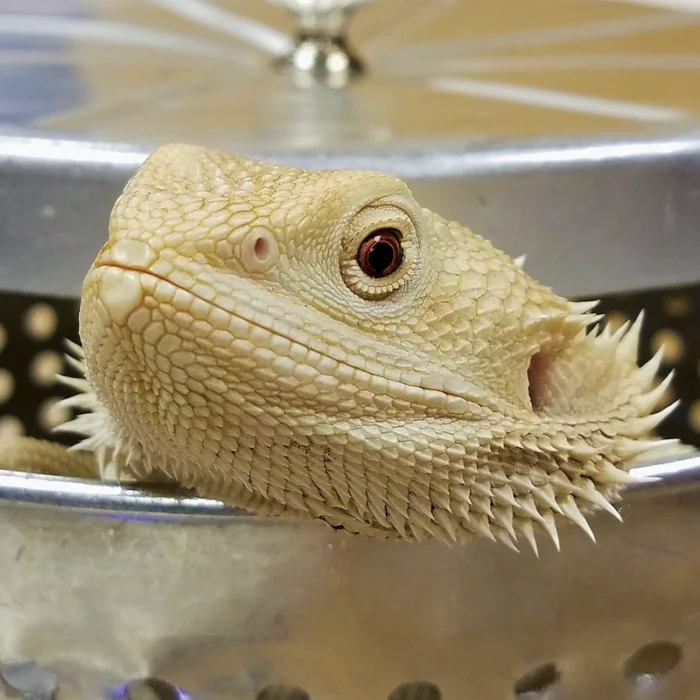
The American Association of Veterinary State Boards (AAVSB) has formally recognized the "Sunburned! An Evidence-Based Update on UVB Lighting for Captive Exotic Species" webinar through its Registry of Approved Continuing Education (RACE) program. This designation provides one hour of continuing education (CE) credit to licensed veterinarians and veterinary technicians across jurisdictions that accept RACE-approved programming. As the veterinary community increasingly emphasizes specialized care for non-traditional pets, this webinar serves as a critical resource for practitioners seeking to align their husbandry recommendations with the latest peer-reviewed data. The program, hosted by LafeberVet, requires participants to complete a post-test with a passing grade to secure their certification, offering up to three attempts to ensure mastery of the complex physiological and physical concepts presented.
The Evolution of Ultraviolet Lighting in Veterinary Medicine
The role of ultraviolet B (UVB) radiation in the health of captive exotic species has undergone a dramatic transformation over the last three decades. Initially, the provision of artificial sunlight was often based on anecdotal evidence or broad generalizations about a species’ native climate. Early captive management frequently resulted in either severe deficiencies, leading to metabolic bone disease (MBD), or unintended overexposure, which is the primary focus of the "Sunburned!" update.
UVB radiation, specifically in the 290–315 nanometer range, is essential for the endogenous synthesis of Vitamin D3 in the skin of many reptiles, amphibians, and birds. This process is a biological prerequisite for the efficient absorption of dietary calcium. Without adequate UVB, many species suffer from hypocalcemia, leading to pathological fractures, tremors, and eventually death. However, as the "Sunburned!" webinar highlights, the "more is better" philosophy has led to a new set of clinical challenges. Modern herpetological medicine now recognizes that excessive or inappropriate UV radiation can cause photokeratitis (inflammation of the cornea), dermal erythema (sunburn), and potential DNA damage, necessitating a more nuanced, evidence-based approach to lighting design.
Technical Standards and RACE Approval
The AAVSB’s RACE program serves as a gatekeeper for quality in veterinary education. For a program to receive this accreditation, it must meet rigorous standards regarding instructor credentials, scientific accuracy, and the absence of commercial bias. The approval of "Sunburned!" reflects a growing demand for specialized exotic animal medicine education that moves beyond basic care and into the realm of advanced physiological management.
To earn the one-hour CE credit, veterinary professionals must engage with the webinar’s content and successfully pass a comprehensive post-test. This structured assessment ensures that the practitioner can translate theoretical knowledge—such as the inverse square law of light or the specifics of the Vitamin D3 synthesis pathway—into clinical practice. Upon completion, participants receive a certificate that can be used to satisfy annual licensure requirements in most U.S. states and Canadian provinces.
The Science of UVB: Physiological Implications
A significant portion of the evidence-based update focuses on the photochemical reactions triggered by UVB exposure. When 7-dehydrocholesterol in the skin is exposed to UVB radiation, it is converted into pre-vitamin D3, which then undergoes a thermal isomerization into Vitamin D3. This vitamin is subsequently metabolized in the liver and kidneys into its active form, calcitriol.
The webinar addresses the critical balance required for this process. Research has shown that different species have evolved "Ferguson Zones"—a classification system named after Dr. Gary Ferguson—which categorize animals based on their basking behavior and daily UV exposure in the wild.
- Zone 1: Crepuscular or shade-dwelling species (e.g., Leopard Geckos).
- Zone 2: Partial sun or occasional baskers (e.g., Box Turtles).
- Zone 3: Open or partial sun baskers (e.g., Bearded Dragons).
- Zone 4: Midday sun baskers (e.g., Chuckwallas).
Understanding these zones is vital for veterinarians. Providing a Zone 4 UV output to a Zone 1 species can lead to the "sunburned" conditions discussed in the webinar, while providing Zone 1 output to a Zone 4 species will inevitably lead to chronic Vitamin D deficiency.
Chronology of Advancements in UVB Research
The timeline of UVB research in the exotic pet industry reflects a shift from survival-based husbandry to welfare-based husbandry.
- 1980s – Early 1990s: Recognition of "Lizard Rickets" (now MBD). Use of "full-spectrum" lights that often lacked sufficient UVB output.
- Late 1990s: Introduction of the first high-output mercury vapor lamps and T8 fluorescent tubes specifically designed for reptiles.
- 2000s: Dr. Gary Ferguson’s landmark studies provide a framework for quantifying UV requirements based on field data.
- 2010s: The widespread adoption of the Solarmeter 6.5, allowing keepers and veterinarians to measure UV Index (UVI) rather than just total microwatts.
- 2020 – Present: Shift toward "Evidence-Based" updates like the LafeberVet webinar, focusing on the risks of over-radiation, the lifespan of bulbs, and the impact of reflectors on light distribution.
This chronology demonstrates that the veterinary field is currently in an era of precision. It is no longer enough to recommend "a UVB bulb"; practitioners must now specify the UVI at the basking site, the distance from the animal, and the photoperiod.
Clinical Reactions and Industry Implications
The release of this updated webinar has prompted responses from various sectors of the veterinary community. Many practitioners have noted that client education is the most significant hurdle. Owners often purchase lighting equipment based on marketing materials rather than biological needs. By providing veterinarians with an "Evidence-Based Update," LafeberVet equips them to correct these misconceptions during annual wellness exams.
Specialists in the field have praised the webinar for addressing the "Sunburned" aspect of lighting. While MBD remains a common diagnosis, "over-lighting" is an emerging issue in high-end hobbyist circles where powerful LED and T5 HO (High Output) systems are used without proper measurement. The clinical signs of UV overexposure are often subtle—lethargy, frequent closing of the eyes, or skin darkening—and can be misdiagnosed as infection or poor nutrition without the context provided by this training.
Data-Driven Husbandry: Measuring Success
A core takeaway from the "Sunburned!" session is the necessity of objective measurement. Supporting data indicates that UVB output from artificial sources does not decay linearly. A bulb may still produce visible light while having zero UVB output, or conversely, a new bulb may have a "burn-in" period where its output is dangerously high.
Veterinary clinics are increasingly encouraged to invest in UVI meters to offer "lighting audits" for their clients. According to data collected by various herpetological societies, nearly 40% of captive reptile enclosures are found to have either inadequate or excessive UV levels when tested with calibrated equipment. This highlights the practical necessity of the CE webinar: it moves the veterinarian from a position of "general advice" to "technical consultant."
Broader Impact on Exotic Animal Welfare
The implications of this webinar extend beyond the clinic. As the AAVSB RACE program continues to approve high-level content on exotic species, it signals a professionalization of the exotic pet industry. This educational push contributes to a broader understanding of "environmental enrichment." Proper lighting is not just a medical requirement; it affects the behavior, appetite, and circadian rhythms of captive animals.
Furthermore, the focus on "evidence-based" updates helps to dismantle long-standing myths in the hobby. For example, the webinar addresses the misconception that nocturnal species do not require UVB. Recent studies have shown that even nocturnal species utilize low levels of UVB (often via "cryptic basking") to maintain Vitamin D levels, further complicating the husbandry landscape and reinforcing the need for professional guidance.
Access and Participation
To access the "Sunburned! An Evidence-Based Update on UVB Lighting for Captive Exotic Species" webinar and the subsequent CE test, professionals must be members of the LafeberVet community. The platform offers resources in English, French, and Spanish, reflecting the global nature of veterinary science. The requirement for a membership-based login ensures that the content is delivered to a professional audience, maintaining the integrity of the RACE-approved status.
The structure of the post-test—allowing three attempts—is designed to be educational rather than purely punitive. It encourages practitioners to return to the webinar material to find the correct data points, thereby reinforcing the learning objectives. This approach ensures that the "one hour of credit" represents a genuine increase in the clinician’s diagnostic and consultative capabilities.
As exotic pet ownership continues to rise globally, the veterinary profession must remain vigilant in updating its standards. Webinars like "Sunburned!" provide the necessary bridge between laboratory research and clinical application, ensuring that the next generation of captive exotic species lives in environments that are not just safe, but optimized for their unique biological needs. By focusing on the nuances of UVB lighting, the veterinary community takes a significant step toward eliminating preventable husbandry-related illnesses.

