


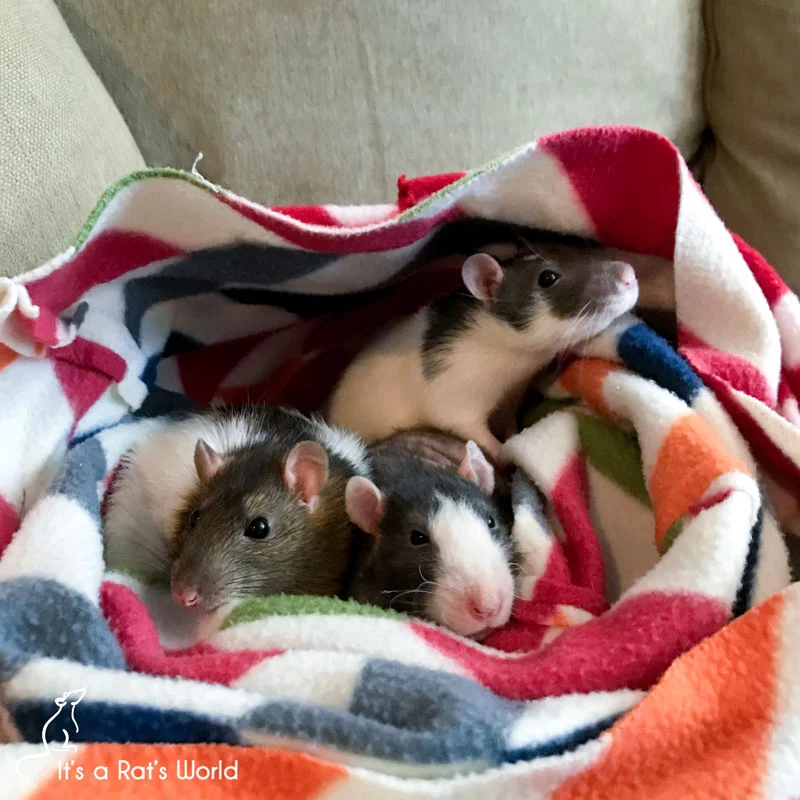
The prospect of summer vacations often conjures images of sandy beaches, mountain vistas, and the joy of exploration. For many pet owners, however, this excitement is tempered by the logistical challenges of leaving their beloved companions behind. For owners of pet rats, this dilemma can be particularly acute, as finding suitable and knowledgeable pet sitters can be a daunting task. Yet, for those who find traditional pet care arrangements stressful or unfeasible, an unconventional yet rewarding option emerges: taking your rats along for the ride. This comprehensive guide explores the practicalities, preparation, and unique rewards of embarking on road trips with your discerning rodent companions, drawing on extensive experience and expert insights.
The Allure of the Open Road with Rat Companions
The decision to travel with pet rats is often born out of necessity or a desire to avoid the anxiety associated with leaving them in the care of others. Many rat owners grapple with the concern that friends or family, while well-intentioned, may lack the specific knowledge required for their rats’ well-being. This is where the concept of including rats in travel plans, particularly for road trips, gains traction. As demonstrated by seasoned rat travelers, such as Brandi Saxton of "It’s A Rat’s World," these journeys can transform a typical vacation into a truly memorable and adventurous experience, fostering deeper bonds with these intelligent and social creatures. The historical context of pet ownership has seen a significant shift towards recognizing the emotional importance of companion animals, with an increasing number of owners seeking ways to integrate them into their lifestyles, including travel.

Acclimatizing Your Rats to New Environments
Rats are creatures of habit, thriving on predictability and familiar surroundings. Introducing them to the concept of travel requires a gradual and thoughtful approach to minimize stress. Experts recommend a phased acclimatization process, beginning with short excursions outside the home.
Gradual Exposure and Sensory Enrichment
Initial steps involve familiarizing rats with leaving their primary environment. This can be achieved through short evening walks in a secure bonding pouch or a small, ventilated cloth bag. During these outings, owners can gently introduce their rats to new sights, sounds, and smells by holding them close or allowing them to perch on their shoulders, offering reassurance through vocalization and petting. This process allows rats to gauge their comfort levels and build confidence in novel situations. The duration and intensity of these introductions should be tailored to each rat’s individual temperament, with some readily embracing new experiences while others may require more time and patience.
Short-Term Car Ride Introductions
Building upon outdoor acclimatization, short car rides serve as a crucial next step. These brief journeys, perhaps to pick up children from school or run a quick errand, provide an opportunity for rats to experience the motion of a vehicle and the sensory input of passing environments. During these rides, owners can observe their rats’ reactions, noting signs of curiosity or apprehension. The goal is to associate car travel with positive experiences, such as the introduction of new scents or gentle interactions. It is paramount to conduct these introductions during moderate weather conditions, avoiding extreme temperatures that could pose a risk to the rats’ health. The veterinary community strongly advises against exposing small animals to temperatures outside their thermoneutral zone, which for rats typically ranges from 70-80°F (21-27°C).

Selecting the Optimal Travel Habitat
The choice of a travel cage is paramount to ensuring a rat’s safety, comfort, and well-being during transit. The ideal cage should offer ample space for movement and climbing, closely mimicking the familiar environment of their home cage. This continuity helps to reduce the psychological impact of being in an unfamiliar setting.
The "Home Away From Home" Philosophy
For extended road trips, the emphasis shifts from portability to providing a spacious and enriching habitat. An example of this philosophy in practice is the multi-week road trip undertaken by Brandi Saxton, which necessitated finding a cage large enough to comfortably house four rats for nearly two months. The chosen cage was the largest that could physically fit within the vehicle, boasting multiple levels to accommodate essential amenities such as hammocks, a space pod, a litter box, and climbing structures. This approach acknowledges that when rats spend more time confined due to travel constraints, their living space must compensate for the reduced out-of-cage time, preventing boredom and promoting psychological well-being.
Balancing Size and Portability
While a larger cage offers greater comfort, logistical considerations such as vehicle size and ease of handling are also critical. In situations where a large cage is impractical for frequent removal, a smaller, more portable carrier can serve as a valuable supplement for shorter stops at rest areas or parks. This dual-cage strategy allows for flexibility, ensuring rats have a comfortable living space at their destination while also providing a manageable option for brief outings. The concept of a "travel cage" often implies a compromise, but for extensive travel, prioritizing a home-like environment within the constraints of the vehicle becomes the primary objective. Historically, travel accommodations for pets have evolved from simple crates to more elaborate setups, reflecting a growing understanding of animal welfare needs.

Meticulous Packing: Ensuring Rat Well-being on the Road
A successful road trip with pet rats hinges on thorough preparation and packing. A dedicated bag for rat supplies is as essential as the owner’s luggage, ensuring that all necessary items are readily accessible, especially in unfamiliar locations where sourcing specific products might be difficult.
Essential Provisions for the Journey
The following items are critical for a well-prepared rat travel kit:
- Hydration: Two or more water bottles with secure attachments are vital. Clean, filtered water is paramount, as tap water quality can vary significantly between locations. Bringing 1-2 gallons of filtered water ensures a consistent supply.
- Nutrition: A container of dry rat food, exceeding the estimated needs for the trip, provides a buffer against unforeseen delays. Separate food dishes for dry and fresh food are recommended. A small, insulated cooler stocked with pre-cut fresh fruits and vegetables offers a healthy and convenient option for supplemental nutrition. Rat-specific snacks can also be included for treats and positive reinforcement.
- Hygiene and Comfort: Cleaning supplies are non-negotiable. This includes a small bottle of dish soap, a scrubber, and a bottle brush for daily cleaning of water bottles and food dishes. Extra bedding, such as fleece liners, litter box substrate, and hammocks, is necessary for maintaining a clean and comfortable environment. Bonding pouches, huts, or pillowcases offer secure spaces for nervous rats and can be used for out-of-cage time. Large rat blankets serve multiple purposes, including protecting furniture at your lodging and providing warmth or shade for the cage.
- Safety and Health: Paper towels and unscented wet wipes are invaluable for spot cleaning and managing unexpected messes. Antibacterial wipes for personal hygiene are also recommended. Trash bags are essential for storing soiled bedding and waste. An emergency medicine kit, particularly for elderly or ill rats, should be assembled with veterinary consultation, potentially including items like saline solution for flushing wounds, electrolyte solutions for dehydration, and any prescribed medications.
The Rationale Behind Comprehensive Packing
The importance of having surplus supplies cannot be overstated. In the event of a vehicle breakdown, especially during extreme weather conditions, having ample food and water can be a lifesaver. The daily cleaning of water bottles is crucial to prevent bacterial growth, a common concern in stagnant water. Having backup bottles ensures a smooth transition during cleaning or in case of breakage.
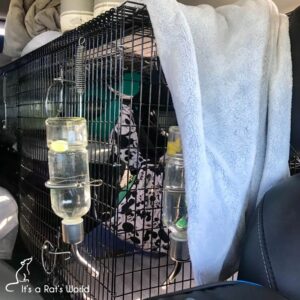
Protecting rats from extreme temperatures is a primary concern. Direct sunlight can cause overheating and discomfort, necessitating the use of a windshield shade or a blanket to cover the cage. Conversely, during colder months, a blanket can be wrapped around the cage base for insulation. Large blankets also serve to protect furniture at hotels or other accommodations when rats are allowed supervised out-of-cage time. Bonding pouches and huts provide a sense of security for anxious rats and can also be used to safely hold them during brief periods in the car.
Managing hygiene during a road trip requires diligence. Wet wipes are effective for immediate spot cleaning, and trash bags facilitate the contained disposal of soiled materials. Rats can experience gastrointestinal upset due to the stress of travel, leading to mushy stools. The inclusion of paper towels, extra bedding, and appropriate cleaning supplies becomes critical in such situations. A surprising yet effective remedy for diarrhea, passed down through generations, is the judicious use of bananas. Their natural pectin content can help to firm up stools, a valuable tip for any rat owner encountering this issue on the road.
Navigating Pet-Friendly Lodging
The growing trend of pet-inclusive travel has made finding pet-friendly accommodations more accessible. Websites like PetsWelcome can assist in identifying hotels that welcome animals. However, it is crucial to verify directly with the establishment that they are indeed accommodating of rats, as policies can vary.

Ensuring a Safe Stay
To further safeguard your rats, it is advisable to utilize the "Do Not Disturb" sign on your hotel room door when you are away. This minimizes the risk of unexpected access to your rats by housekeeping staff. Before leaving the room, always check the thermostat to ensure a comfortable temperature is maintained for your pets. Rats, like many small mammals, have a narrow thermoneutral zone, and fluctuations can quickly lead to distress.
Critical Warnings for Road Travel with Rats
The allure of adventure must be balanced with an unwavering commitment to safety. Certain precautions are non-negotiable when traveling with rats.
Unattended Vehicles: A Strict Prohibition
The most critical warning is to never leave rats unattended in a vehicle, regardless of the duration. The interior of a car can transform into a dangerous environment within minutes, with temperatures soaring to lethal levels or plummeting to dangerous lows. The variability of external temperatures and the potential for malfunctioning climate control systems create an unpredictable and hazardous situation for small animals.

Maintaining Optimal Temperature Control
Throughout the journey, maintaining a consistent and appropriate temperature within the vehicle is paramount. During stops, it is imperative to leave the car running with the air conditioning or heater engaged to prevent heatstroke or hypothermia. This practice ensures that the environment remains within the rats’ thermoneutral zone, even when the vehicle is temporarily unoccupied.
Water Bottle Functionality
Regularly checking the functionality of the water bottles is essential. Uneven surfaces or the angle of the cage during travel can sometimes affect the water pressure, leading to leaks or rendering the bottle impossible for the rats to drink from. This simple yet vital check can prevent dehydration.
The Rewarding Experience of Traveling with Rats
While the logistical demands of traveling with rats may seem daunting, the rewards can be profound. The shared experiences and the unique bond forged through these adventures can be deeply fulfilling. For many owners, the presence of their rats transforms a journey into a richer, more personal experience. The quiet companionship, the shared discoveries, and the mutual reliance can strengthen the human-animal bond in ways that a typical pet-sitting arrangement cannot replicate. The memories created on these journeys become cherished aspects of the owner’s life, proving that with careful planning and dedication, road trips with pet rats are not just feasible, but an adventure truly worth having. The normalization of diverse pet ownership, including exotic and small mammals, continues to grow, encouraging more owners to explore inclusive travel options.

