


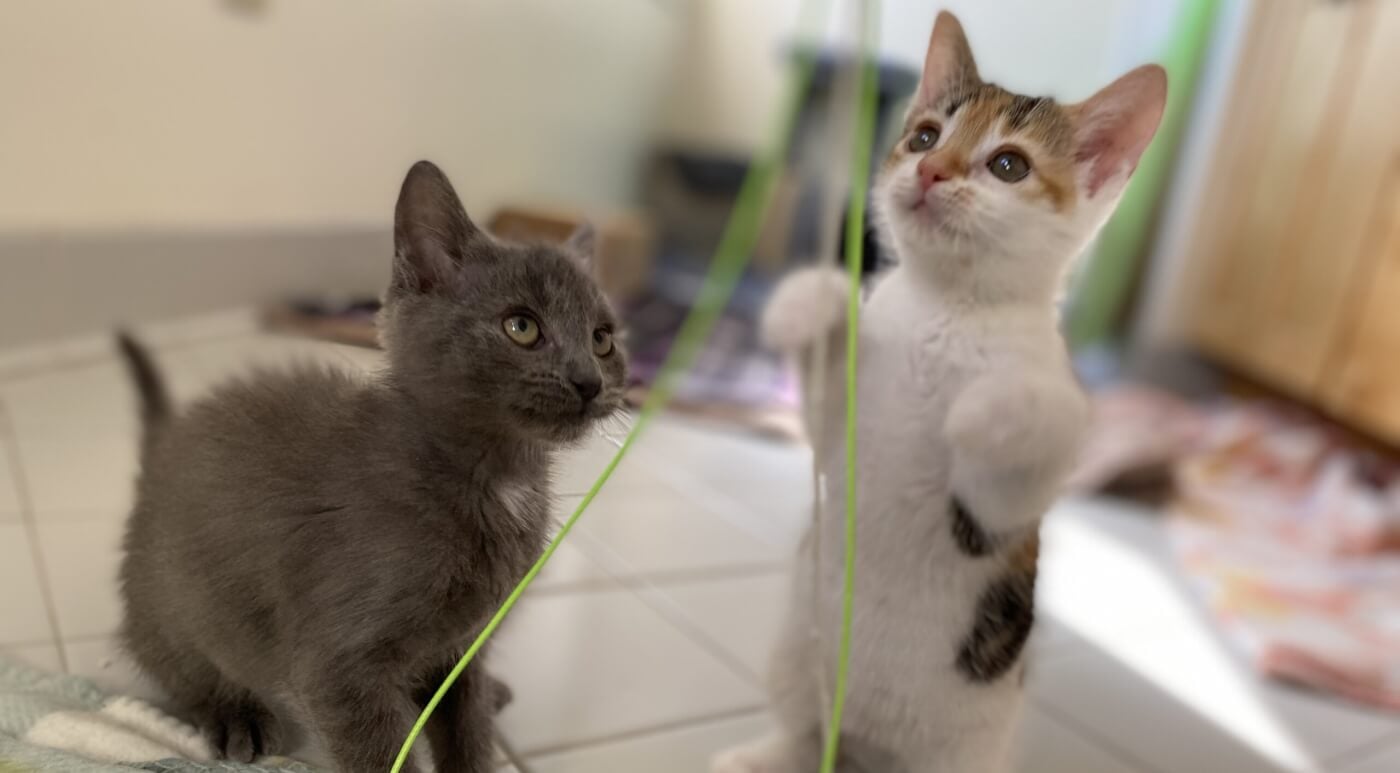
In June 2026, fieldworkers from People for the Ethical Treatment of Animals (PETA) successfully intervened in a burgeoning animal welfare crisis in rural southeastern Virginia, resulting in the rescue and rehabilitation of two critically ill kittens. The kittens, now known as Leo and Kylian, were recovered from a private property where a local resident had become overwhelmed by a growing population of free-roaming cats. This intervention, managed by PETA’s Community Animal Project (CAP), highlights the ongoing challenges of animal overpopulation in rural communities and the critical role of mobile veterinary services in providing essential care to underserved areas.
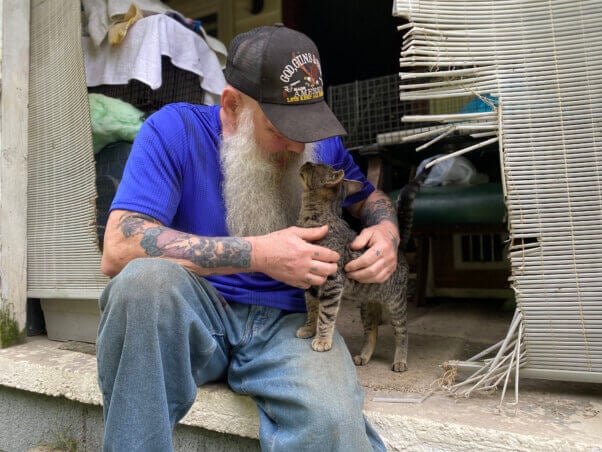
The rescue operation began when CAP fieldworkers identified a colony of cats on the property of a local resident. While the individual was providing food for the animals, the lack of sterilization had led to an unsustainable increase in the number of cats, a common scenario in regions with limited access to affordable veterinary care. Through a process of trust-building and community outreach, PETA staff were able to implement a comprehensive management plan for the colony, which included the transportation of several adult cats to mobile clinics for spaying, neutering, and general veterinary assessments.
Chronology of the Intervention and Rescue
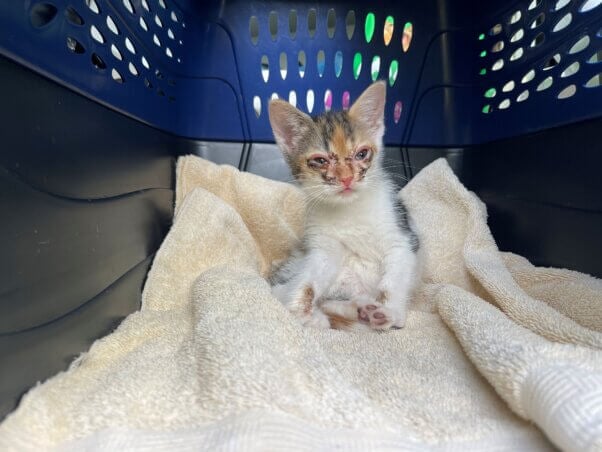
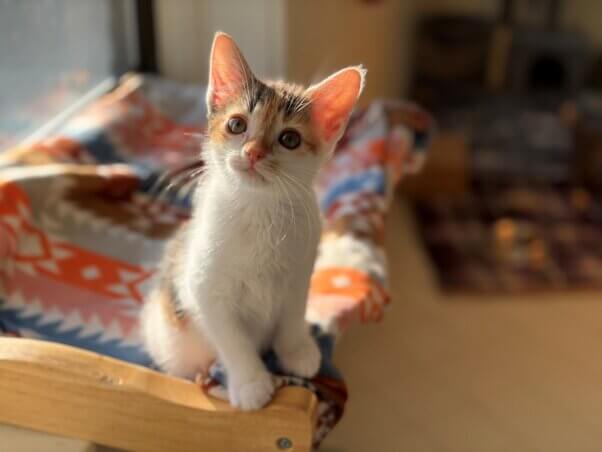
The rescue of the two kittens occurred in two distinct stages over the final week of June. On June 24, during a routine follow-up visit to the property, the resident alerted fieldworkers to the condition of a six-week-old calico kitten, subsequently named Leo. Clinical observation by the field team revealed that the kitten was suffering from a severe upper respiratory infection (URI). The infection had progressed to the point where purulent discharge was causing the kitten’s eyelids to adhere, threatening permanent ocular damage or blindness if left untreated. Recognizing the intensive nature of the required medical intervention, the guardian voluntarily relinquished custody of Leo to PETA to ensure she received immediate and professional neonatal care.
Exactly forty-eight hours later, the same resident contacted CAP’s emergency pager service regarding a second kitten in distress. This seven-week-old solid-gray male, named Kylian, exhibited advanced respiratory distress. Fieldworkers reported that the kitten’s breathing was characterized by heavy, audible congestion, a symptom of a deep-seated infection within the upper airway. Kylian was promptly removed from the property and reunited with Leo under the care of PETA’s foster network.
The transition to foster care proved pivotal for both animals. While individual medical treatment addressed the biological symptoms of their infections, veterinary staff noted that the kittens benefited significantly from being "buddied up." This socialization is a critical component of feline development, particularly for kittens separated from their mothers at a young age. By the end of June, both Leo and Kylian had shown marked improvement, moving from a critical state to a stable recovery phase.
Supporting Data: The Crisis of Rural Animal Overpopulation
The situation in southeastern Virginia is a microcosm of a larger national issue. According to data from the American Veterinary Medical Association (AVMA) and the ASPCA, millions of cats live in free-roaming colonies across the United States. In rural areas, the problem is often exacerbated by "veterinary deserts"—geographic locations where residents must travel long distances to reach a clinic, and where the cost of services often exceeds the average household income.
Statistics indicate that a single unsterilized female cat and her offspring can theoretically produce thousands of descendants over several years if left unchecked. In rural Virginia, where PETA’s Community Animal Project operates, the organization often finds that well-intentioned residents begin feeding one or two strays, only to find themselves with a colony of 20 or more within a single season. This leads to:
- Increased Disease Transmission: High-density colonies facilitate the spread of Feline Leukemia Virus (FeLV), Feline Immunodeficiency Virus (FIV), and highly contagious Upper Respiratory Infections (URIs).
- Environmental Impact: Free-roaming cats are recognized as a significant pressure on local bird and small mammal populations.
- Resource Depletion: Overwhelmed guardians often struggle to provide adequate nutrition, leading to malnutrition and weakened immune systems in the feline population.
PETA’s mobile clinics are designed specifically to address these data-driven challenges. By providing low-cost or free spay/neuter services directly in these communities, CAP aims to reduce the birth rate of homeless animals and alleviate the burden on local shelters, which often operate at or above capacity.
Clinical Analysis of Feline Upper Respiratory Infections
The medical conditions faced by Leo and Kylian—Upper Respiratory Infections—are among the most common yet dangerous ailments for kittens. URIs in felines are typically caused by Feline Herpesvirus-1 (FHV-1) or Feline Calicivirus (FCV), often complicated by secondary bacterial infections such as Bordetella bronchiseptica or Chlamydia felis.
In kittens as young as six or seven weeks, the immune system is not fully developed, making a URI a potentially fatal condition. The symptoms observed in this case—ocular discharge and labored breathing—are classic indicators of advanced infection. If the eyes remain sealed by discharge, the resulting pressure can cause corneal ulcers and eventual rupture of the globe. Furthermore, because cats rely heavily on their sense of smell to stimulate their appetite, severe nasal congestion often leads to anorexia and dehydration, which can cause rapid decline in neonatal patients.
The recovery of Leo and Kylian was achieved through a regimen of systemic antibiotics, ophthalmic medications, and supportive care, including nebulization to clear the airways. Their successful rehabilitation underscores the importance of early intervention and the availability of foster homes capable of administering around-the-clock care.
Community Relations and the Role of CAP
A significant aspect of this case was the relationship between PETA fieldworkers and the kittens’ original guardian. In many rural rescue scenarios, there is an initial hesitance among residents to engage with large animal welfare organizations due to fears of judgment or legal repercussions.
PETA’s Community Animal Project emphasizes a non-judgmental, "boots-on-the-ground" approach. In this instance, the guardian was described as a "cat-loving" individual who simply lacked the resources to manage the medical needs of the animals. By providing the resident with support—including spay/neuter services for the remaining adult cats and professional medical care for the sickest kittens—CAP was able to resolve the immediate crisis while establishing a framework for long-term population control on the property. This collaborative model is increasingly seen as the gold standard for addressing animal welfare in impoverished or isolated regions.
Broader Implications and Adoption Outlook
As of late June 2026, Leo and Kylian have been cleared of their infections and are being prepared for permanent placement. PETA has announced that the two kittens will be spayed and neutered, as well as fully vaccinated, prior to adoption. Notably, the organization is seeking a "bonded pair" adoption, a practice supported by animal behaviorists who argue that kittens raised together experience less anxiety and develop better social behaviors when kept in the same household.
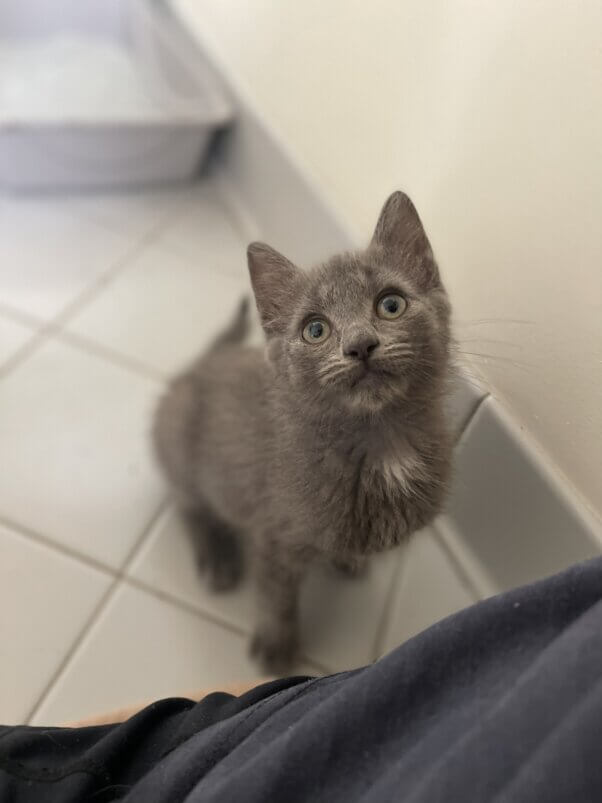
The timing of their recovery coincides with "Cat World Domination Day," an informal observance used by animal welfare groups to promote the adoption of shelter cats. PETA is utilizing the kittens’ story to raise awareness about the benefits of adopting from shelters rather than purchasing animals from pet stores or breeders, the latter of which contributes to the overpopulation crisis that CAP fieldworkers encounter daily in the field.
Conclusion
The successful rescue of Leo and Kylian serves as a testament to the efficacy of community-based animal welfare initiatives. While the individual story of these two kittens has a positive resolution, the broader systemic issues of rural animal overpopulation and lack of veterinary access remain. The intervention by the Community Animal Project highlights the necessity of proactive outreach, the importance of sterilization, and the life-saving potential of foster-based rehabilitation. For the rural communities of Virginia, such programs remain a vital lifeline for both the animals and the residents who care for them. Those interested in the adoption of the pair or in supporting similar rescue efforts are encouraged to contact PETA’s Community Animal Project directly.

